
Compare the equipment
Specifications for your rental planning
These published examples describe named company units. The supplied equipment, configuration and availability are confirmed for your project address.
BXRT20–1Refrigerated trailer
- Nominal length
- 20ft
- Listed electrical supply
- 220V · single-phase · 40–60A
- Inventory temperature label
- 32°F
MT1Refrigerated trailer
- Nominal length
- 20ft
- Listed electrical supply
- 220V · single-phase · 40–60A
- Inventory temperature label
- 15°F
LT2Refrigerated trailer
- Nominal length
- 20ft
- Listed electrical supply
- 220V · single-phase · 40–60A
- Inventory temperature label
- -5°F
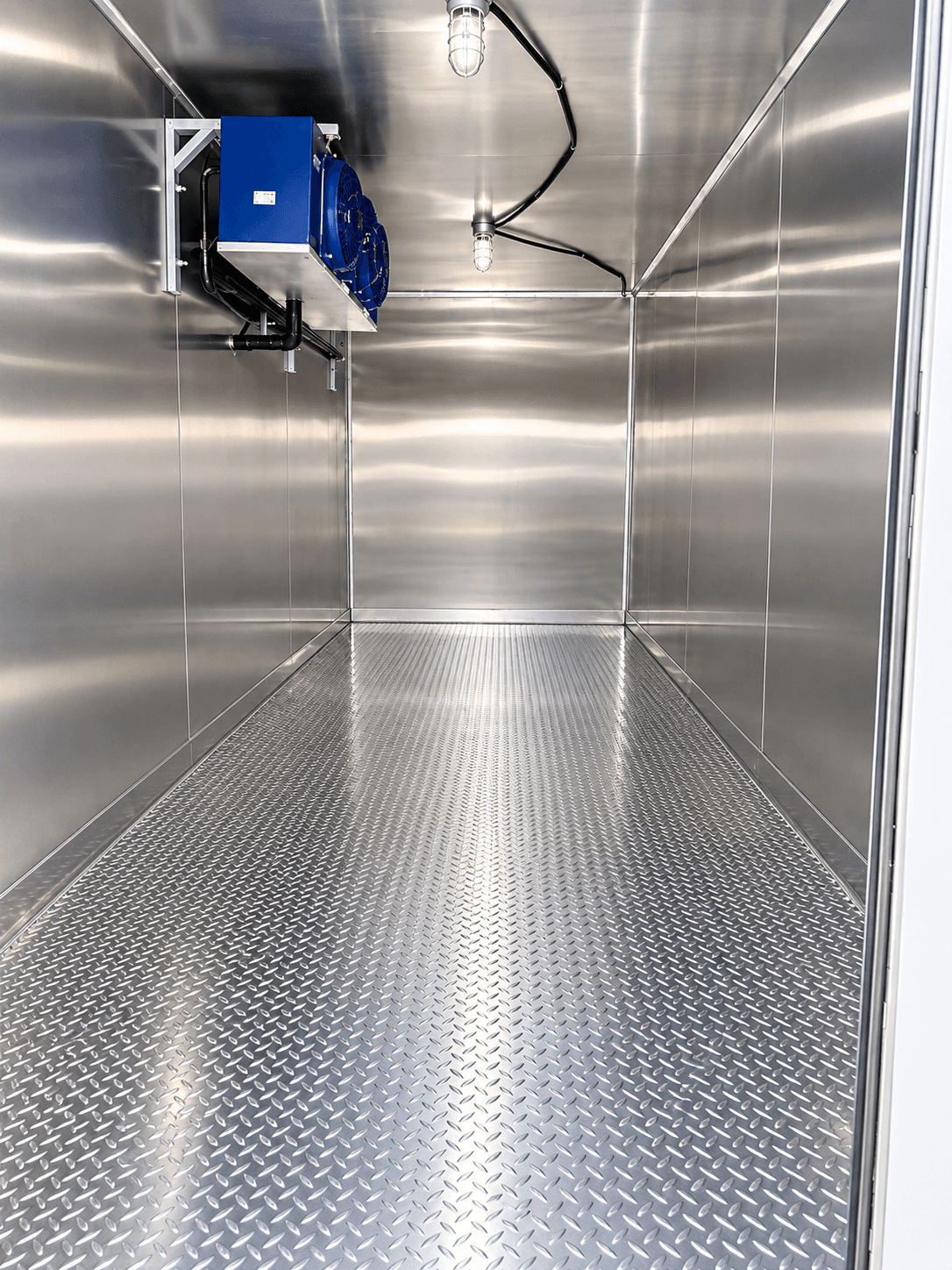
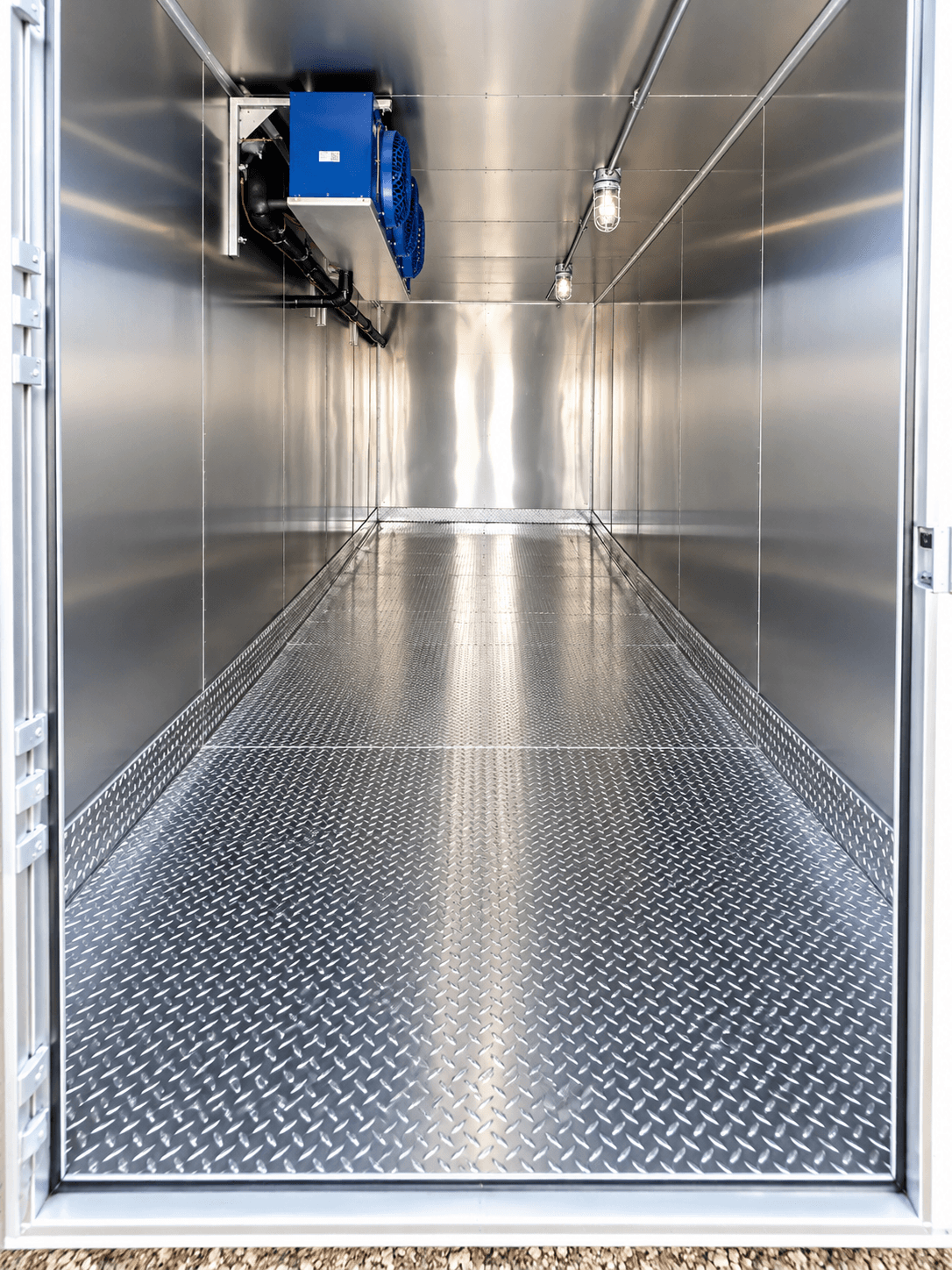
Listed refrigeration trailer equipment: condensing unit, amps panel, lighting.
Other cold-storage model details
- 12FT Refrigerated TrailerBXRT12–1 and BXRT12–2 list 220V · single-phase · 40–60A and a 32°F inventory label. Both are named as 12ft models, but their records also mention 20ft, so your quote confirms the length.
- 20FT Refrigerated ContainerYour quote confirms this container’s power, temperature and storage space for your project.
- 40FT Refrigerated ContainerYour quote confirms this container’s power, temperature and storage space for your project.
Equipment records reviewed October 19, 2026. Temperature labels are inventory labels, not verified operating ranges. Nominal length is a model label, not a measure of usable space or site footprint.
Temporary storage for a kitchen reopening
Imagine a commercial kitchen preparing stock while equipment work is still being reviewed. Its example plan would identify what must be stored during preparation and who decides when the permanent arrangement is usable, without presenting a target opening date as an equipment commitment. The working brief centers on ingredients received before commercial service resumes and the decisions of the kitchen reopening coordinator. A short written brief can connect the stock task with the rest of the project. Include the required storage conditions, proposed position and decision contacts. Use it when discussing the unit and again when the operating schedule or products change.
Choose between cooler and freezer requirements
Tell our team whether the stock needs chilled holding in a walk-in cooler or frozen holding in a freezer. Give the required product temperature, packaging and maximum quantity, then discuss whether a refrigerated container or a refrigeration trailer could suit the project. Ask for the proposed unit's usable capacity, door and entry details, and electrical connection requirements. Include frequent retrievals or large incoming loads in that conversation. Your product and site contacts can use those details to review the equipment against the actual storage task and the way staff will load it.
Plan temporary equipment around education meal schedules
School dining teams comparing Providence with a separate Georgia campus may need to revise supplier orders and staff responsibilities when the proposed meal arrangement changes. Keep supplier instructions together with menu changes and handover notes so replacement staff can understand the temporary receiving arrangement.
Allow the inquiry to reflect changing project phases
Some projects need their greatest storage capacity at the beginning, while others build toward a busy service period or a later construction phase. Describe that pattern alongside the expected start and finish dates for the work. Note when inventory is transferred, when suppliers are expected and when the permanent storage is intended to return. Ask whether the proposed rental period and equipment arrangement can be reviewed against those needs. If the plan might change, discuss the extension and collection process in advance. Update the team when the dates become clearer and ask about current availability and terms for the period you need.
Separate storage requirements in the brief
Products with different handling requirements should be identified before an equipment request becomes a booking. State whether goods are chilled, frozen or subject to another documented storage condition, and describe any segregation your own procedures require. Explain which product groups can be considered together and which need a separate review. Explain which products arrive already conditioned and whether any incoming load presents a different requirement. Ask the rental team to review those details and discuss the equipment options that can be considered. Your product owner should decide the conditions and records required for the goods being stored.
Provide a placement brief instead of guessing
A useful placement brief names the proposed position, available working space and any known restrictions, then leaves the equipment-specific review to the appropriate contacts. Include the route in, nearby activities, the intended loading side and who controls the area during installation and collection. Tell the team about changes expected during the project, such as a gate closure or contractor storage occupying part of the site. Ask what clearance and positioning information applies to the unit under discussion. Ask the site and equipment contacts to review the sketch together and identify the points needing further detail before the position is agreed.
Include access patterns in the temperature brief
A storage request should describe how the space will be used, including deliveries, frequent retrievals and any periods when several people need access. Give those details to the equipment contact alongside the required product conditions. Ask what loading and operating guidance applies to the proposed unit, and have the relevant staff review it before use. If the temporary store serves different teams, establish a shared procedure for recording concerns and contacting the person in charge. This connects the required storage conditions with daily retrieval, stock deliveries and handover procedures for the people working with the goods.
Keep electrical assumptions out of the booking
Include available supply information with the inquiry, even when the exact equipment has not yet been chosen. Describe what is known, who verified it and which location the information refers to. Ask the team for the requirements of the proposed unit so your appropriate site contact can review them. Describe both the connection point and its route so the site contact has the information needed for a useful review. Raise any need for additional equipment or a different supply as a question. Confirm the responsibility for preparing the services and completing the review before treating the rental as ready for delivery.
Keep the project contacts connected
The person requesting a quote may not manage the site when equipment arrives or when the rental ends. Provide the relevant operational contacts and explain who can answer questions about stock, access and services. If a contractor's program affects the rental, identify how updates will reach the equipment contact. Ask what information should be confirmed before each planned stage. Keep a record of the agreed arrangement that another responsible person can use during a shift change. Agree how staff will receive updates, and keep the equipment information, operating contacts and current project dates available in one place throughout the rental.
Give the team enough detail for a useful reply
Summarize the reason temporary refrigeration is needed, the products involved and the period you expect to use it. Add the proposed site, access information and the contact responsible for services. Where your plan has alternatives, describe each option with the operating details needed to review it. Ask what equipment can be considered for the brief and request current availability, rental terms and delivery arrangements. Keep collection and possible program changes in the conversation as well. A complete inquiry helps the next discussion focus on the actual storage task while leaving unconfirmed specifications and commercial details open for review.
Contact Worldwide Refrigerated Container Rental Facilities at +1 877-804-5153. Share your stock, site and dates, then ask about current equipment availability, rental or lease terms, delivery arrangements and a quote.
Keep reopening stock separate from the opening announcement
A kitchen reopening coordinator can connect each ingredient order to the preparation task it supports before commercial service resumes. Identify which orders are confirmed and which depend on the operation's own readiness decision. A target opening date may guide the program, but it should not erase the stock requirement arising before the doors open or imply that equipment arrangements have been confirmed.
If the target changes, review the supplier instructions and preparation tasks individually. Record which commitments moved, which goods are already on site and who decides what happens next. Give the equipment contact the resulting storage change rather than only the revised opening date. This produces a handover that the receiving and kitchen teams can verify while the broader reopening review is still being completed.
Discuss your cold storage rental.
Confirm the equipment, delivery location, and rental period that fit your project.
Request availability