BXRT20–1Refrigerated trailer
- Nominal length
- 20ft
- Listed electrical supply
- 220V · single-phase · 40–60A
- Inventory temperature label
- 32°F
Temporary cold storage in Sacramento, California
When a walk-in cooler or freezer fails in Sacramento, meal service and the stock behind it are both at risk. Worldwide Refrigerated Container Rental Facilities offers refrigerated containers and trailers for emergency breakdowns and planned kitchen work at hospitals, schools, caterers and food producers, alongside related kitchen and dishwashing inquiries. A person answers rental inquiries 24/7. Short rentals cover a repair, and longer leases follow phased construction. Share your products, delivery address, available position and dates to discuss equipment, delivery coordination, current availability and a project quote.
Emergency cooler or freezer failure in Sacramento? A person answers rental inquiries 24/7. Availability and delivery timing are confirmed in your quote.
Plan your rental budget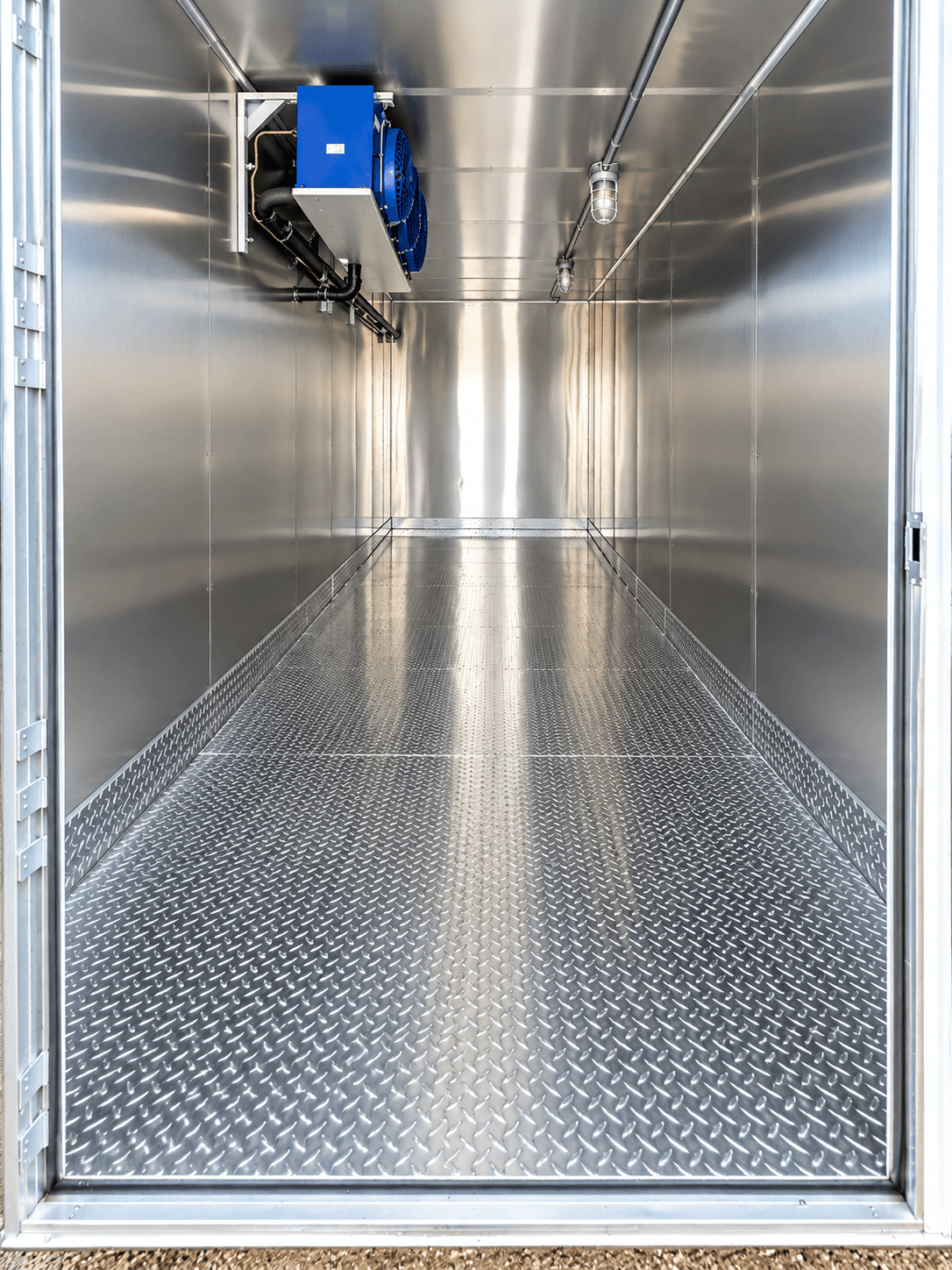
Compare the equipment
These published examples describe named company units. The supplied equipment, configuration and availability are confirmed for your project address.
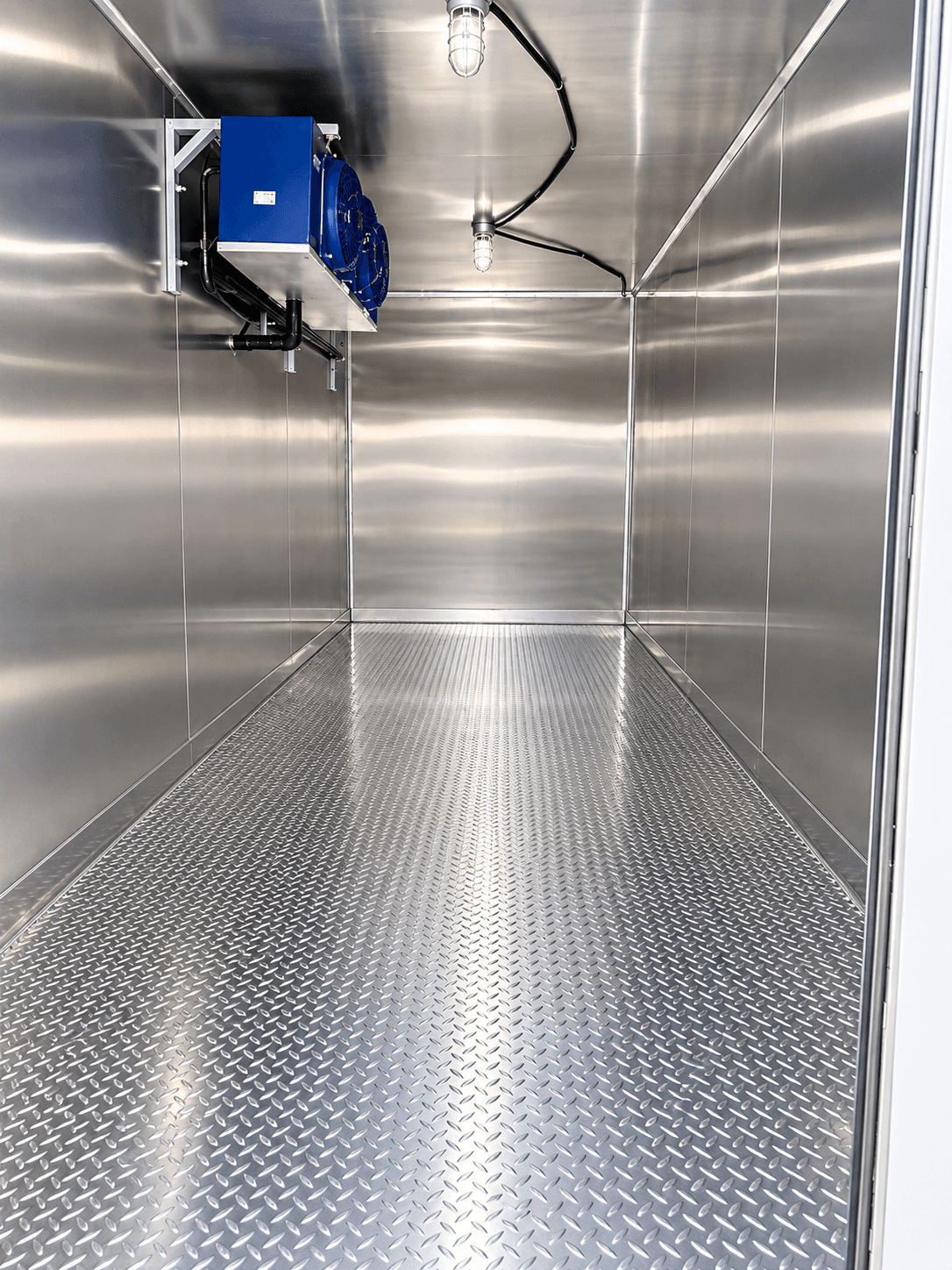
Listed refrigeration trailer equipment: condensing unit, amps panel, lighting.
Equipment records reviewed October 19, 2026. Temperature labels are inventory labels, not verified operating ranges. Nominal length is a model label, not a measure of usable space or site footprint.
UC Davis Health’s farm-to-hospital account describes meal production at its Sacramento medical center. It says local sourcing of whole-food and plant-based ingredients began in 2017. For a comparable food operation, that ingredient-led approach creates work between receiving and meal service. Unopened produce cases, ingredients already portioned for preparation and food allocated to a later meal have different retrieval patterns. Temporary refrigeration needs to support those products, rather than replace the entire production process.
The 20ft Refrigerated Container is one nominal model comparison. Its usable capacity, temperature capability and electrical requirements need confirmation for the offered unit. A daily ingredient store needs positions accessible throughout preparation; reserve cases can remain untouched between batches. Packaging and actual handling equipment help compare the supplied doorway and layout without turning a meal count into an assumed pallet capacity.
A Sacramento refurbishment can leave permanent cooking available while refrigerated ingredients move out. Another phase may close preparation as well. The 26ft Mobile Kitchen Trailer’s P1 example lists a prep table, sinks, reach-in refrigerator and freezer, and a water heater; its documented list does not establish cooking appliances. A cooking-equipped model serves another role. Dishwashing follows returned pans, trays and utensils rather than the arrival of fresh ingredients.
Keep usable permanent storage in that comparison. If a freezer remains operational while the chilled room closes, only the displaced product groups need temporary refrigeration. Food-service staff define the required conditions and product-handling responsibilities. This dining example does not establish clinical-storage capability or a completed project at the named medical center.
During examination periods in Sacramento or Rancho Cordova, California, campus catering teams may need to maintain meal service while contractors work around occupied dining spaces. Keep supplier instructions together with menu changes and handover notes so replacement staff can understand the temporary receiving arrangement.
SAFE Credit Union Convention Center’s loading-dock policy assigns spaces through the event manager, reserves at least one dock space for in-house and service-partner deliveries, and prohibits general attendee or staff parking there. It also warns that other events can limit bay availability. For an authorized food operation, the cold-storage working position therefore needs its own review beside the unloading arrangement. A photograph of an open dock cannot establish a reserved equipment space or a permitted rental placement.
A West Sacramento property preparing food for an event can keep ingredient reserves at preparation while the venue receives supplies allocated to service. An Elk Grove replacement may instead need its temporary cooler as the everyday store. Continue with Roseville or Vacaville for another working address. A Rancho Cordova catering project needs its own receiving destination even when one buyer coordinates several properties.
NOAA’s 1991–2020 normals for the Sacramento Metropolitan Airport station list a July high of 93.6°F and a low of 59.0°F, so afternoons are hot and nights are much cooler. Describe the proposed position, its shade and surface, how often doors open in the afternoon and the period staff need the store. NOAA’s statewide summary notes that inland temperatures vary more than the coast, and an airport station does not describe every Sacramento property.
BXRT20–1, a named example in the 20ft Refrigerated Trailer guide, lists a condensing unit, amps panel, lighting and 220V single-phase power at 40–60A. Its 32°F inventory label is not a verified operating range. Exact NEMA plug configuration and usable capacity remain unconfirmed. The offered refrigeration unit still needs review against the products’ required conditions and supply at its occupied position.
Ingredient reserves can remain in refrigeration after daily supplies move back indoors. Cooking or dishwashing can have a different finishing point as production and returned items clear. Keep the assigned supply and employee approach available while goods remain in temporary cold storage, with collection following the agreed arrangement. The relevant end point is the last stock transfer, rather than one contractor’s completion announcement.
Contact our team for Sacramento availability and a complete quote covering the supplied equipment, intended working period and transport. A short rental or longer lease follows the food-service requirement and agreed terms.
Before you book
Describe the products displaced in each stage and the busiest overlap, including incoming orders. Some permanent storage may remain usable throughout. This gives equipment selection a clearer task than one stock count or combined room capacity assumed to apply unchanged for the whole refurbishment.
Include supplies reserved for later shifts and orders arriving while earlier products remain held. Packaging and retrieval routines show how the store is used as well as how much it holds. These details give the proposed arrangement a useful connection to the kitchen’s actual production cycle.
Include them as separate but related functions where the project affects them. Explain ingredient movement between receiving, refrigeration and preparation. This helps consider a coherent operating route without implying a standard included package, shared connection or identical requirements for every unit being considered.
Give the season, how much of the day the unit would sit in sun and how often doors open. Sacramento’s July normal high is 93.6°F at the airport station, but your property can differ. With those details the supplier can review the offered unit and its power against the position instead of the weather alone.
These public references inform the planning examples; equipment availability and delivery arrangements are confirmed for your address.
Temporary refrigeration, kitchens and dishwashing can support many kinds of food-service operations. Each setting below starts with its own schedule, stock and site questions, and every project is reviewed individually.
Hotels, restaurants and resorts can plan temporary refrigeration around breakfast, banquet and dinner service when a walk-in cooler fails or a kitchen is refurbished.
Hospital, nursing home and care-facility kitchens can describe meal schedules, delivery times and displaced stock so temporary storage follows the food-service routine.
Municipal, county and public-building food-service teams can outline receiving arrangements, responsible contacts and project dates before a quote is prepared.
Dining facility managers can explain the products displaced, the receiving arrangements and the proposed period, then review availability and terms with our team.
Schools, colleges and universities can plan around term dates, serving windows and campus kitchen renovations so meal service can continue during repairs or construction.
Plant cafeterias and employee dining areas can describe shift patterns and staged building work so temporary cold storage can be reviewed against the working schedule.
Caterers and venues can plan preparation windows, event days and overflow ingredients, and describe how stock moves between storage, the kitchen and service.
Producers, wholesalers and distributors can describe loading, staging and storage needs when a cooler breaks down or demand temporarily exceeds capacity.
These examples describe planning situations. Equipment, availability and terms are confirmed in a project quote.
Cold storage is only one part of a project. These are the questions we work through with you before anything is booked.
Start with refrigerated containers and refrigeration trailers, then add a temporary kitchen or dishwashing trailer when the project needs one, all in a single conversation.
Access, utilities and the intended position are reviewed before delivery is arranged, so the equipment is matched to your site rather than the other way around.
Whether a walk-in cooler failed this morning or a renovation is months away, describe the real situation and plan around the stock, dates and people involved.
Planning guides cover all 50 states and more than 700 cities. Your address is then confirmed for equipment and delivery.
Use the rental calculator for a rate-range estimate and setup amount, then request a project quote that confirms availability, transport and the rental period.