BXRT20–1Refrigerated trailer
- Nominal length
- 20ft
- Listed electrical supply
- 220V · single-phase · 40–60A
- Inventory temperature label
- 32°F
Temporary cold storage in San Diego, California
A failed walk-in cooler or freezer in San Diego puts hospitality stock at risk quickly. Worldwide Refrigerated Container Rental Facilities offers refrigerated containers and trailers for emergency breakdowns and planned refurbishments at hotels, restaurants, caterers and other commercial kitchens, with related kitchen and dishwashing inquiries. A person answers rental inquiries 24/7. Short rentals can bridge a repair, while longer lease discussions can follow a refurbishment. Share your San Diego delivery address, access details, storage conditions and dates to discuss equipment, delivery coordination, current availability and a quote.
Emergency cooler or freezer failure in San Diego? A person answers rental inquiries 24/7. Availability and delivery timing are confirmed in your quote.
Plan your rental budget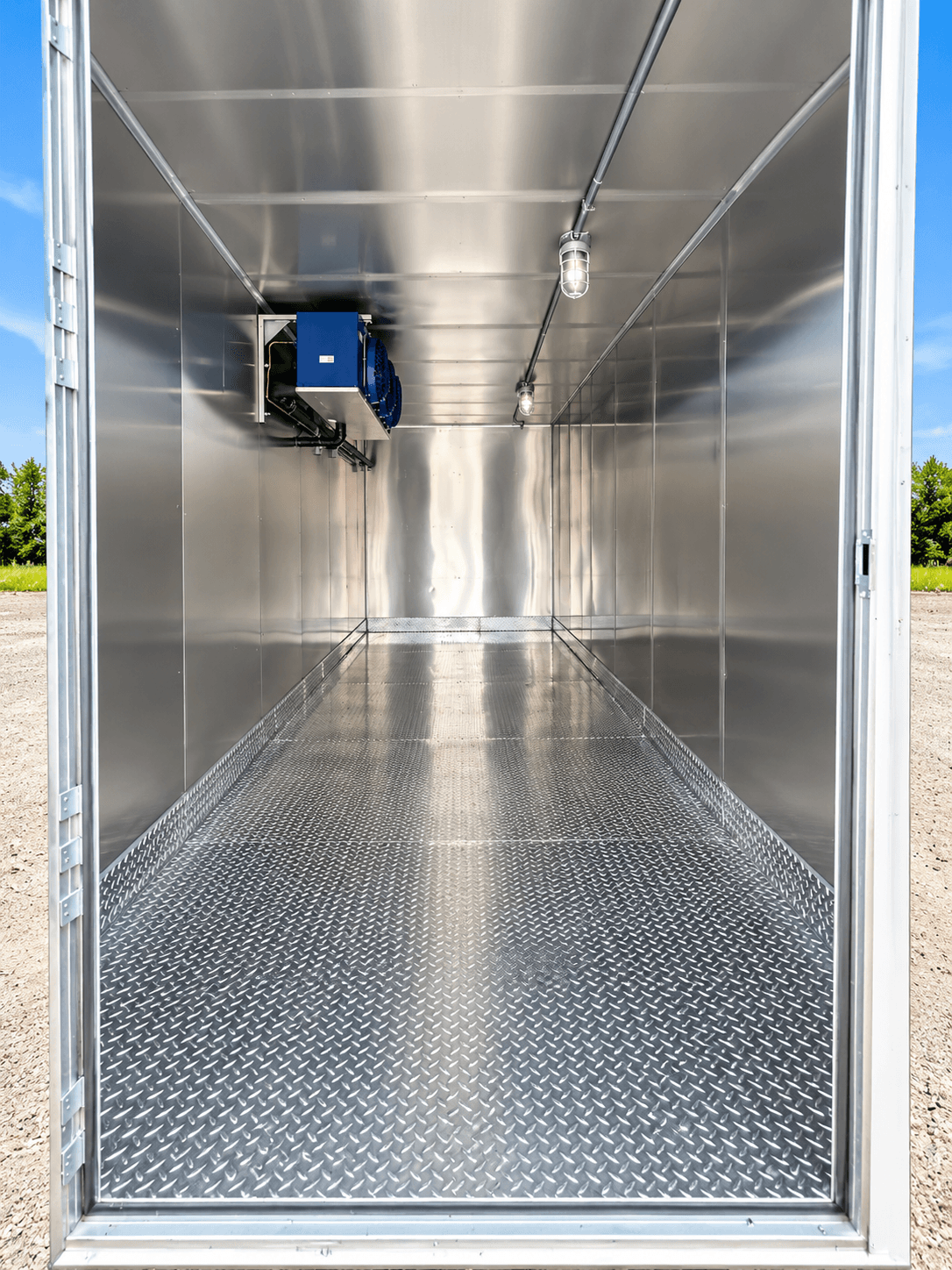
Compare the equipment
These published examples describe named company units. The supplied equipment, configuration and availability are confirmed for your project address.
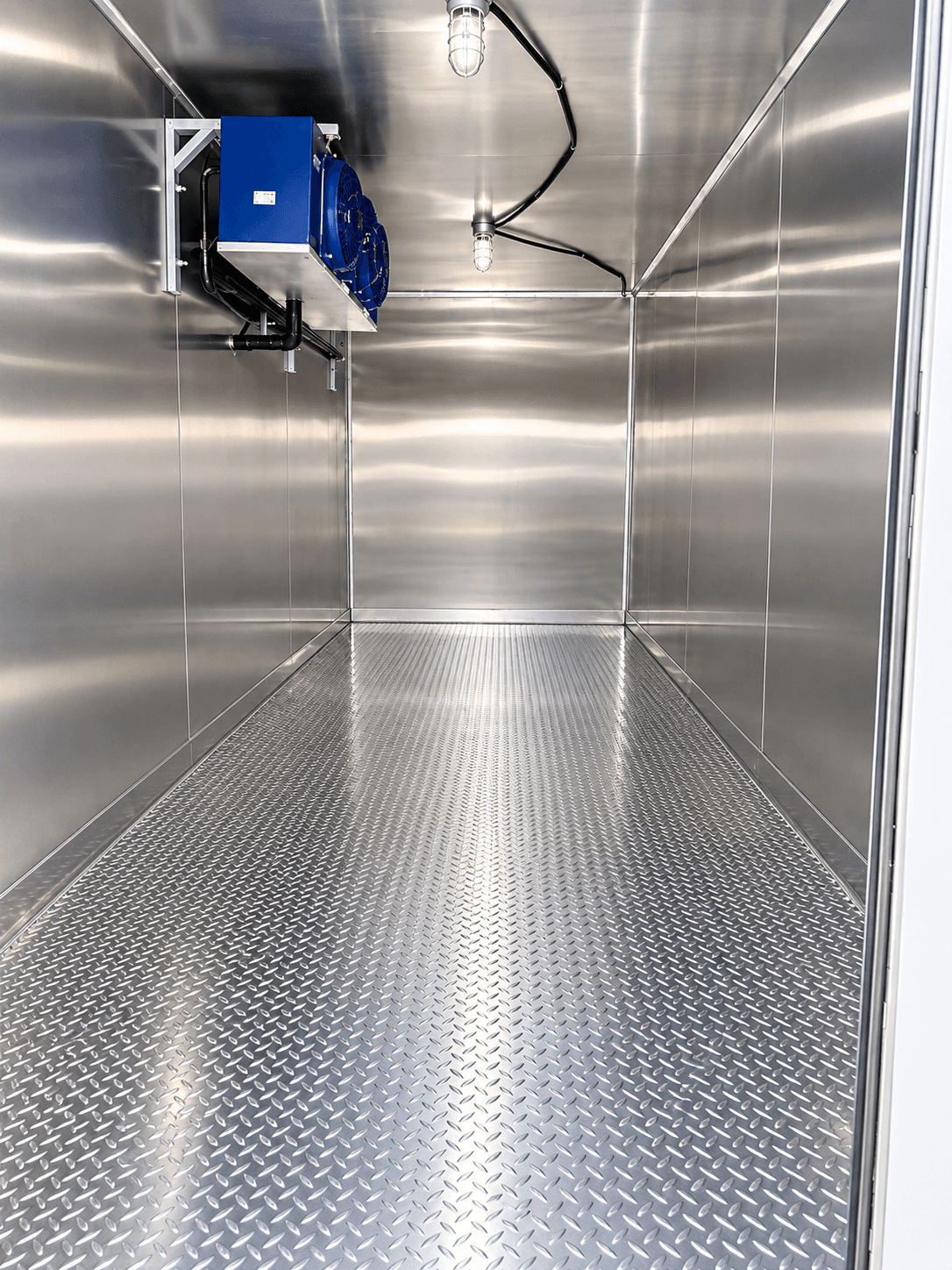
Listed refrigeration trailer equipment: condensing unit, amps panel, lighting.
Equipment records reviewed October 19, 2026. Temperature labels are inventory labels, not verified operating ranges. Nominal length is a model label, not a measure of usable space or site footprint.
A San Diego hospitality operation can use the same cold room for everyday meals and ingredients reserved for functions. During a refrigeration failure or refurbishment, temporary cold storage has to cover both demands. The largest supplier order may arrive before earlier supplies are used, so a cooler’s practical load can exceed the goods first moved out. Separate frozen products from chilled ingredients, then arrange frequently retrieved items so staff can reach them without moving the reserves each time.
The San Diego Convention Center describes catering in waterfront outdoor spaces, ballrooms and its Sails Pavilion. Its in-house kitchens also compost scraps and coordinate donations of unserved food. For an authorized event operation, those distinct service and clearing tasks help define the equipment period: ingredients arrive before guests, refrigeration supports preparation, and remaining products need a destination after service. The public dining space alone does not identify where the food is received or held.
The 20ft Refrigerated Trailer provides a named equipment comparison for this storage role. Unit BXRT20–1 lists 220V single-phase power at 40–60A; its NEMA plug type is not fully specified. Its 32°F inventory label is not an operating range. The actual offered unit’s connector, usable capacity and ability to hold the requested products need to match the working property.
A cold store used for frequent ingredient retrieval has a different access pattern from a freezer holding sealed reserve stock. A larger delivery can also change which goods remain within reach. Place the staff approach, receiving activity and preparation route on the same working layout, allowing for the property’s other operations. A trailer that fits at unloading still needs a useful entrance while stocked and in service.
The Convention Center’s published regulations direct freight to the event’s official service contractor or show management during contracted days; the building does not accept show freight as an ordinary parcel destination. Catering and concessions are exclusive venue services. For an authorized rental arrangement, receiving instructions therefore need to identify who accepts arrival and where equipment may operate. The same regulations distinguish approved electrical work and around-the-clock exhibit power arrangements. The offered refrigeration unit’s supply must remain suitable throughout storage, beyond public event hours.
El Cajon and Chula Vista have separate guides for work at those addresses. The San Diego arrangement should retain its own product load and operating position when several sites share a coordinator.
Where storage, cooking and washing all move, kitchen equipment supports the menu while dishwashing equipment handles the return of used service items. A dishwashing trailer needs both a dirty-item arrival point and a clean-item handover. Warewashing connections, available working space and the final return of pans remain separate decisions from refrigerated storage. A shared project does not mean one standard package or a common release date.
Food production operators in San Diego or Lemon Grove, California, may need an alternative product route when planned work restricts movement between receiving, preparation and dispatch areas. Review the handover between incoming deliveries and order preparation, identifying the records and staff contacts needed when products change location.
For a La Mesa function, the preparation site may be the place where ingredients need temporary refrigeration, even when guests gather elsewhere. Keep chilled products, frozen reserves and supplies arriving before service attached to that working property. The cooler or freezer should remain useful through the busiest overlap, rather than be selected from attendance alone. Packaging and retrieval frequency help explain the usable space needed.
Escondido’s March 31, 2025 library relocation notice is a dated example of a changed public destination, distinct from a food-preparation address. For equipment serving a separate Escondido site, the city guide provides the appropriate local starting point. A venue name and a receiving address should not be treated as interchangeable.
A Santee refurbishment can leave cooking available while its permanent cold room is closed. For a Lemon Grove catering operation, regular ingredients may overlap with advance function orders and stock remaining afterward. Refrigeration covers those products; a kitchen trailer becomes relevant where preparation itself closes. Dishwashing support follows reusable pans and utensils through the final clearing period, with the clean items routed back to the people who need them.
NOAA’s 1991–2020 normals for the San Diego Lindbergh Field station list a July high of 75.3°F and a low of 66.1°F, a narrow range because the ocean moderates the coast. A mild normal does not remove site questions: say whether the unit would sit in sun or shade, how often doors open during service, and what the surface and power supply are. NOAA’s statewide summary notes that inland areas vary more, so an inland address needs its own season check.
The Convention Center’s nearby-project summary, reviewed in August 2026, says the first phase of the Park Boulevard crossing work is complete and the next construction phase is expected to begin in 2027. That dated schedule is useful context for an extended downtown refrigeration arrangement. Current receiving instructions and the proposed equipment position need to reflect the work actually affecting the property when the rental begins; the public project schedule is not a route guarantee.
For a container comparison, the 20ft Refrigerated Container needs a confirmed usable interior, temperature capability and connection arrangement for the intended load. Its nominal length does not reveal those details. The planned season and surroundings belong alongside that unit information, particularly when a refurbishment changes the staff approach or receiving area while goods remain in cold storage.
The County of San Diego Department of Environmental Health has an undated procedures document for food facilities during a major disaster or emergency. For electrical outages it says an unopened refrigerator should stay at or below 41°F for up to 4 hours, while one whose door has been opened may do so for less than 2 hours. It does not approve keeping readily perishable food at room temperature, and it says food that has been above 41°F for over two hours should not be used.
Those figures explain why a failed unit becomes urgent so quickly. The document also tells operators to keep units closed and use clean ice, but it is a disaster-response summary, not a guide to renting equipment. A San Diego request should give the time the problem began, whether doors have been opened and which products are still cold, so the offered trailer or container can be matched to what remains.
A freezer or cooler can remain necessary after the public function ends or permanent refrigeration becomes usable. Reserved goods may transfer later than daily ingredients, while another supplier order arrives between those steps. The final collection point and the remaining refrigerated load determine when temporary equipment can be cleared. For dishwashing, the equivalent finish is the last used items cleaned and handed back, rather than the final meal served.
A San Diego proposal should set out the supplied refrigeration configuration, working period, transport, collection and responsibility for site connections. Separate cooking or washing facilities need their own equipment scope and change arrangements. The estimate multiplies the published range by your number of periods; the written quote confirms where in that range the rate falls. Request availability with the intended stock-transfer dates, including the final return inside, so short-term cover or a longer lease follows the full operating requirement.
Before you book
Describe their products and handling patterns separately, then identify the busiest overlap. Keep required conditions clear and include everyday orders continuing alongside functions. This gives equipment selection the complete storage task rather than consider event supplies without the regular goods still needing another location.
The public venue may differ from the place where goods are received and stored. Attach the actual working address to those products and their period of use. This helps the equipment and transport proposal follow the preparation task rather than assuming the event address identifies the right destination.
Describe what stays held, when it returns to normal storage and the supplier orders arriving between those steps. This connects the proposed period with actual use of the store rather than only guest hours. Confirm the commercial terms in the quote before relying on an arrangement.
County guidance says an unopened refrigerator may stay at or below 41°F for up to four hours and an opened one for less than two. Your unit and its contents may differ, so measure temperatures and call as soon as you see a failure. A person answers rental inquiries around the clock, but availability and delivery timing are confirmed in the quote.
These public references inform the planning examples; equipment availability and delivery arrangements are confirmed for your address.
Temporary refrigeration, kitchens and dishwashing can support many kinds of food-service operations. Each setting below starts with its own schedule, stock and site questions, and every project is reviewed individually.
Hotels, restaurants and resorts can plan temporary refrigeration around breakfast, banquet and dinner service when a walk-in cooler fails or a kitchen is refurbished.
Hospital, nursing home and care-facility kitchens can describe meal schedules, delivery times and displaced stock so temporary storage follows the food-service routine.
Municipal, county and public-building food-service teams can outline receiving arrangements, responsible contacts and project dates before a quote is prepared.
Dining facility managers can explain the products displaced, the receiving arrangements and the proposed period, then review availability and terms with our team.
Schools, colleges and universities can plan around term dates, serving windows and campus kitchen renovations so meal service can continue during repairs or construction.
Plant cafeterias and employee dining areas can describe shift patterns and staged building work so temporary cold storage can be reviewed against the working schedule.
Caterers and venues can plan preparation windows, event days and overflow ingredients, and describe how stock moves between storage, the kitchen and service.
Producers, wholesalers and distributors can describe loading, staging and storage needs when a cooler breaks down or demand temporarily exceeds capacity.
These examples describe planning situations. Equipment, availability and terms are confirmed in a project quote.
Cold storage is only one part of a project. These are the questions we work through with you before anything is booked.
Start with refrigerated containers and refrigeration trailers, then add a temporary kitchen or dishwashing trailer when the project needs one, all in a single conversation.
Access, utilities and the intended position are reviewed before delivery is arranged, so the equipment is matched to your site rather than the other way around.
Whether a walk-in cooler failed this morning or a renovation is months away, describe the real situation and plan around the stock, dates and people involved.
Planning guides cover all 50 states and more than 700 cities. Your address is then confirmed for equipment and delivery.
Use the rental calculator for a rate-range estimate and setup amount, then request a project quote that confirms availability, transport and the rental period.