BXRT20–1Refrigerated trailer
- Nominal length
- 20ft
- Listed electrical supply
- 220V · single-phase · 40–60A
- Inventory temperature label
- 32°F
Temporary cold storage in San Bernardino, California
For San Bernardino refrigeration rentals, explain what the failed walk-in cooler was holding before choosing a replacement arrangement. Emergency breakdowns and planned construction or renovation can also affect kitchen and dishwashing work, which should be described separately. Worldwide Refrigerated Container Rental Facilities supports commercial and industrial inquiries, including a commercial batch caterer. Short-term hire and longer leasing periods should cover the first removal of goods through their return to accepted permanent facilities. Provide details of raw ingredients, finished trays and an untouched reserve order, the site address, requested conditions and available access for delivery coordination. Request availability and a quote based on that operating plan.
Emergency cooler or freezer failure in San Bernardino? A person answers rental inquiries 24/7. Availability and delivery timing are confirmed in your quote.
Plan your rental budget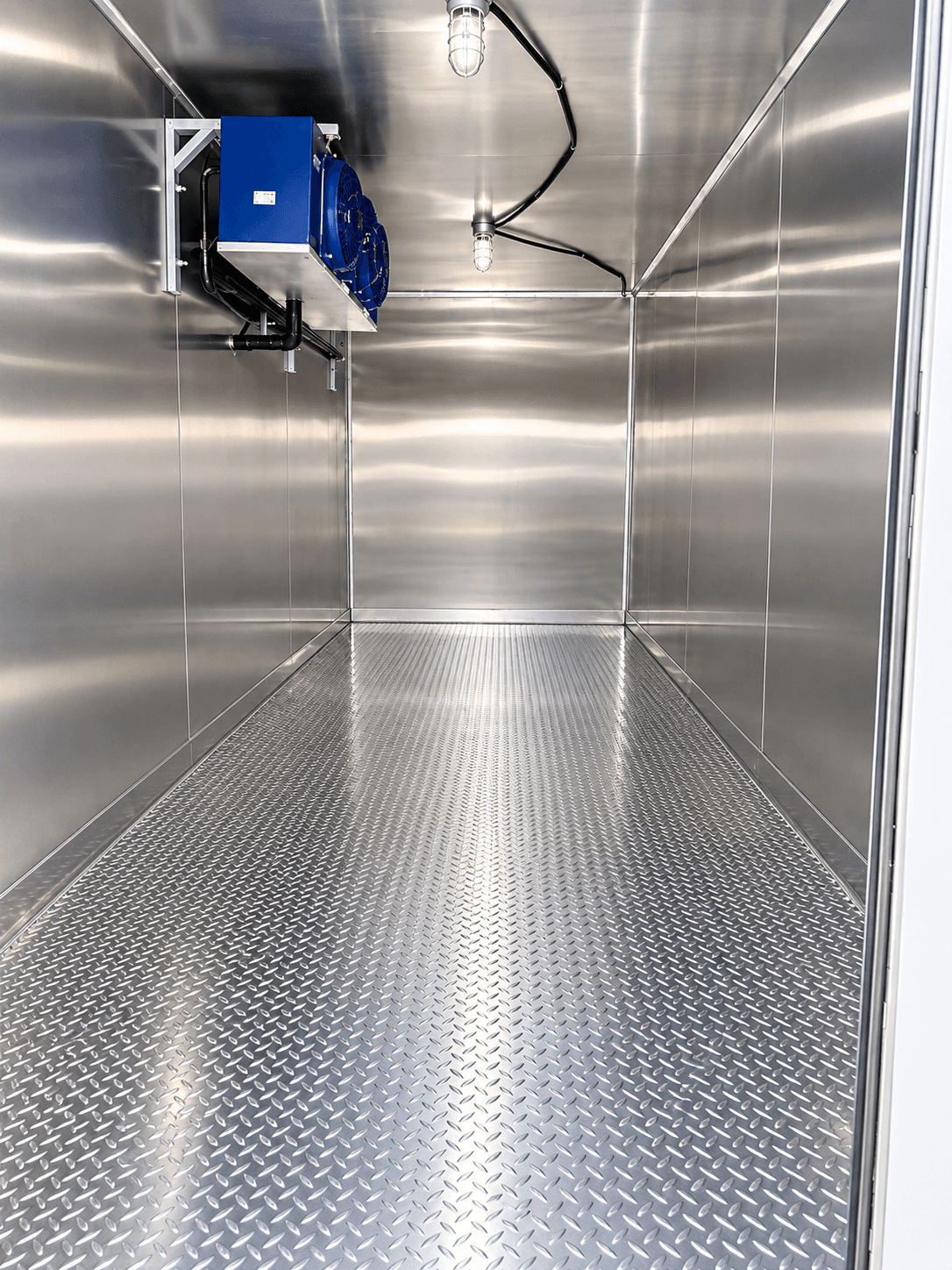
Compare the equipment
These published examples describe named company units. The supplied equipment, configuration and availability are confirmed for your project address.
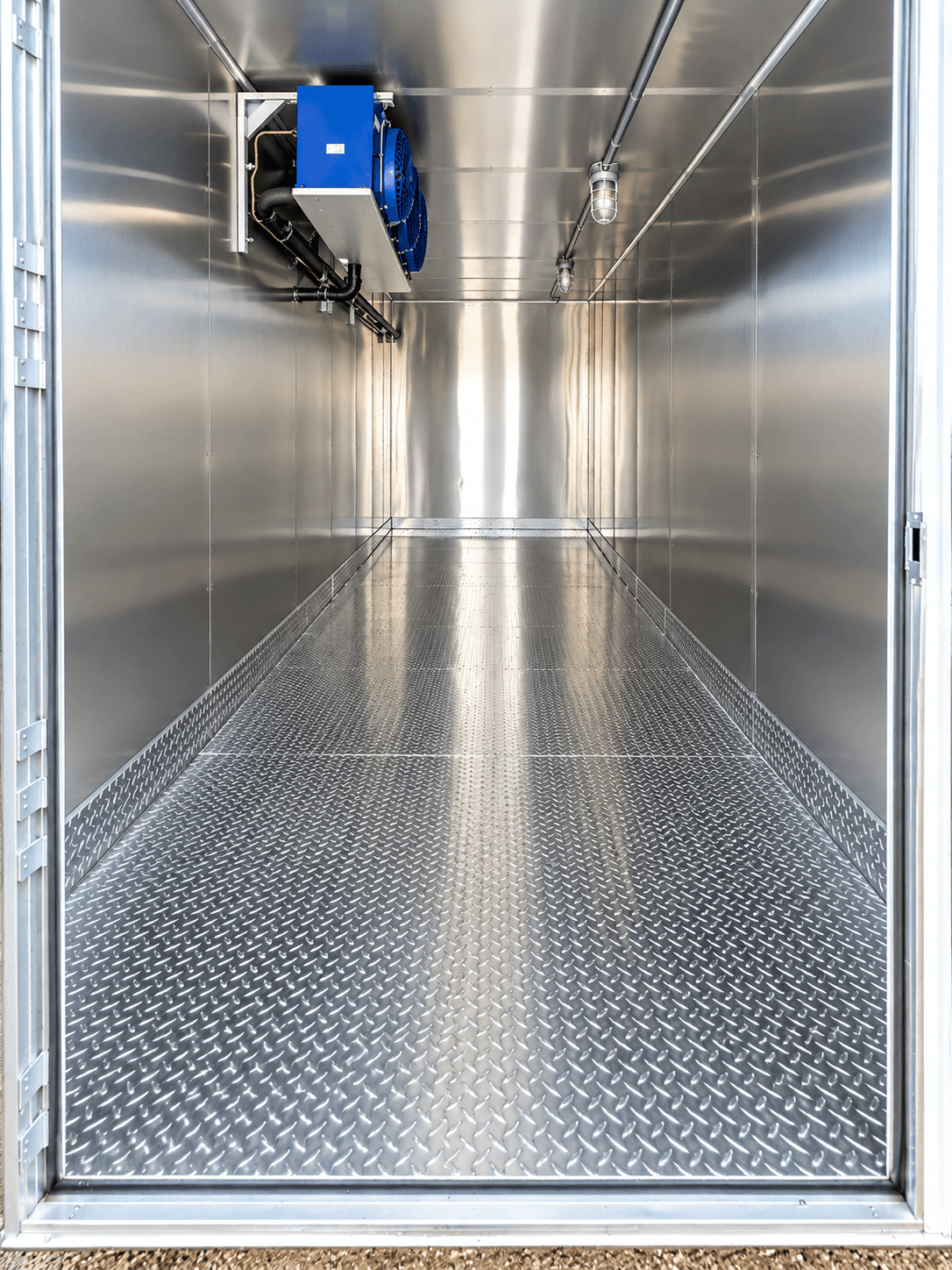
Listed refrigeration trailer equipment: condensing unit, amps panel, lighting.
Equipment records reviewed October 19, 2026. Temperature labels are inventory labels, not verified operating ranges. Nominal length is a model label, not a measure of usable space or site footprint.
Consider a San Bernardino request involving a refrigeration shutdown halfway through a production run. Count the trays awaiting dispatch separately from the ingredients needed for the next run. The replacement request should show what must be accessed repeatedly and what can remain undisturbed until collection. Note which refrigeration equipment is unavailable and who can describe the remaining goods. A photograph of the original room cannot show the full operating requirement. The National Hurricane Center documents Hilary’s effects across Southern California in August 2023.
A batch operation should not lose its dispatch order when refrigeration fails. Label completed trays by departure, and keep those groups separate from ingredients waiting for the next production run. Tell the proposal which goods need repeated retrieval and which can remain untouched until a later release; the same total volume can conceal very different access needs.
To turn this local picture of food-service operations into an equipment shortlist, start with the 20ft Refrigerated Container guide and its notes on protection for the power connection and after-hours access to the unit.
A May 19, 2026 county agenda item concerns a Phase 1 progressive design-build contract for replacing Public Works headquarters in the city of San Bernardino. A contract phase is not a completion announcement. The practical lesson for San Bernardino food operations is to distinguish a construction milestone from permission to receive goods. A refrigerated position should be reviewed against the operator’s own start date. No participation in the named public project, or requirement for rented storage there, is claimed.
Nearby guides can help frame your questions. Fontana’s guide covers site transitions, citing the City of Fontana entry “2025 annual report”. For a different working situation, Jurupa Valley’s guide covers phased work, citing the City of Jurupa Valley entry “March 19, 2026 City Hall study”. Neither guide describes San Bernardino itself, and both depend on their own site details.
A construction milestone can be followed by a lengthy commissioning and stock-build period. For the commercial kitchen, identify when trial production ends and routine receiving starts. Put dishwashing into that review if the opening changes how utensils return. The refrigerated load should follow the maximum stock held between those steps, with the operating manager confirming the sequence.
A catering team in San Bernardino or Colton, California, may need an alternative ingredient receiving position when venue preparation temporarily blocks its normal service route. Check how ingredient orders, preparation tasks and serving periods fit together before asking for an equipment arrangement based on the actual menu.
Plan a production-room floor replacement in San Bernardino around the affected stock. Demolition and curing can make the usual entrance unusable before the permanent equipment is removed. Agree the order of stock moves with the contractor before a large new supplier order is booked. The refrigerated position needs a definite purpose in each stage, with remaining permanent storage identified before the work area is isolated.
Before a production floor is stripped, identify the last batch that can be completed inside and the first batch due after the work. The kitchen team needs that boundary before ordering ingredients, and dishwashing needs a workable return area. Review refrigeration through cleaning and acceptance of the renewed room, not only the days when installation crews are present.
Keep the receiving information specific to the property in San Bernardino, including pallet movement through a narrow yard. Nearby inquiries from Rialto, Colton or Loma Linda can involve different gates, landlords and food movements. Use the working address, receiving entrance and staff approach to review the proposed equipment position.
A narrow yard can become unusable when pallets and vehicles wait in the same place. Measure the proposed refrigerated position and show the receiver where stock will be carried after the vehicle leaves. Check cold-storage connections against that position, with the property manager resolving any conflict with the dispatch area before an arrangement is confirmed.
Give the San Bernardino request a measurable endpoint: the production cycle that must fit between two site closures. The products, required conditions and peak quantity belong beside that schedule. A refrigerated proposal should identify what is included in the rental period and what changes if the operator cannot empty the unit when originally planned.
Give the San Bernardino request the actual production cycle that cannot be interrupted. Ask how the quote treats a changed finishing date if stock remains outside for another batch. Current refrigeration charges should be written with the delivery, collection and connection responsibilities, so the comparison does not combine one supplier’s equipment figure with another scope of site work.
Before you book
Describe raw ingredients, finished trays and an untouched reserve order and the production cycle that must fit between two site closures. Explain the failed refrigeration, current goods and required conditions, with the first supplier arrival and the person making the receiving decision. That gives the proposal an operating sequence to review.
For a commercial batch caterer, assign separate destinations to production stock and completed orders. Kitchen and dishwashing requests depend on the functions actually displaced. Review the refrigerated position against the full work period, including the final stock return and any change to the accepted program.
Review pallet movement through a narrow yard with the actual San Bernardino property representative and identify raw ingredients, finished trays and an untouched reserve order. Current refrigeration availability and rental terms depend on that inquiry. The cited public work provides local background without establishing a customer relationship or an arrangement at this site.
These public references inform the planning examples; equipment availability and delivery arrangements are confirmed for your address.
Temporary refrigeration, kitchens and dishwashing can support many kinds of food-service operations. Each setting below starts with its own schedule, stock and site questions, and every project is reviewed individually.
Hotels, restaurants and resorts can plan temporary refrigeration around breakfast, banquet and dinner service when a walk-in cooler fails or a kitchen is refurbished.
Hospital, nursing home and care-facility kitchens can describe meal schedules, delivery times and displaced stock so temporary storage follows the food-service routine.
Municipal, county and public-building food-service teams can outline receiving arrangements, responsible contacts and project dates before a quote is prepared.
Dining facility managers can explain the products displaced, the receiving arrangements and the proposed period, then review availability and terms with our team.
Schools, colleges and universities can plan around term dates, serving windows and campus kitchen renovations so meal service can continue during repairs or construction.
Plant cafeterias and employee dining areas can describe shift patterns and staged building work so temporary cold storage can be reviewed against the working schedule.
Caterers and venues can plan preparation windows, event days and overflow ingredients, and describe how stock moves between storage, the kitchen and service.
Producers, wholesalers and distributors can describe loading, staging and storage needs when a cooler breaks down or demand temporarily exceeds capacity.
These examples describe planning situations. Equipment, availability and terms are confirmed in a project quote.
Cold storage is only one part of a project. These are the questions we work through with you before anything is booked.
Start with refrigerated containers and refrigeration trailers, then add a temporary kitchen or dishwashing trailer when the project needs one, all in a single conversation.
Access, utilities and the intended position are reviewed before delivery is arranged, so the equipment is matched to your site rather than the other way around.
Whether a walk-in cooler failed this morning or a renovation is months away, describe the real situation and plan around the stock, dates and people involved.
Planning guides cover all 50 states and more than 700 cities. Your address is then confirmed for equipment and delivery.
Use the rental calculator for a rate-range estimate and setup amount, then request a project quote that confirms availability, transport and the rental period.