BXRT20–1Refrigerated trailer
- Nominal length
- 20ft
- Listed electrical supply
- 220V · single-phase · 40–60A
- Inventory temperature label
- 32°F
Temporary cold storage in Vallejo, California
Vallejo refrigeration rentals can address emergency stock space after a commercial walk-in failure or a planned storage gap during building work. Worldwide Refrigerated Container Rental Facilities reviews cooler and freezer requirements alongside kitchen and dishwashing needs where preparation or cleaning changes. Explain the refrigerated products, supplier pattern and rooms affected before comparing a short rental with a longer lease. Equipment, connections and delivery coordination depend on the actual property and operating dates. Send the Vallejo address and project brief to request availability and a quotation covering the proposed scope.
Emergency cooler or freezer failure in Vallejo? A person answers rental inquiries 24/7. Availability and delivery timing are confirmed in your quote.
Plan your rental budget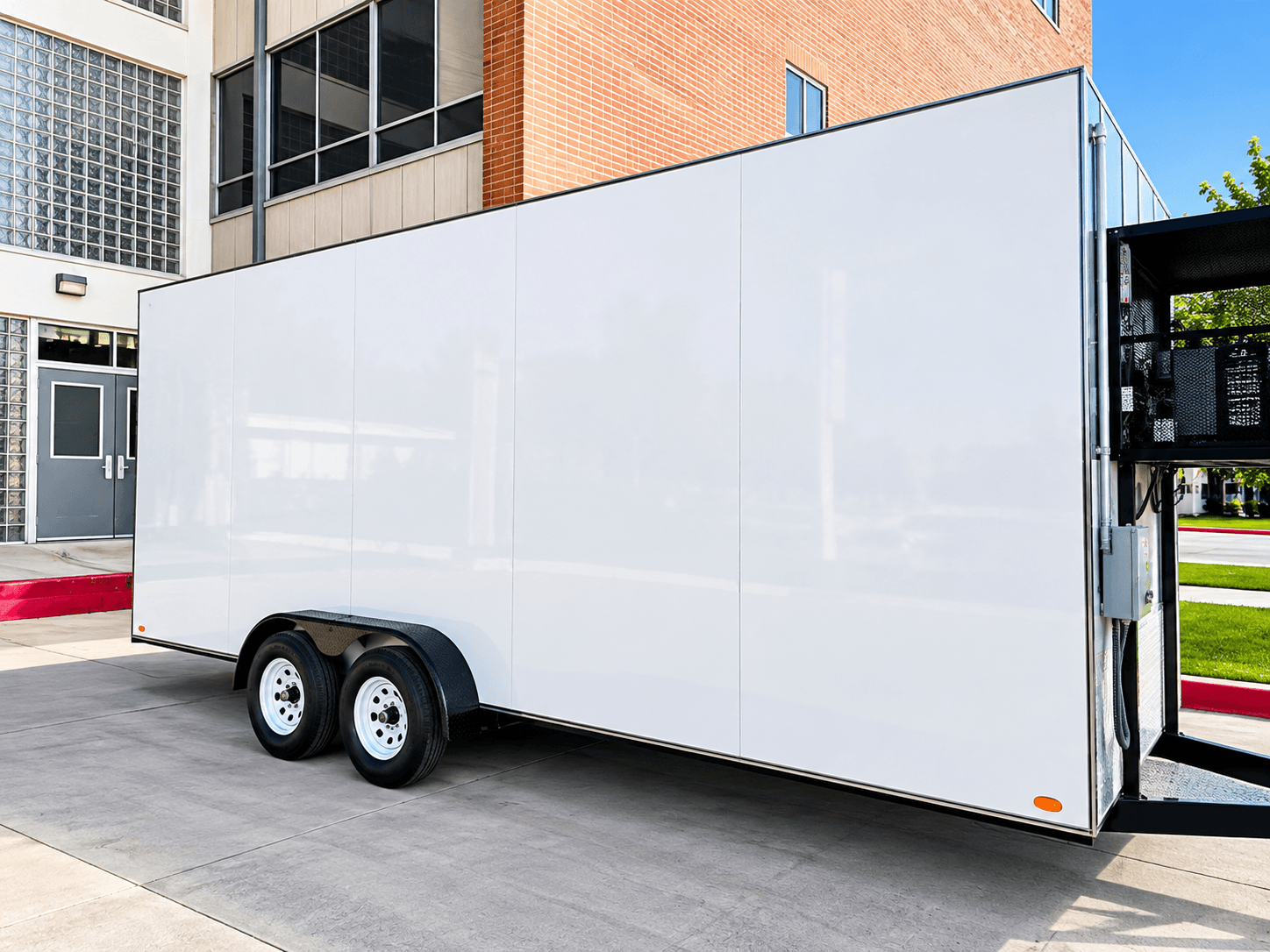
Compare the equipment
These published examples describe named company units. The supplied equipment, configuration and availability are confirmed for your project address.
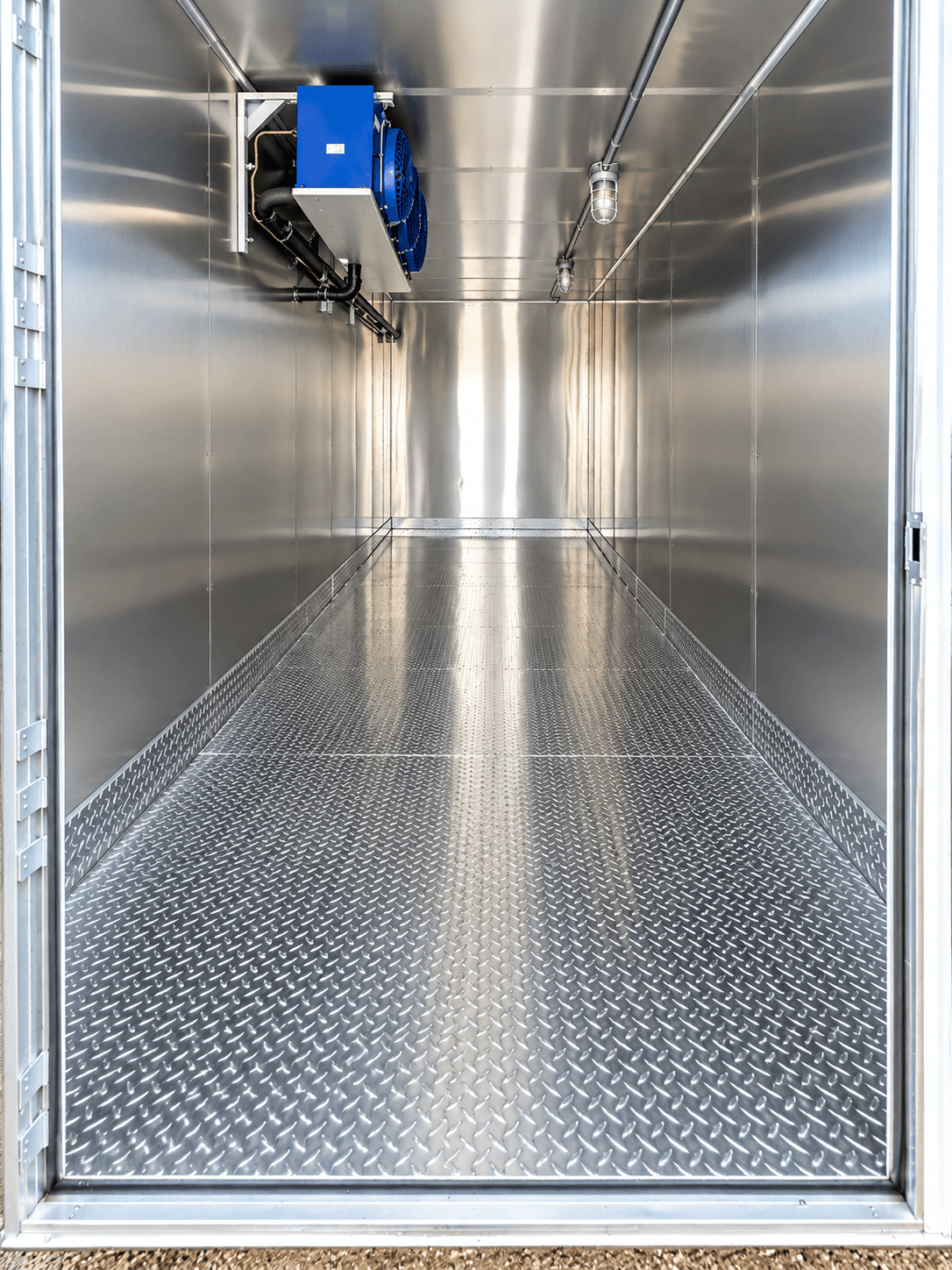
Listed refrigeration trailer equipment: condensing unit, amps panel, lighting.
Equipment records reviewed October 19, 2026. Temperature labels are inventory labels, not verified operating ranges. Nominal length is a model label, not a measure of usable space or site footprint.
An unexpected refrigeration fault can leave the next delivery larger than the stock initially displaced. Include both in the first brief and identify remaining usable stores. California’s NOAA summary documents wildfire history. That background supports preparedness without establishing a particular outage at your address; the property’s procedures determine whether operations and product movements continue.
Explain any reduced kitchen workload and the ingredients staff need throughout the day. If dishwashing access changes, describe clean-item returns separately from refrigerated receiving. The temporary arrangement should be discussed against that routine, including packaging and access frequency, so the equipment conversation remains useful while the repair duration is being assessed.
To turn this local picture of commercial building work into an equipment shortlist, start with the 12ft Refrigerated Trailer guide and its notes on which stock must move first and the power connection to confirm before delivery.
Vallejo’s proposed FY2025–26 through FY2029–30 capital programme separates project funding from estimated later-year expenditure. Its water-system entries include repairs and pump-station work. The document is a dated public planning record, not confirmation of current construction conditions or a refrigeration contract. For your own project, identify what is approved and what remains provisional.
Readers in Vallejo may also want to compare how other nearby cities approach their projects. Richmond’s guide focuses on commercial projects, and a separate reading is Napa’s guide on food-service renovations, citing the City of Napa entry “Downtown Parking Garage Feasibility Study”. Each reflects its own property and schedule, so confirm your Vallejo details separately.
A building schedule becomes useful to the rental inquiry when it shows the first refrigerated delivery and the point permanent storage can be used. Include trial service, site access and the expected stock overlap. Refrigeration can then be discussed against the operating gap, rather than a broad capital programme covering several unrelated stages.
For government food-service planning in Vallejo or American Canyon, California, public building access and employee receiving activity may need separate consideration within the proposed temporary equipment arrangement. Include the supplier timetable and ingredient movements so the agency's review considers daily food-service activity alongside the proposed rental dates.
A Solano County April 23, 2024 agenda report describes an early-learning-centre renovation involving a former school property in Vallejo. It distinguishes acquisition and transfer milestones from renovation phases. This public adaptation example provides local context only, without identifying company customers or a confirmed equipment requirement.
A further point of reference is Fairfield’s guide, which covers planning during commercial refurbishment. Compare its questions with your own schedule and property.
An American Canyon programme planning meals for several activities needs to explain whether the same kitchen supplies all of them. A Hercules coordinator working from separate premises may instead have independent receiving orders. Keep those operational responsibilities clear for Vallejo rather than merging goods simply because one organization buys them. If dishwashing moves, identify where cleaned equipment returns for each activity. The refrigerated-stock account should distinguish current ingredients from reserves for a later session and show who authorizes their transfer back. A temporary cooler must be discussed against the actual overlap of those groups, including deliveries due during reopening.
A Benicia destination needs its own entrance information even where the same facilities team also handles Vallejo. Show the complete address, proposed cold-storage position and vehicle approach. Useful measurements and photographs of gates, surfaces and overhead restrictions help the receiving contact answer practical questions before transport is arranged.
Review the refrigeration equipment’s proposed services alongside that position. Identify who approves the working area and how contractor changes are communicated. Account for emergency access, routine unloading and waste collection, then consider the route staff use to retrieve products repeatedly. A usable arrival plan should remain a usable operating plan throughout the rental period.
A Vallejo refrigeration proposal should identify the unit, intended period, address-specific transport and site responsibilities. Separate the earliest stock need from an estimated completion date and ask how extensions or changed collection dates are handled. Include refrigerated products that remain during the transfer back, since contractor completion alone may not end temporary use.
If kitchen provision or dishwashing is requested, describe the workload and dates for each function separately. The calculator estimates a range from published rates and adds a setup and delivery starting amount, while collection, taxes and site charges stay separate. Compare the written scope with the receiving brief and latest programme so the equipment agreement follows the transition your business expects to make.
Before you book
Give the firm first-use date and explain what controls the estimate. Request clear extension and collection terms. Availability and any later change to equipment or period need confirmation rather than being assumed from the first conversation.
It explains the actual refrigerated gap. A remaining cooler or freezer can change which products need temporary accommodation and how often staff enter it. Include incoming deliveries as well as goods already displaced.
It supplies public, dated adaptation context only. Company involvement, equipment demand and present site conditions have not been established. Your Vallejo inquiry is reviewed using its own property, stock and dates.
These public references inform the planning examples; equipment availability and delivery arrangements are confirmed for your address.
Temporary refrigeration, kitchens and dishwashing can support many kinds of food-service operations. Each setting below starts with its own schedule, stock and site questions, and every project is reviewed individually.
Hotels, restaurants and resorts can plan temporary refrigeration around breakfast, banquet and dinner service when a walk-in cooler fails or a kitchen is refurbished.
Hospital, nursing home and care-facility kitchens can describe meal schedules, delivery times and displaced stock so temporary storage follows the food-service routine.
Municipal, county and public-building food-service teams can outline receiving arrangements, responsible contacts and project dates before a quote is prepared.
Dining facility managers can explain the products displaced, the receiving arrangements and the proposed period, then review availability and terms with our team.
Schools, colleges and universities can plan around term dates, serving windows and campus kitchen renovations so meal service can continue during repairs or construction.
Plant cafeterias and employee dining areas can describe shift patterns and staged building work so temporary cold storage can be reviewed against the working schedule.
Caterers and venues can plan preparation windows, event days and overflow ingredients, and describe how stock moves between storage, the kitchen and service.
Producers, wholesalers and distributors can describe loading, staging and storage needs when a cooler breaks down or demand temporarily exceeds capacity.
These examples describe planning situations. Equipment, availability and terms are confirmed in a project quote.
Cold storage is only one part of a project. These are the questions we work through with you before anything is booked.
Start with refrigerated containers and refrigeration trailers, then add a temporary kitchen or dishwashing trailer when the project needs one, all in a single conversation.
Access, utilities and the intended position are reviewed before delivery is arranged, so the equipment is matched to your site rather than the other way around.
Whether a walk-in cooler failed this morning or a renovation is months away, describe the real situation and plan around the stock, dates and people involved.
Planning guides cover all 50 states and more than 700 cities. Your address is then confirmed for equipment and delivery.
Use the rental calculator for a rate-range estimate and setup amount, then request a project quote that confirms availability, transport and the rental period.