BXRT20–1Refrigerated trailer
- Nominal length
- 20ft
- Listed electrical supply
- 220V · single-phase · 40–60A
- Inventory temperature label
- 32°F
Temporary cold storage in Redding, California
Redding refrigeration trailer rentals can help commercial food-service teams plan replacement space after a walk-in or cooling unit breaks down. Refrigerated containers may also be considered for a planned shutdown, together with mobile kitchen and dishwashing support where preparation or cleaning is displaced. Restaurants, institutional caterers and industrial operators can discuss short rentals or longer lease arrangements. Delivery coordination depends on the actual property entrance, placement permission and connections reviewed for the proposed equipment. Tell us what remains operational and what the repair team has established, then request availability and a quote from Worldwide Refrigerated Container Rental Facilities for your Redding location.
Emergency cooler or freezer failure in Redding? A person answers rental inquiries 24/7. Availability and delivery timing are confirmed in your quote.
Plan your rental budget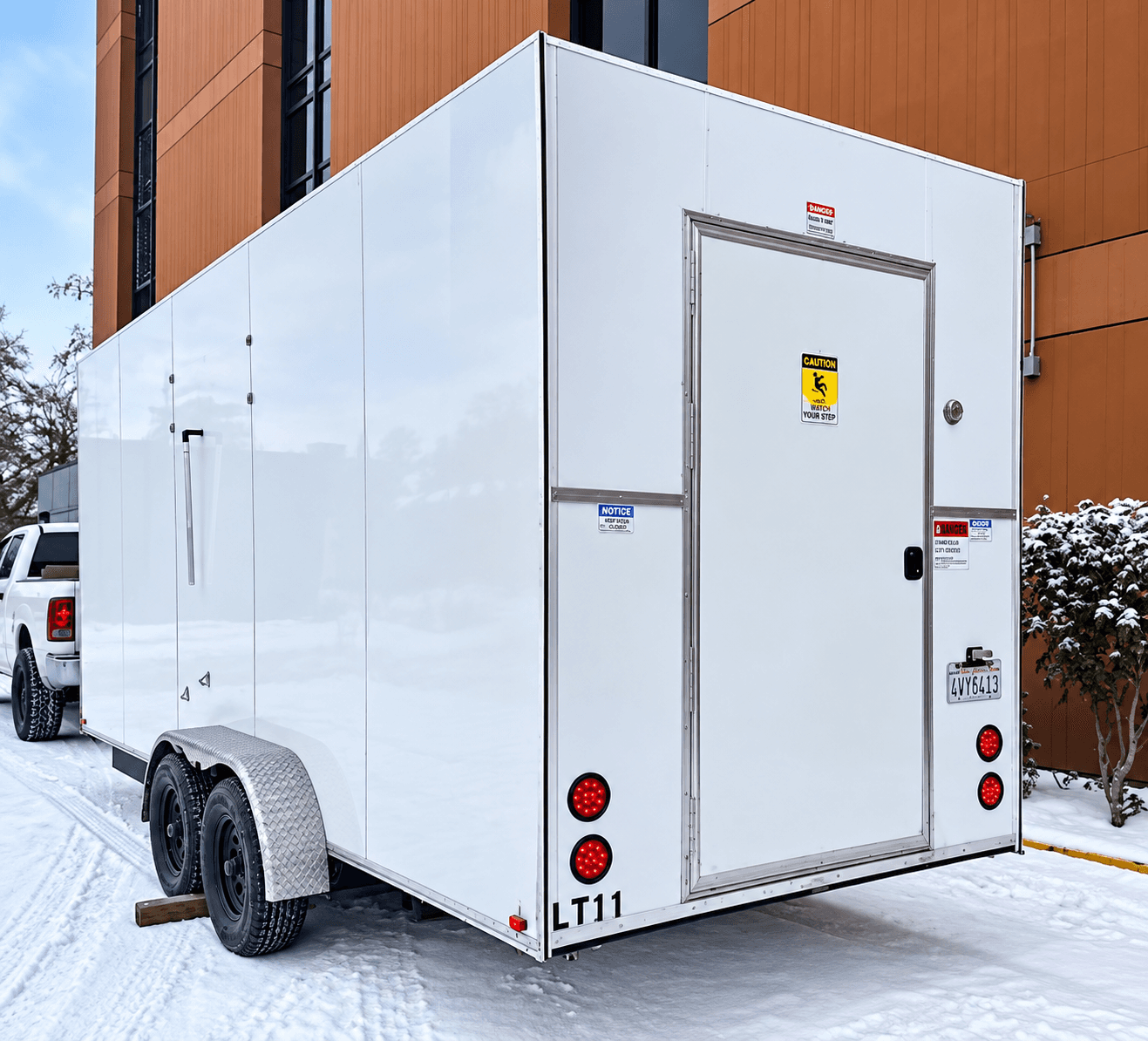
Compare the equipment
These published examples describe named company units. The supplied equipment, configuration and availability are confirmed for your project address.
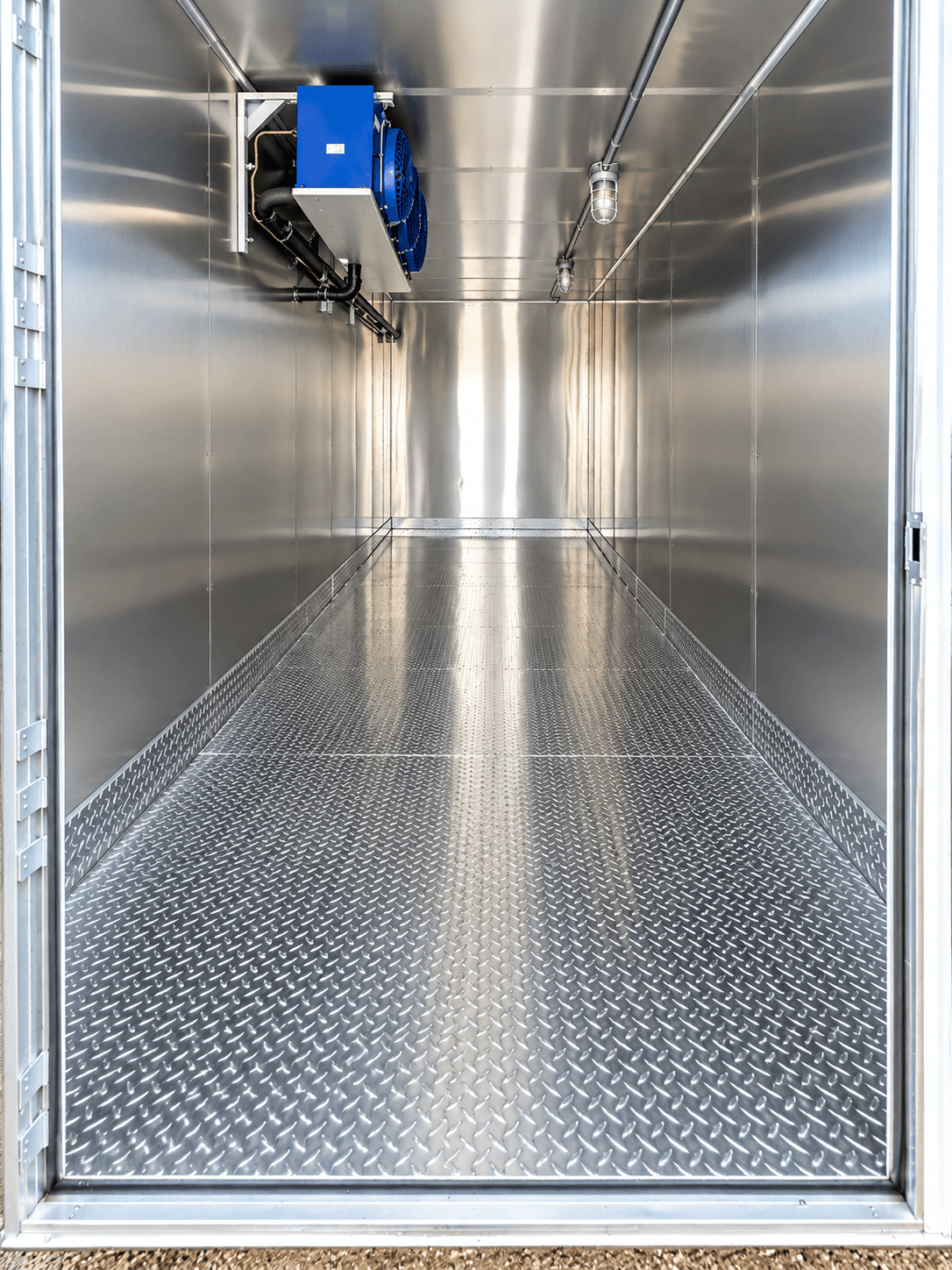
Listed refrigeration trailer equipment: condensing unit, amps panel, lighting.
Equipment records reviewed October 19, 2026. Temperature labels are inventory labels, not verified operating ranges. Nominal length is a model label, not a measure of usable space or site footprint.
NOAA’s California summary describes the state’s severe 2014–2015 drought in historical context. It does not establish conditions at an individual Redding business or prove why equipment failed. A practical interruption review instead starts with the information that survives the incident: current receiving records, stock locations, repair advice and the person authorized to decide what can be moved into temporary refrigeration.
When some storage still works, inventory that usable space before assuming the entire refrigeration operation must move. Record products awaiting review separately from goods approved for continued handling. A shared purchasing office in Shasta Lake should identify which stock actually belongs at the Redding property. This prevents a replacement-storage inquiry from combining two businesses’ quantities or treating an administrative address as a delivery destination.
To turn this local picture of repair and recovery plans into an equipment shortlist, start with the 12ft Refrigerated Trailer guide and its notes on the power connection to confirm before delivery and how to rotate stock in a small interior.
The City of Redding’s runway-rehabilitation page records Council approval of a construction contract on May 6, 2025, with work intended to begin that October. This provides dated transport-infrastructure context; it is not a current road report or evidence of a refrigeration requirement at the airport. A project’s published start should remain tied to its source and date.
Two nearby cities approach their projects differently. Chico’s guide addresses commercial storage changes, citing the City of Chico entry “FY2023–24 capital programme”, while the guide for operators in Yuba City addresses commercial storage changes, citing the Caltrans entry “Route 99 project 03-4H8704 near Yuba City”. Those are separate sites with separate requirements, so use them only as prompts for your Redding request.
For a separate commercial build, identify the construction stage that displaces your own storage rather than copying the public project timetable. A temporary refrigerated arrangement might be needed for an electrical changeover even while the rest of a building remains accessible. Ask the contractor to specify that boundary, the person confirming readiness and any later stage that could interrupt the newly restored area again.
For food distribution teams in Redding or Shasta Lake, California, staggered customer collections may require continued access to reserved stock while temporary equipment is being positioned. Identify the operator's product handling requirements, then map how delivery records will remain linked to stock as its location changes.
A repair can restore one room while another remains unavailable. Plan a staged return based on the operator’s acceptance of each storage area, including how incoming goods will be assigned between permanent and temporary locations. Make the allocation visible to the receiving shift. Otherwise staff can continue filling the rental space after the renewed room opens, obscuring when the temporary requirement actually ends.
Kitchen replacement and dishwashing repairs may create a different sequence from the storage work. A catering manager coordinating an Anderson operation should identify whether its preparation remains separate or is part of a real stock-transfer plan. If Red Bluff is involved in regional purchasing, record the destination and the authority accepting each delivery instead of assuming one named coordinator controls every property.
For Redding delivery review, photograph the route inside the gate, the proposed refrigeration position and any change in level along the staff path. Ask the site representative to verify clearance and ground conditions for the actual equipment. Temporary fencing, parked contractor vehicles and materials stored between inspections can change a placement that initially appeared workable.
Keep a named receiver responsible for checking that the agreed position remains available before the delivery appointment. If the operator proposes a different entrance after work begins, send the revised information for review rather than relying on the old drawing. The same discipline applies at collection: a restored building can still have scaffolding or temporary barriers along the removal path.
A Redding cold-storage quote should explain the repair diagnosis, the next reassessment and the earliest date the operator expects to transfer goods indoors. Include the quantity held overnight and any receiving peak that increases it. If kitchen or dishwashing support is also requested, say whether those services need to continue after the storage room returns to use.
Request a written explanation of proposed equipment, availability, rental-period charges and address-specific transport. Discuss how an extension is reviewed if the repair outcome remains uncertain. A calculator starting figure cannot establish a final refrigeration term or delivery commitment. Keep collection conditional on an agreed stock-return plan so the temporary refrigerated unit is not released while the business still depends on it.
Before you book
Describe the actual stock and the working storage retained. The failed room’s dimensions can help, but they do not establish the usable layout of a proposed refrigerated unit or how your staff will access goods during the interruption.
Yes, label it provisional and name the next diagnostic or acceptance step. Ask how the refrigeration rental proposal handles a changed period, rather than treating a contractor’s first estimate as a confirmed return-to-service date.
Tell the quote team before collection arrangements are finalized. Supply updated photographs and identify the person who can clear the route. Delivery access and later collection access both need to be considered in the site plan.
These public references inform the planning examples; equipment availability and delivery arrangements are confirmed for your address.
Temporary refrigeration, kitchens and dishwashing can support many kinds of food-service operations. Each setting below starts with its own schedule, stock and site questions, and every project is reviewed individually.
Hotels, restaurants and resorts can plan temporary refrigeration around breakfast, banquet and dinner service when a walk-in cooler fails or a kitchen is refurbished.
Hospital, nursing home and care-facility kitchens can describe meal schedules, delivery times and displaced stock so temporary storage follows the food-service routine.
Municipal, county and public-building food-service teams can outline receiving arrangements, responsible contacts and project dates before a quote is prepared.
Dining facility managers can explain the products displaced, the receiving arrangements and the proposed period, then review availability and terms with our team.
Schools, colleges and universities can plan around term dates, serving windows and campus kitchen renovations so meal service can continue during repairs or construction.
Plant cafeterias and employee dining areas can describe shift patterns and staged building work so temporary cold storage can be reviewed against the working schedule.
Caterers and venues can plan preparation windows, event days and overflow ingredients, and describe how stock moves between storage, the kitchen and service.
Producers, wholesalers and distributors can describe loading, staging and storage needs when a cooler breaks down or demand temporarily exceeds capacity.
These examples describe planning situations. Equipment, availability and terms are confirmed in a project quote.
Cold storage is only one part of a project. These are the questions we work through with you before anything is booked.
Start with refrigerated containers and refrigeration trailers, then add a temporary kitchen or dishwashing trailer when the project needs one, all in a single conversation.
Access, utilities and the intended position are reviewed before delivery is arranged, so the equipment is matched to your site rather than the other way around.
Whether a walk-in cooler failed this morning or a renovation is months away, describe the real situation and plan around the stock, dates and people involved.
Planning guides cover all 50 states and more than 700 cities. Your address is then confirmed for equipment and delivery.
Use the rental calculator for a rate-range estimate and setup amount, then request a project quote that confirms availability, transport and the rental period.