BXRT20–1Refrigerated trailer
- Nominal length
- 20ft
- Listed electrical supply
- 220V · single-phase · 40–60A
- Inventory temperature label
- 32°F
Temporary cold storage in San Mateo, California
San Mateo refrigerated container rentals can address emergency storage after a commercial walk-in breakdown or a planned gap during phased repairs. Worldwide Refrigerated Container Rental Facilities reviews refrigeration, cooler and freezer requirements with related kitchen and dishwashing needs where food-service functions also change. Describe the ingredients, supplier timetable and rooms affected before comparing a short rental with a longer lease. Equipment, services and delivery coordination are confirmed for the actual property and dates. Send the San Mateo address and operating programme to request availability and a complete written rental quote.
Emergency cooler or freezer failure in San Mateo? A person answers rental inquiries 24/7. Availability and delivery timing are confirmed in your quote.
Plan your rental budget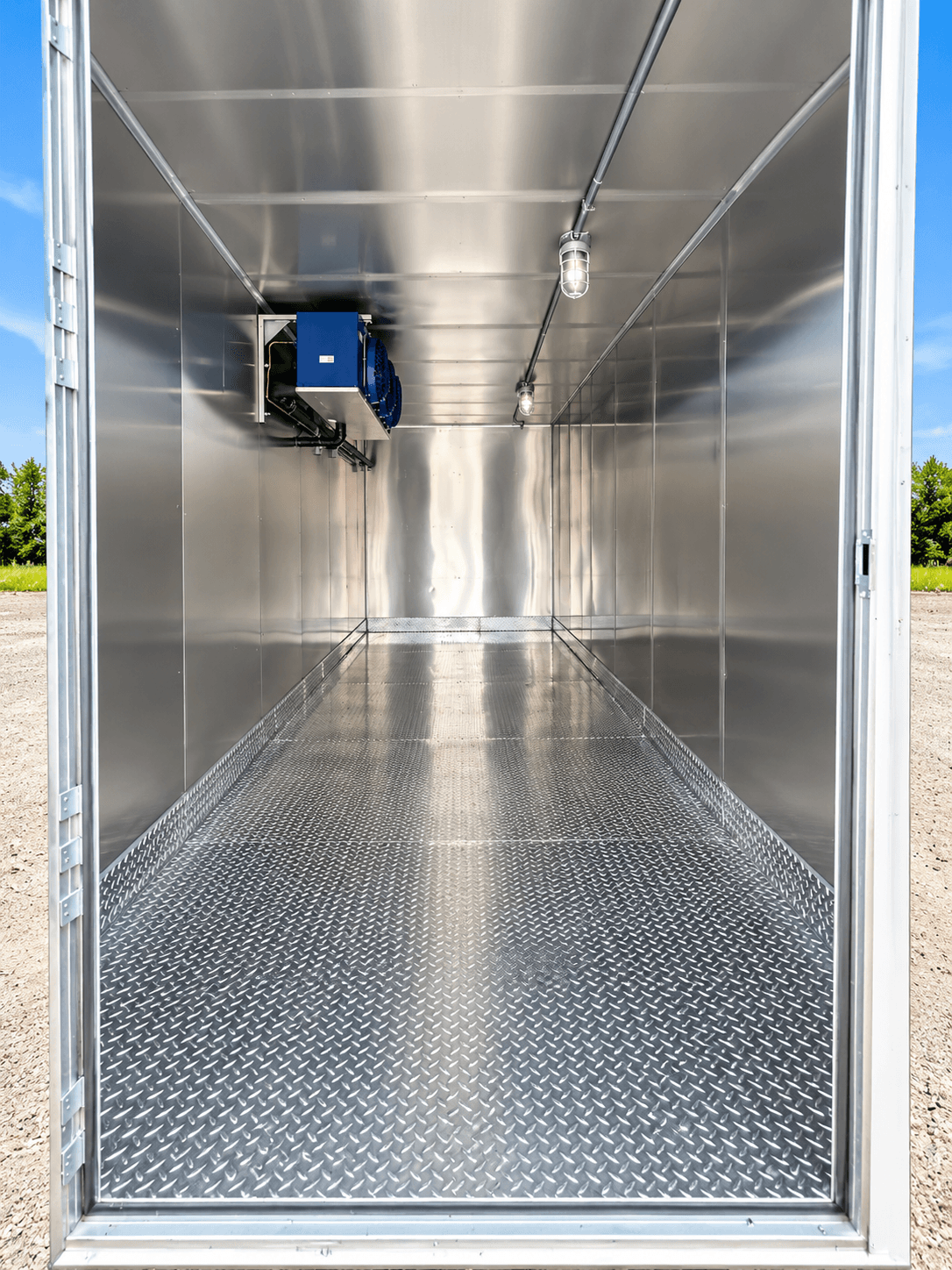
Compare the equipment
These published examples describe named company units. The supplied equipment, configuration and availability are confirmed for your project address.
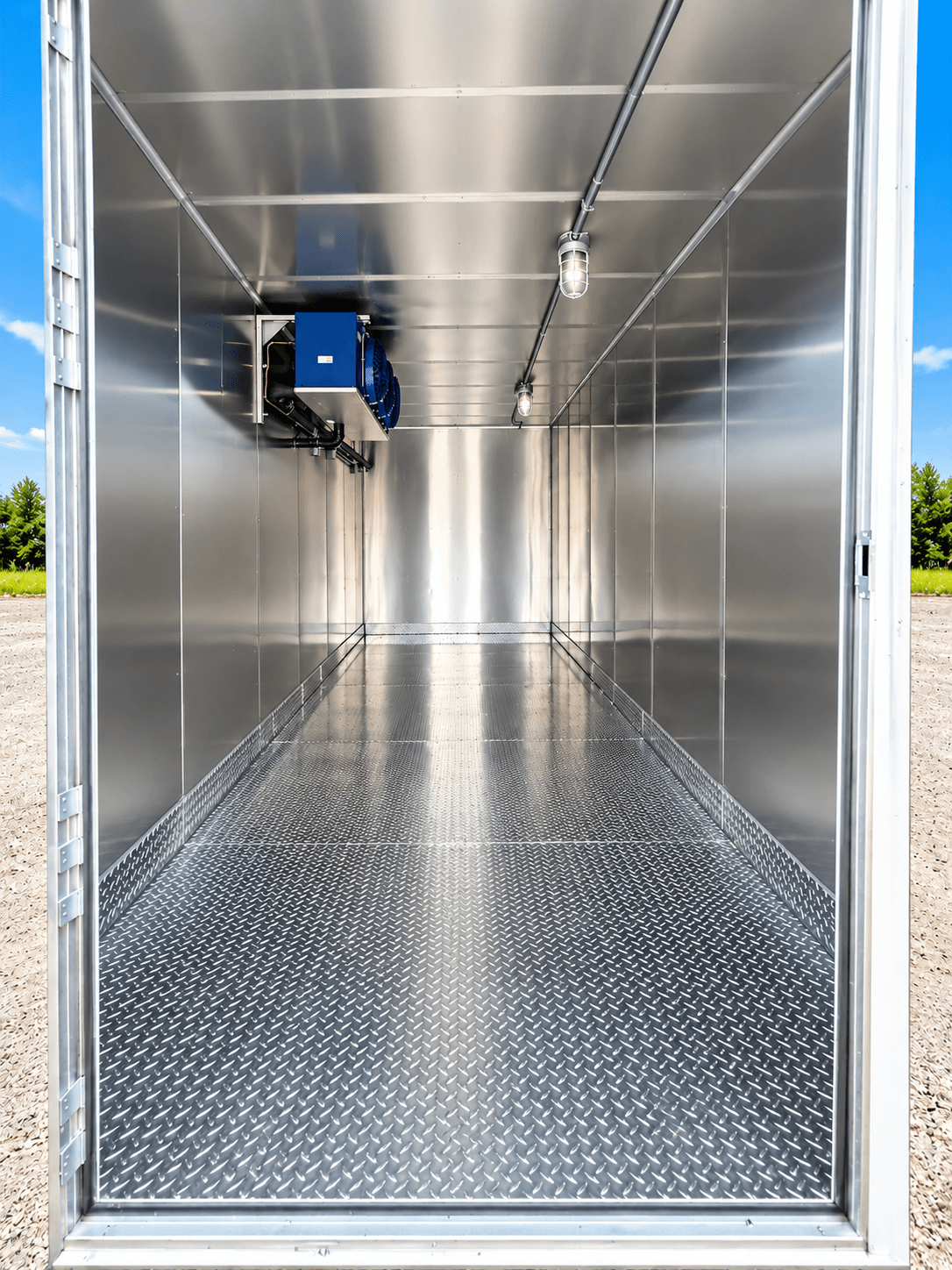
Listed refrigeration trailer equipment: condensing unit, amps panel, lighting.
Equipment records reviewed October 19, 2026. Temperature labels are inventory labels, not verified operating ranges. Nominal length is a model label, not a measure of usable space or site footprint.
An illustrative bakery interruption can affect ingredients, prepared batches and orders scheduled for later production differently. Record what remains in usable permanent storage and what needs refrigeration elsewhere, following the business’s product-safety procedures. NOAA’s California summary discusses wildfire history. Regional background informs preparedness, while the actual stock and operating decisions shape the immediate San Mateo inquiry.
The kitchen team’s daily ingredients can share receiving with unopened reserves and batches assigned to later production. The largest refrigerated load includes that overlap after a supplier order arrives. A temporary dishwashing facility handles returned trays and tools, with a different workload from the ingredients still waiting in storage.
Compare the 20ft Refrigerated Container with the actual cartons, trays and carts used by the operation. Its usable capacity, full operating temperature range, electrical requirements and included fittings need confirmation for the unit offered.
San Mateo’s Central Park playground project page records construction beginning June 2, 2025 and an anticipated 18–24-month duration. Those are dated owner statements, not proof of final completion or a refrigeration contract. They demonstrate why a construction start and an expected finish should be treated as distinct pieces of information.
Your refrigeration period instead follows receiving, trial preparation and the goods left temporarily outside while permanent rooms return to use. A contractor’s handover does not automatically clear the last reserve stock. Other temporary food-service facilities can have separate release dates.
Continue with Hayward, Daly City or Oakland for another property, keeping that address’s receiving point and food-service requirement attached to the inquiry.
For military food-service inquiries in San Mateo or Hillsborough, California, a tentative repair schedule can affect the requested rental period even when the meal requirement remains unchanged. Give the authorized representative a consistent equipment inquiry and ask how site instructions should be confirmed before any proposed arrival is agreed.
College of San Mateo’s SparkPoint food page distinguishes groceries, including fresh produce, dairy, meat and grains, from grab-and-go meals. It published a plan for Free Grocery services to be unavailable May 22 through August 21, 2026 during a Grocery Center remodel, with a return planned for the fall semester. The notice gives a planned schedule; it does not report the remodel’s completion.
For a comparable institutional changeover, products needing controlled holding and prepared meals awaiting collection can have different destinations. Shelf items do not automatically belong in refrigerated storage. The responsible operator defines what needs an alternative and the required conditions. A mobile kitchen supports preparation if that function also moves; dishwashing has a separate clean-supply and returned-item sequence.
A Hillsborough bakery may hold dough between production stages, while a Belmont commercial food operation may temporarily reduce its menu. The refrigeration requirement follows the actual products and their busiest overlap.
BXRT20–1, an example in the 20ft Refrigerated Trailer guide, lists a condensing unit, amps panel, lighting and 220V single-phase power at 40–60A. Its 32°F inventory label is not a verified operating range. Exact NEMA plug configuration and usable capacity remain unconfirmed. These facts apply to that record, not every trailer or a current San Mateo assignment.
A Foster City property needs its own receiving and electrical review even when the same manager coordinates both addresses. The supplied doorway and interior need practical access to actual goods after unloading. Refrigeration staff, suppliers and contractors may share nearby space; the agreed position and connection need to remain useful until the final transfer and equipment collection.
Compare the cartons and trays actually used with the supplied doorway, floor space and any agreed fittings. Staff need room to reach daily ingredients after incoming reserves have been put away. A cart’s loaded dimensions and turning movement belong in that comparison alongside product packaging. These details describe usable access more clearly than an exterior model label.
At handback, ingredients for the next service may move inside before unopened reserves and batches assigned to later production. Refrigeration needs access and its agreed connection until those remaining goods clear. Cooking and dishwashing can follow separate schedules. Contact our team for current availability and a quote covering your San Mateo property, equipment period and transport.
Before you book
They can have different package sizes, access times and refrigeration requirements. Explain each product group and the stock present at the busiest overlap. Final equipment suitability must be reviewed for the actual proposed arrangement.
It records planned grocery-service unavailability from May 22 through August 21, 2026 and an intended fall-semester return. It does not confirm actual completion, today’s service status or a rental project. Use your own operator’s current schedule to define the required holding interval.
Yes. Ingredients or trial batches may need a cooler or freezer earlier. Describe receiving, test operations and full opening separately so the proposal follows the actual stock requirement.
These public references inform the planning examples; equipment availability and delivery arrangements are confirmed for your address.
Temporary refrigeration, kitchens and dishwashing can support many kinds of food-service operations. Each setting below starts with its own schedule, stock and site questions, and every project is reviewed individually.
Hotels, restaurants and resorts can plan temporary refrigeration around breakfast, banquet and dinner service when a walk-in cooler fails or a kitchen is refurbished.
Hospital, nursing home and care-facility kitchens can describe meal schedules, delivery times and displaced stock so temporary storage follows the food-service routine.
Municipal, county and public-building food-service teams can outline receiving arrangements, responsible contacts and project dates before a quote is prepared.
Dining facility managers can explain the products displaced, the receiving arrangements and the proposed period, then review availability and terms with our team.
Schools, colleges and universities can plan around term dates, serving windows and campus kitchen renovations so meal service can continue during repairs or construction.
Plant cafeterias and employee dining areas can describe shift patterns and staged building work so temporary cold storage can be reviewed against the working schedule.
Caterers and venues can plan preparation windows, event days and overflow ingredients, and describe how stock moves between storage, the kitchen and service.
Producers, wholesalers and distributors can describe loading, staging and storage needs when a cooler breaks down or demand temporarily exceeds capacity.
These examples describe planning situations. Equipment, availability and terms are confirmed in a project quote.
Cold storage is only one part of a project. These are the questions we work through with you before anything is booked.
Start with refrigerated containers and refrigeration trailers, then add a temporary kitchen or dishwashing trailer when the project needs one, all in a single conversation.
Access, utilities and the intended position are reviewed before delivery is arranged, so the equipment is matched to your site rather than the other way around.
Whether a walk-in cooler failed this morning or a renovation is months away, describe the real situation and plan around the stock, dates and people involved.
Planning guides cover all 50 states and more than 700 cities. Your address is then confirmed for equipment and delivery.
Use the rental calculator for a rate-range estimate and setup amount, then request a project quote that confirms availability, transport and the rental period.