BXRT20–1Refrigerated trailer
- Nominal length
- 20ft
- Listed electrical supply
- 220V · single-phase · 40–60A
- Inventory temperature label
- 32°F
Temporary cold storage in San Luis Obispo, California
San Luis Obispo cold-storage rentals help commercial operators discuss replacement space when a walk-in or refrigeration unit breaks down. Planned dining renovations may also require refrigerated containers, with mobile kitchen and dishwashing arrangements considered where their functions are interrupted. Campus food-service teams, restaurants, caterers and industrial operators can inquire about short-term rentals or longer leasing. Delivery coordination begins with a confirmed operating address, an approved placement and review of the proposed connections. Describe the retained service, stock movement and project decision dates, then request equipment availability and a quote from Worldwide Refrigerated Container Rental Facilities for your San Luis Obispo site.
Emergency cooler or freezer failure in San Luis Obispo? A person answers rental inquiries 24/7. Availability and delivery timing are confirmed in your quote.
Plan your rental budget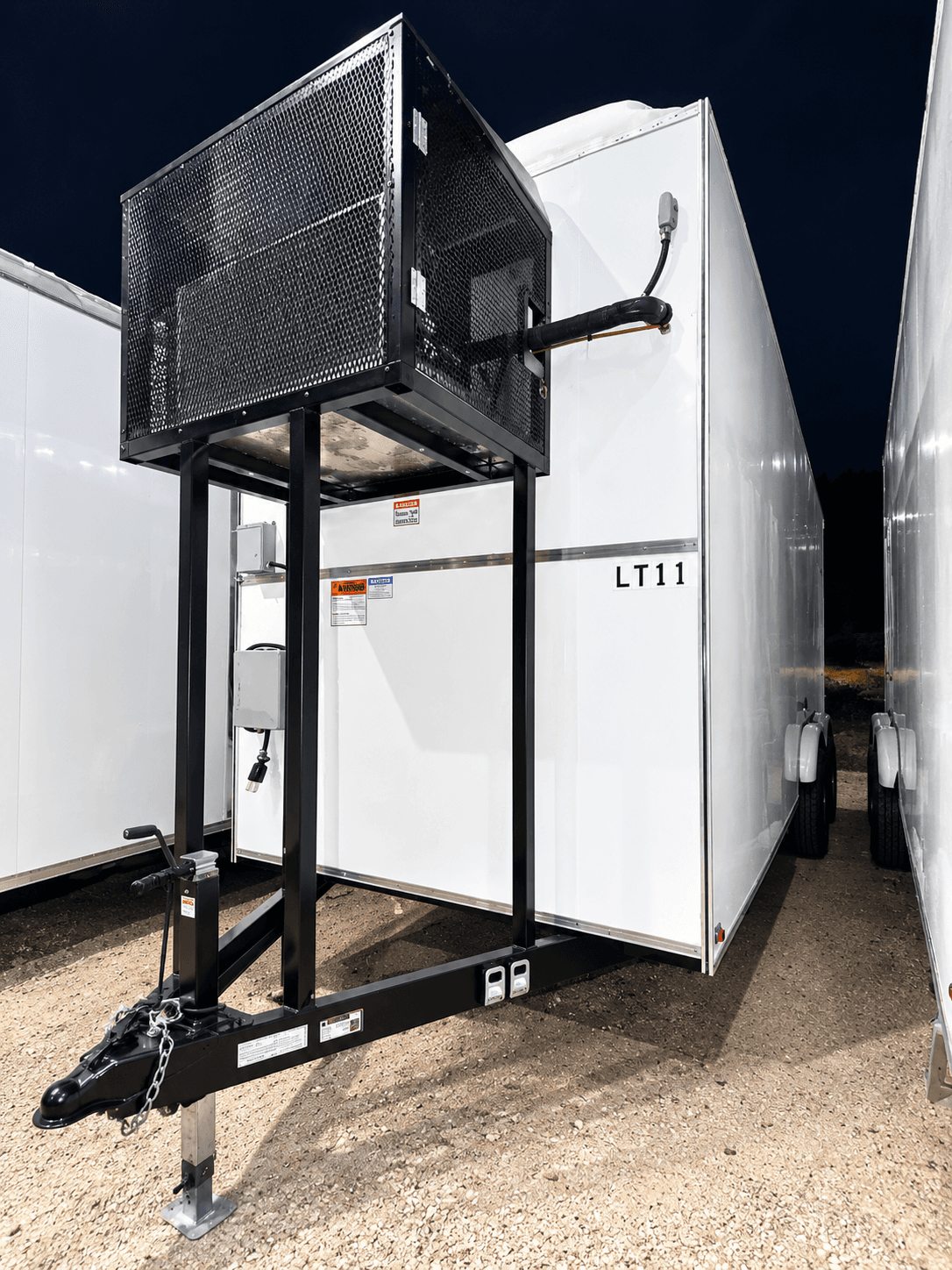
Compare the equipment
These published examples describe named company units. The supplied equipment, configuration and availability are confirmed for your project address.
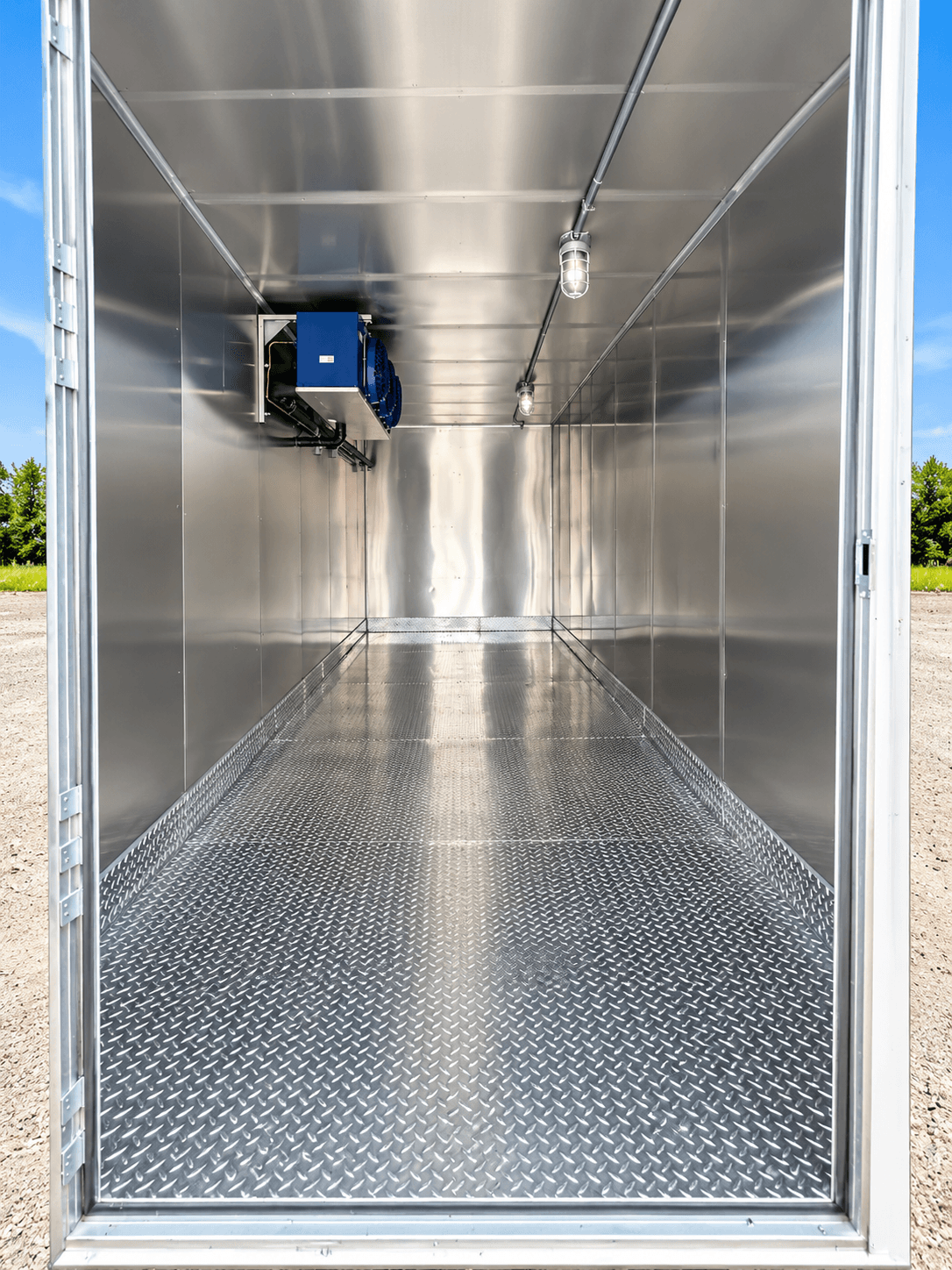
Listed refrigeration trailer equipment: condensing unit, amps panel, lighting.
Equipment records reviewed October 19, 2026. Temperature labels are inventory labels, not verified operating ranges. Nominal length is a model label, not a measure of usable space or site footprint.
A storage interruption does not automatically stop future orders. Review the purchasing system when a San Luis Obispo room fails: which orders can be changed, which suppliers have dispatched and who is allowed to revise standing deliveries. The refrigeration inquiry should describe the stock expected after those decisions, not just what staff counted at the moment of failure.
California’s historical climate record includes very different wet and dry years, as NOAA’s state summary explains. That broad background supports contingency review without proving a local outage or equipment-performance figure. If a Pismo Beach manager orders for multiple premises, clarify which address will receive each shipment. Administrative convenience should not conceal a separate cold-storage requirement at another commercial property.
To turn this local picture of phased commercial work into an equipment shortlist, start with the 20ft Refrigerated Container guide and its notes on one resting place for the whole project and how to organize stock for a longer stay.
Cal Poly’s July 2024 housing announcement describes approval of its first construction phase and anticipated openings in fall 2026 and fall 2027. It also distinguishes later phases and renovation of existing residence halls. Those are dated university plans, not evidence that these projects need temporary refrigeration or that this rental business has any role in them.
For comparison, read what nearby cities emphasize. In Santa Maria, the guide covers commercial food operations; in Bakersfield, it covers commercial food-service. Use them to prepare questions, not to infer availability or terms for San Luis Obispo.
For a commercial or institutional operator undertaking its own phased work, the relevant question is which area opens while another remains displaced. A refrigerated lease may bridge only one phase, or continue through a sequence of separate handovers. Identify the operating milestone that changes storage use and the person approving it; avoid relying on the final completion date of a much larger programme.
For government facilities considering temporary equipment in San Luis Obispo or Grover Beach, California, a clear dining brief can distinguish the stock displaced from food supplies that remain indoors. Show where supplies arrive and where employees collect them, with a property representative responsible for reviewing any shared access or placement questions.
A dining team reducing service during renovation can make the temporary requirement more precise by writing down the menu it will actually retain. Count ingredients for that service, regular receiving and the stock held between deliveries. Ask how a proposed refrigerated arrangement would accommodate those quantities. Reducing the menu on paper is only useful if purchasing and receiving follow the same decision.
For another comparison, the guide for operators in Hanford covers repairs and changing projects, citing the City of Hanford entry “Downtown Improvements, January 2025”. Use it as a prompt for your own questions about timing, access and storage.
Kitchen and dishwashing functions can be reviewed against the retained menu instead of the building’s former full operation. A commercial coordinator in Grover Beach may handle orders without supplying staff or space at the work site. If Arroyo Grande is part of a regional catering schedule, specify its role and which property accepts the ingredients; do not assume shared capacity simply from nearby locations.
Show the San Luis Obispo placement in relation to the entrance staff will use for food movements. The shortest route on a drawing may cross a contractor’s unloading zone. Ask the site representative to confirm the available working space, surface and clearance for the proposed refrigeration equipment, then review how normal receiving can continue without depending on moving it later.
A placement agreement should name the person authorized to keep the area clear throughout the rental. Discuss any known change in fencing or loading arrangements before the next project phase begins. Verification must concern the actual unit and property; a general campus map, a contractor’s delivery instruction or a neighbouring business’s access permission does not establish approval for this temporary position.
In the quote request, distinguish the initial stock move, the operating period and any expected reduction as renewed areas reopen. Supply separate chilled and frozen requirements and the date when those figures will be reviewed. Kitchen or dishwashing support may finish sooner than cold storage, so describe each service’s practical release condition rather than applying one end date to every item.
Ask for availability, the offered layout, the rental-period basis and address-specific delivery and collection charges. Record how a later phase would alter the proposal before assuming that equipment can stay or move. The calculator gives an initial comparison; a written San Luis Obispo quotation is needed to establish the proposed refrigeration arrangement, its actual term and the responsibilities each party is accepting.
Before you book
Yes. Explain the ingredients, receiving schedule and quantities needed for the retained service. Ask the quote team to assess those requirements against the proposed equipment rather than assume the original room’s full capacity must be replaced.
Describe the phases and their uncertainties first. Ask how the proposal could be reviewed as usable storage returns. The requirement depends on your operating plan, not merely the number of months shown on an overall construction programme.
Confirm the proposed refrigeration arrangement, the property’s readiness and who authorizes goods to move. Staff should know where deliveries go, who checks quantities and how the temporary period connects to the permanent room’s acceptance process.
These public references inform the planning examples; equipment availability and delivery arrangements are confirmed for your address.
Temporary refrigeration, kitchens and dishwashing can support many kinds of food-service operations. Each setting below starts with its own schedule, stock and site questions, and every project is reviewed individually.
Hotels, restaurants and resorts can plan temporary refrigeration around breakfast, banquet and dinner service when a walk-in cooler fails or a kitchen is refurbished.
Hospital, nursing home and care-facility kitchens can describe meal schedules, delivery times and displaced stock so temporary storage follows the food-service routine.
Municipal, county and public-building food-service teams can outline receiving arrangements, responsible contacts and project dates before a quote is prepared.
Dining facility managers can explain the products displaced, the receiving arrangements and the proposed period, then review availability and terms with our team.
Schools, colleges and universities can plan around term dates, serving windows and campus kitchen renovations so meal service can continue during repairs or construction.
Plant cafeterias and employee dining areas can describe shift patterns and staged building work so temporary cold storage can be reviewed against the working schedule.
Caterers and venues can plan preparation windows, event days and overflow ingredients, and describe how stock moves between storage, the kitchen and service.
Producers, wholesalers and distributors can describe loading, staging and storage needs when a cooler breaks down or demand temporarily exceeds capacity.
These examples describe planning situations. Equipment, availability and terms are confirmed in a project quote.
Cold storage is only one part of a project. These are the questions we work through with you before anything is booked.
Start with refrigerated containers and refrigeration trailers, then add a temporary kitchen or dishwashing trailer when the project needs one, all in a single conversation.
Access, utilities and the intended position are reviewed before delivery is arranged, so the equipment is matched to your site rather than the other way around.
Whether a walk-in cooler failed this morning or a renovation is months away, describe the real situation and plan around the stock, dates and people involved.
Planning guides cover all 50 states and more than 700 cities. Your address is then confirmed for equipment and delivery.
Use the rental calculator for a rate-range estimate and setup amount, then request a project quote that confirms availability, transport and the rental period.