BXRT20–1Refrigerated trailer
- Nominal length
- 20ft
- Listed electrical supply
- 220V · single-phase · 40–60A
- Inventory temperature label
- 32°F
Temporary cold storage in Salinas, California
Salinas cold storage rentals help commercial teams organize another holding location when a walk-in freezer or cooler breaks down. Refrigeration trailers and containers may also be discussed during planned building work, with kitchen and dishwashing needs reviewed when operations change. A short repair rental and a longer lease for refurbishment should follow stock movement and actual working dates. Restaurants, commercial caterers, schools and institutional dining operators can begin with the goods affected. Worldwide Refrigerated Container Rental Facilities can review delivery coordination at the proposed Salinas premises. Request availability and a project quote with your dates and storage requirements.
Emergency cooler or freezer failure in Salinas? A person answers rental inquiries 24/7. Availability and delivery timing are confirmed in your quote.
Plan your rental budget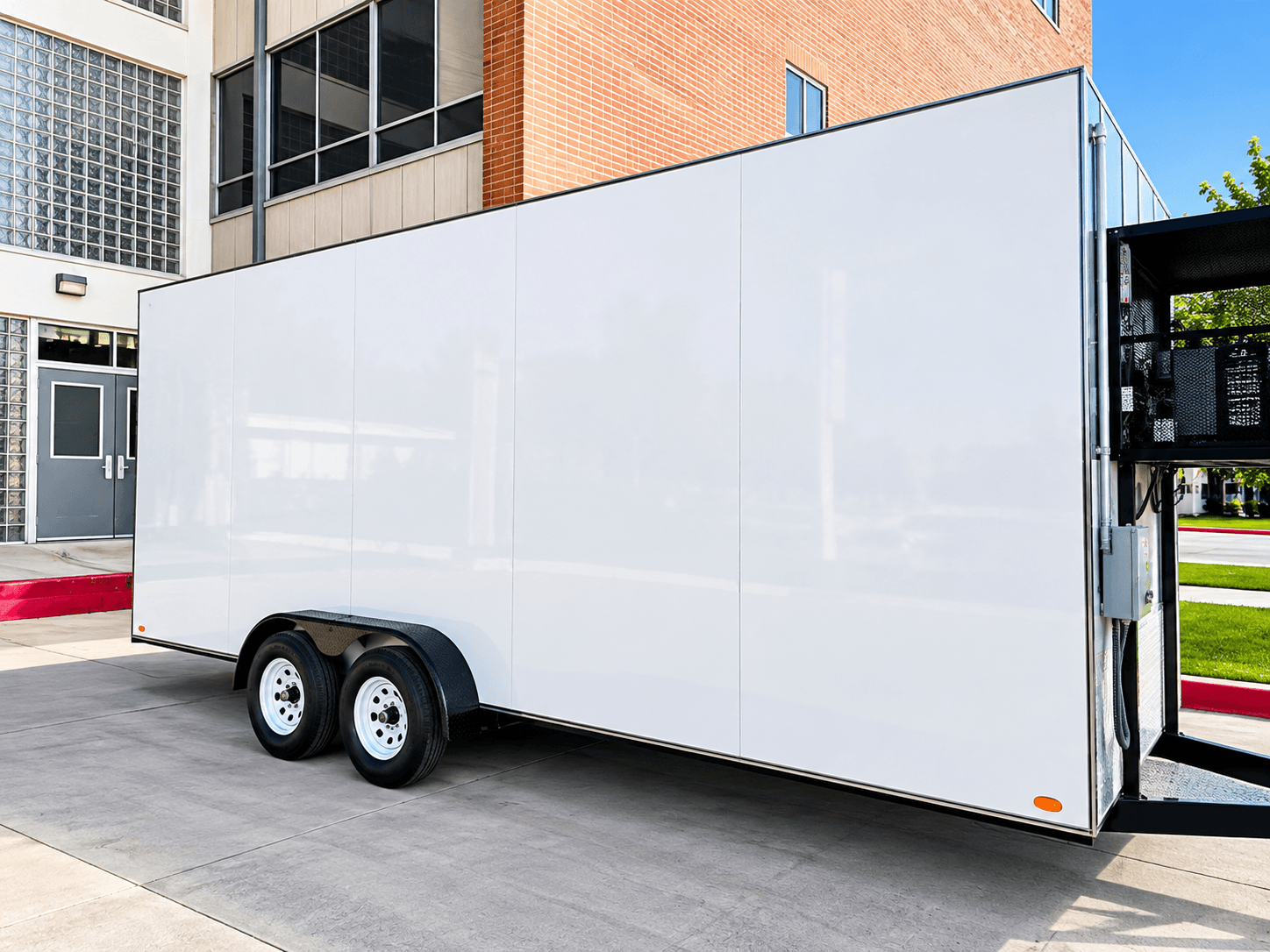
Compare the equipment
These published examples describe named company units. The supplied equipment, configuration and availability are confirmed for your project address.
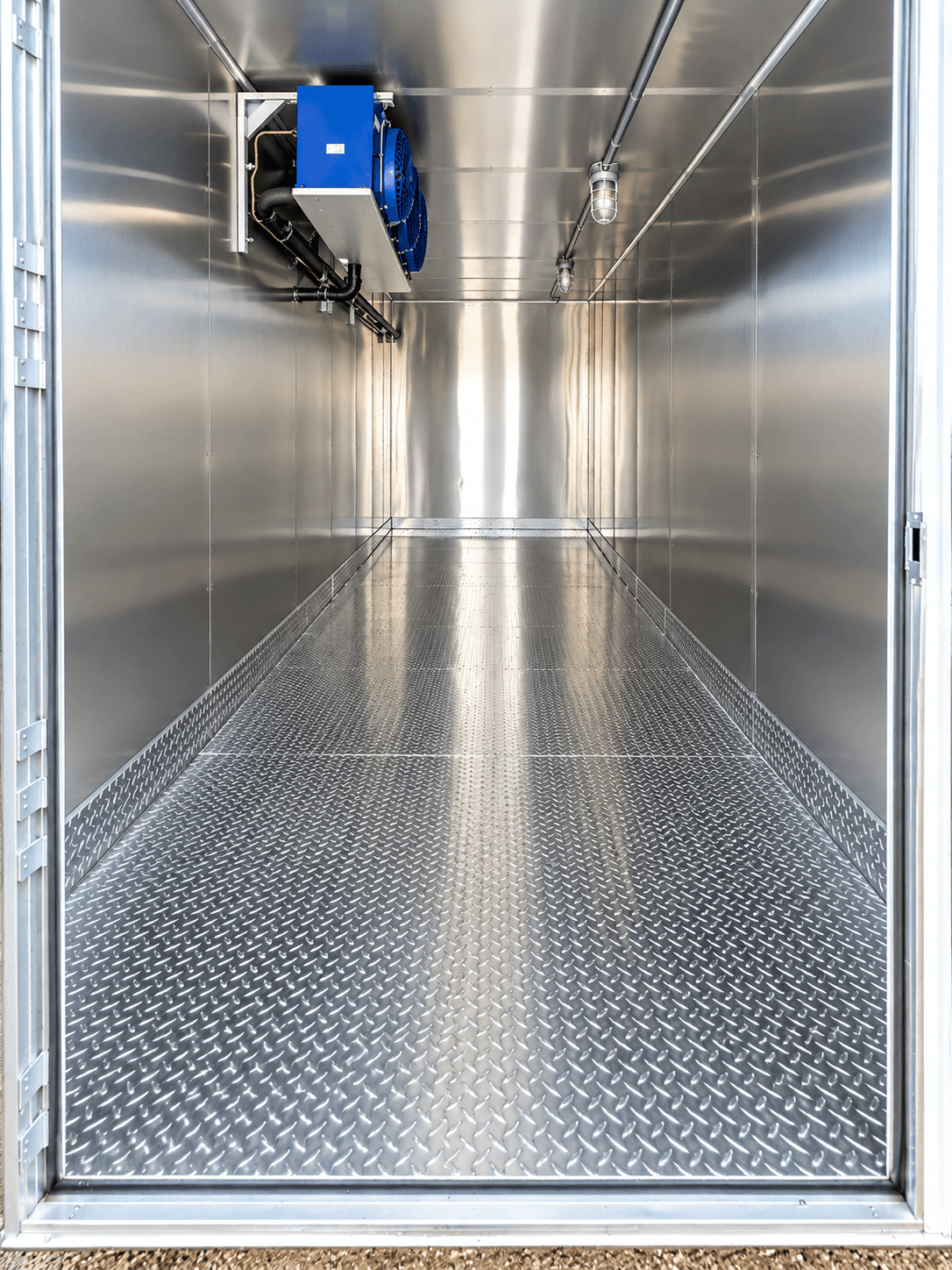
Listed refrigeration trailer equipment: condensing unit, amps panel, lighting.
Equipment records reviewed October 19, 2026. Temperature labels are inventory labels, not verified operating ranges. Nominal length is a model label, not a measure of usable space or site footprint.
NOAA’s California summary from 2022 documents long dry periods and extreme precipitation at state scale. It cannot establish that a Salinas receiving dock has an outage or that a commercial freezer failure resulted from weather. The site’s current conditions and the operator’s account of the equipment problem remain the basis for an emergency request.
A Salinas food-service business might receive produce in several deliveries instead of holding every order at once. Describe the highest quantity expected in temporary refrigeration and which stock requires different conditions. Explain any kitchen production changes and dishwashing interruption that alters the daily schedule. A useful refrigerated inquiry reflects that movement rather than combining every supplier’s full order into an assumed constant inventory.
To turn this local picture of receiving and facility repairs into an equipment shortlist, start with the 12ft Refrigerated Trailer guide and its notes on how to rotate stock in a small interior and where a compact unit can stand near the kitchen door.
An official California Assembly announcement dated February 1, 2026 describes the Hebbron Family Center’s reopening celebration the previous day. That is a completed public project example. The older city budget’s anticipated construction finish should not be repeated as if the building were still awaiting it. We do not claim refrigeration work at the center.
Several neighboring guides cover situations that resemble parts of an inquiry from Salinas. Santa Cruz’s guide is organized around busy commercial sites, citing the City of Santa Cruz entry “council information report, December 18, 2025”. A separate comparison is San Jose’s guide, which covers food-service. Use them to prepare questions, not to infer availability or terms for Salinas.
For a different Salinas commercial opening, distinguish the public launch from the point when permanent cold storage can receive goods. Confirm which milestone controls the food operation. If kitchen or dishwashing work starts later, put those dates in the inquiry. The proposed refrigerated period should cover an identified operating gap rather than simply reproduce the building’s general publicity schedule.
A planned industrial refurbishment in Salinas or Seaside, California, may keep production areas occupied while the employee dining operation moves into a temporary working arrangement. Include shift handover notes, supplier contact details and unresolved access questions in the working plan provided to the responsible supervisor.
Salinas’s adopted 2025–2026 operating budget includes electrical-panel upgrades for the community center at the Sherwood facility. It is a dated maintenance scope, not a statement that any restaurant’s utilities are interrupted. It illustrates why a commercial refurbishment should identify services affected by work instead of describing only the finished room arrangement.
For another comparison, the guide for operators in Santa Clara covers facility changes, citing the City of Santa Clara entry “April 8, 2025 International Swim Center record”. Use it as a prompt for your own questions about timing, access and storage.
At a Salinas premises, tell the team whether the cooler position or its services change during repairs. Identify who can confirm the available connections for the proposed equipment. Kitchen preparation and dishwashing may have separate requirements even when everything appears on one drawing. Temporary refrigeration needs its own review, including when stock can return to the permanent installation after work is accepted.
A Marina operation should use its own address even when a Salinas manager coordinates procurement. A Seaside inquiry may require another receiving contact, and Monterey properties should provide their own positioning and access details. These are Census-verified geographic examples, not claims of completed rental jobs or evidence that several locations share delivery charges and arrangements.
For the Salinas site, show how supplier receiving and staff retrieval work around the proposed refrigerated position. Include measured access restrictions, work phases and the person authorized to update the plan. A kitchen or dishwashing arrangement should appear on the same layout if it affects that area. Current property instructions and official restrictions govern access instead of a guessed approach based on the nearest familiar address.
Supply intended dates, product quantities and required holding conditions, along with the cause of the interruption. Explain delivery peaks and any date that depends on a repair or inspection. Ask which equipment, transport and other charges are included in the Salinas quote. Current refrigeration rates and availability need confirmation for your project rather than inference from public capital expenditure.
Compare the final transfer back into permanent storage with the proposed rental end. There may be goods awaiting an operating-team decision after construction finishes. Identify who confirms release of temporary cold storage and ask about changes or extensions. Recording those steps makes the quote easier to assess against your stock plan and helps avoid treating an estimated repair completion as an automatic collection instruction.
Before you book
Explain the receiving pattern and the peak goods held at one time, while keeping distinct holding conditions visible. The refrigerated proposal needs the actual storage load; a list of all orders can overstate or obscure that requirement.
No. It is a dated public-building example supported by an official source. It does not establish company participation, hired equipment at that center or a current storage requirement for any other property.
Tell the team about revised orders or stock movements and ask whether the proposed cold-storage arrangement needs review. Equipment availability and the agreed scope must be confirmed; an earlier inquiry does not authorize every later change.
These public references inform the planning examples; equipment availability and delivery arrangements are confirmed for your address.
Temporary refrigeration, kitchens and dishwashing can support many kinds of food-service operations. Each setting below starts with its own schedule, stock and site questions, and every project is reviewed individually.
Hotels, restaurants and resorts can plan temporary refrigeration around breakfast, banquet and dinner service when a walk-in cooler fails or a kitchen is refurbished.
Hospital, nursing home and care-facility kitchens can describe meal schedules, delivery times and displaced stock so temporary storage follows the food-service routine.
Municipal, county and public-building food-service teams can outline receiving arrangements, responsible contacts and project dates before a quote is prepared.
Dining facility managers can explain the products displaced, the receiving arrangements and the proposed period, then review availability and terms with our team.
Schools, colleges and universities can plan around term dates, serving windows and campus kitchen renovations so meal service can continue during repairs or construction.
Plant cafeterias and employee dining areas can describe shift patterns and staged building work so temporary cold storage can be reviewed against the working schedule.
Caterers and venues can plan preparation windows, event days and overflow ingredients, and describe how stock moves between storage, the kitchen and service.
Producers, wholesalers and distributors can describe loading, staging and storage needs when a cooler breaks down or demand temporarily exceeds capacity.
These examples describe planning situations. Equipment, availability and terms are confirmed in a project quote.
Cold storage is only one part of a project. These are the questions we work through with you before anything is booked.
Start with refrigerated containers and refrigeration trailers, then add a temporary kitchen or dishwashing trailer when the project needs one, all in a single conversation.
Access, utilities and the intended position are reviewed before delivery is arranged, so the equipment is matched to your site rather than the other way around.
Whether a walk-in cooler failed this morning or a renovation is months away, describe the real situation and plan around the stock, dates and people involved.
Planning guides cover all 50 states and more than 700 cities. Your address is then confirmed for equipment and delivery.
Use the rental calculator for a rate-range estimate and setup amount, then request a project quote that confirms availability, transport and the rental period.