BXRT20–1Refrigerated trailer
- Nominal length
- 20ft
- Listed electrical supply
- 220V · single-phase · 40–60A
- Inventory temperature label
- 32°F
Temporary cold storage in Santa Cruz, California
Santa Cruz refrigerated rentals help commercial food-service operators discuss replacement storage after a walk-in cooler or refrigeration unit breaks down. Planned building work can also interrupt storage, preparation or cleaning, so mobile kitchen and dishwashing needs belong in the initial discussion. Restaurants, caterers and institutional or industrial dining teams can request short-term rentals or longer leasing around their retained operations. Delivery coordination requires a real entrance, placement permission and confirmation of the proposed connections. Explain the stock, operating hours and building-work sequence, then request equipment availability and a quote from Worldwide Refrigerated Container Rental Facilities for your Santa Cruz address.
Emergency cooler or freezer failure in Santa Cruz? A person answers rental inquiries 24/7. Availability and delivery timing are confirmed in your quote.
Plan your rental budget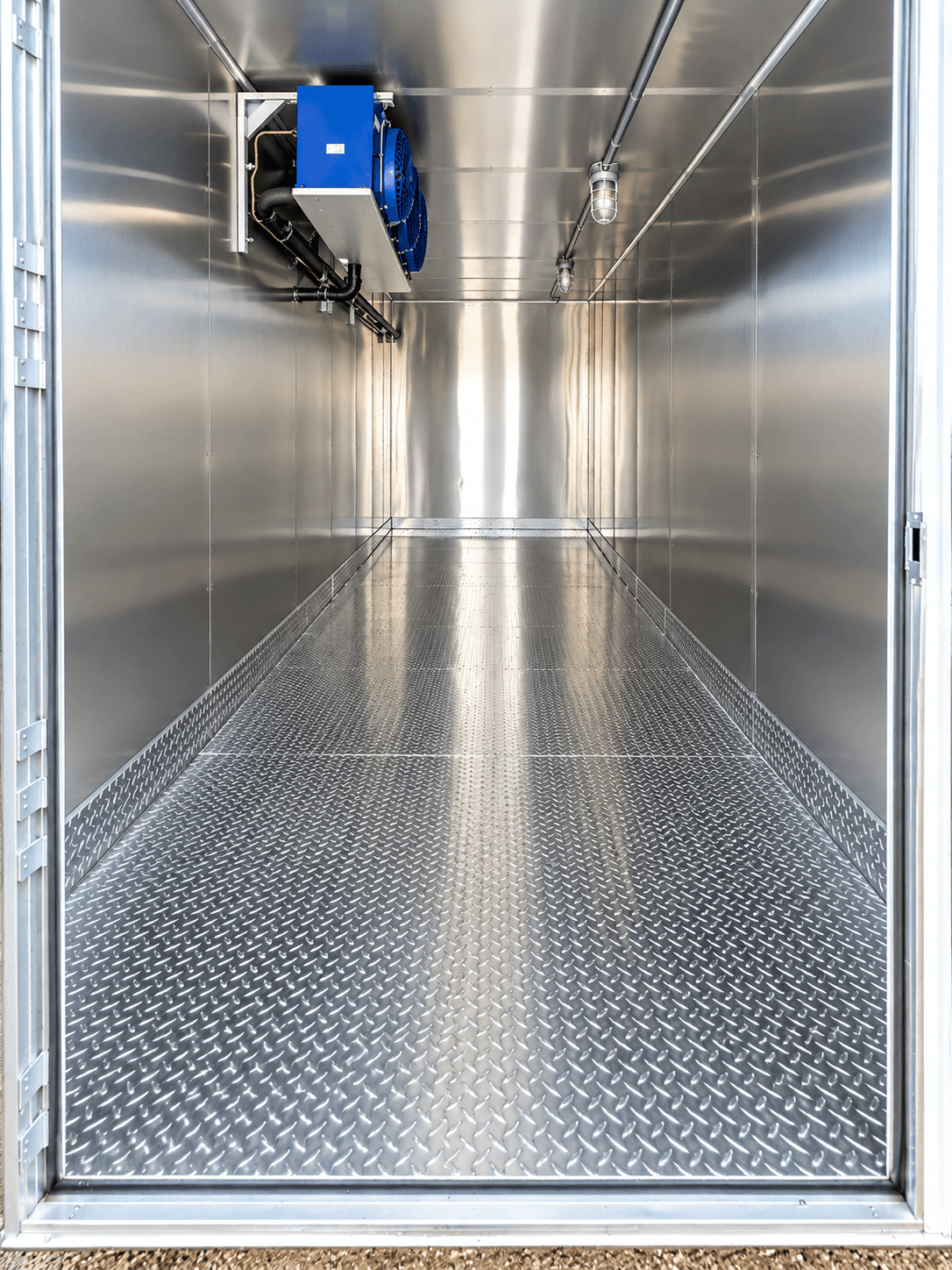
Compare the equipment
These published examples describe named company units. The supplied equipment, configuration and availability are confirmed for your project address.
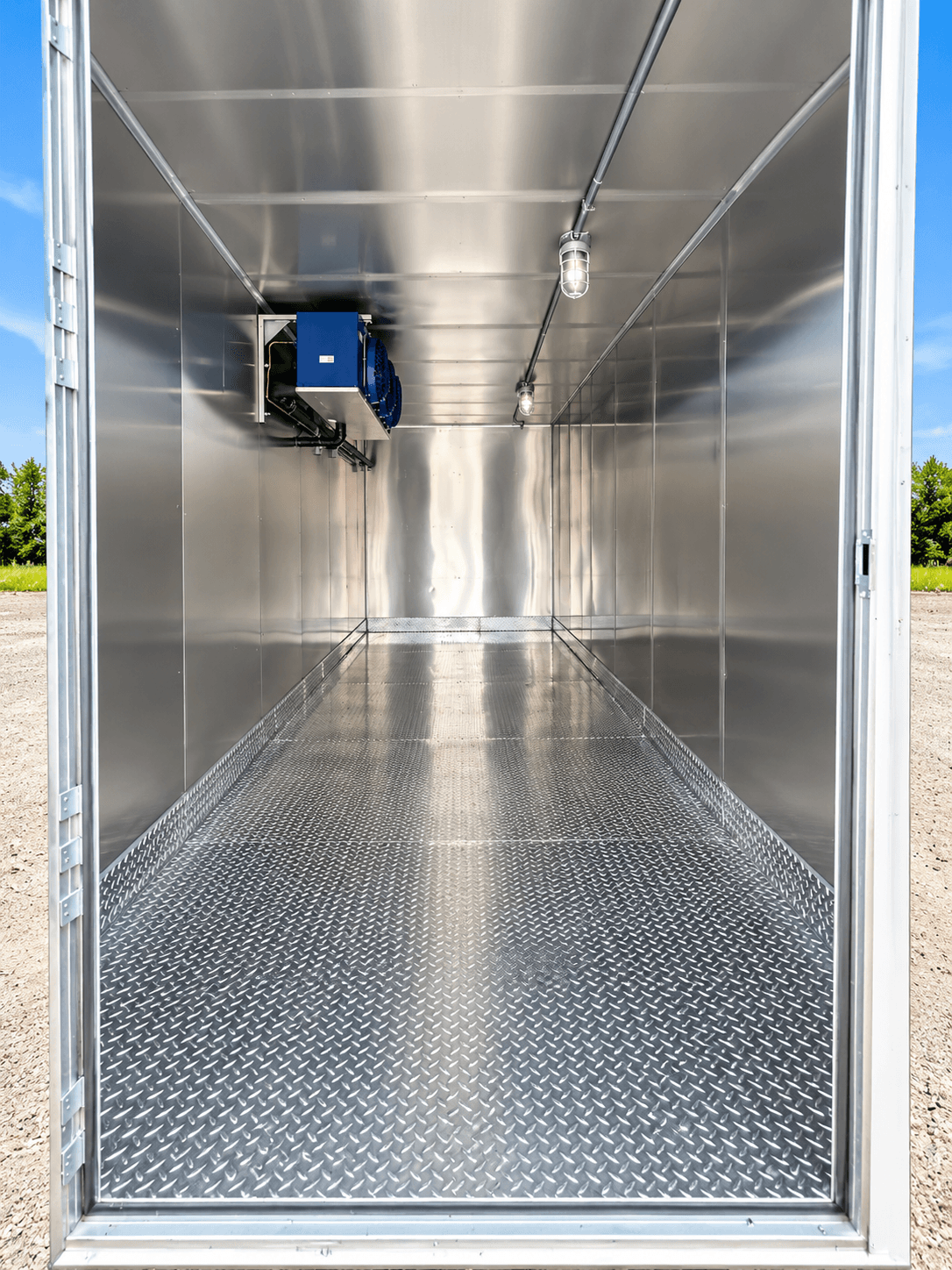
Listed refrigeration trailer equipment: condensing unit, amps panel, lighting.
Equipment records reviewed October 19, 2026. Temperature labels are inventory labels, not verified operating ranges. Nominal length is a model label, not a measure of usable space or site footprint.
A previous breakdown can leave useful evidence in ordinary receiving paperwork: a delivery redirected, an order held back or a missing sign-off between shifts. Review those details before planning replacement refrigeration in Santa Cruz. Establish who can authorize goods to move, which stock remains acceptable under the operator’s procedures and which deliveries have not yet arrived. That record is the starting point for capacity discussions.
NOAA describes damaging California flooding in its historical account, without establishing an outage at your business. An operator can use that broader history to review contingency records while relying on actual property conditions. If a Capitola branch is offered as a temporary receiving point, verify its usable cold-storage space and responsible supervisor before redirecting a shipment away from the affected premises.
Planning busy commercial sites raises equipment questions that the 12ft Refrigerated Trailer guide answers in more detail, including which stock must move first and a handback plan for the end of the rental.
A Santa Cruz council information report dated December 18, 2025 describes Phase 1 progress on the Downtown Library Affordable Housing Project after an August start, while library-interior preparation proceeded separately. This is dated municipal construction context. It does not establish current work status, a food-service interruption or any customer relationship with this rental business.
For comparison, read what nearby cities emphasize. In San Jose, the guide covers food-service; in Santa Clara, it covers facility changes, citing the City of Santa Clara entry “April 8, 2025 International Swim Center record”. Those are separate sites with separate requirements, so use them only as prompts for your Santa Cruz request.
The practical question for an unrelated commercial tenant is which part of a mixed-use site the contractor controls on a given day. A refrigerated lease inquiry should identify the storage room, shared passage and unloading space affected by each handover. Do not assume that opening one part of a larger building also releases another tenant’s loading access or permanent food-storage area for use.
A food distribution refurbishment in Santa Cruz or Scotts Valley, California, can change the space available for incoming goods before the normal outbound collection timetable has been adjusted. Keep receiving instructions and stock allocation notes together so staff can trace a product from arrival through its next planned handover.
A café renovating its service area may still need ordinary ingredient deliveries even if it pauses customer seating. Describe that retained function before selecting temporary refrigeration. Separate staff receiving, stock checks and preparation access from the public work zone. An operator who continues wholesale or catering work should explain those commitments rather than let the closed dining room imply that all food activity has stopped.
Operators near Santa Cruz can also compare Sunnyvale’s guide, which covers flexible opening dates, citing the City of Sunnyvale entry “August 13, 2026 opening postponement”. Check your own site details separately before relying on any comparison.
Kitchen and dishwashing arrangements should reflect the retained service, including whether reusable items return after the public area closes. A Scotts Valley purchasing contact can administer orders without being the receiving contact. If a Watsonville operation is part of the real production plan, describe its responsibilities and the goods transferred; nearby community names cannot substitute for a defined chain of custody.
Send the actual Santa Cruz entrance and a drawing showing where refrigeration would stand during daily operation. Identify shared passages, tenant parking and the staff route to the doors. Ask the property representative to confirm permission for the full rental period, including days when another tenant or contractor expects to use the same space. Street access and private-site permission are different questions.
Review the proposed unit’s clearance, surface and connections with the responsible site representatives. If the placement requires changing an existing delivery pattern, tell regular suppliers before the move. A temporary cold-storage arrangement should not depend on staff discovering that a neighbouring business needs its agreed unloading area back halfway through the works; record the person responsible for resolving that conflict in advance.
An informative Santa Cruz request states the initial shutdown, the activities retained and the decision that allows food to return indoors. Describe chilled and frozen requirements separately and include receiving peaks. Add kitchen or dishwashing support only with its own function and dates, so the scope reflects an actual interruption rather than an assumed equipment package.
Ask for written refrigeration availability, rental-period charges and transport or collection arrangements for the address. Explain any uncertainty in tenant handovers and ask how the proposal would be revised if access changes. The calculator can organize a starting comparison; it does not establish a suitable layout, a reserved unit or the final cost of keeping a commercial operation supplied through renovation.
Before you book
Possibly, but retained catering, wholesale or preparation work may still hold substantial stock. Describe what continues and which supplier orders change. Base the request on verified quantities and receiving patterns rather than the public opening hours alone.
Ask the person with authority over the actual space to approve the proposal and identify any other consent required. Supply a placement sketch and proposed dates. A general lease relationship does not confirm permission for every temporary use.
Include that arrangement in the inquiry and nominate a coordinator for shared access. Review refrigeration placement and regular receiving together, with conflicts resolved before the agreed delivery rather than left to the arriving crew.
These public references inform the planning examples; equipment availability and delivery arrangements are confirmed for your address.
Temporary refrigeration, kitchens and dishwashing can support many kinds of food-service operations. Each setting below starts with its own schedule, stock and site questions, and every project is reviewed individually.
Hotels, restaurants and resorts can plan temporary refrigeration around breakfast, banquet and dinner service when a walk-in cooler fails or a kitchen is refurbished.
Hospital, nursing home and care-facility kitchens can describe meal schedules, delivery times and displaced stock so temporary storage follows the food-service routine.
Municipal, county and public-building food-service teams can outline receiving arrangements, responsible contacts and project dates before a quote is prepared.
Dining facility managers can explain the products displaced, the receiving arrangements and the proposed period, then review availability and terms with our team.
Schools, colleges and universities can plan around term dates, serving windows and campus kitchen renovations so meal service can continue during repairs or construction.
Plant cafeterias and employee dining areas can describe shift patterns and staged building work so temporary cold storage can be reviewed against the working schedule.
Caterers and venues can plan preparation windows, event days and overflow ingredients, and describe how stock moves between storage, the kitchen and service.
Producers, wholesalers and distributors can describe loading, staging and storage needs when a cooler breaks down or demand temporarily exceeds capacity.
These examples describe planning situations. Equipment, availability and terms are confirmed in a project quote.
Cold storage is only one part of a project. These are the questions we work through with you before anything is booked.
Start with refrigerated containers and refrigeration trailers, then add a temporary kitchen or dishwashing trailer when the project needs one, all in a single conversation.
Access, utilities and the intended position are reviewed before delivery is arranged, so the equipment is matched to your site rather than the other way around.
Whether a walk-in cooler failed this morning or a renovation is months away, describe the real situation and plan around the stock, dates and people involved.
Planning guides cover all 50 states and more than 700 cities. Your address is then confirmed for equipment and delivery.
Use the rental calculator for a rate-range estimate and setup amount, then request a project quote that confirms availability, transport and the rental period.