BXRT20–1Refrigerated trailer
- Nominal length
- 20ft
- Listed electrical supply
- 220V · single-phase · 40–60A
- Inventory temperature label
- 32°F
Temporary cold storage in Glendale, California
Glendale refrigerated container rentals start with the food that needs another reliable storage position after a walk-in cooler or freezer breaks down. Kitchen and dishwashing needs can be discussed when preparation or ware cleaning is also displaced. Worldwide Refrigerated Container Rental Facilities serves commercial and industrial inquiries, including an office-campus dining operator. Emergency repairs and planned renovations need different schedules; short-term rental and longer lease requests should follow the actual stock movement. Describe small deliveries supporting meetings on different floors, the intended dates and delivery access. Tell us the address and available site services so we can review coordination and provide availability and a project quote.
Emergency cooler or freezer failure in Glendale? A person answers rental inquiries 24/7. Availability and delivery timing are confirmed in your quote.
Plan your rental budget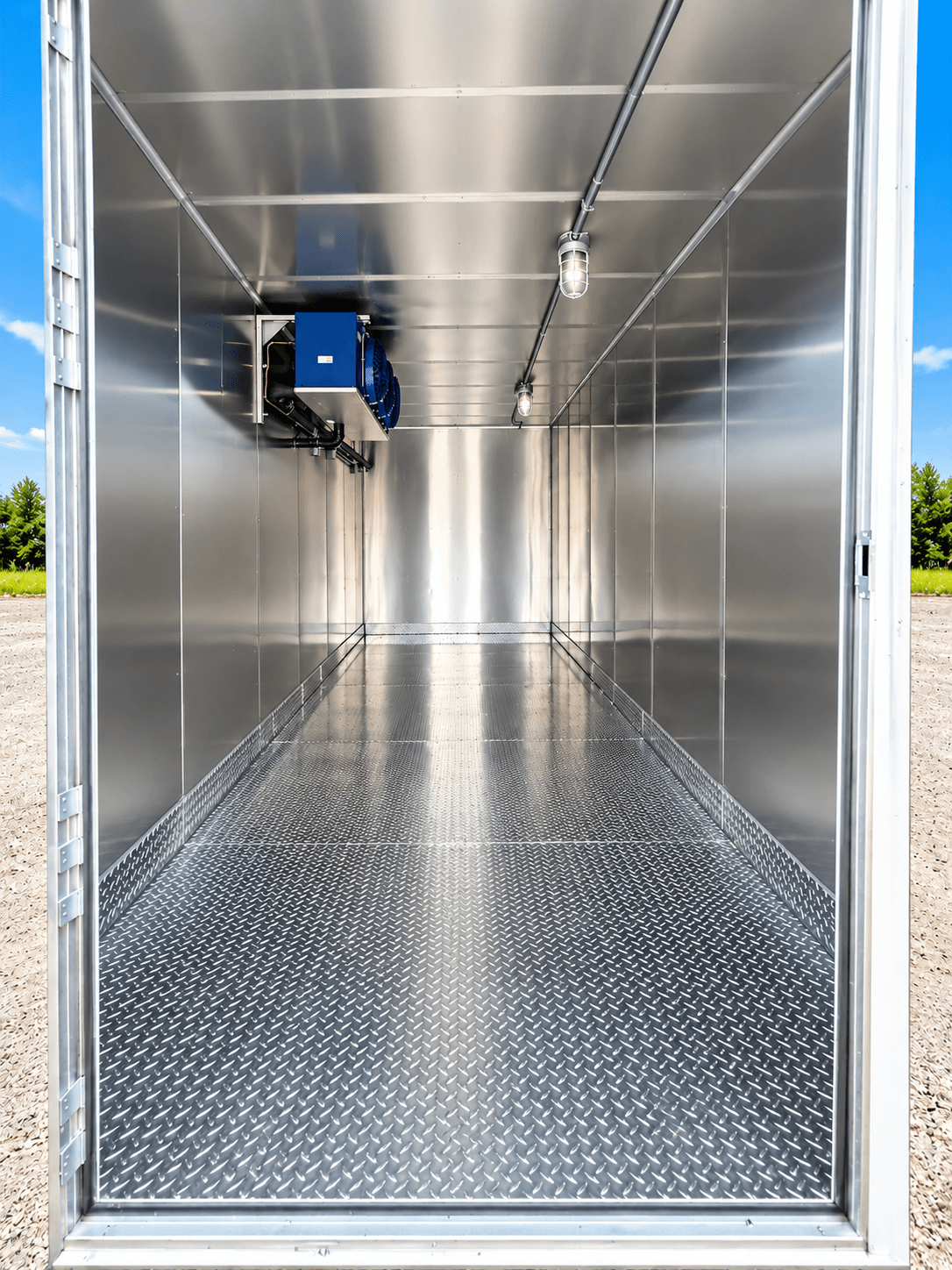
Compare the equipment
These published examples describe named company units. The supplied equipment, configuration and availability are confirmed for your project address.
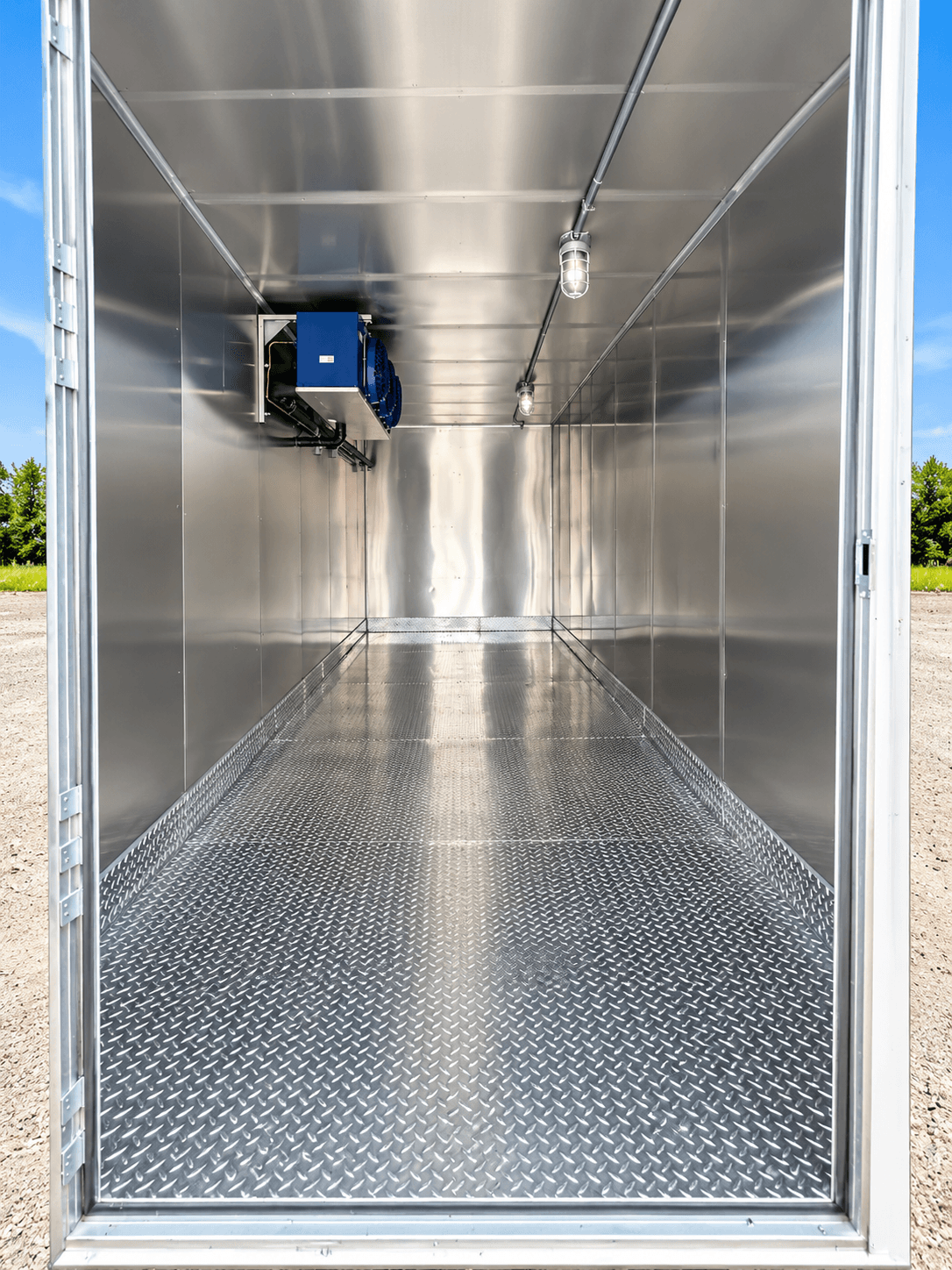
Listed refrigeration trailer equipment: condensing unit, amps panel, lighting.
Equipment records reviewed October 19, 2026. Temperature labels are inventory labels, not verified operating ranges. Nominal length is a model label, not a measure of usable space or site footprint.
In Glendale, begin with a refrigeration defect discovered before a full day of meetings. A central receiving point does not mean every meeting can draw from one undivided stock pile. Identify the items that remain unopened and the allocations already committed to a scheduled service. Record the time the permanent refrigeration stopped working and the goods still held there. Current product decisions stay with the operator’s responsible team. The National Weather Service records Hilary affecting Southern California in August 2023.
One receiving point may serve meeting rooms on several floors. After refrigeration fails, identify the orders that have already left central storage and the stock still waiting for issue. Keep each meeting allocation recognizable, including its preparation time, so an alternative holding position does not require staff to unpack every case to find the next order.
Planning commercial food operations raises equipment questions that the 40ft Refrigerated Container guide answers in more detail, including how to divide a large interior between teams and delivery restrictions along the route.
Glendale’s FY 2025–26 capital program describes Central Library maintenance, sustainability and youth-space renovation within its Central Building Forward project. Budget status and projected dates are dated planning information. Use the published milestone as context for coordination at Glendale, without transferring its schedule to another address. A refrigeration request needs the food operation’s own acceptance sequence. The named project is not presented as a completed rental job or an equipment recommendation for its owner.
Several neighboring guides cover situations that resemble parts of an inquiry from Glendale. Burbank’s guide is organized around commercial staging decisions. A separate comparison is El Monte’s guide, which covers commercial work phases. Each reflects its own property and schedule, so confirm your Glendale details separately.
Ask when each occupied floor will begin taking deliveries, rather than assume the whole building starts using food service together. Kitchen preparation may be centralized while dishwashing follows a different collection pattern. Explain that arrangement when reviewing a refrigerated load, including the brief peak when several meeting orders are waiting downstairs at once.
An industrial site in Glendale or Pasadena, California, may need temporary meal service arrangements while an occupied staff dining area undergoes repairs or planned refurbishment. Agree who accepts meal supplies during each shift and how responsibility transfers when the incoming team takes over the working area.
A Glendale operator considering an occupied commercial-building refurbishment should begin with the stock movement. Staff may continue using one lift while a contractor controls another. Include that vertical movement when deciding how many loads can reasonably leave the temporary position during each preparation window. Review refrigeration around the operating sequence, including any goods that return before the rest of the refurbishment is finished.
A lift taken out of service can change a food operation even when no appliance is moved. The kitchen lead should identify which goods can still travel by the approved route and coordinate the returns with dishwashing staff. Give the refrigeration request the resulting transfer pattern, including any temporary limit on the number of loads staff can move.
At the Glendale property, photograph and measure the proposed entrance while explaining a building’s controlled loading entrance. Receiving in La Cañada Flintridge may follow another timetable, and a Burbank manager should provide the entrance actually used by staff. Describe the Pasadena address independently when another facility belongs to the same operator.
A controlled loading entrance needs more than a street address. Confirm who can release the gate, which lift staff are permitted to use and where the refrigerated position would sit. Review the cold-storage connection information with the property team, then keep the final entrance and receiver’s name attached to each revised delivery instruction.
The proposed Glendale rental period should account for the final occupied floor’s return to normal service. Supply the load, conditions, opening transfer and final return date, with uncertain milestones marked as such. Ask for the refrigerated equipment and transport assumptions in writing so later revisions can be compared against the original operating plan.
For a multi-floor program, tie the Glendale quotation to the last affected floor’s actual return to use. Ask whether a partial handback changes the remaining refrigeration period or the collection arrangement. Compare written proposals with the same stock quantity, dates and access assumptions, and identify transport or connection work that is priced outside the equipment charge.
Before you book
Describe small deliveries supporting meetings on different floors and the final occupied floor’s return to normal service. Explain the failed refrigeration, current goods and required conditions, with the first supplier arrival and the person making the receiving decision. That gives the proposal an operating sequence to review.
For an office-campus dining operator, stage stock by the floor and meeting it is intended to serve. Kitchen and dishwashing requests depend on the functions actually displaced. Review the refrigerated position against the full work period, including the final stock return and any change to the accepted program.
Tell the Glendale property team about small deliveries supporting meetings on different floors and explain a building’s controlled loading entrance. Availability and charges require an address-specific refrigeration proposal. Confirm the receiving contact, site services and conditions before accepting the arrangement; a public project notice cannot supply those details.
These public references inform the planning examples; equipment availability and delivery arrangements are confirmed for your address.
Temporary refrigeration, kitchens and dishwashing can support many kinds of food-service operations. Each setting below starts with its own schedule, stock and site questions, and every project is reviewed individually.
Hotels, restaurants and resorts can plan temporary refrigeration around breakfast, banquet and dinner service when a walk-in cooler fails or a kitchen is refurbished.
Hospital, nursing home and care-facility kitchens can describe meal schedules, delivery times and displaced stock so temporary storage follows the food-service routine.
Municipal, county and public-building food-service teams can outline receiving arrangements, responsible contacts and project dates before a quote is prepared.
Dining facility managers can explain the products displaced, the receiving arrangements and the proposed period, then review availability and terms with our team.
Schools, colleges and universities can plan around term dates, serving windows and campus kitchen renovations so meal service can continue during repairs or construction.
Plant cafeterias and employee dining areas can describe shift patterns and staged building work so temporary cold storage can be reviewed against the working schedule.
Caterers and venues can plan preparation windows, event days and overflow ingredients, and describe how stock moves between storage, the kitchen and service.
Producers, wholesalers and distributors can describe loading, staging and storage needs when a cooler breaks down or demand temporarily exceeds capacity.
These examples describe planning situations. Equipment, availability and terms are confirmed in a project quote.
Cold storage is only one part of a project. These are the questions we work through with you before anything is booked.
Start with refrigerated containers and refrigeration trailers, then add a temporary kitchen or dishwashing trailer when the project needs one, all in a single conversation.
Access, utilities and the intended position are reviewed before delivery is arranged, so the equipment is matched to your site rather than the other way around.
Whether a walk-in cooler failed this morning or a renovation is months away, describe the real situation and plan around the stock, dates and people involved.
Planning guides cover all 50 states and more than 700 cities. Your address is then confirmed for equipment and delivery.
Use the rental calculator for a rate-range estimate and setup amount, then request a project quote that confirms availability, transport and the rental period.