BXRT20–1Refrigerated trailer
- Nominal length
- 20ft
- Listed electrical supply
- 220V · single-phase · 40–60A
- Inventory temperature label
- 32°F
Temporary cold storage in Riverside, California
Riverside cold-storage leasing can help bridge the interruption when a commercial walk-in freezer fails, or provide another holding position during a planned refurbishment. Kitchen and dishwashing requirements should be identified separately where those functions also move. Worldwide Refrigerated Container Rental Facilities handles commercial and industrial inquiries, including a civic-event caterer. A short-term emergency request and a longer rental need the same practical starting information: products, required conditions, quantities and dates. Describe prepared food assigned to separate meeting bookings, explain how delivery access will be coordinated and identify the person receiving equipment. Contact us with the property details to check availability and request a project quote.
Emergency cooler or freezer failure in Riverside? A person answers rental inquiries 24/7. Availability and delivery timing are confirmed in your quote.
Plan your rental budget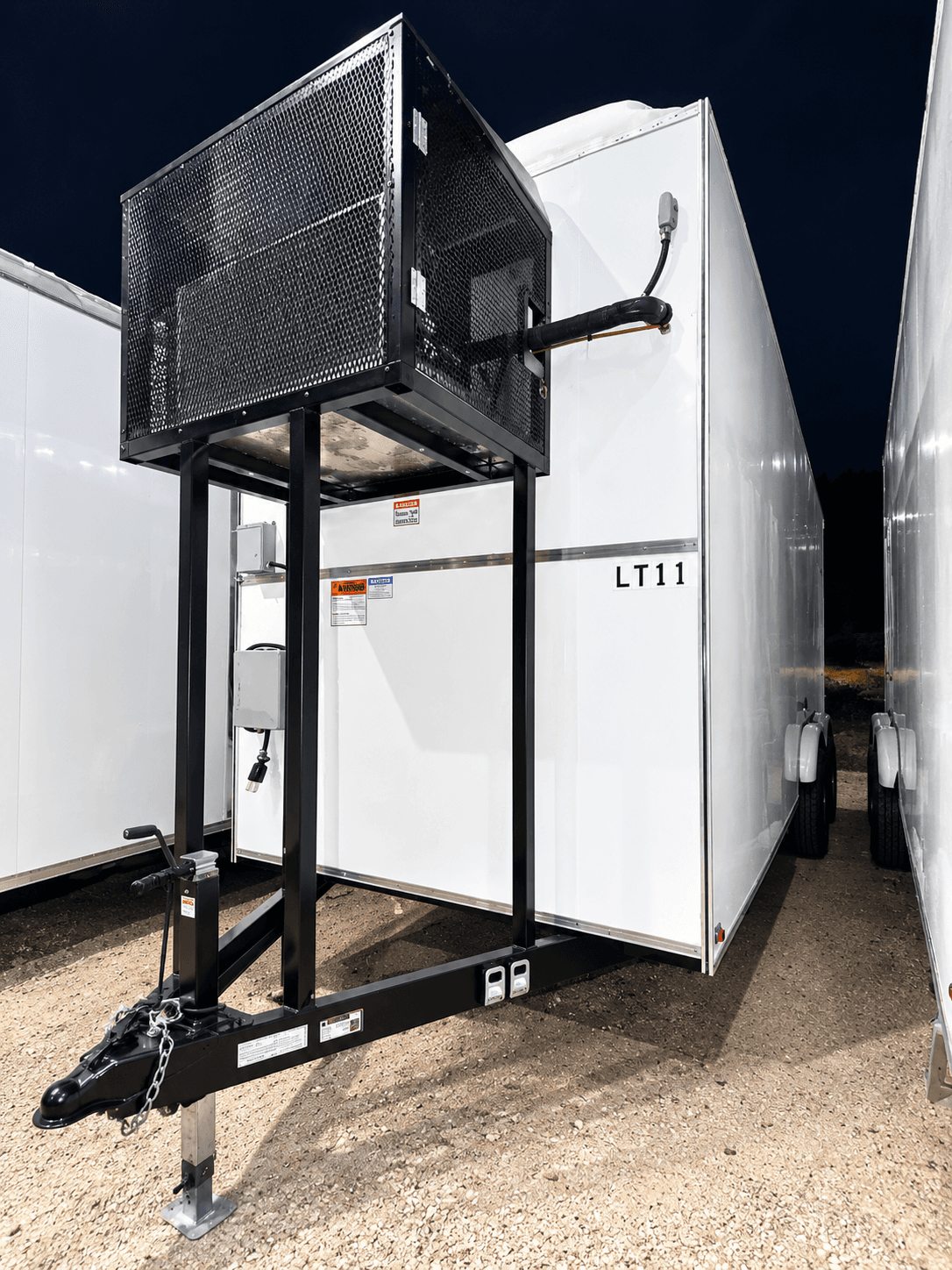
Compare the equipment
These published examples describe named company units. The supplied equipment, configuration and availability are confirmed for your project address.
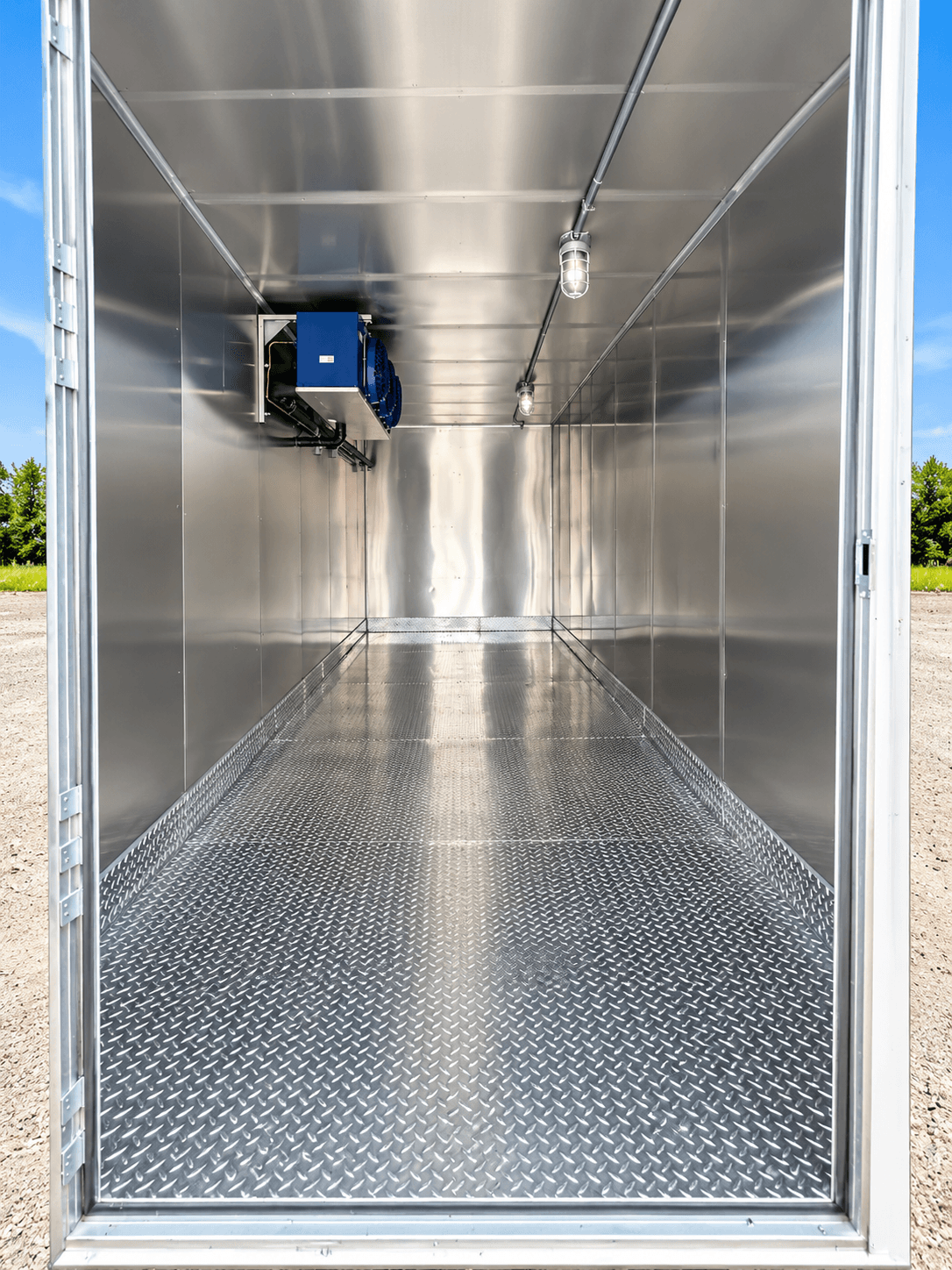
Listed refrigeration trailer equipment: condensing unit, amps panel, lighting.
Equipment records reviewed October 19, 2026. Temperature labels are inventory labels, not verified operating ranges. Nominal length is a model label, not a measure of usable space or site footprint.
For a civic-event caterer in Riverside, the immediate problem may be a failed cooler between consecutive bookings. The coordinator should identify which trays belong to each booking before anything leaves its original position. That distinction makes a reduced-stock service possible without mixing another customer’s order into the replacement space. Give the temporary refrigeration request the facts already checked, including what stock has moved and what remains in the affected room. The National Hurricane Center documents Hilary’s effects across Southern California in August 2023.
Two meeting bookings can create two different storage deadlines. If refrigeration stops between them, ask the coordinator which trays have been released for service and which orders must remain untouched. Use those allocations when describing the next transfer, and keep the booking organizer informed before another supplier sends a replacement order to the same receiving point.
To turn this local picture of planned work and breakdowns into an equipment shortlist, start with the 12ft Refrigerated Trailer guide and its notes on where a compact unit can stand near the kitchen door and which stock must move first.
Riverside’s Eastside Library page records a September 2025 groundbreaking, an October 2025 notice to proceed and structural work in September 2026. These are owner-reported milestones. For a Riverside operator arranging temporary refrigeration during its own project, a permit or contract date cannot replace the stock-transfer plan. Review the next operating milestone with the project manager. The cited public work is separate from the hypothetical rental scenario discussed here.
Several neighboring guides cover situations that resemble parts of an inquiry from Riverside. Jurupa Valley’s guide is organized around phased work, citing the City of Jurupa Valley entry “March 19, 2026 City Hall study”. A separate comparison is Moreno Valley’s guide, which covers commercial projects. Bring the same practical questions about access, timing and storage to your Riverside inquiry.
A civic building may accept a catering delivery while finishing work continues in another room. The kitchen coordinator should identify the booking actually using the premises and tell the dishwashing team which support area is usable. Review the refrigerated stock at its busiest overlap, rather than infer the food-service requirement from the construction project’s size.
A government or civic food-service manager in Riverside or Jurupa Valley, California, can describe supplier arrivals alongside the periods when staff collect ingredients for preparation and service. Have the property and food-service contacts review the receiving route together before the purchase representative treats a proposed position as agreed.
Before building-system work around occupied event rooms begins in Riverside, identify the first displaced product group. The active rooms may keep serving while another area is closed. Match each relocation to its room-release date and tell the contractor which stock movements must remain possible during the work. A cold-storage lease should follow that specific sequence rather than an unqualified estimate for the whole property.
Another nearby guide, Corona’s, covers renovation planning, citing the City of Corona entry “adopted FY2025–2034 capital plan”. It is background reading, not a statement about Riverside.
Work above a meeting room can change when staff are allowed to cross the corridor outside it. Build that restriction into the kitchen replenishment plan, and give dishwashing returns a destination that remains accessible. A temporary refrigeration position is useful only if the caterer can reach it during the actual preparation and clearing windows.
An access review at Riverside should account for contractor deliveries crossing staff movement and the route from the proposed unit to the working room. Operators considering Jurupa Valley, Grand Terrace or Colton should give the actual address concerned. Do not use a neighboring place name as a substitute for the entrance and receiving contact.
Ask the Riverside site manager where contractor deliveries and catering staff separate. The agreed refrigerated position should let the receiver identify food deliveries without drawing visitors into a working service area. Record who checks the cold-storage connections and who can approve a changed entrance if the contractor’s access plan is revised.
The Riverside quotation should explain the date the final booking returns to permanent facilities, because that milestone affects the real holding period. Provide product details, required conditions and the largest quantity stored at once. Ask how the proposed refrigerated arrangement deals with an extension and which transport or site-preparation items remain outside the equipment charge.
Quote comparisons should follow the final meeting that needs outside holding space, including the stock return afterward. Ask whether collection can occur only once that booking clears and what notice the operator must give. The current cold-storage offer should identify the rental period and address-specific transport, without treating a civic-project budget as a guide to rental charges.
Before you book
Describe prepared food assigned to separate meeting bookings and the date the final booking returns to permanent facilities. Explain the failed refrigeration, current goods and required conditions, with the first supplier arrival and the person making the receiving decision. That gives the proposal an operating sequence to review.
For a civic-event caterer, keep receiving separate from the public entrance. Kitchen and dishwashing requests depend on the functions actually displaced. Review the refrigerated position against the full work period, including the final stock return and any change to the accepted program.
Confirm the Riverside receiving arrangements for prepared food assigned to separate meeting bookings, including contractor deliveries crossing staff movement. Ask for the proposed refrigeration equipment and current terms in writing. A photograph or historical project description cannot confirm the property’s available services or a final rental arrangement.
These public references inform the planning examples; equipment availability and delivery arrangements are confirmed for your address.
Temporary refrigeration, kitchens and dishwashing can support many kinds of food-service operations. Each setting below starts with its own schedule, stock and site questions, and every project is reviewed individually.
Hotels, restaurants and resorts can plan temporary refrigeration around breakfast, banquet and dinner service when a walk-in cooler fails or a kitchen is refurbished.
Hospital, nursing home and care-facility kitchens can describe meal schedules, delivery times and displaced stock so temporary storage follows the food-service routine.
Municipal, county and public-building food-service teams can outline receiving arrangements, responsible contacts and project dates before a quote is prepared.
Dining facility managers can explain the products displaced, the receiving arrangements and the proposed period, then review availability and terms with our team.
Schools, colleges and universities can plan around term dates, serving windows and campus kitchen renovations so meal service can continue during repairs or construction.
Plant cafeterias and employee dining areas can describe shift patterns and staged building work so temporary cold storage can be reviewed against the working schedule.
Caterers and venues can plan preparation windows, event days and overflow ingredients, and describe how stock moves between storage, the kitchen and service.
Producers, wholesalers and distributors can describe loading, staging and storage needs when a cooler breaks down or demand temporarily exceeds capacity.
These examples describe planning situations. Equipment, availability and terms are confirmed in a project quote.
Cold storage is only one part of a project. These are the questions we work through with you before anything is booked.
Start with refrigerated containers and refrigeration trailers, then add a temporary kitchen or dishwashing trailer when the project needs one, all in a single conversation.
Access, utilities and the intended position are reviewed before delivery is arranged, so the equipment is matched to your site rather than the other way around.
Whether a walk-in cooler failed this morning or a renovation is months away, describe the real situation and plan around the stock, dates and people involved.
Planning guides cover all 50 states and more than 700 cities. Your address is then confirmed for equipment and delivery.
Use the rental calculator for a rate-range estimate and setup amount, then request a project quote that confirms availability, transport and the rental period.