BXRT20–1Refrigerated trailer
- Nominal length
- 20ft
- Listed electrical supply
- 220V · single-phase · 40–60A
- Inventory temperature label
- 32°F
Temporary cold storage in Seattle, Washington
Seattle refrigerated container rentals help commercial kitchens discuss an alternative after a walk-in cooler or freezer fails and during planned work. Refrigeration trailers and portable cold storage can be considered with mobile kitchen and dishwashing trailers for related projects. Restaurants, hotels, caterers, schools, hospitals and industrial food operations can explore short-term rental or longer lease requirements. Worldwide Refrigerated Container Rental Facilities serves Seattle, coordinating equipment and delivery around the actual property and dates. Describe the products requiring storage, required conditions and intended position to request availability and a current project quote.
Emergency cooler or freezer failure in Seattle? A person answers rental inquiries 24/7. Availability and delivery timing are confirmed in your quote.
Plan your rental budget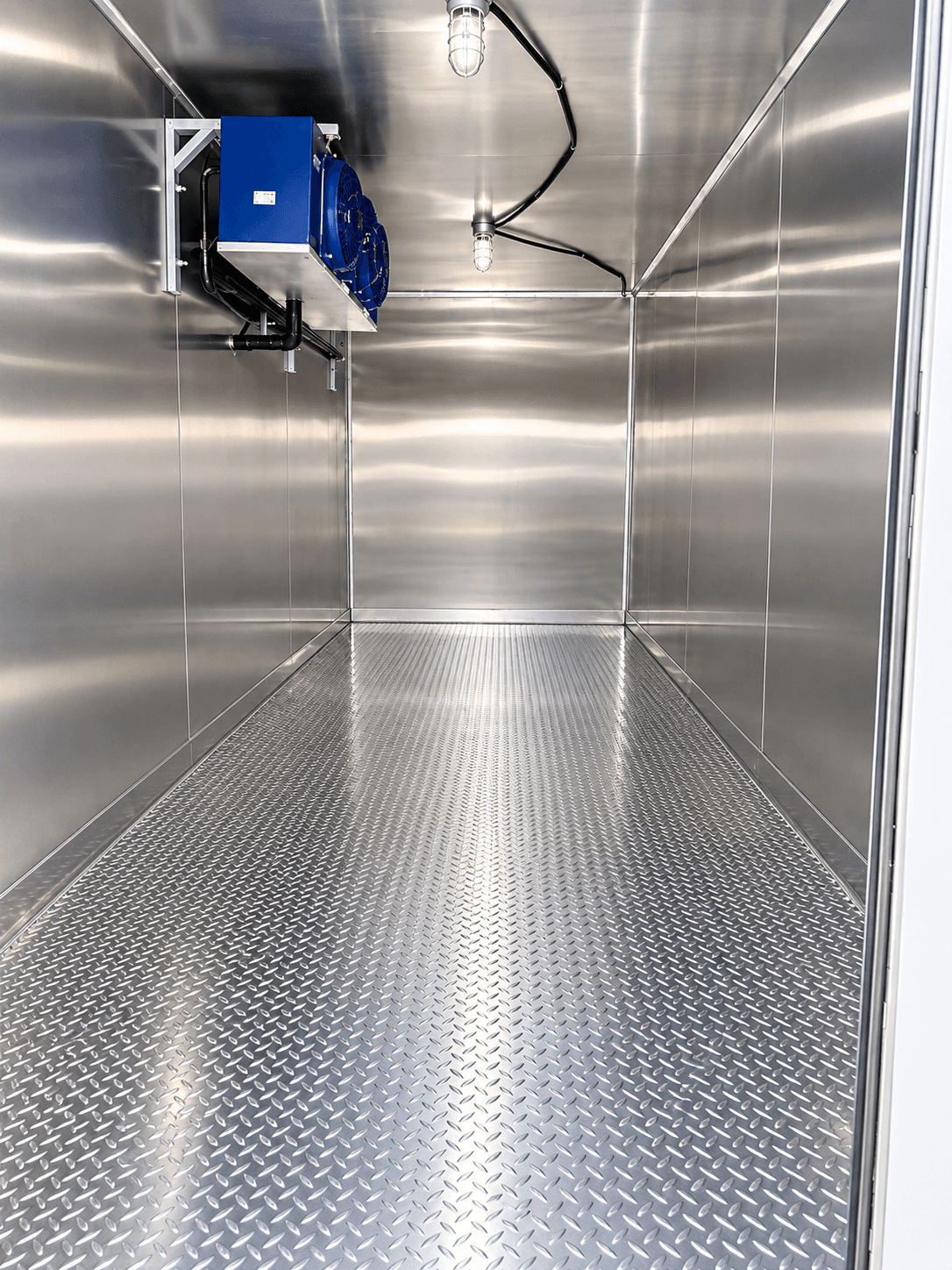
Compare the equipment
These published examples describe named company units. The supplied equipment, configuration and availability are confirmed for your project address.
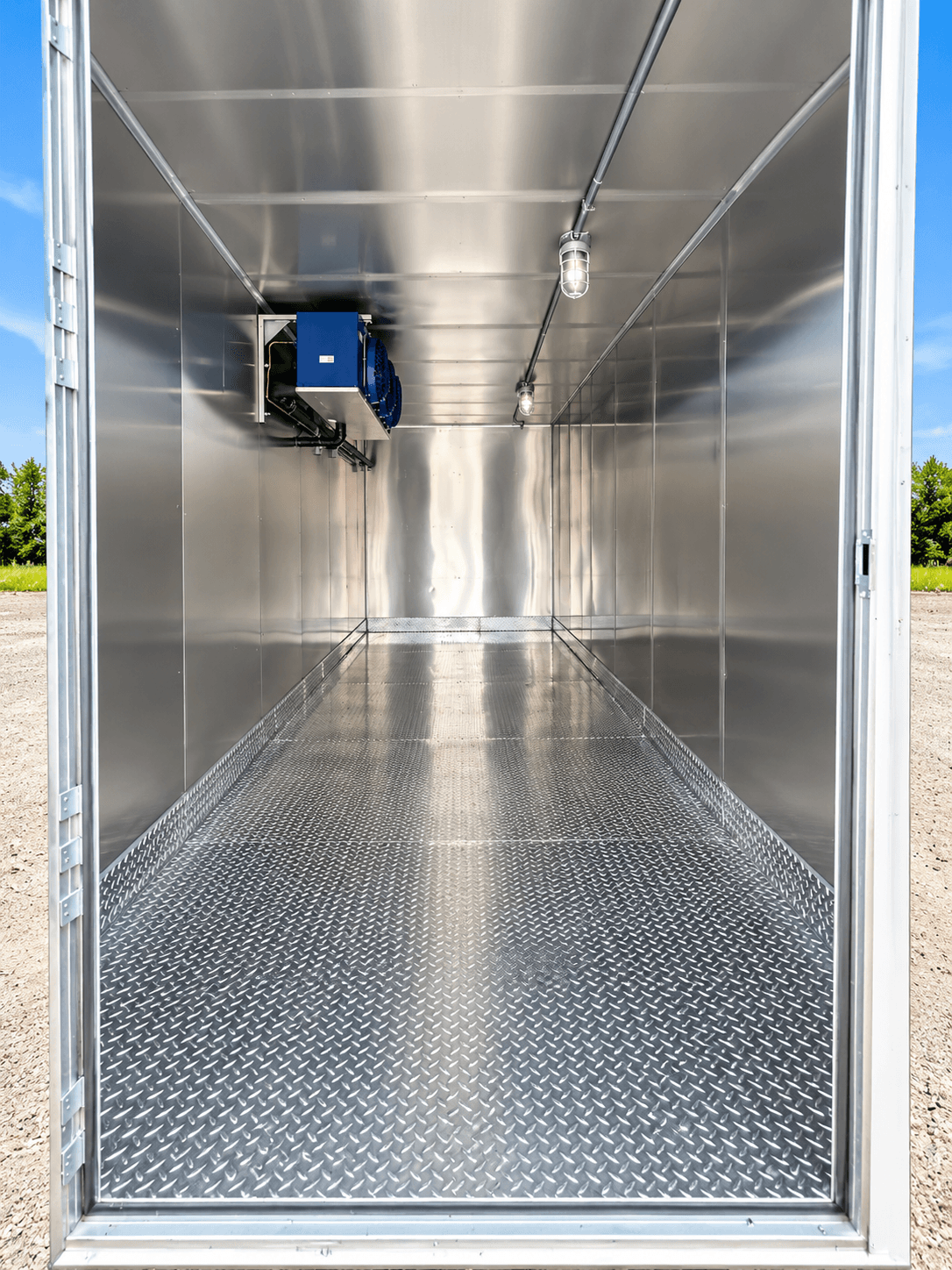
Listed refrigeration trailer equipment: condensing unit, amps panel, lighting.
Equipment records reviewed October 19, 2026. Temperature labels are inventory labels, not verified operating ranges. Nominal length is a model label, not a measure of usable space or site footprint.
In Seattle, Washington, Pike Market Food Bank describes separate grocery and ready-to-eat services. Its Express Bag descriptions include frozen protein, fresh produce and grain or starch items. These are different storage tasks, even when goods leave in one bag. A comparable food-distribution interruption needs the actual product conditions and packaging identified before refrigerated space is selected.
A Seattle walk-in failure can displace stock while other food-service work remains usable. Supplies arriving during the repair can create a larger refrigeration load than the first transfer. Separate chilled goods, frozen reserves and dry stock, then compare the offered doorway and interior with the cases or carts used for each. No empty equipment photograph establishes usable storage capacity.
LT2 in the 20ft Refrigerated Trailer guide is a named inventory example labelled -5°F, with a condensing unit, amps panel and lighting. Its listed electrical supply is 220V single-phase at 40–60A. The label is not a verified operating range, and the exact plug configuration and usable capacity remain unconfirmed. Required product conditions belong beside the actual offered trailer specification.
University of Washington Housing & Food Services describes chefs ordering farm produce for individual dining locations, alongside a reusable takeout-container program with dedicated collection machines. The produce arrives for preparation; containers return after meals. For a comparable commercial interruption, ingredient refrigeration, cooking work and returned service items need distinct routes and equipment roles.
K14 in the 38ft Mobile Kitchen Trailer guide lists a single-stack convection oven, griddle/oven combination, six-burner range/oven combination, deep fryers, sinks, prep table and reach-in refrigerator and freezer. Its supply entry is 220V single-phase at 200–220A. That configuration supports cooking and preparation; the listed reach-ins do not establish room for all bulk stock displaced from a permanent cold store.
D1 in the 22ft Dishwashing Trailer guide is a low-temperature push-through example with a soil tray, scraping table, three-compartment sink and handwashing sink. Its listed power is 220V single-phase at 150A. Dishwashing trailers address the returned-item workload. Machine classification alone does not supply a numeric washing temperature, throughput or water/drain connection specification.
A Clyde Hill hospitality refurbishment may reopen meal service before all storage returns. For teams managing Bellevue and Renton properties, keep each receiving load and refrigeration position tied to its own address. Similar menus do not create shared cold-storage capacity or a common utility arrangement.
In hospitality food service in Seattle or Mercer Island, Washington, an early supplier delivery may create the largest stock load before staff begin preparing guest meals. Include supplier arrival windows and menu requirements in the inquiry, with a property contact available to review placement and staff movement.
Seattle’s special-event map guidance calls for street and closure points, requested curb spaces, emergency access, business entrances and equipment such as cooking areas, generators and vehicles. Park layouts also include an electrical plan. For an event in that process, a proposed refrigerated position and its staff route should be visible within the working arrangement, rather than treated as unused space outside the public event area.
A Mercer Island preparation property supporting service elsewhere needs its own receiving and holding period; Seattle’s City-event process does not automatically describe another jurisdiction’s requirements. A Kent food-service operation likewise needs a defined stock destination. Ingredients can arrive before guest areas open, and remaining refrigerated goods may still need access while event clearing is under way. Those movements should follow the actual properties and authorized event contacts.
Seattle Public Schools separates permission to use a building from approval to use a school kitchen. Its community-use guidance requires Culinary Services supervision and approved designated refrigerator or freezer space. An event booking therefore does not, by itself, establish access to the school’s food storage or equipment. For an applicable school event, the operator needs a clear agreement on what remains available before comparing a temporary refrigerated arrangement.
A comparable school refurbishment on Bainbridge Island needs the meals that continue and the permanent storage still usable identified through each phase. The Seattle district’s procedures belong to its own facilities; the actual institution controls arrangements at its property. A temporary kitchen or dishwashing trailer may finish its task before the last cold-storage load moves indoors. Each equipment period should follow its function through testing, acceptance and stock return.
NOAA describes wetter western Washington, a drier interior and regional temperature differences. An outdoor Seattle refrigeration position needs the actual rental months and known drainage or access conditions considered alongside its technical requirements. The state summary is background, not a property survey or an operating rating for the supplied unit.
The selected refrigeration connection and staff route need to stay accessible after later supplier arrivals or construction changes. Show how ingredients enter and leave the stocked unit, including the approach for final collection. Cooking and washing areas have their own working movements; neither should consume the access reserved for cold-storage retrieval.
A person answers rental inquiries 24/7. For a failed Seattle commercial walk-in cooler or freezer, identify the stock affected now and the deliveries already due. The team reviews equipment availability and delivery arrangements for the actual property.
A complete Seattle proposal should name the equipment, operating period, transport, collection and site responsibilities. Setup and delivery is shown as a starting amount only; transport for the actual address, collection and other trips are confirmed in the quote. Include extension terms when the repair finish is uncertain. Request availability and a project quote covering the final transfer back to permanent cold storage.
Before you book
It needs a practical route from receiving through refrigeration to active preparation, including shared areas and later construction changes. Compare packages and staff movements with the offered doorway, layout and connections. The footprint is one part of the arrangement; the complete ingredient route helps assess daily usefulness.
Remaining goods can need refrigeration while preparation areas are cleared and stock returns to permanent storage. Describe those tasks and site access during clearing when discussing dates. The quote should address the complete working window and collection process rather than only the public program’s opening and closing hours.
Give refrigeration, cooking and dishwashing their own roles and dates within the project layout. Cold storage may remain useful while goods return after another facility moves indoors. Confirm offered configurations and the collection sequence in the proposal rather than assuming every unit is released at one shared milestone.
These public references inform the planning examples; equipment availability and delivery arrangements are confirmed for your address.
Temporary refrigeration, kitchens and dishwashing can support many kinds of food-service operations. Each setting below starts with its own schedule, stock and site questions, and every project is reviewed individually.
Hotels, restaurants and resorts can plan temporary refrigeration around breakfast, banquet and dinner service when a walk-in cooler fails or a kitchen is refurbished.
Hospital, nursing home and care-facility kitchens can describe meal schedules, delivery times and displaced stock so temporary storage follows the food-service routine.
Municipal, county and public-building food-service teams can outline receiving arrangements, responsible contacts and project dates before a quote is prepared.
Dining facility managers can explain the products displaced, the receiving arrangements and the proposed period, then review availability and terms with our team.
Schools, colleges and universities can plan around term dates, serving windows and campus kitchen renovations so meal service can continue during repairs or construction.
Plant cafeterias and employee dining areas can describe shift patterns and staged building work so temporary cold storage can be reviewed against the working schedule.
Caterers and venues can plan preparation windows, event days and overflow ingredients, and describe how stock moves between storage, the kitchen and service.
Producers, wholesalers and distributors can describe loading, staging and storage needs when a cooler breaks down or demand temporarily exceeds capacity.
These examples describe planning situations. Equipment, availability and terms are confirmed in a project quote.
Cold storage is only one part of a project. These are the questions we work through with you before anything is booked.
Start with refrigerated containers and refrigeration trailers, then add a temporary kitchen or dishwashing trailer when the project needs one, all in a single conversation.
Access, utilities and the intended position are reviewed before delivery is arranged, so the equipment is matched to your site rather than the other way around.
Whether a walk-in cooler failed this morning or a renovation is months away, describe the real situation and plan around the stock, dates and people involved.
Planning guides cover all 50 states and more than 700 cities. Your address is then confirmed for equipment and delivery.
Use the rental calculator for a rate-range estimate and setup amount, then request a project quote that confirms availability, transport and the rental period.