BXRT20–1Refrigerated trailer
- Nominal length
- 20ft
- Listed electrical supply
- 220V · single-phase · 40–60A
- Inventory temperature label
- 32°F
Temporary cold storage in Walla Walla, Washington
Walla Walla cold-storage rentals help commercial teams discuss another place for stock after a walk-in cooler or refrigeration unit breaks down. Planned renovations can also displace storage, while mobile kitchen and dishwashing arrangements may be relevant where preparation or cleaning cannot continue indoors. Restaurants, caterers, institutional dining services and industrial operators can inquire about short-term rentals or longer leasing. Delivery coordination requires a specific property, placement permission and connections reviewed for the proposed equipment. Explain the receiving pattern and repair or work sequence, then request availability and a quote from Worldwide Refrigerated Container Rental Facilities for your Walla Walla address.
Emergency cooler or freezer failure in Walla Walla? A person answers rental inquiries 24/7. Availability and delivery timing are confirmed in your quote.
Plan your rental budget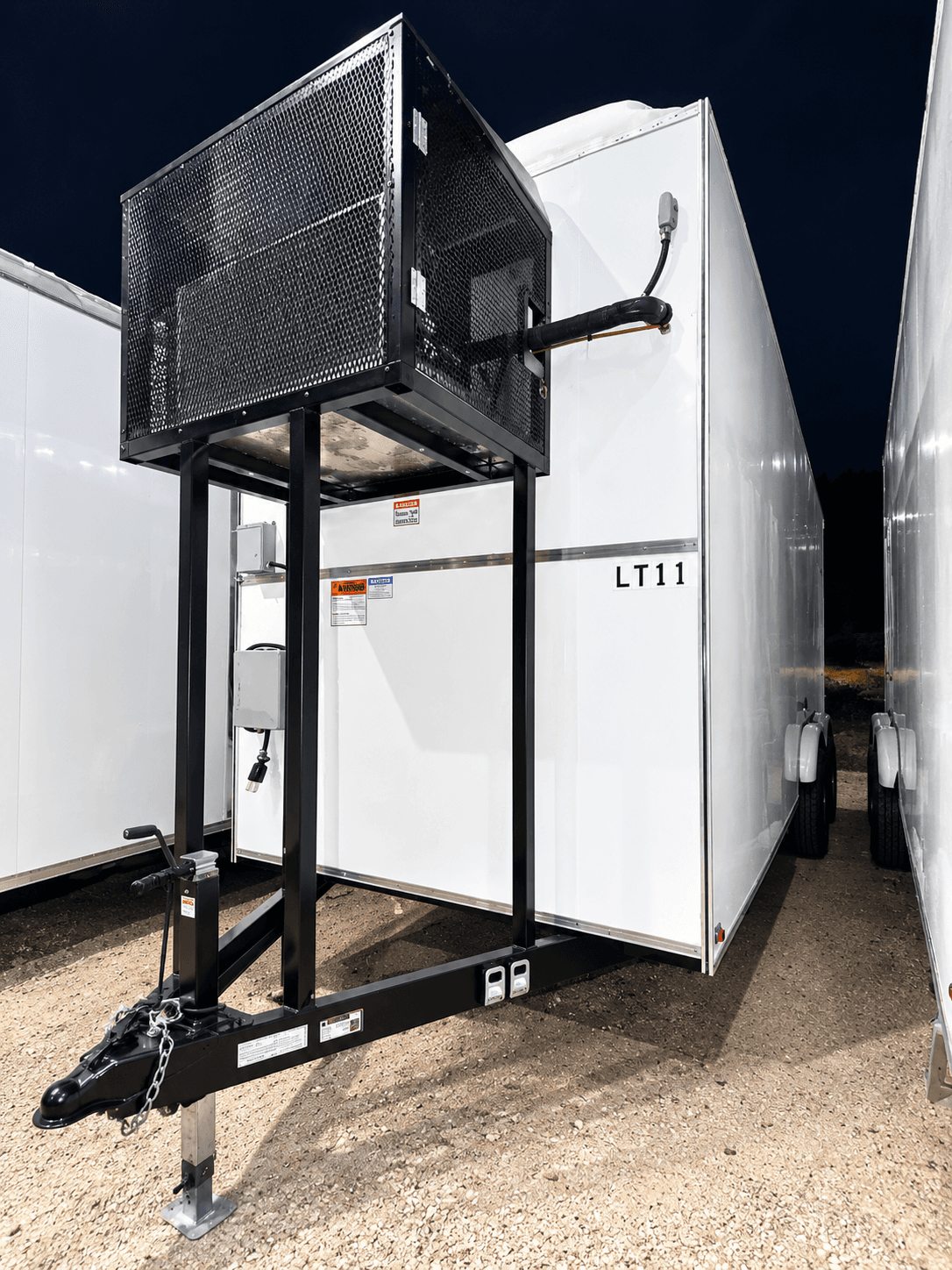
Compare the equipment
These published examples describe named company units. The supplied equipment, configuration and availability are confirmed for your project address.
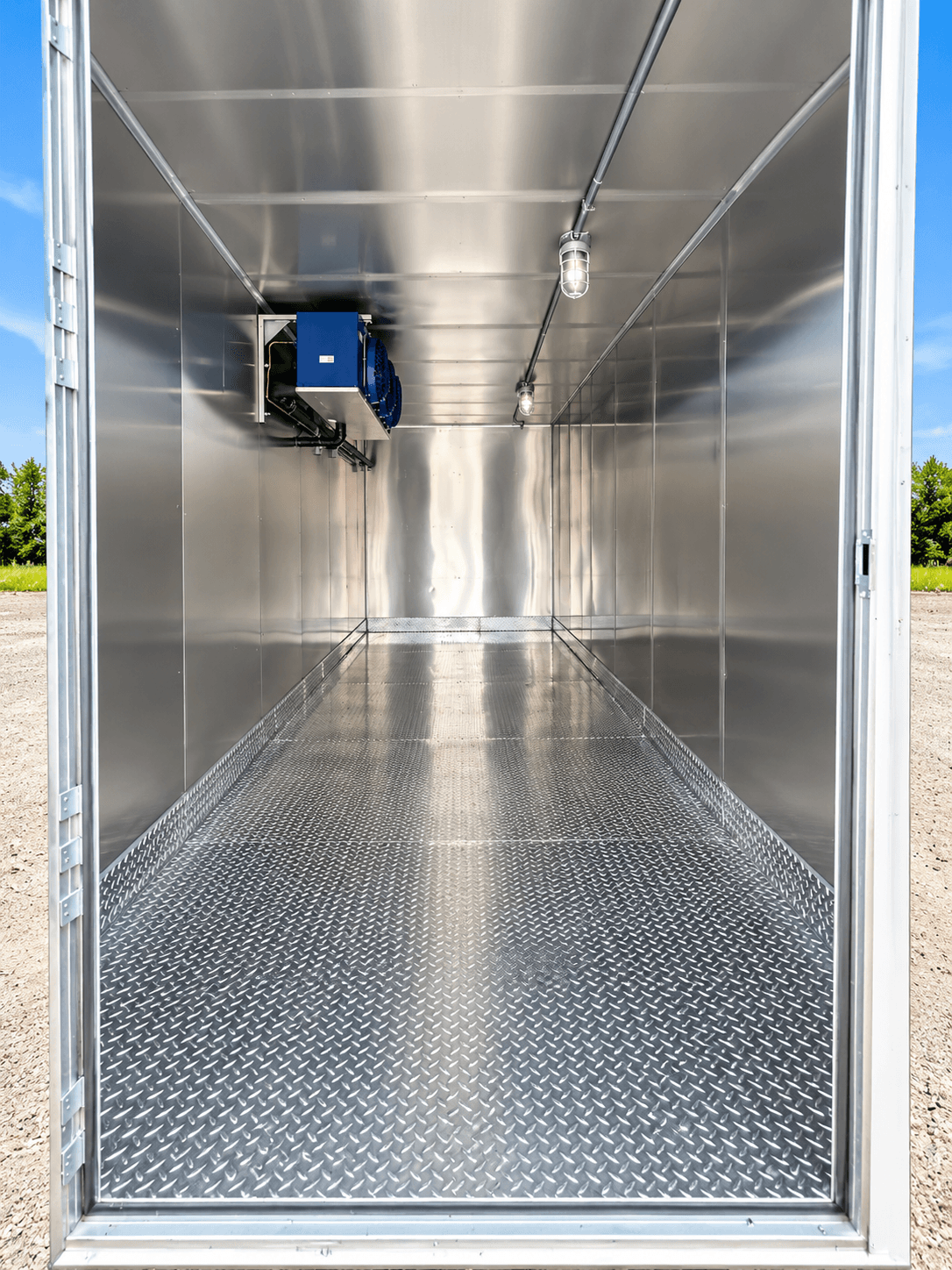
Listed refrigeration trailer equipment: condensing unit, amps panel, lighting.
Equipment records reviewed October 19, 2026. Temperature labels are inventory labels, not verified operating ranges. Nominal length is a model label, not a measure of usable space or site footprint.
The first emergency call may precede the next supplier’s dispatch deadline. Identify which Walla Walla orders have already left, which can be revised and who is authorized to make those changes. Replacement refrigeration should reflect the stock the business will actually retain. Review any earlier interruption for orders arriving after a temporary plan had already been agreed, then make the updated receiving responsibility explicit.
Washington’s NOAA summary documents the state’s 2015 wildfire season as a significant historical event; it does not establish an outage at this business. Use the current incident record and verified property conditions. If College Place is part of an actual purchasing or preparation arrangement, state which address receives the goods and whether any alternative cold-storage space has been checked before relying on it.
Read the 12ft Refrigerated Trailer guide alongside this page when planning commercial receiving plans; it looks at which stock must move first and at the power connection to confirm before delivery.
Walla Walla’s official bid listing records a May 2025 qualifications request for the Alder–Tausick–Airport pavement-preservation project. A qualifications stage concerns professional services and project development; it is not evidence that a road is under construction on your proposed delivery date. Keep that dated local context distinct from current traffic information and from any private-site refrigeration requirement.
Readers in Walla Walla may also want to compare how other nearby cities approach their projects. Kennewick’s guide focuses on events and commercial repairs, citing the City of Kennewick entry “Three Rivers expansion, April 18, 2025”, and a separate reading is Yakima’s guide on commercial food service. Neither guide describes Walla Walla itself, and both depend on their own site details.
In a separate commercial project, ask whether storage disruption begins with enabling work, utility changes or interior refurbishment. A drawing prepared during design may not describe the final delivery entrance. Give the rental discussion the latest approved site arrangement and the decision that releases each phase. Do not convert a preliminary procurement milestone into a confirmed shutdown or an assumed equipment reservation.
When an industrial dining facility closes for repairs in Walla Walla or Garrett, Washington, supplier deliveries may continue before an alternative receiving position has been agreed. Describe meal preparation times and ingredient holding requirements in the inquiry, without assuming that employee numbers establish equipment capacity.
A dining operator can retain a smaller service while its usual receiving quantities continue unchanged. Before relocating stock, compare the planned menu and operating days with standing orders. Record which deliveries will be reduced and which ingredients remain necessary. A temporary refrigerated arrangement should accommodate those decisions and preserve a clear path for the staff who check and release goods each day.
Operators near Walla Walla can also compare Spokane’s guide, which covers commercial food-service. It describes a different property and is useful mainly for the questions it raises.
Kitchen and dishwashing planning should follow the retained service, including any cleaning that continues after preparation stops. An operation in Walla Walla East may have its own receiving responsibility even when administration is shared. If Garrett is part of the real stock-transfer plan, name its role and accepted destination rather than treating another nearby community as automatically available spare capacity.
For Walla Walla placement review, show the commercial entrance, normal unloading area and route staff will use to reach refrigeration. Ask the site representative to confirm ground condition and clearances against the proposed unit. If routine suppliers need the same space, agree how those movements will be coordinated for the full rental period, not simply on the delivery day.
The offered equipment’s connections should be reviewed at the actual position by the responsible site representatives. Explain any planned changes in fencing, contractor storage or the receiving route before accepting a placement. Include collection in that review; the finished refurbishment can change access just as much as initial construction, and the removal path should not depend on an unplanned later relocation.
A Walla Walla cold-storage quote request should state the verified stock, incoming orders and date of the next purchasing or repair review. Distinguish chilled and frozen requirements and explain the busiest receiving period. Kitchen or dishwashing support should be described with its own function and dates if it is needed, rather than added as an assumed package.
Request written refrigeration availability, rental-period pricing and transport or collection terms for the specific address. Ask how the proposal can be reviewed if revised purchasing reduces the requirement or the permanent room remains unavailable. The calculator offers a starting comparison; the actual quotation must establish proposed refrigeration equipment, commercial terms and the site information still needing confirmation before the arrangement is accepted.
Before you book
It can change the quantity to assess. Provide the revised order schedule and stock retained, then ask for the proposal to be reviewed. Do not assume that a cancelled order automatically changes an agreed rental period or collection arrangement.
Verify its receiving authority, usable refrigeration and handling process first. Give both addresses and explain the real transfer. An informal offer of space should not be treated as a checked alternative on which the entire interruption plan depends.
No. Check the relevant current transportation information and the private entrance separately. A dated design or procurement notice identifies project context, while actual access and delivery arrangements still need confirmation for the proposed date and equipment.
These public references inform the planning examples; equipment availability and delivery arrangements are confirmed for your address.
Temporary refrigeration, kitchens and dishwashing can support many kinds of food-service operations. Each setting below starts with its own schedule, stock and site questions, and every project is reviewed individually.
Hotels, restaurants and resorts can plan temporary refrigeration around breakfast, banquet and dinner service when a walk-in cooler fails or a kitchen is refurbished.
Hospital, nursing home and care-facility kitchens can describe meal schedules, delivery times and displaced stock so temporary storage follows the food-service routine.
Municipal, county and public-building food-service teams can outline receiving arrangements, responsible contacts and project dates before a quote is prepared.
Dining facility managers can explain the products displaced, the receiving arrangements and the proposed period, then review availability and terms with our team.
Schools, colleges and universities can plan around term dates, serving windows and campus kitchen renovations so meal service can continue during repairs or construction.
Plant cafeterias and employee dining areas can describe shift patterns and staged building work so temporary cold storage can be reviewed against the working schedule.
Caterers and venues can plan preparation windows, event days and overflow ingredients, and describe how stock moves between storage, the kitchen and service.
Producers, wholesalers and distributors can describe loading, staging and storage needs when a cooler breaks down or demand temporarily exceeds capacity.
These examples describe planning situations. Equipment, availability and terms are confirmed in a project quote.
Cold storage is only one part of a project. These are the questions we work through with you before anything is booked.
Start with refrigerated containers and refrigeration trailers, then add a temporary kitchen or dishwashing trailer when the project needs one, all in a single conversation.
Access, utilities and the intended position are reviewed before delivery is arranged, so the equipment is matched to your site rather than the other way around.
Whether a walk-in cooler failed this morning or a renovation is months away, describe the real situation and plan around the stock, dates and people involved.
Planning guides cover all 50 states and more than 700 cities. Your address is then confirmed for equipment and delivery.
Use the rental calculator for a rate-range estimate and setup amount, then request a project quote that confirms availability, transport and the rental period.