BXRT20–1Refrigerated trailer
- Nominal length
- 20ft
- Listed electrical supply
- 220V · single-phase · 40–60A
- Inventory temperature label
- 32°F
Temporary cold storage in Longview, Washington
Longview cold-storage rentals help commercial operators discuss replacement space after a walk-in cooler or refrigeration unit breaks down. Planned utility work can also interrupt storage, preparation and cleaning, making mobile kitchen and dishwashing requirements relevant to the initial request. Restaurants, institutional dining services and industrial food-service teams can inquire about short-term rentals or longer lease periods around the work. Delivery coordination begins with the specific property, placement approval and connections verified for the proposed equipment. Explain which functions remain usable and when the next utility decision occurs, then request Longview availability and an address-specific quote from Worldwide Refrigerated Container Rental Facilities.
Emergency cooler or freezer failure in Longview? A person answers rental inquiries 24/7. Availability and delivery timing are confirmed in your quote.
Plan your rental budget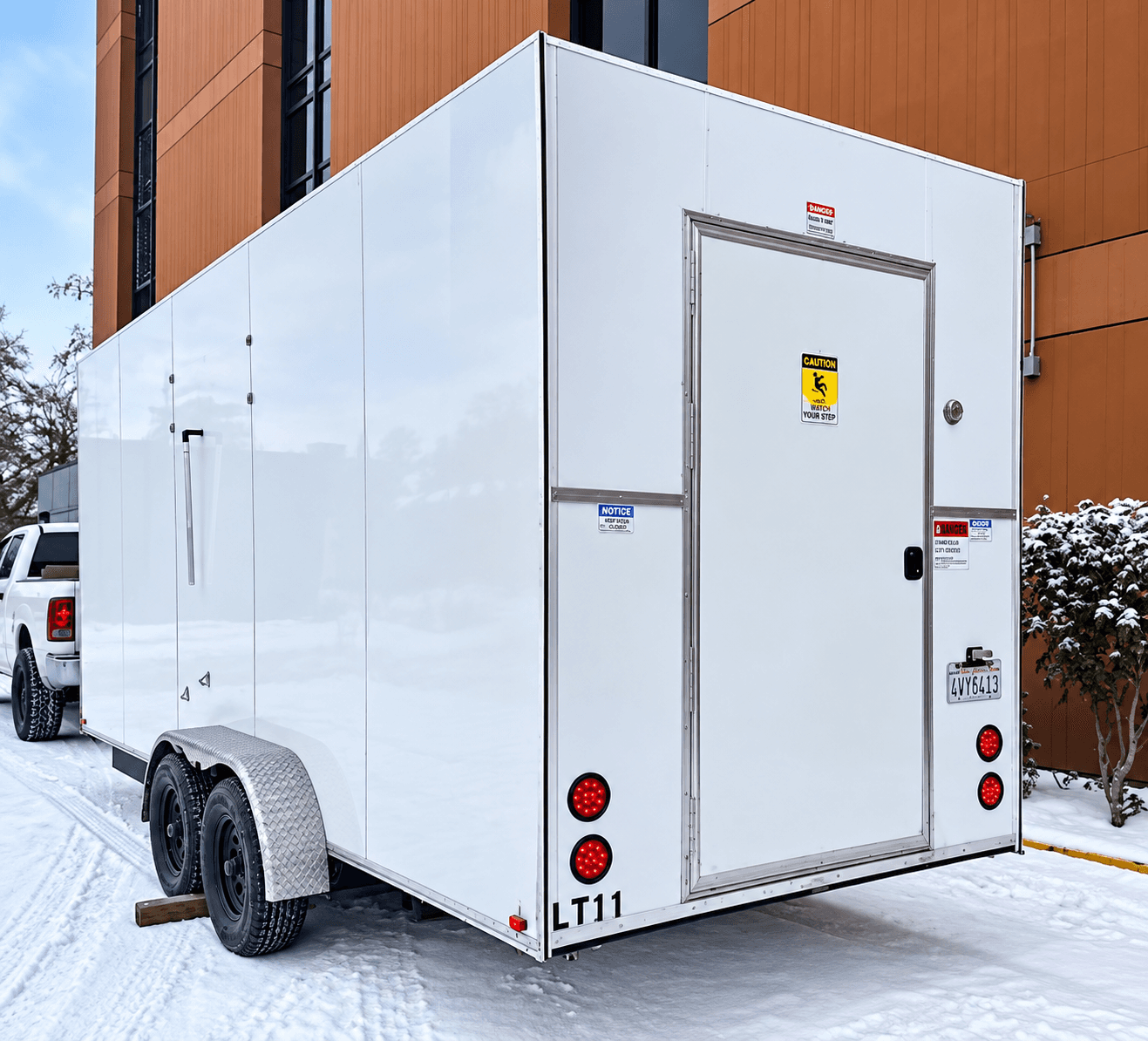
Compare the equipment
These published examples describe named company units. The supplied equipment, configuration and availability are confirmed for your project address.
Listed refrigeration trailer equipment: condensing unit, amps panel, lighting.
Equipment records reviewed October 19, 2026. Temperature labels are inventory labels, not verified operating ranges. Nominal length is a model label, not a measure of usable space or site footprint.
A past outage may have affected a single storage room, a receiving area or the whole commercial operation. Establish that boundary before repeating an earlier temporary arrangement in Longview. Review incident records for what remained in service and the point at which stock had to move. Replacement refrigeration should solve the documented interruption rather than inherit assumptions from a different utility problem.
Washington’s NOAA summary records winter-heavy precipitation and substantial regional contrasts. This is state context, not evidence of a particular Longview power or water failure. For the present request, describe observed conditions and repair advice. If Kelso is involved in dispatch, clarify whether goods will remain there, move from there or simply be ordered by someone there; each option changes the cold-storage discussion.
When the work involves commercial utility transitions, the 20ft Refrigerated Container guide is a practical next read, covering the ground and drainage beneath the unit and one resting place for the whole project before a quote is requested.
Lower Columbia College’s capital-project page identifies the Workforce Education Center, previously called the Center for Vocational and Transitional Studies. Its phase-one scope includes campus water-line relocation, access drives and service utilities. Follow the owner’s project description when confirming who controls the construction and the property.
Nearby guides can help frame your questions. Vancouver’s guide covers planning during food-service work. For a different working situation, Olympia’s guide covers institutional moves. Those are separate sites with separate requirements, so use them only as prompts for your Longview request.
For your own refrigeration lease, identify who can confirm the utility interruption and who accepts the restored service. A building contractor’s working window may differ from the utility provider’s confirmed changeover. Keep those dependencies visible when discussing the first stock transfer and the return indoors. The college project is local context, not proof of customer history, rental demand or current road conditions.

During examination periods in Longview or Kelso, Washington, campus catering teams may need to maintain meal service while contractors work around occupied dining spaces. Discuss how staff will move ingredients from receiving to preparation while keeping contractor activity separate from the agreed meal service route.
Restoring a connection does not by itself explain how receiving resumes. Before permanent storage closes, document the acceptance steps for its return: the responsible operator’s checks, the first goods moved and the staff instruction for subsequent deliveries. A temporary refrigerated position can bridge that process, but the business should define what evidence permits the next batch to return inside.
Operators near Longview can also compare Tacoma’s guide, which covers shift food service. Check your own site details separately before relying on any comparison.
Kitchen or dishwashing work may require separate acceptance even when it shares the same contractor. If a Kalama commercial team helps with preparation, identify its address and exact responsibility. A Woodland purchasing coordinator may manage orders without accepting stock. Use those distinctions to prevent a utility handover from becoming an assumed reopening of all activities or an unverified transfer between different premises.
Supply the Longview entrance, internal approach and proposed refrigeration placement with current photographs. Ask the responsible site representatives to confirm requirements against the offered equipment. A connection near the permanent room may be unavailable during works or unsuitable for a temporary position; describe what the property can verify instead of assuming that proximity establishes compatibility.
Confirm who approves the position and how ordinary suppliers reach the remaining receiving area. If the contractor changes trenches, fencing or stored materials along the approach, send the updated arrangement for review. Plan collection around the finished site as well as delivery around the construction site, keeping a removal path available without assuming the equipment can be moved repeatedly during use.
A Longview cold-storage inquiry should include the utility interruption, expected stock quantities and the next confirmed review. Distinguish chilled and frozen needs, daily receiving and any period with unusually high stock. Kitchen and dishwashing support should have independent operating descriptions and end conditions where their return to service does not coincide with permanent storage.
Ask for written refrigeration availability, rental-period pricing and address-specific delivery and collection terms. State which dates depend on the contractor, utility provider or operator so any revision can be considered explicitly. The calculator provides a starting comparison only; the quotation needs to establish proposed equipment, site assumptions and the practical terms for keeping the temporary arrangement until the accepted storage handover is complete.
Before you book
Identify the party authorized to confirm the actual interruption, together with the facility operator who controls stock. A contractor’s anticipated window can be useful, but label it provisional until the relevant provider or responsible project authority confirms it.
The responsible operator must decide when the permanent refrigeration is ready to receive goods. Include that acceptance step and the stock-transfer process in your plan rather than equating electrical or water restoration with complete operational readiness.
Tell the quote team immediately and arrange review of another verified option. Do not assume an extension lead, an alternate supply or a move will suit the offered unit; the actual refrigeration arrangement needs confirmation before use.
These public references inform the planning examples; equipment availability and delivery arrangements are confirmed for your address.
Temporary refrigeration, kitchens and dishwashing can support many kinds of food-service operations. Each setting below starts with its own schedule, stock and site questions, and every project is reviewed individually.
Hotels, restaurants and resorts can plan temporary refrigeration around breakfast, banquet and dinner service when a walk-in cooler fails or a kitchen is refurbished.
Hospital, nursing home and care-facility kitchens can describe meal schedules, delivery times and displaced stock so temporary storage follows the food-service routine.
Municipal, county and public-building food-service teams can outline receiving arrangements, responsible contacts and project dates before a quote is prepared.
Dining facility managers can explain the products displaced, the receiving arrangements and the proposed period, then review availability and terms with our team.
Schools, colleges and universities can plan around term dates, serving windows and campus kitchen renovations so meal service can continue during repairs or construction.
Plant cafeterias and employee dining areas can describe shift patterns and staged building work so temporary cold storage can be reviewed against the working schedule.
Caterers and venues can plan preparation windows, event days and overflow ingredients, and describe how stock moves between storage, the kitchen and service.
Producers, wholesalers and distributors can describe loading, staging and storage needs when a cooler breaks down or demand temporarily exceeds capacity.
These examples describe planning situations. Equipment, availability and terms are confirmed in a project quote.
Cold storage is only one part of a project. These are the questions we work through with you before anything is booked.
Start with refrigerated containers and refrigeration trailers, then add a temporary kitchen or dishwashing trailer when the project needs one, all in a single conversation.
Access, utilities and the intended position are reviewed before delivery is arranged, so the equipment is matched to your site rather than the other way around.
Whether a walk-in cooler failed this morning or a renovation is months away, describe the real situation and plan around the stock, dates and people involved.
Planning guides cover all 50 states and more than 700 cities. Your address is then confirmed for equipment and delivery.
Use the rental calculator for a rate-range estimate and setup amount, then request a project quote that confirms availability, transport and the rental period.