Compare the equipment
Specifications for your rental planning
These published examples describe named company units. The supplied equipment, configuration and availability are confirmed for your project address.
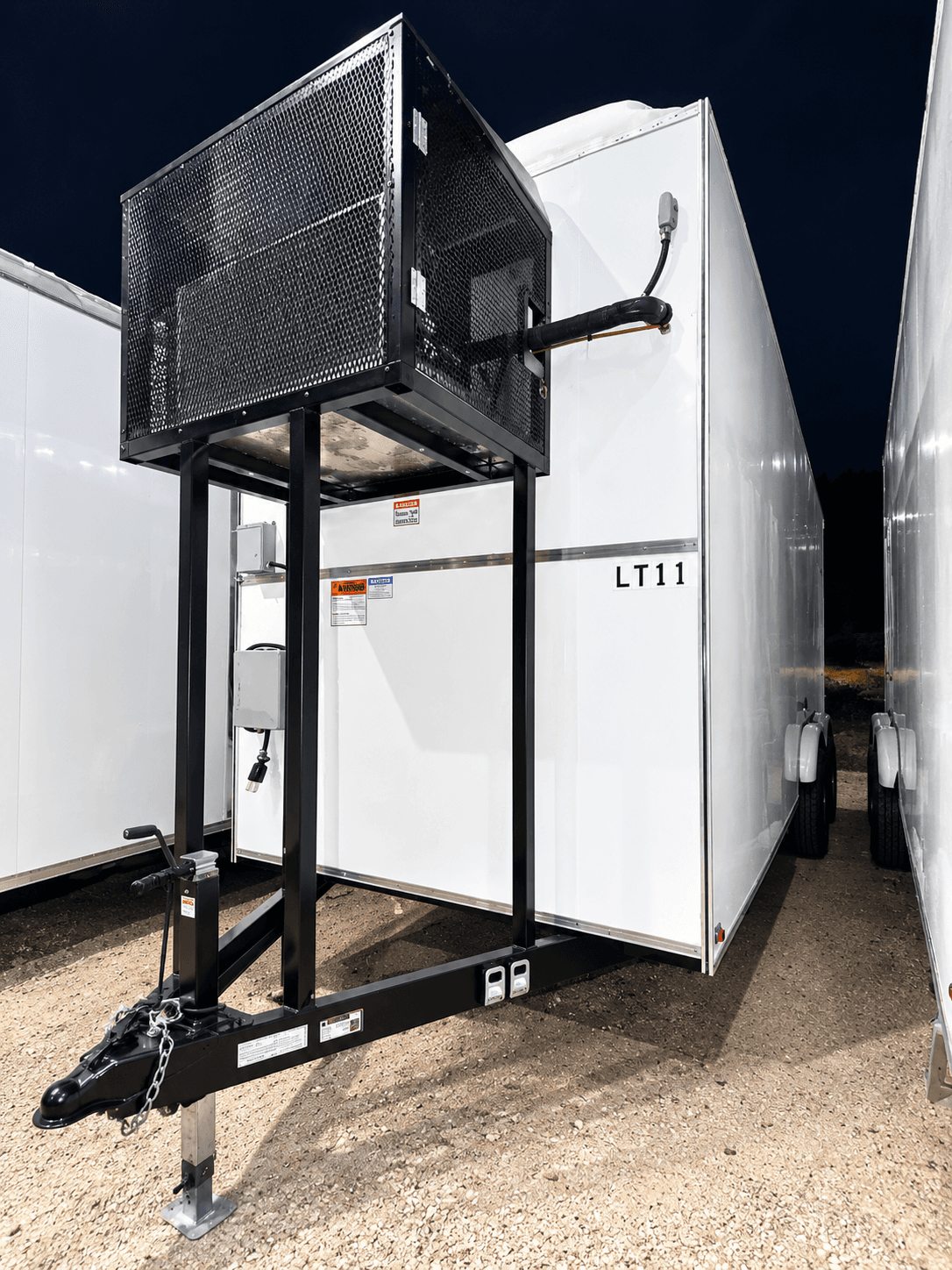
BXRT20–1Refrigerated trailer
- Nominal length
- 20ft
- Listed electrical supply
- 220V · single-phase · 40–60A
- Inventory temperature label
- 32°F
MT1Refrigerated trailer
- Nominal length
- 20ft
- Listed electrical supply
- 220V · single-phase · 40–60A
- Inventory temperature label
- 15°F
LT2Refrigerated trailer
- Nominal length
- 20ft
- Listed electrical supply
- 220V · single-phase · 40–60A
- Inventory temperature label
- -5°F
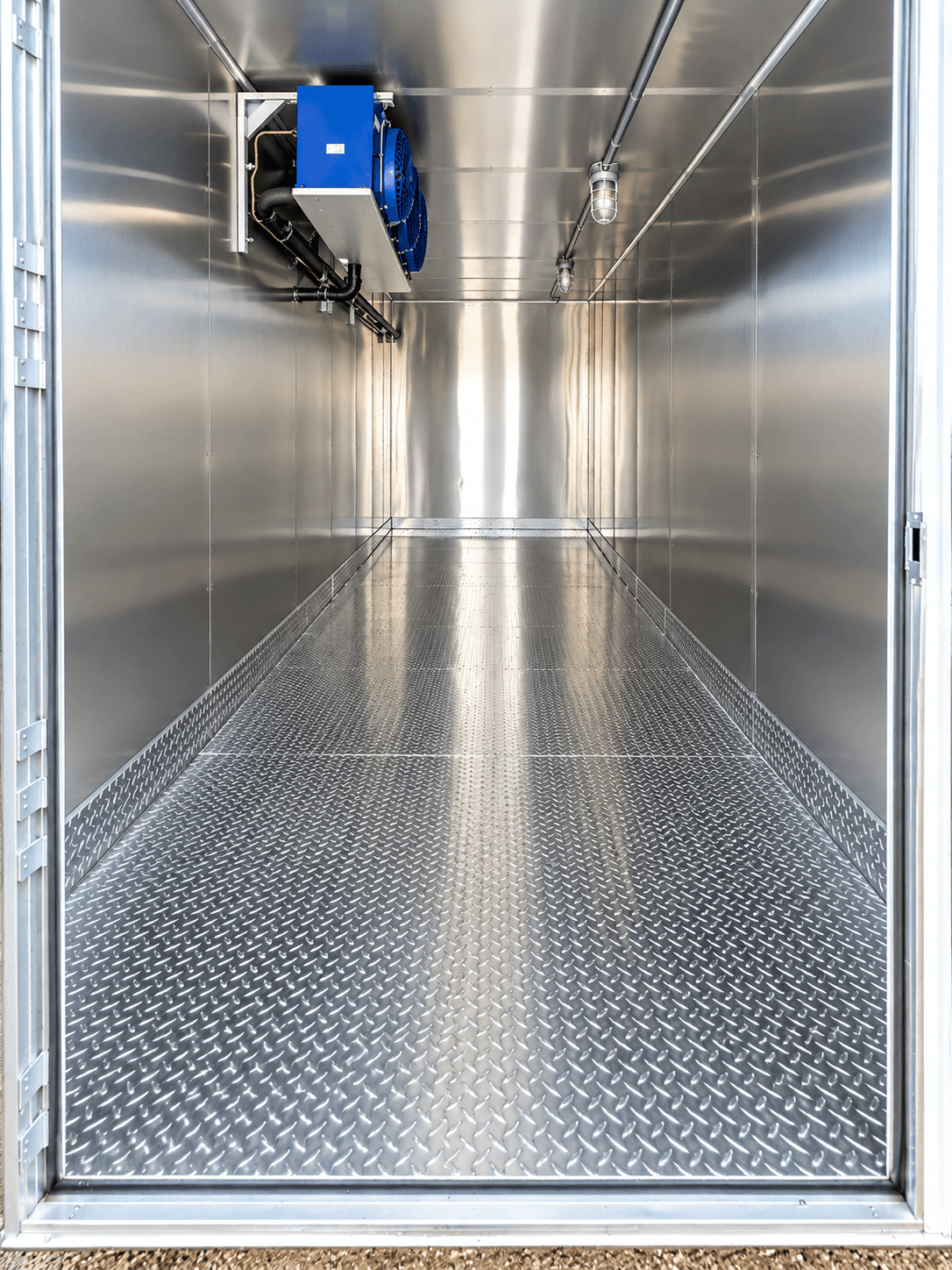
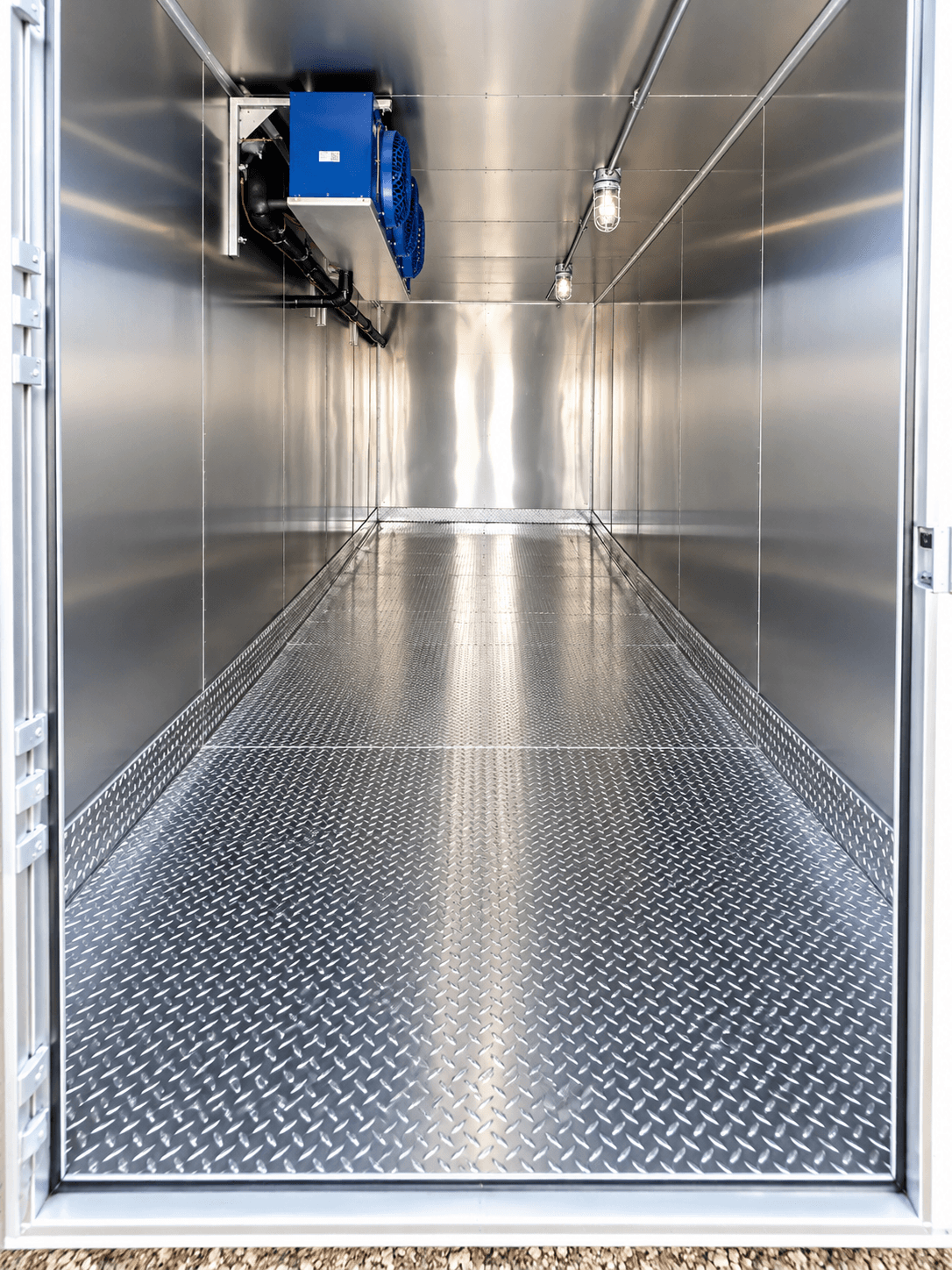
Listed refrigeration trailer equipment: condensing unit, amps panel, lighting.
Other cold-storage model details
- 12FT Refrigerated TrailerBXRT12–1 and BXRT12–2 list 220V · single-phase · 40–60A and a 32°F inventory label. Both are named as 12ft models, but their records also mention 20ft, so your quote confirms the length.
- 20FT Refrigerated ContainerYour quote confirms this container’s power, temperature and storage space for your project.
- 40FT Refrigerated ContainerYour quote confirms this container’s power, temperature and storage space for your project.
Equipment records reviewed October 19, 2026. Temperature labels are inventory labels, not verified operating ranges. Nominal length is a model label, not a measure of usable space or site footprint.
Keep the stock move separate from the building-work handover
The building project manager needs to distinguish the decision removing permanent equipment from use from the earlier stock move. Record who reviews products and temporary refrigeration, who supplies site information and which construction milestone depends on those decisions. A contractor ready to receive the space does not establish that goods have moved or that a rental arrangement has been agreed.
Compare separate holding labels before finalizing the stock move
BXRT20–1 and LT2 in the 20FT Refrigerated Trailer guide carry 32°F and −5°F inventory labels respectively. Each lists a condensing unit, amps panel and lighting. They are separate named examples, not the endpoints of a verified operating range or evidence that one proposed unit meets every product requirement.
A refrigerated container provides nominal 20ft and 40ft alternatives whose usable capacity, temperature capabilities and electrical requirements remain unconfirmed.
Compare the offered refrigeration trailer or container with goods still accounted for in the work area, incoming orders and repeated ingredient retrievals. Keep the responsible product contacts’ conditions beside that comparison instead of deriving the stock task from a provisional building sequence.
Prepare a rental brief for military dining
A military dining manager comparing Modesto with a separate Alabama location can explain peak stock overlap rather than relying on meal numbers alone. Identify the authorized site representative and ask which receiving instructions can be supplied for a review of the proposed equipment arrangement.
Keep cooking and machine washing in separate equipment handovers
The 40ft Combo example A in the 40FT Combo Kitchen Trailer Rental guide lists a single-stack convection oven, griddle/oven, six-burner range/oven, deep fryers, reach-in refrigerator/freezer and walk-in cooler. Its published list does not document a machine dishwasher. The cooler also does not specify the usable capacity or connections of a separate refrigerated container.
D7 in the 38FT Low Temp Dishwashing Trailer guide lists a low-temperature system, soil tray, prep table, racks, sinks and water heater. Its records disagree about the loading mechanism, and throughput is undocumented. Keep the offered washing layout and clean-item destination separate from ingredient holding, with selected-unit instructions, product responsibilities and a contact for equipment questions available across shifts.
Keep incoming and outgoing stock identifiable
Record supplier loads, reserved orders, department owners and retrieval times in one flow description. Compare it with the offered entry and working layout. A building handover should not remove the identity of goods still awaiting dispatch.
Define the actual holding task
Retain arrival conditions and the product owner’s required conditions for each group. Holding conditioned stock and changing its temperature need different equipment information. Keep frozen or conflicting tasks separate until the offered arrangement is reviewed.
Separate the uncertain works period from agreed terms
Record the earliest holding need, expected duration and decision likely to clarify it. Keep minimum terms, extension requests and collection arrangements with the actual offer. A revised works program is not agreement to different commercial terms.
Keep the current position and its review together
Mark the proposed footprint, loading side, route and property contact controlling installation and collection. Note later gates, contractor storage or boundary changes. Match clearance questions to the actual unit before adopting a revised position.
Review the electrical entries against the current works phase
BXRT20–1 and LT2 each list 220V single-phase at 40–60A; the 40ft Combo example A lists 220V single-phase at 200–220A; D7 lists 220V single-phase at 220A. Shared voltage does not establish a common connector or suitable supply. The responsible site professional needs selected-unit requirements and exact connections, including route restrictions or changed services in a later construction phase.
Keep the acknowledged stock milestone in the offered scope
Request current availability and a quote covering the offered equipment, rental period, delivery, collection and additional items. Keep unanswered product and site decisions beside it. A revised building handover should identify the stock or timing requirement that changes, rather than silently replace the arrangement described in the proposal.
Contact Worldwide Refrigerated Container Rental Facilities at +1 877-804-5153. Share your stock, site and dates, then ask about current equipment availability, rental or lease terms, delivery arrangements and a quote.
Give the stock move and building handover separate milestones
The building project manager can identify the decision that removes permanent equipment from use and the earlier task of finding an interim stock arrangement. Put those on the program as separate milestones, each with its responsible contact. A contractor being ready to start does not establish that the business has completed its product and equipment reviews.
Before handing over the work area, check the current stock record against the space the contractor expects to receive. Identify goods still accounted for there and decisions that could change the movement plan. Communicate unresolved issues to the relevant operating lead and ask how the resulting timing affects the refrigeration inquiry. This keeps the building program understandable without allowing a proposed works sequence to stand in for an agreed rental arrangement.
Discuss your cold storage rental.
Confirm the equipment, delivery location, and rental period that fit your project.
Request availability