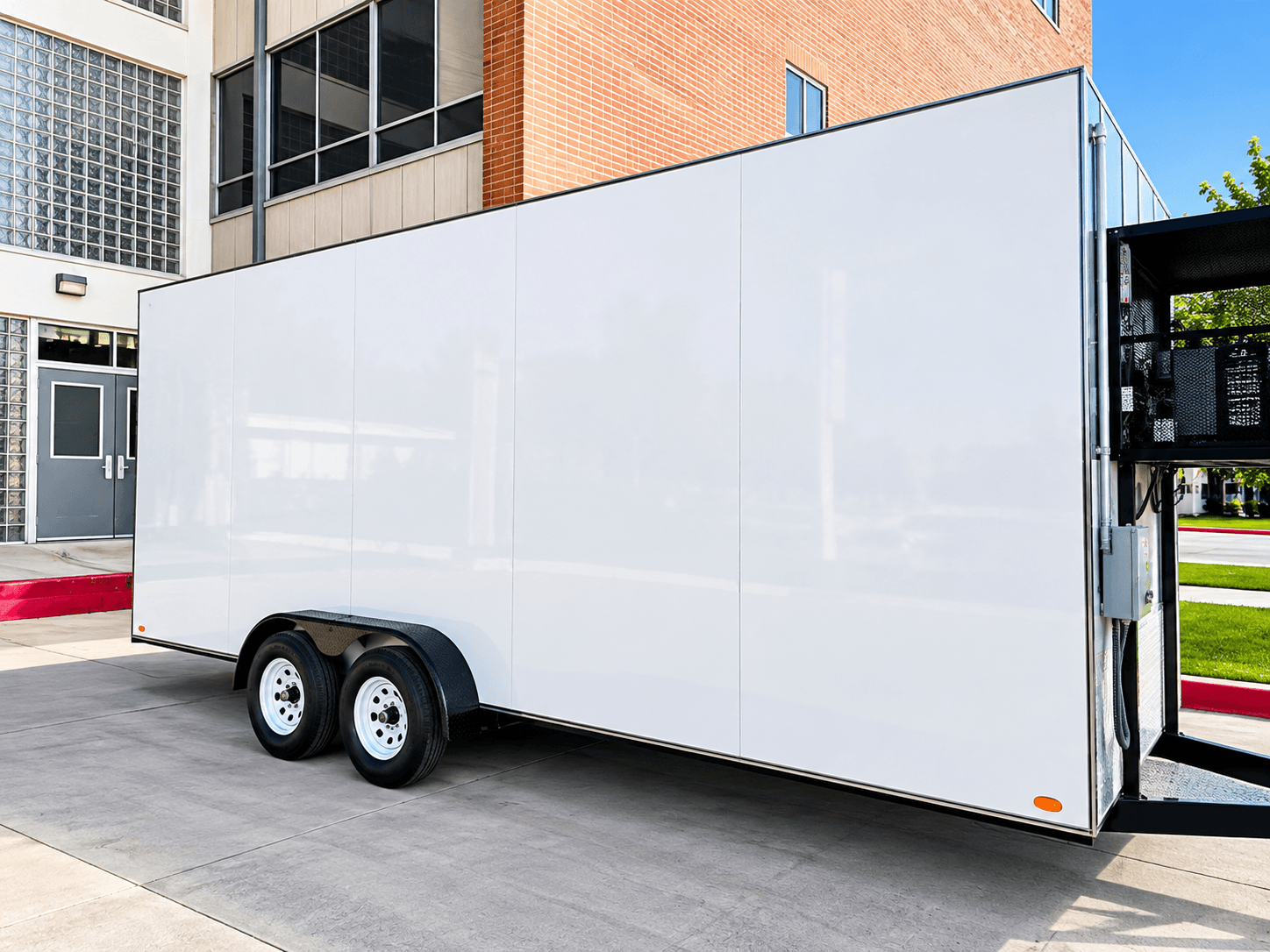
Compare the equipment
Specifications for your rental planning
These published examples describe named company units. The supplied equipment, configuration and availability are confirmed for your project address.
BXRT20–1Refrigerated trailer
- Nominal length
- 20ft
- Listed electrical supply
- 220V · single-phase · 40–60A
- Inventory temperature label
- 32°F
MT1Refrigerated trailer
- Nominal length
- 20ft
- Listed electrical supply
- 220V · single-phase · 40–60A
- Inventory temperature label
- 15°F
LT2Refrigerated trailer
- Nominal length
- 20ft
- Listed electrical supply
- 220V · single-phase · 40–60A
- Inventory temperature label
- -5°F
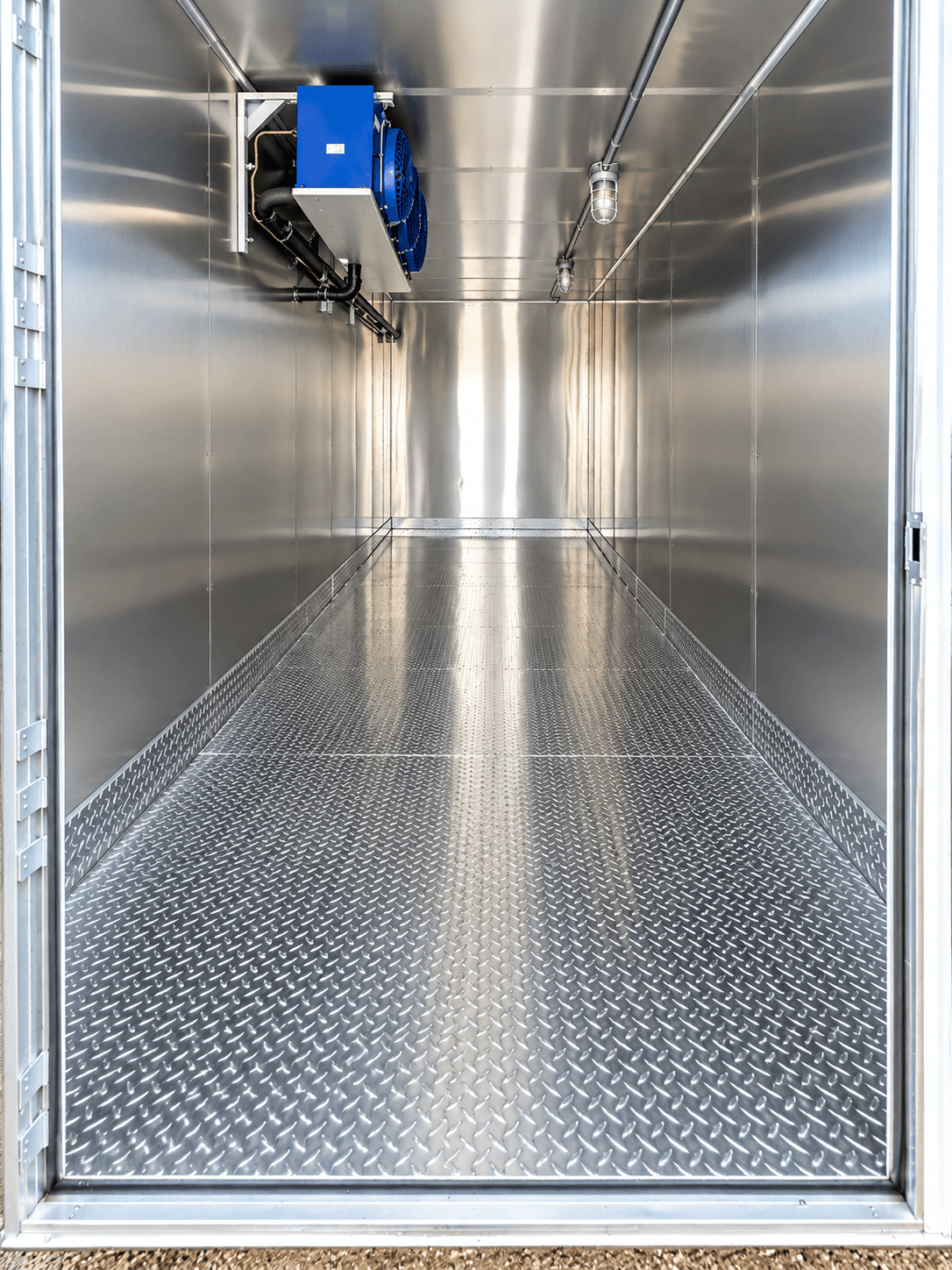
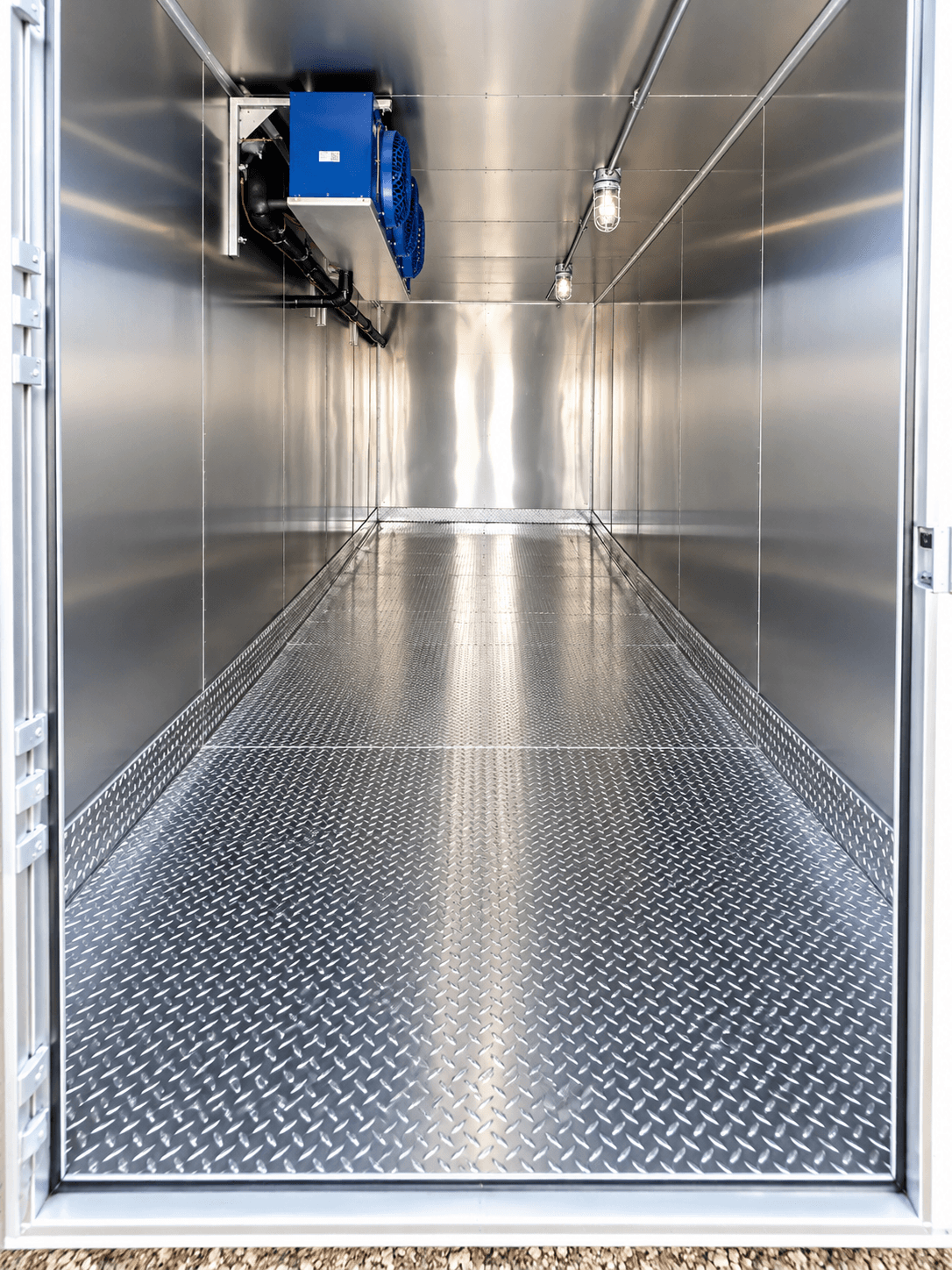
Listed refrigeration trailer equipment: condensing unit, amps panel, lighting.
Other cold-storage model details
- 12FT Refrigerated TrailerBXRT12–1 and BXRT12–2 list 220V · single-phase · 40–60A and a 32°F inventory label. Both are named as 12ft models, but their records also mention 20ft, so your quote confirms the length.
- 20FT Refrigerated ContainerYour quote confirms this container’s power, temperature and storage space for your project.
- 40FT Refrigerated ContainerYour quote confirms this container’s power, temperature and storage space for your project.
Equipment records reviewed October 19, 2026. Temperature labels are inventory labels, not verified operating ranges. Nominal length is a model label, not a measure of usable space or site footprint.
Describe repeated picks alongside the incoming load
The receiving manager needs to distinguish reserve packages from ingredients staff collect repeatedly during the day. An incoming order may arrive while kitchen teams request the same products. Keep the retrieval priority, supplier instruction and remaining stock identifiable so a changed routine reaches both teams. The equipment comparison should reflect that activity as well as the quantity requiring temporary cold storage.
Compare the holding example with the busiest retrieval period
BXRT20–1 in the 20FT Refrigerated Trailer guide lists a condensing unit, amps panel and lighting, with a 32°F inventory label. Its full operating range and suitability for the products remain unconfirmed. The label is not a door-use limit or a promise about performance during repeated access.
For a refrigerated container, nominal 20ft and 40ft options still need confirmation of usable capacity, power and temperature capabilities. Compare the offered refrigeration trailer or container with actual carts, case sizes and retrieval order, including reserve stock that remains inside during incoming deliveries.
Plan for food production and distribution handovers
Food production teams considering repairs in Oxnard or at a separate Kansas operation may continue receiving ingredients while their usual holding areas are unavailable. Record where each product group will be held and how staff will locate reserved stock without interrupting the agreed receiving route.
Review the loads against the actual connection routes
BXRT20–1 lists 220V single-phase at 40–60A; P1 lists 220V single-phase at 200A; D1 lists 220V single-phase at 150A. These figures apply to the named examples, not a generic replacement. The responsible site professional needs the selected units’ electrical requirements and exact connectors, with connection routes reviewed alongside stock movement and any planned building-services changes.
Review the full route for stock movement
Look beyond the final storage footprint and describe the complete movement of goods. Staff may need to pass through doors, use carts, cross a delivery area or work around construction activity before reaching the temporary refrigerator. Give the relevant site contact a chance to assess that route and identify restrictions. Ask for the entry details of the equipment being considered, including any loading aids that would need a separate discussion. Measurements should relate to the real carriers and products your team uses. Confirm how the arrangement will work during normal activity and during the busiest replenishment periods before committing to a position.
Plan around the busiest storage point
The useful starting figure is the greatest amount of stock expected at one time, including incoming orders that might arrive before older goods leave. Sketch that peak and note how it differs from an average operating day. Separate items that can remain packed from ingredients staff will retrieve frequently, and explain whether bulky containers or wheeled carts affect the layout. Include the supplier delivery pattern in the discussion. These details help frame a capacity inquiry without treating a nominal container size as a complete storage plan. Request a review of the expected load and the proposed working arrangement before reserving equipment.
Confirm the operating information for the selected unit
Once a possible unit has been identified, ask for the information needed to operate that specific equipment. Review its stated purpose, the controls staff will use and any loading guidance with the people responsible for the stock. Check whether your application calls for more than one storage condition and raise that before a decision is made. Record who approves the arrangement and who will receive the operating handover. Ask which of those points should be confirmed before your team makes its decision. Keeping them in the written brief helps avoid confusion between the product requirements you provide and the equipment characteristics that still need confirmation.
Separate preparation and washing from reserve holding
P1 in the 26FT Mobile Kitchen Trailer guide lists a prep table, sinks, reach-in refrigerator/freezer and water heater, without a documented cooking line. If preparation moves, identify which ingredients it draws from the separate reserve store rather than assuming the prep workspace replaces the full holding requirement.
D1 in the 22FT Dishwashing Trailer Rental guide lists a low-temperature push-through dishwasher, soil tray, scraping table and sinks. Returned ware and clean items need their own handover alongside the ingredient receiving record. Keep unit instructions and equipment concern contacts available to each team handling those different tasks.
Allow the inquiry to reflect changing project phases
Some projects need their greatest storage capacity at the beginning, while others build toward a busy service period or a later construction phase. Describe that pattern alongside the expected start and finish dates for the work. Note when inventory is transferred, when suppliers are expected and when the permanent storage is intended to return. Ask whether the proposed rental period and equipment arrangement can be reviewed against those needs. If the plan might change, discuss the extension and collection process in advance. Update the team when the dates become clearer and ask about current availability and terms for the period you need.
Review changes against the stored load and the quote
Request current availability and a quote covering the offered equipment, rental period, delivery, collection and additional items. Keep the process for changing dates or requirements with it. A revised replenishment routine may change the working arrangement even when the total stored quantity stays unchanged.
Contact Worldwide Refrigerated Container Rental Facilities at +1 877-804-5153. Share your stock, site and dates, then ask about current equipment availability, rental or lease terms, delivery arrangements and a quote.
Show the difference between reserve stock and frequent picks
For high-turnover chilled stock, the receiving manager can describe an ordinary retrieval period instead of reporting only the quantity on hand. Identify the ingredients staff repeatedly collect, the reserve packages used to replenish them and any incoming orders likely to arrive during that activity. Ask which details of the actual proposed unit need review against that pattern.
A practical handover can use one supplier arrival that coincides with repeated kitchen requests. Identify who directs receiving and who communicates a changed retrieval priority, then confirm that both teams have the same stock list. This exposes a possible workflow conflict without prescribing a layout or door-use limit. If the business changes its replenishment routine, update the activity description so the equipment discussion reflects the revised operation.
Discuss your cold storage rental.
Confirm the equipment, delivery location, and rental period that fit your project.
Request availability