Compare the equipment
Specifications for your rental planning
These published examples describe named company units. The supplied equipment, configuration and availability are confirmed for your project address.
BXRT20–1Refrigerated trailer
- Nominal length
- 20ft
- Listed electrical supply
- 220V · single-phase · 40–60A
- Inventory temperature label
- 32°F
MT1Refrigerated trailer
- Nominal length
- 20ft
- Listed electrical supply
- 220V · single-phase · 40–60A
- Inventory temperature label
- 15°F
LT2Refrigerated trailer
- Nominal length
- 20ft
- Listed electrical supply
- 220V · single-phase · 40–60A
- Inventory temperature label
- -5°F
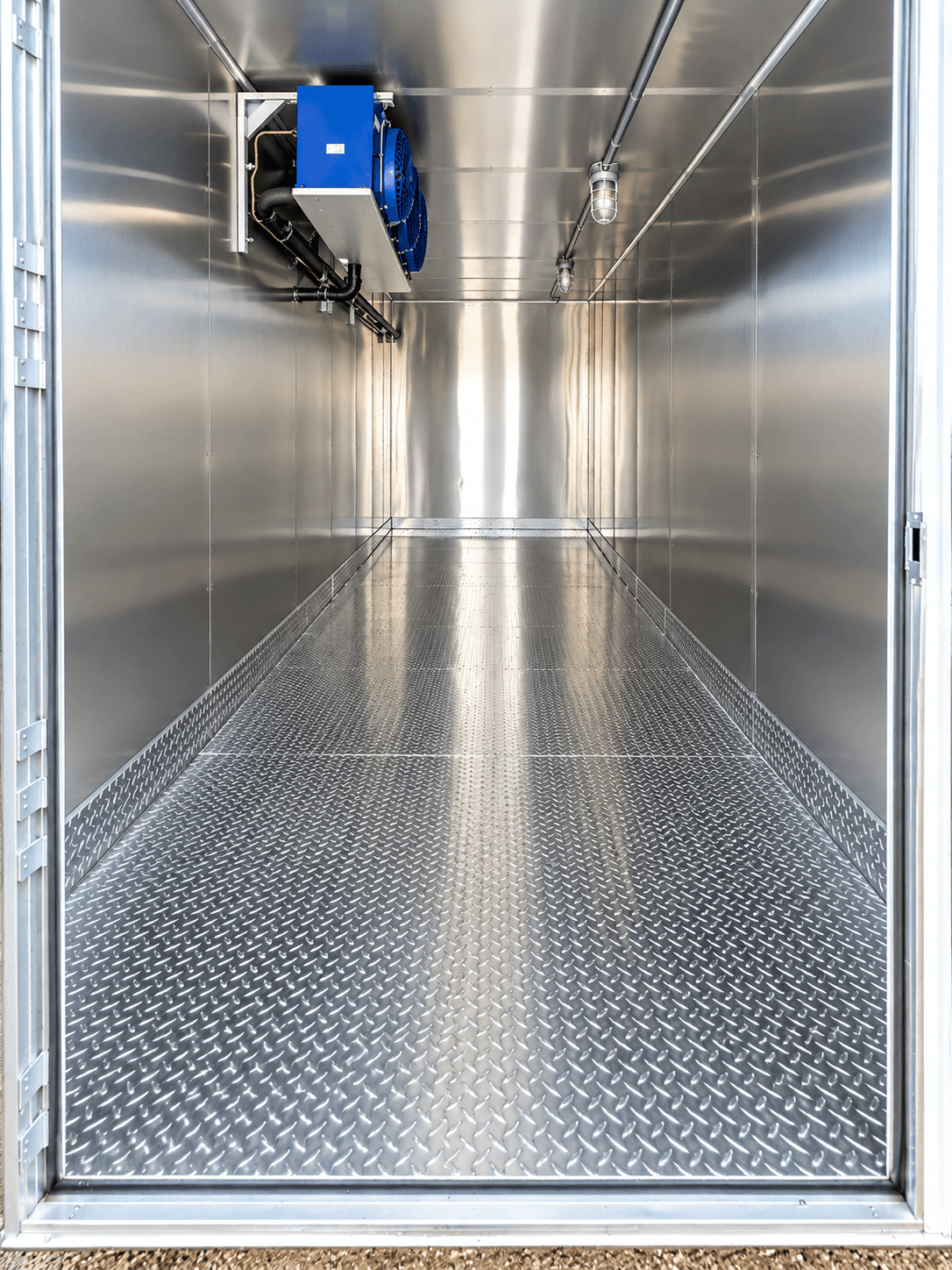
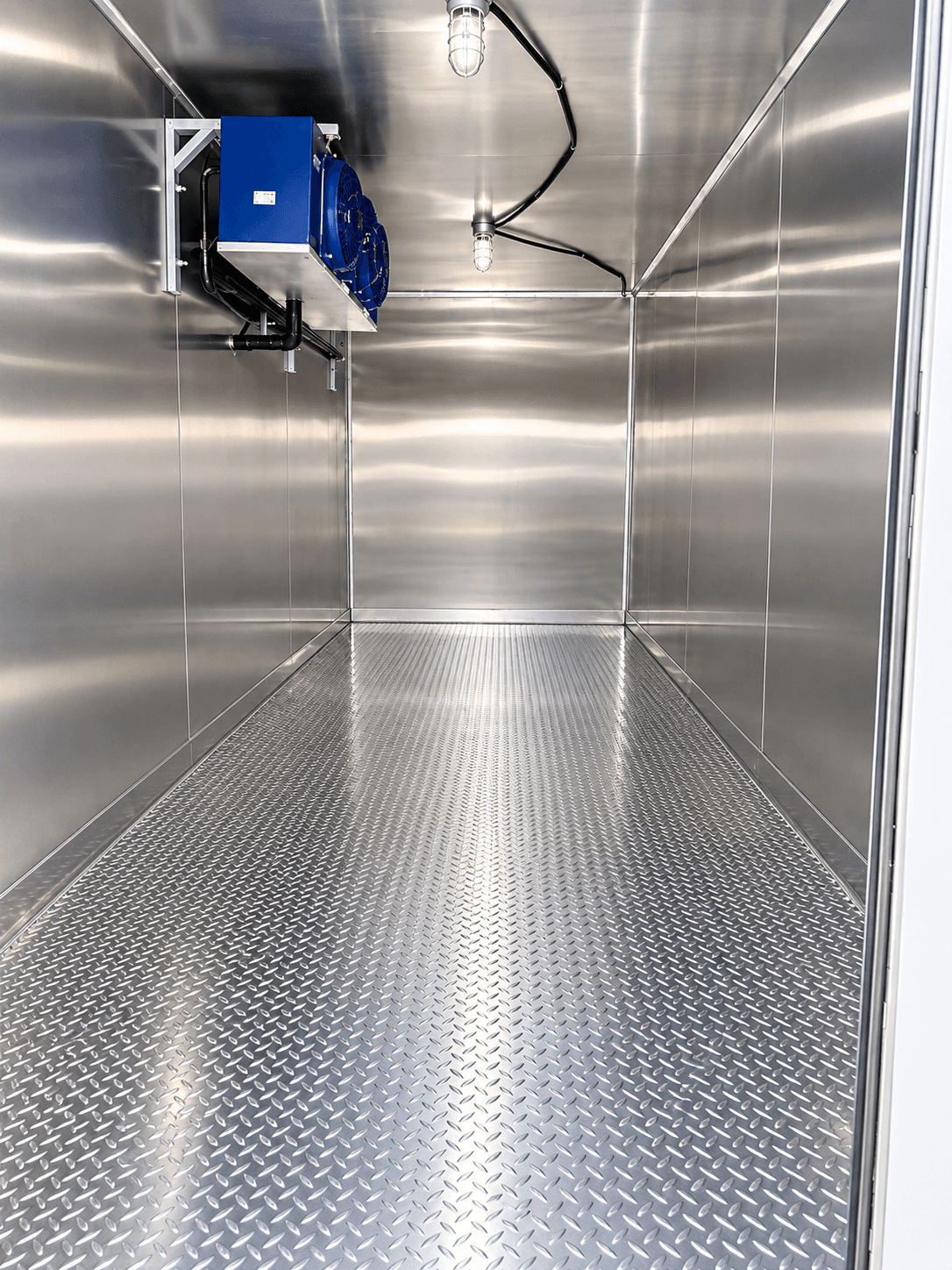
Listed refrigeration trailer equipment: condensing unit, amps panel, lighting.
Other cold-storage model details
- 12FT Refrigerated TrailerBXRT12–1 and BXRT12–2 list 220V · single-phase · 40–60A and a 32°F inventory label. Both are named as 12ft models, but their records also mention 20ft, so your quote confirms the length.
- 20FT Refrigerated ContainerYour quote confirms this container’s power, temperature and storage space for your project.
- 40FT Refrigerated ContainerYour quote confirms this container’s power, temperature and storage space for your project.
Equipment records reviewed October 19, 2026. Temperature labels are inventory labels, not verified operating ranges. Nominal length is a model label, not a measure of usable space or site footprint.
Keep urgent product decisions separate from booking decisions
The duty operations lead needs a compact record showing who owns product questions, site access and purchasing approval during an unexpected stoppage. The repair contact can explain the fault while the stock owner decides which goods need a separate review. Keep unanswered questions identifiable across the next handover. An equipment inquiry does not approve stock movement or confirm a booking or arrival time.
Compare a named holding example with the actual load
The LT2 example in the 20FT Refrigerated Trailer guide lists a condensing unit, amps panel and lighting, with a −5°F inventory label. This is not a verified operating range or an instruction for every product affected by the stoppage. The product owner supplies the conditions needed for the actual goods.
A refrigerated container offers nominal 20ft and 40ft comparisons whose usable capacity, power and temperature capabilities remain unconfirmed. Compare the offered refrigeration trailer or container with the packages, retrieval pattern and doorway needs, keeping any products with different requirements separate for review.
Plan temporary equipment around education meal schedules
A college comparing San Bernardino with a separate Massachusetts campus may need temporary equipment while permanent facilities undergo repairs and classes continue. Prepare a handover note covering supplier contacts, stock locations and outstanding access questions, with responsibility assigned for keeping it current.
Distinguish the three loads before approving a supply
LT2 lists 220V single-phase at 40–60A; K14 lists 220V single-phase at 200–220A; D7 lists 220V single-phase at 220A. Matching voltage does not establish a suitable supply or connector. The responsible site professional needs the selected units’ electrical requirements and exact connection details, including any changed site position or service interruption.
Connect the storage position to the work
Think through the route staff will use between the temporary store and the area where products are needed. Describe changes in level, doors, shared passageways and the equipment used to move stock. Identify where pedestrians, deliveries and other work might cross that route so the site team can review the arrangement. Ask about entry and loading details for the particular unit, including any access options that need discussion. A convenient parking position is only one part of the plan. The people managing the site and handling the products should understand the proposed working route before a location is finalized.
Make room for the working load
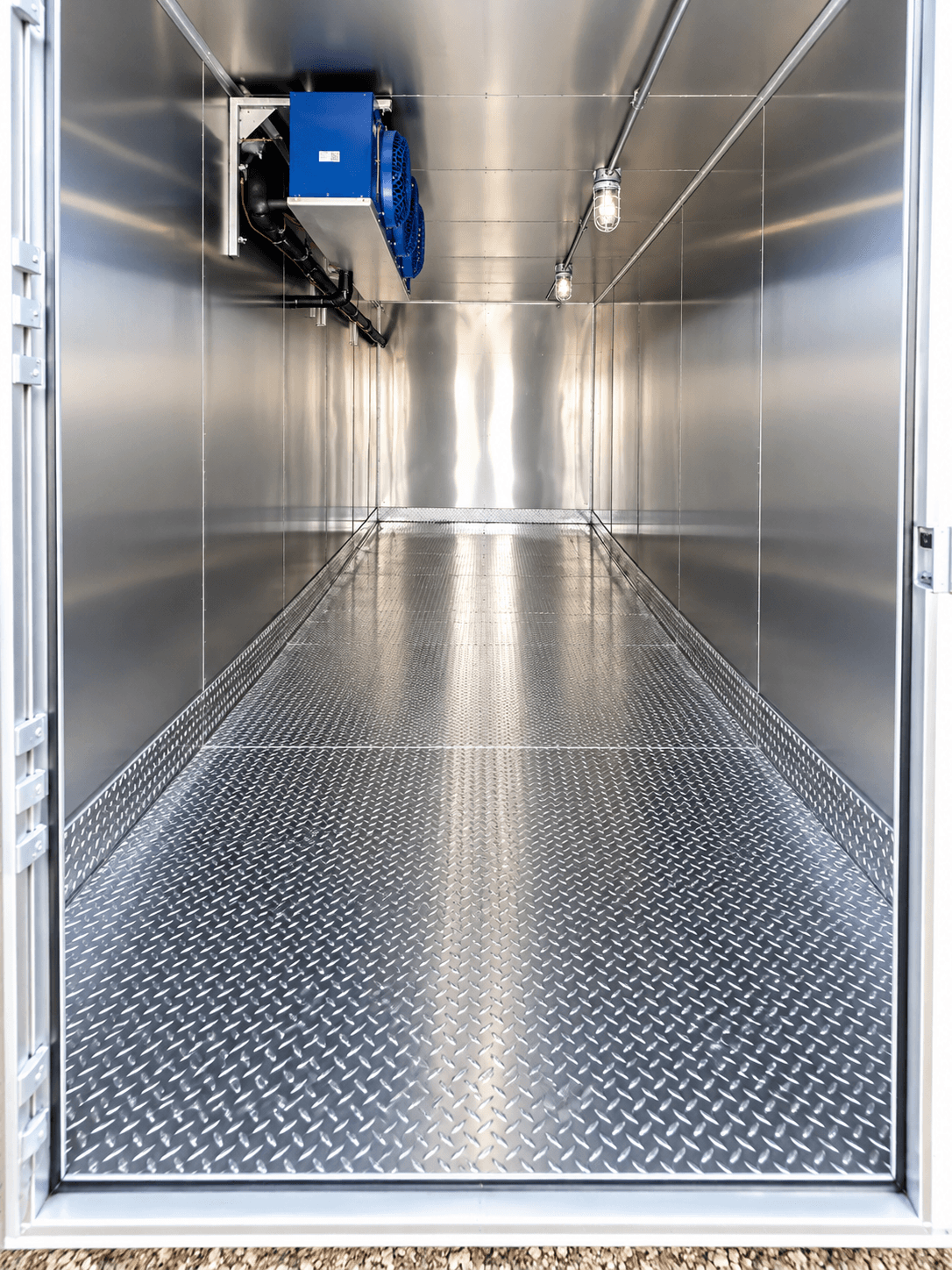
An inventory count should include packaging, the way products are stacked, and the space staff need to handle them. Describe the storage carriers you actually use, including crates, trays, carts or pallets, and provide dimensions for the larger packages. Identify goods that must remain easy to find and any stock that cannot be moved repeatedly during the project. If the inventory changes by shift, provide that pattern too. Discuss the layout with the equipment contact and the person responsible for operations. Confirm the proposed interior layout and loading arrangement for the equipment being discussed with your team.
Bring the product requirements to the conversation
Give the team the storage conditions specified by the person responsible for your products. Include whether the goods need chilled or frozen holding, how they arrive, and any records your operation expects staff to maintain. Ask about the proposed equipment's operating range, controls and suitability for the actual load, and share those answers with the product owner. Explain frequent door use or unusually large incoming deliveries as part of the brief. Keep responsibility for product acceptance and handling with your designated staff, and agree what equipment information they need before deciding whether the arrangement is appropriate.
Review the cooking list and unresolved washing arrangement
K14 in the 38FT Mobile Kitchen Trailer Rental guide lists a single-stack convection oven, griddle/oven, six-burner range/oven, deep fryers and reach-in refrigerator/freezer. If meal production also moves, match that cooking role to the menu tasks rather than treating cold storage as the whole food-service requirement.
D7 in the 38FT Low Temp Dishwashing Trailer guide is identified as low-temperature and lists a soil tray, prep table, racks, sinks and water heater. Its records disagree about the loading mechanism; push-through or conveyor operation remains unconfirmed. Review the offered arrangement with the staff handling used and clean items, keeping their instructions and decision owners clear.
Make the return to permanent storage explicit
A rental inquiry should explain what must happen before temporary refrigeration is no longer needed. The permanent store may require a separate handover, equipment review or stock-transfer decision by your own team. Identify who makes that decision and how it will be communicated to the rental contact. Ask about collection notice and any term that applies if the program changes. Keep incoming orders and stock movement in the same schedule so the final working day fits the operation’s return to permanent storage. Confirm the final rental and collection arrangements when the operation can give a reliable update on its requirements.
Keep changes and unresolved decisions beside the quote
Request current availability and a quote covering the selected equipment, rental period, delivery, collection and any additional items. Retain the process for changing dates, location or equipment with the proposal. A repair update may change the requirement without resolving the outstanding product or site decisions.
Contact Worldwide Refrigerated Container Rental Facilities at +1 877-804-5153. Share your stock, site and dates, then ask about current equipment availability, rental or lease terms, delivery arrangements and a quote.
Use separate decision owners during an urgent inquiry
In an unplanned stoppage, the duty operations lead can keep a compact decision record with distinct owners for product questions, property access and purchasing approval. Write down what each person can actually confirm. The repair contact may explain the fault while the stock owner decides what information is needed about the goods; those are related conversations with different responsibilities.
Test the handover against a question arriving after the original manager leaves. The next duty lead should be able to see who has answered, what is still pending and which version of the inquiry was sent. Mark a request for equipment information as a request, rather than approval to move stock or confirmation of a booking. That distinction helps staff communicate clearly while several decisions are being made at once.
Discuss your cold storage rental.
Confirm the equipment, delivery location, and rental period that fit your project.
Request availability