
Compare the equipment
Specifications for your rental planning
These published examples describe named company units. The supplied equipment, configuration and availability are confirmed for your project address.
BXRT20–1Refrigerated trailer
- Nominal length
- 20ft
- Listed electrical supply
- 220V · single-phase · 40–60A
- Inventory temperature label
- 32°F
MT1Refrigerated trailer
- Nominal length
- 20ft
- Listed electrical supply
- 220V · single-phase · 40–60A
- Inventory temperature label
- 15°F
LT2Refrigerated trailer
- Nominal length
- 20ft
- Listed electrical supply
- 220V · single-phase · 40–60A
- Inventory temperature label
- -5°F
Listed refrigeration trailer equipment: condensing unit, amps panel, lighting.
Other cold-storage model details
- 12FT Refrigerated TrailerBXRT12–1 and BXRT12–2 list 220V · single-phase · 40–60A and a 32°F inventory label. Both are named as 12ft models, but their records also mention 20ft, so your quote confirms the length.
- 20FT Refrigerated ContainerYour quote confirms this container’s power, temperature and storage space for your project.
- 40FT Refrigerated ContainerYour quote confirms this container’s power, temperature and storage space for your project.
Equipment records reviewed October 19, 2026. Temperature labels are inventory labels, not verified operating ranges. Nominal length is a model label, not a measure of usable space or site footprint.
Compare the load between successive meal periods
Repeated meal service can carry unused ingredients into the next cycle while fresh supplies arrive for later preparation. Track the goods carried forward separately from new deliveries and identify when both groups occupy temporary holding. The useful comparison is the changing stock and retrieval sequence, rather than a multiplication of one meal period's ingredient quantity by the number of services.
Rent or lease emergency cold storage in San Jose
An onsite refrigerated trailer lease in San Jose can bridge an emergency breakdown, a kitchen renovation or a seasonal peak without moving a food-processing plant to another location. A rental that begins as an emergency fix can become a longer lease if the repair or replacement takes more time than expected. Refrigerated storage is the usual request, but a mobile kitchen trailer can be rented or leased alongside it when cooking is also affected.
Every call about a failed commercial walk-in freezer or refrigeration system is an emergency call, and a person answers rental inquiries 24/7 so the problem can be described at any hour. Planned projects, such as renovations and events, can use the same trailers for rent as an emergency. Restaurants, hospitals, schools, hotels, caterers and food producers can describe the problem to a person who answers rental inquiries 24/7.
Use named details to compare temporary holding options
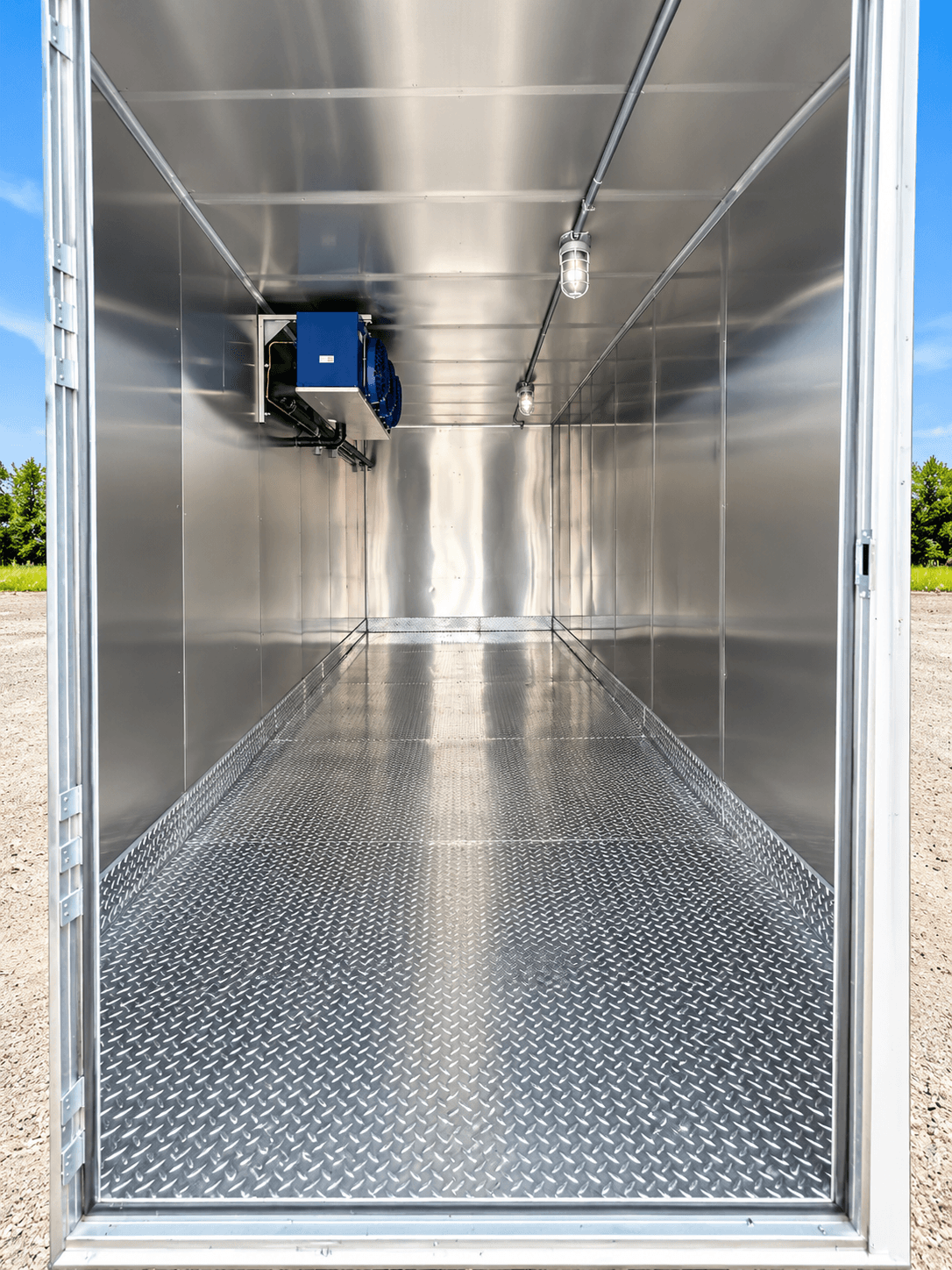
The BXRT20–1 example in the 20FT Refrigerated Trailer guide lists a condensing unit, amps panel and lighting, with a 32°F inventory label. The complete operating range and suitability for the products' required holding conditions still need confirmation.
Nominal 20ft and 40ft containers offer separate storage options with unconfirmed usable capacity, power and temperature capabilities. Compare the offered refrigerated container or refrigeration trailer with the busiest overlap between service cycles, including stock carried from one cycle to the next and the packages staff retrieve repeatedly.
Plan for food production and distribution handovers
A food distribution operator comparing San Jose and a separate Mississippi facility may need to distinguish newly received products from orders already allocated to customers. Describe packaging, product handling needs and access restrictions in the rental inquiry, leaving equipment suitability for review against the supplied requirements.
Use decision points rather than an assumed deadline
When the end of an interruption depends on another contractor, describe the milestones that will determine your storage requirement. These might include completion of repair work, a site-services review or the operation's decision to transfer stock back. Give an expected schedule while making the uncertainty clear. Ask how the rental period could be extended and what steps are needed to request collection. Keep the contact responsible for updates identified throughout the inquiry. This gives the team a current description of the requirement and period, while keeping the operational milestones visible during the equipment and quotation discussion.

Check the route into the site
Describe the proposed arrival point and the route from it to the storage position. Include gates, turns, overhead restrictions, existing vehicles and any times when access is shared with other work. Measurements and clear photographs can support the conversation, but the final access requirements depend on the equipment and delivery arrangement being considered. Ask who reviews the route and what additional information is needed. Explain any building-management or contractor coordination that affects access. Review the proposed route with the site and equipment contacts, and identify who will supply updates if the working area changes before delivery.
Describe the stock before choosing capacity
Start with a usable inventory that describes the packages and how your team needs to handle them. Record the packages, crates, trays or pallets that need a place, their approximate footprint, and which goods must be reached first. Explain whether the load stays inside for most of the project or changes repeatedly during a working day. A unit that appears large enough on a floor plan still needs a workable loading arrangement. Ask the team to review the proposed inventory against the equipment being considered, and identify the information needed before a suitable size can be discussed.
Separate kitchen production from the return of used ware
K21 in the 40FT Mobile Kitchen Trailer guide lists a double-stack convection oven, deep fryer, tilting skillet, griddle/oven, six-burner range/oven and reach-in refrigerator/freezer. That cooking-equipped unit supports meal production; its reach-in storage does not establish the capacity needed for all reserve ingredients.
DTC3 in the 30FT Conveyor Dishwashing Trailer guide lists a high-temperature conveyor dishwasher, soil tray, prep table, racks and sinks. The washing task follows returned items after service, so its timing can extend beyond the preparation period even when ingredient retrieval has slowed.
Bring the product requirements to the conversation
Give the team the storage conditions specified by the person responsible for your products. Include whether the goods need chilled or frozen holding, how they arrive, and any records your operation expects staff to maintain. Ask about the proposed equipment's operating range, controls and suitability for the actual load, and share those answers with the product owner. Explain frequent door use or unusually large incoming deliveries as part of the brief. Keep responsibility for product acceptance and handling with your designated staff, and agree what equipment information they need before deciding whether the arrangement is appropriate.
Distinguish single-phase and three-phase requirements
BXRT20–1 lists 220V single-phase at 40–60A, and K21 lists 220V single-phase at 200–220A. DTC3 lists 220V three-phase at 200A. These are separate electrical requirements despite the shared voltage. Have the responsible site professional review the selected units, exact connectors and services available through each planned work stage.
Keep the next service cycle within the commercial scope
Confirm the equipment and current availability against the service cycles still dependent on temporary holding. The quote should explain the rental period, transport and separate preparation work, with collection tied to the final transfer rather than a contractor milestone alone.
Contact Worldwide Refrigerated Container Rental Facilities at +1 877-804-5153. Share your stock, site and dates, then ask about current equipment availability, rental or lease terms, delivery arrangements and a quote.
Compare one meal-service cycle with the next
For repeated meal-service periods, the food-service operations manager can build a small comparison showing opening stock, planned use and expected replenishment for successive cycles. Look for ingredients carried from one cycle into the next and orders arriving before previous supplies leave. This reveals whether the temporary-storage discussion still describes the work as the operating pattern changes.
Ask each cycle lead to report the exceptions that affect the next team, such as an unused reserve order or a preparation task moved to another service. Reconcile those exceptions before updating the stock brief. The handover should identify the changed requirement and the person who can clarify it, rather than simply repeat the previous cycle's quantities. Request another equipment or rental review where the revised pattern calls the original assumptions into question.
Discuss your cold storage rental.
Confirm the equipment, delivery location, and rental period that fit your project.
Request availability