Compare the equipment
Specifications for your rental planning
These published examples describe named company units. The supplied equipment, configuration and availability are confirmed for your project address.
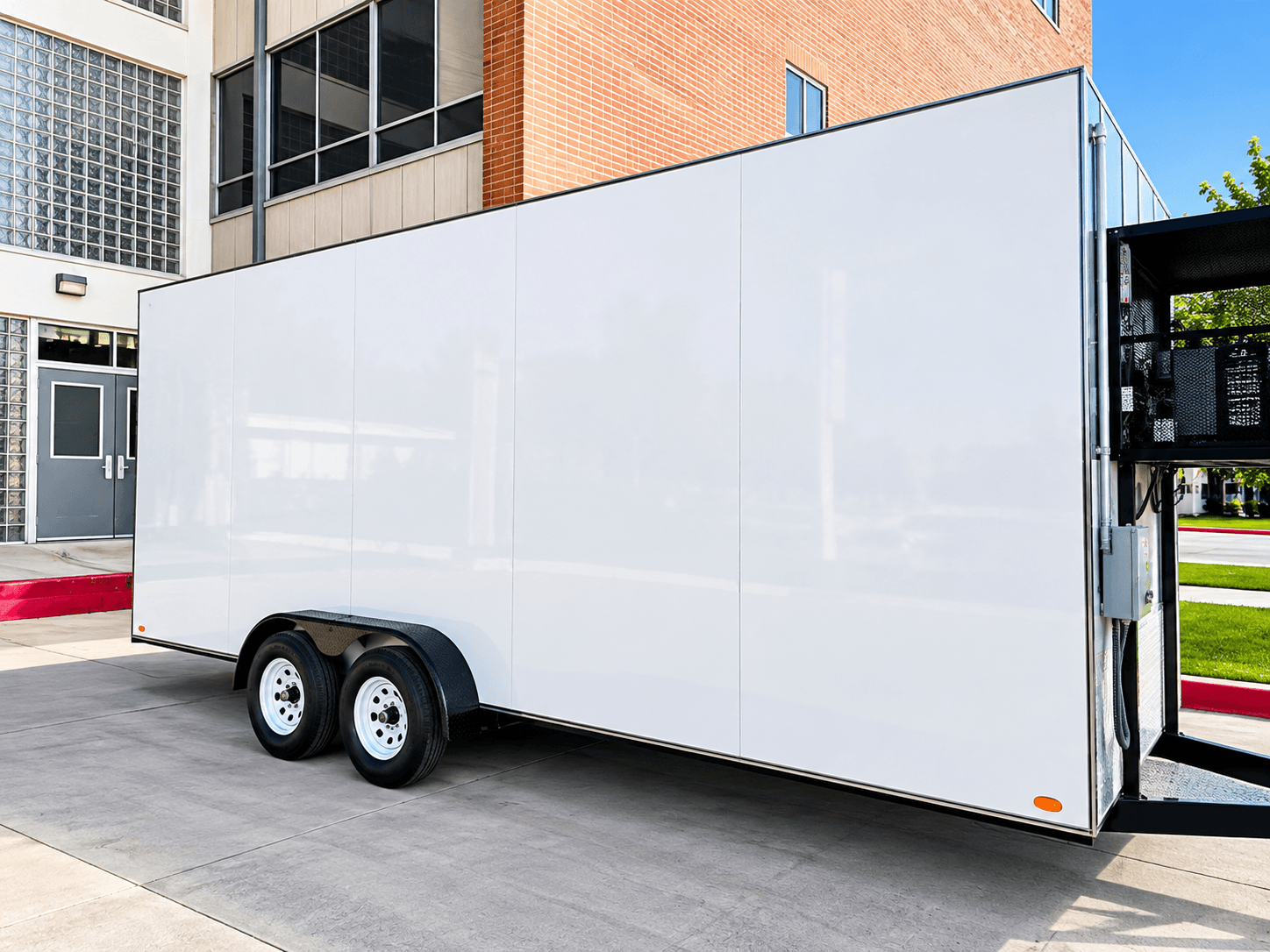
BXRT20–1Refrigerated trailer
- Nominal length
- 20ft
- Listed electrical supply
- 220V · single-phase · 40–60A
- Inventory temperature label
- 32°F
MT1Refrigerated trailer
- Nominal length
- 20ft
- Listed electrical supply
- 220V · single-phase · 40–60A
- Inventory temperature label
- 15°F
LT2Refrigerated trailer
- Nominal length
- 20ft
- Listed electrical supply
- 220V · single-phase · 40–60A
- Inventory temperature label
- -5°F
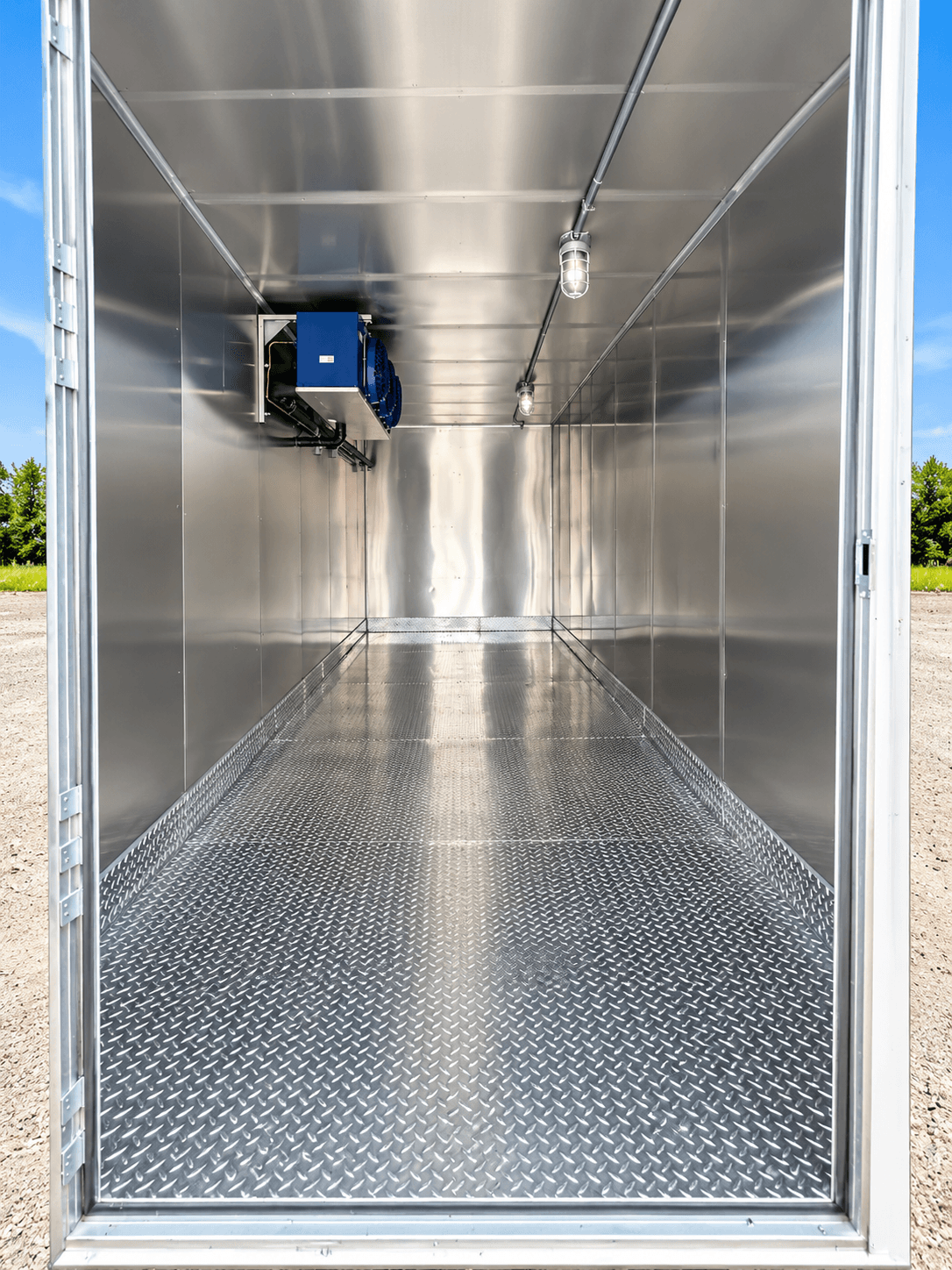
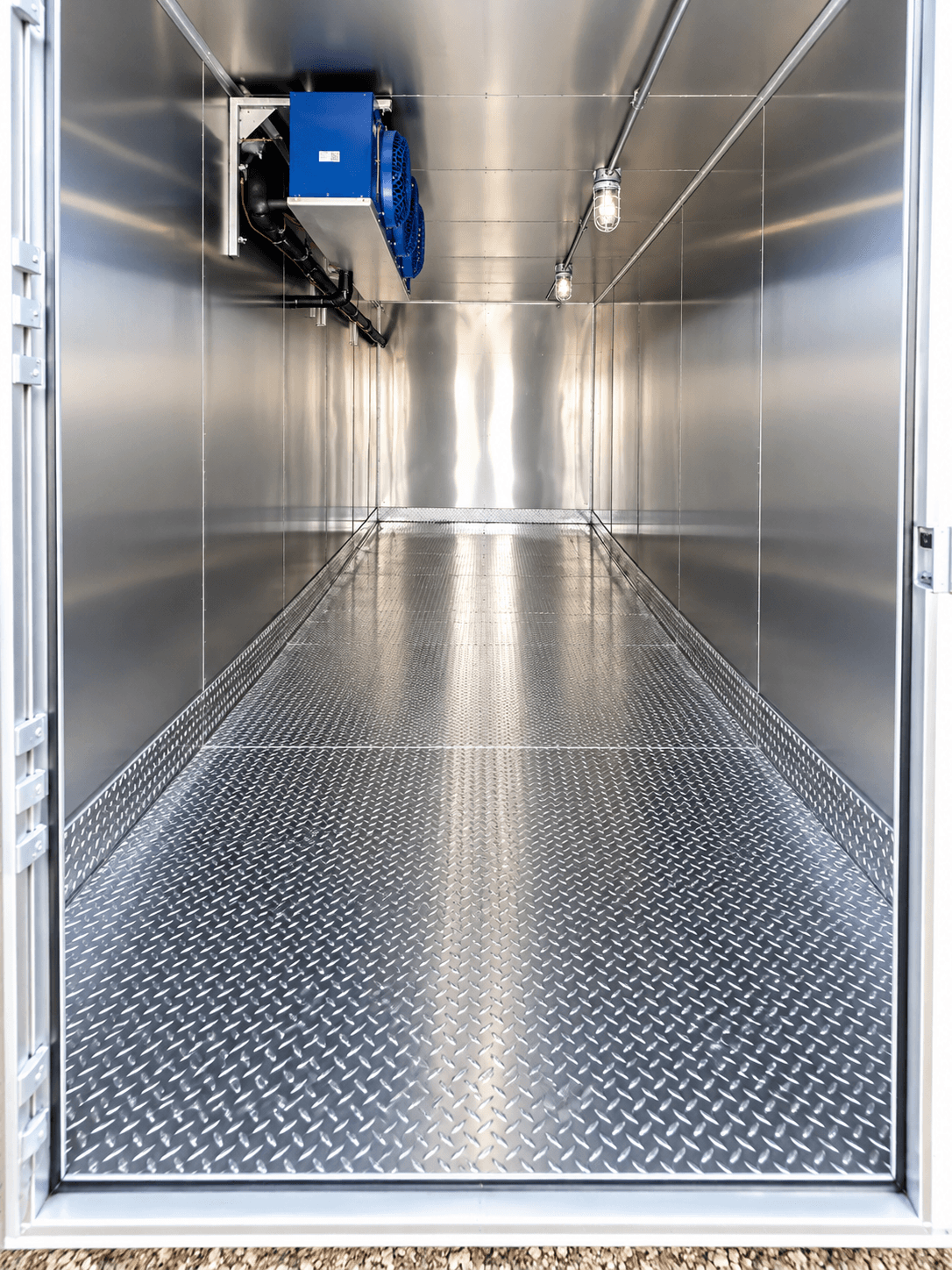
Listed refrigeration trailer equipment: condensing unit, amps panel, lighting.
Other cold-storage model details
- 12FT Refrigerated TrailerBXRT12–1 and BXRT12–2 list 220V · single-phase · 40–60A and a 32°F inventory label. Both are named as 12ft models, but their records also mention 20ft, so your quote confirms the length.
- 20FT Refrigerated ContainerYour quote confirms this container’s power, temperature and storage space for your project.
- 40FT Refrigerated ContainerYour quote confirms this container’s power, temperature and storage space for your project.
Equipment records reviewed October 19, 2026. Temperature labels are inventory labels, not verified operating ranges. Nominal length is a model label, not a measure of usable space or site footprint.
Distinguish prepared items from the next preparation task
The kitchen supervisor needs to distinguish prepared items assigned to the approaching service from ingredients held for later work. Record who can change that assignment and which supplier orders are still expected. An update to the menu can affect those groups differently, while the repair schedule may change the period of temporary refrigeration. Keep the service decision and the rental-period decision understandable to the next team.
Compare the holding example with repeated service retrievals
BXRT20–1 in the 20FT Refrigerated Trailer guide lists a condensing unit, amps panel and lighting, with a 32°F inventory label. The label does not establish a complete operating range or show that prepared items and raw ingredients share one holding requirement. Review the offered unit against the product owner’s actual conditions.
A refrigerated container offers nominal 20ft and 40ft alternatives whose usable capacity, power and temperature capabilities remain unconfirmed. Compare the offered refrigeration trailer or container with the packages and retrieval sequence for each service, including stock that stays inside while staff collect the next ingredients.
Plan your rental around hospitality service
Hospitality refurbishments in Santa Ana or at a separate Missouri property may change routes between receiving and preparation while guests continue using the site. Keep the current menu, supplier schedule and proposed dates together so a change reaches everyone responsible for the temporary working arrangement.
Confirm the operating information for the selected unit
Once a possible unit has been identified, ask for the information needed to operate that specific equipment. Review its stated purpose, the controls staff will use and any loading guidance with the people responsible for the stock. Check whether your application calls for more than one storage condition and raise that before a decision is made. Record who approves the arrangement and who will receive the operating handover. Ask which of those points should be confirmed before your team makes its decision. Keeping them in the written brief helps avoid confusion between the product requirements you provide and the equipment characteristics that still need confirmation.
Describe the stock before choosing capacity
Start with a usable inventory that describes the packages and how your team needs to handle them. Record the packages, crates, trays or pallets that need a place, their approximate footprint, and which goods must be reached first. Explain whether the load stays inside for most of the project or changes repeatedly during a working day. A unit that appears large enough on a floor plan still needs a workable loading arrangement. Ask the team to review the proposed inventory against the equipment being considered, and identify the information needed before a suitable size can be discussed.
Separate cooking, its listed cooler and the washing task
K27 in the 40FT Bulk Kitchen Trailer Rental guide lists a double-stack convection oven, deep fryer, tilting skillet, griddle/oven, six-burner range/oven, reach-in refrigerator/freezer and walk-in cooler. That named kitchen example does not establish the capacity or temperature capabilities of a separate refrigerated container.
DTC3 in the 30FT Conveyor Dishwashing Trailer guide lists a high-temperature conveyor dishwasher, soil tray, prep table, racks and sinks. A handover should distinguish ingredients for cooking, prepared items held for service, returned ware and clean items ready to use. Keep each unit’s operating instructions and concern contacts available across service periods.
Keep collection access in the plan
A project can change a site substantially between equipment arrival and collection. Describe the expected works sequence, including barriers, parked materials or temporary layouts that could affect the route later. Identify who will keep the access information current and who can approve changes when contractors are present. Ask the rental contact what details are needed for both movements and how collection should be requested. This is especially useful when the initial position is selected before the construction program is final. Keep arrival and collection access information together, and give the team a current version when the project moves into its next stage.
Compare power and phase before services move
BXRT20–1 lists 220V single-phase at 40–60A, and K27 lists 220V single-phase at 200–220A. DTC3 lists 220V three-phase at 200A. The different phase and loads need review by the responsible site professional; a common voltage is insufficient. Confirm selected-unit connections and the connection routes that remain usable through each project stage.
Separate the work dates from the storage dates
The period requiring cold storage may start before repair or construction work and end after the permanent equipment returns. Build the inquiry around the stock transfer, site preparation and return-to-normal activities as well as the contractor's dates. Explain whether the program is fixed or may change after an inspection. Ask about the rental periods that can be considered, how an extension would be requested and what notice applies to collection. A short-term rental inquiry and a longer-term lease discussion may require different decisions. Request the current terms for your equipment and dates, and keep them with the latest version of the project brief.
Keep the service plan and rental scope current together
Request current availability and a quote covering the offered equipment, rental period, delivery and collection. Keep the proposed change process with it, including any extra items or customer preparation responsibilities. A revised menu or repair date should identify which part of the arrangement actually changes.
Contact Worldwide Refrigerated Container Rental Facilities at +1 877-804-5153. Share your stock, site and dates, then ask about current equipment availability, rental or lease terms, delivery arrangements and a quote.
Separate the next service from work already completed
In the kitchen supervisor's example, a list can distinguish prepared items assigned to the approaching service from ingredients intended for later preparation. Ask the relevant team to identify each item's intended use and the person who can revise that assignment. This prevents the temporary-storage brief from treating an existing prepared order and an unstarted task as the same operational requirement.
For the handover, follow a menu change through the two lists. Identify which prepared items are affected, which future purchases may need amendment and what the receiving staff have actually been told. Keep unresolved product decisions with the responsible food-service contact. If repair progress changes the expected period of temporary holding, pass that update on separately so the service decision and the rental discussion remain understandable.
Discuss your cold storage rental.
Confirm the equipment, delivery location, and rental period that fit your project.
Request availability