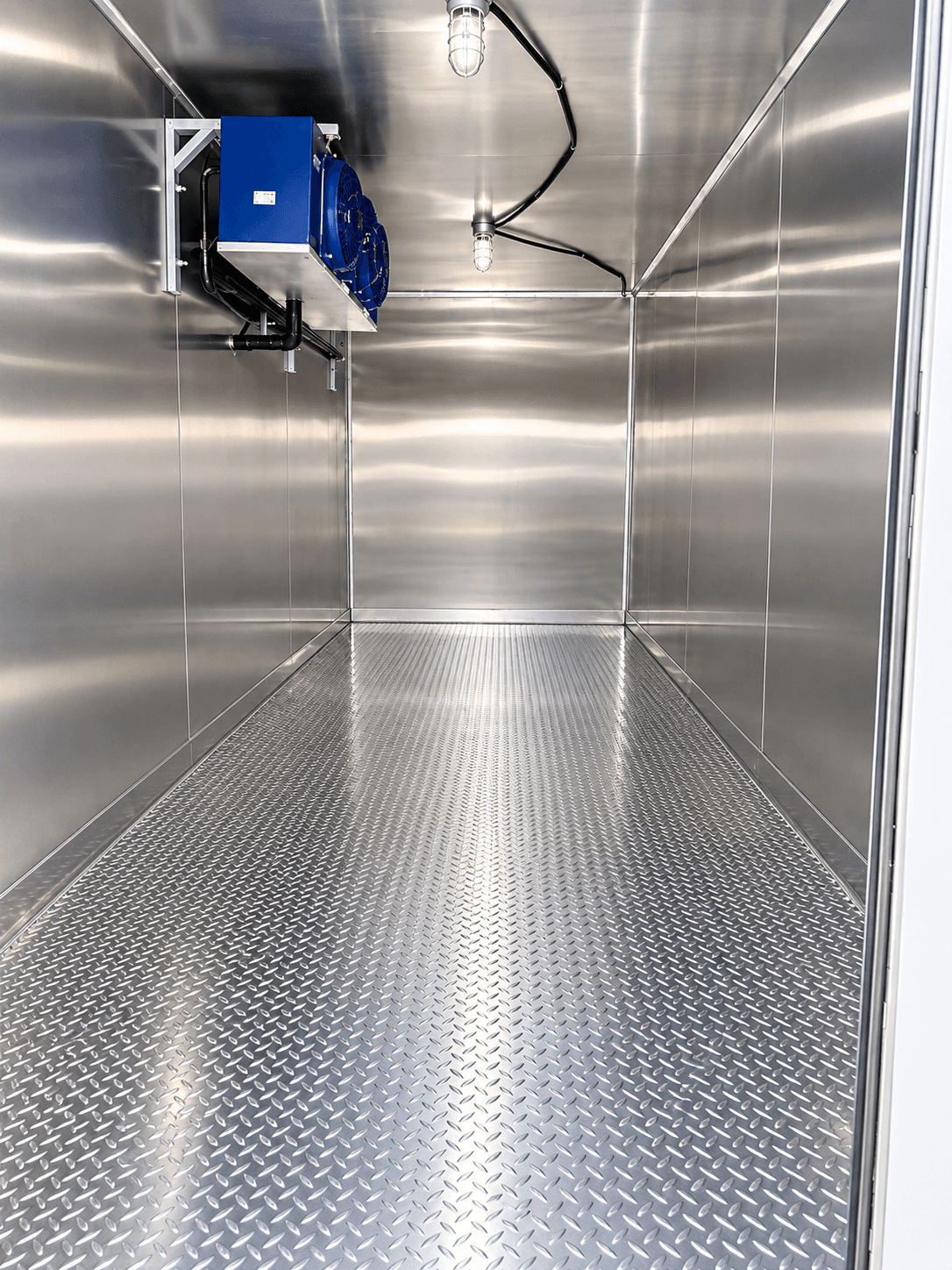
Compare the equipment
Specifications for your rental planning
These published examples describe named company units. The supplied equipment, configuration and availability are confirmed for your project address.
BXRT20–1Refrigerated trailer
- Nominal length
- 20ft
- Listed electrical supply
- 220V · single-phase · 40–60A
- Inventory temperature label
- 32°F
MT1Refrigerated trailer
- Nominal length
- 20ft
- Listed electrical supply
- 220V · single-phase · 40–60A
- Inventory temperature label
- 15°F
LT2Refrigerated trailer
- Nominal length
- 20ft
- Listed electrical supply
- 220V · single-phase · 40–60A
- Inventory temperature label
- -5°F
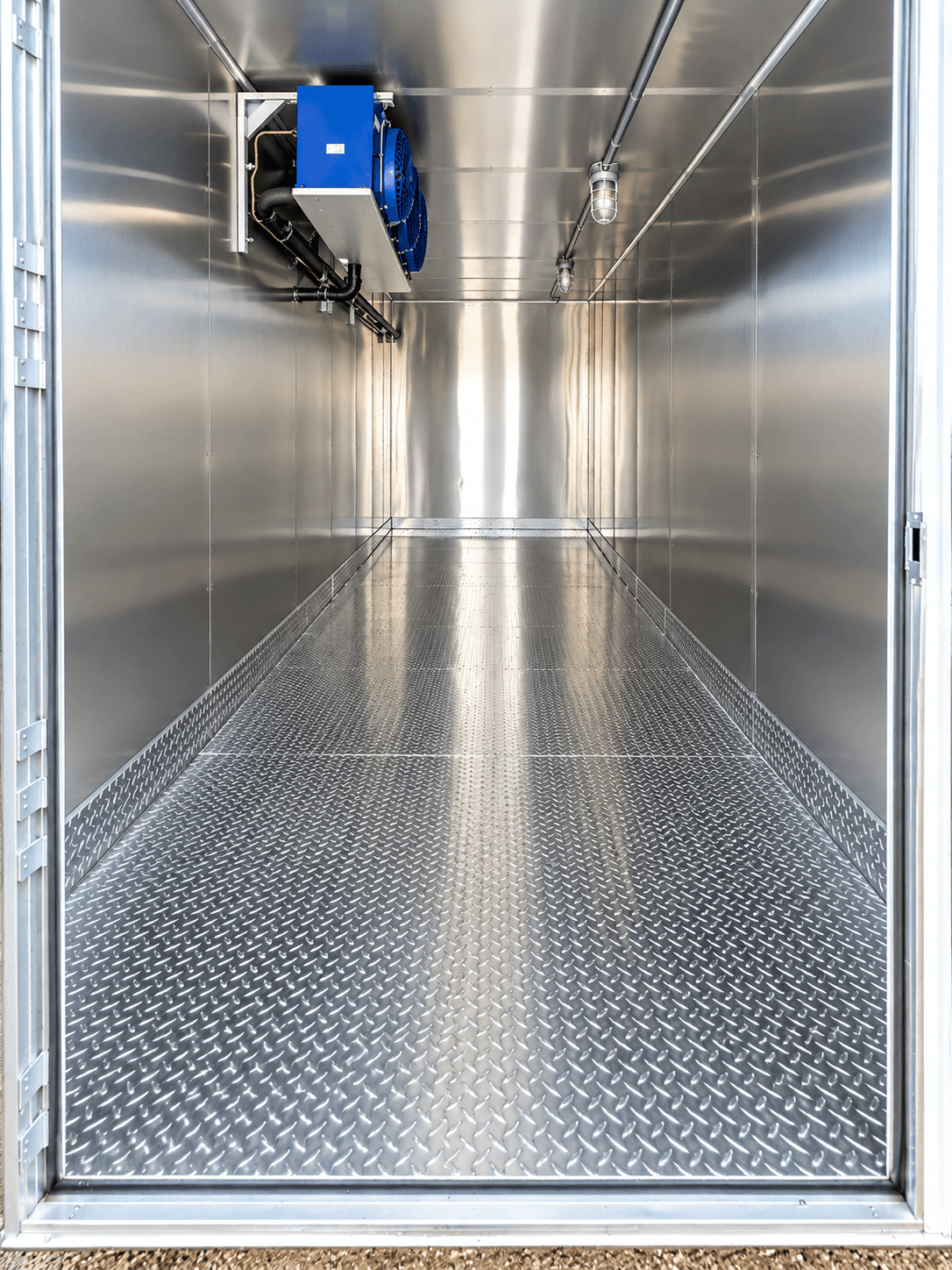
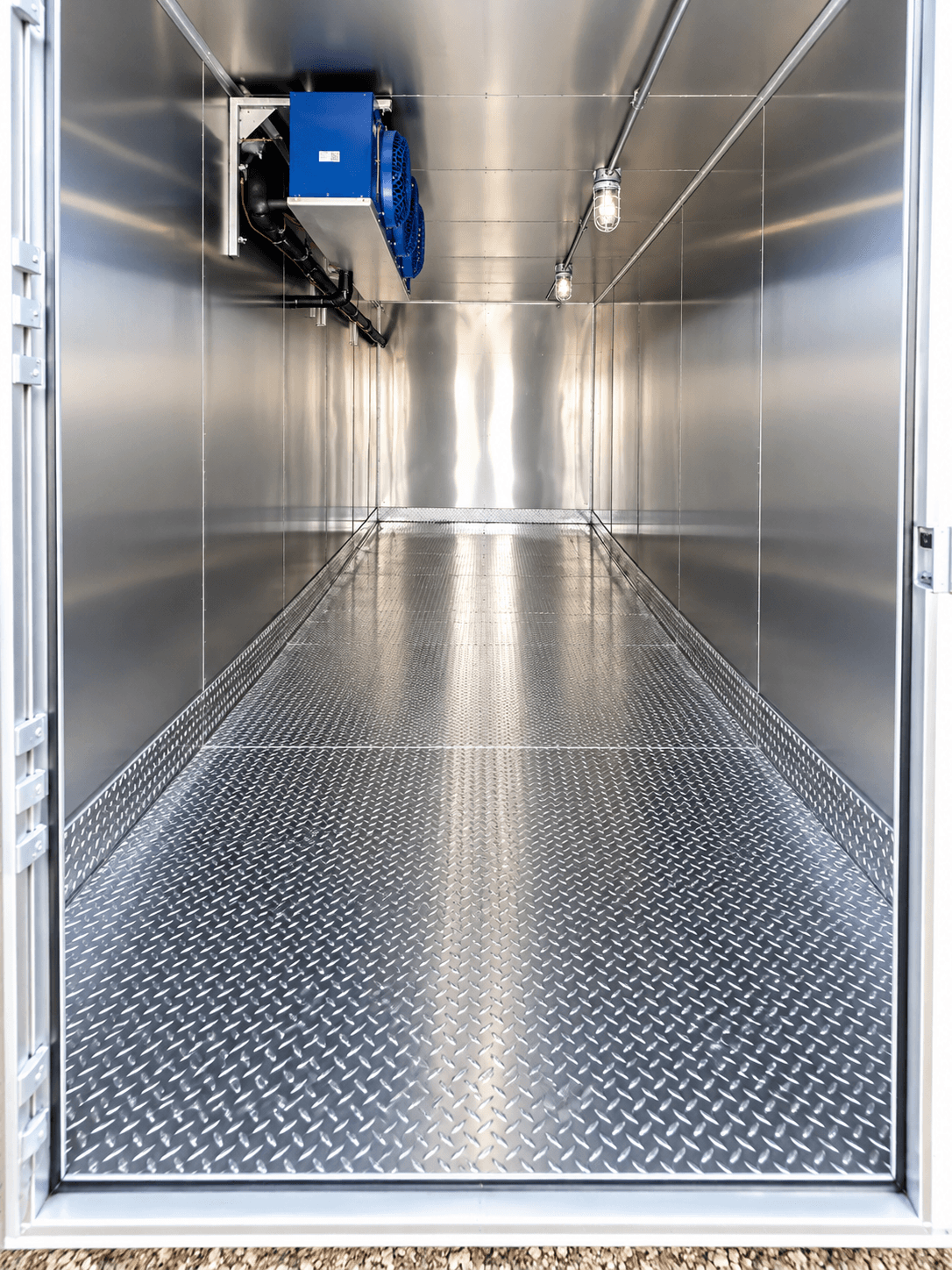
Listed refrigeration trailer equipment: condensing unit, amps panel, lighting.
Other cold-storage model details
- 12FT Refrigerated TrailerBXRT12–1 and BXRT12–2 list 220V · single-phase · 40–60A and a 32°F inventory label. Both are named as 12ft models, but their records also mention 20ft, so your quote confirms the length.
- 20FT Refrigerated ContainerYour quote confirms this container’s power, temperature and storage space for your project.
- 40FT Refrigerated ContainerYour quote confirms this container’s power, temperature and storage space for your project.
Equipment records reviewed October 19, 2026. Temperature labels are inventory labels, not verified operating ranges. Nominal length is a model label, not a measure of usable space or site footprint.
Attach each services answer to one unit and one position
The site-services manager needs a separate record for each proposed temporary-refrigeration position. Keep the information supplied by the property contact beside requirements belonging to the actual equipment under discussion. A supply answer about one location should not become a general approval for another. If the unit or position changes, identify which connection and access questions must be reviewed again.
Compare a holding example with the packaged-food requirement
BXRT20–1 in the 20FT Refrigerated Trailer guide lists a condensing unit, amps panel and lighting, with a 32°F inventory label. That label is not a complete operating range or approval for every packaged product supporting an active facility. Required conditions come from the responsible product contact.
A refrigerated container offers nominal 20ft and 40ft alternatives whose usable capacity, temperature capabilities and electrical requirements remain unconfirmed.
Compare the offered refrigeration trailer or container with actual cases, supplier arrivals and repeated retrievals at each proposed position. An open space or nearby outlet does not establish the selected equipment’s fit or a suitable supply.
Coordinate your rental with events and catering
Events in Huntsville or at a separate Virginia venue may transition from preparation to guest service with limited space for late deliveries and unused ingredients. Ask the catering lead to describe ingredient handling requirements and preparation peaks rather than estimating equipment suitability from guest attendance alone.
Compare phase and load before relying on a supply answer
BXRT20–1 lists 220V single-phase at 40–60A, and P1 lists 220V single-phase at 200A. DTC3 lists 220V three-phase at 200A. Shared voltage does not settle phase, exact connector or supply suitability. The responsible qualified site contact needs selected-unit requirements and confirmed property information, with any additional equipment or alternative supply kept identifiable as a proposal until reviewed.
Review the route staff will actually use
Connect the proposed position with preparation and receiving, including changes in level, doors and shared traffic. Keep carrier measurements and unit entry details together. A nearby supply point does not determine a workable ingredient route.
Describe the working load
Record cases, trays, carts or pallets in their packed form, with larger-package dimensions and goods requiring frequent access. Compare the offered layout with the busiest overlap rather than the total quantity alone.
Connect operating guidance with access patterns
Record supplier arrivals, repeated collections and any shared access periods beside required product conditions. Give each team the selected unit’s loading guidance and reporting contact, with revisions communicated when the pattern changes.
Give preparation and washing their own services and handovers
P1 in the 26FT Mobile Kitchen Trailer guide lists a prep table, sinks, reach-in refrigerator/freezer and water heater. Its published equipment does not document a cooking line. If preparation also moves, relate its ingredient handoff to the working load rather than treating reserve holding as a replacement for preparation or cooking equipment.
DTC3 in the 30FT Conveyor Dishwashing Trailer guide lists a high-temperature conveyor dishwasher, soil tray, prep table, racks, sinks and water heater. Returned items and clean-item collection need their own route alongside ingredient retrieval. Identify who approves products, access, services and changes, and keep selected-unit instructions and a contact for equipment questions with the handover.
Keep the proposed period and terms identifiable
Separate immediate cover, planned works and an uncertain longer requirement. Keep the earliest need, expected duration and unresolved milestone with the offered terms, including the process for requesting an extension or collection.
Keep the reviewed unit-position pair in the offered scope
Request current availability and a quote for the offered equipment, rental period, delivery, collection and additional items. Keep unresolved services questions beside the proposal. A changed unit or position should reopen its relevant review instead of inheriting answers supplied for the earlier arrangement.
Contact Worldwide Refrigerated Container Rental Facilities at +1 877-804-5153. Share your stock, site and dates, then ask about current equipment availability, rental or lease terms, delivery arrangements and a quote.
Match site-services answers to the proposed equipment
The site-services manager can keep an information request for each position being considered. Identify which site details are known, who supplied them and which requirements must come from the actual proposed refrigeration unit. Do not let an answer about one piece of equipment or another position become a general statement that every proposed arrangement is ready to use.
A checkable handover pairs the equipment information with the relevant site review and records the question each contact still needs to resolve. If a different unit or position is proposed, mark which answers must be revisited. Ask the appropriate qualified site contact to assess compatibility rather than attempting to infer it from a photograph. Keep the booking discussion separate from confirmation that the site's outstanding services questions have been answered.
Discuss your cold storage rental.
Confirm the equipment, delivery location, and rental period that fit your project.
Request availability