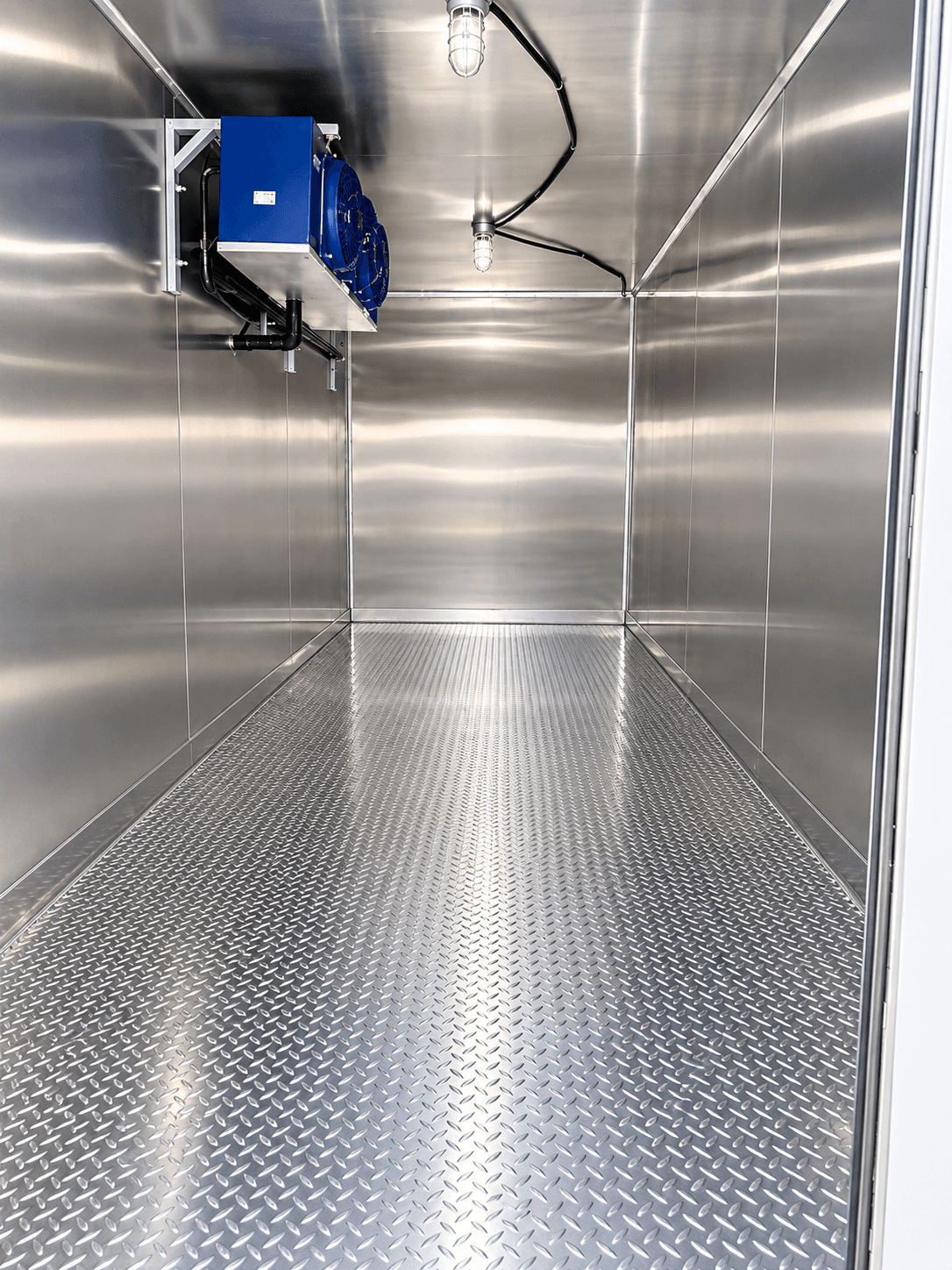
Compare the equipment
Specifications for your rental planning
These published examples describe named company units. The supplied equipment, configuration and availability are confirmed for your project address.
BXRT20–1Refrigerated trailer
- Nominal length
- 20ft
- Listed electrical supply
- 220V · single-phase · 40–60A
- Inventory temperature label
- 32°F
MT1Refrigerated trailer
- Nominal length
- 20ft
- Listed electrical supply
- 220V · single-phase · 40–60A
- Inventory temperature label
- 15°F
LT2Refrigerated trailer
- Nominal length
- 20ft
- Listed electrical supply
- 220V · single-phase · 40–60A
- Inventory temperature label
- -5°F
Listed refrigeration trailer equipment: condensing unit, amps panel, lighting.
Other cold-storage model details
- 12FT Refrigerated TrailerBXRT12–1 and BXRT12–2 list 220V · single-phase · 40–60A and a 32°F inventory label. Both are named as 12ft models, but their records also mention 20ft, so your quote confirms the length.
- 20FT Refrigerated ContainerYour quote confirms this container’s power, temperature and storage space for your project.
- 40FT Refrigerated ContainerYour quote confirms this container’s power, temperature and storage space for your project.
Equipment records reviewed October 19, 2026. Temperature labels are inventory labels, not verified operating ranges. Nominal length is a model label, not a measure of usable space or site footprint.
Documentation for a temporary refrigerator
For a planning example, a business could retain its own stock checks while refrigeration work proceeds. The brief would identify what equipment information its responsible contact needs and how questions are reported, keeping product decisions separate from unconfirmed rental features. The working brief centers on commercial stock with an established recording process and the decisions of the quality coordination lead. Keep a single version of the working brief for the people involved. It should connect the products, services and site information with the rental dates. As questions are resolved, update the brief so the equipment discussion stays aligned with the operation.
Choose between cooler and freezer requirements
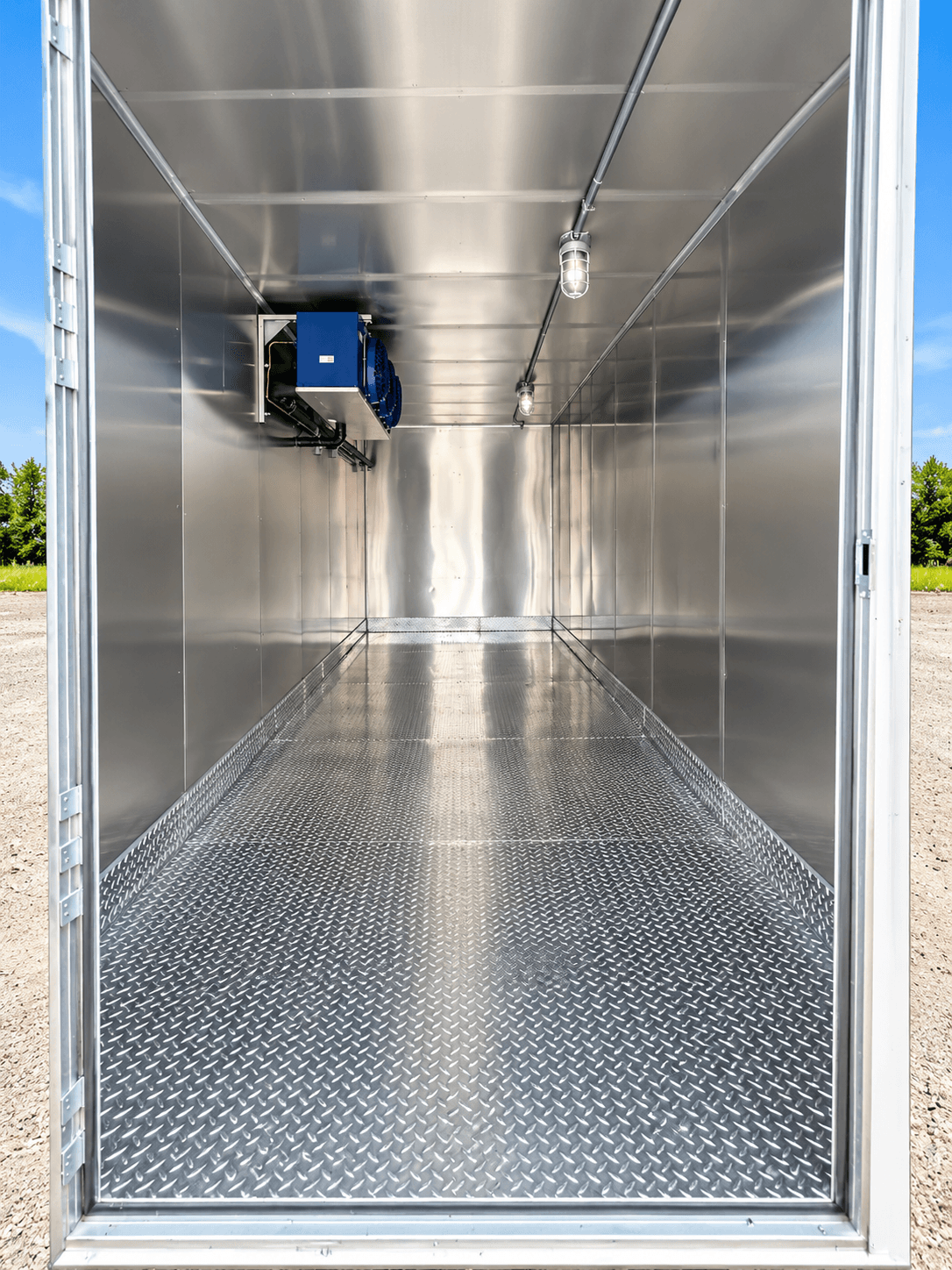
Tell our team whether the stock needs chilled holding in a walk-in cooler or frozen holding in a freezer. Give the required product temperature, packaging and maximum quantity, then discuss whether a refrigerated container or a refrigeration trailer could suit the project. Ask for the proposed unit's usable capacity, door and entry details, and electrical connection requirements. Include frequent retrievals or large incoming loads in that conversation. Your product and site contacts can use those details to review the equipment against the actual storage task and the way staff will load it.
Keep healthcare meal service in the rental plan
Healthcare food-service teams planning restoration in Rochester or at a separate Iowa facility may need an organized ingredient transfer after contractors complete their work. Keep the proposed dates and receiving instructions with the dining brief, and identify who updates staff when the working arrangement changes.
Use decision points rather than an assumed deadline
When the end of an interruption depends on another contractor, describe the milestones that will determine your storage requirement. These might include completion of repair work, a site-services review or the operation's decision to transfer stock back. Give an expected schedule while making the uncertainty clear. Ask how the rental period could be extended and what steps are needed to request collection. Keep the contact responsible for updates identified throughout the inquiry. This gives the team a current description of the requirement and period, while keeping the operational milestones visible during the equipment and quotation discussion.
Make room for the working load
An inventory count should include packaging, the way products are stacked, and the space staff need to handle them. Describe the storage carriers you actually use, including crates, trays, carts or pallets, and provide dimensions for the larger packages. Identify goods that must remain easy to find and any stock that cannot be moved repeatedly during the project. If the inventory changes by shift, provide that pattern too. Discuss the layout with the equipment contact and the person responsible for operations. Confirm the proposed interior layout and loading arrangement for the equipment being discussed with your team.
Review the full route for stock movement
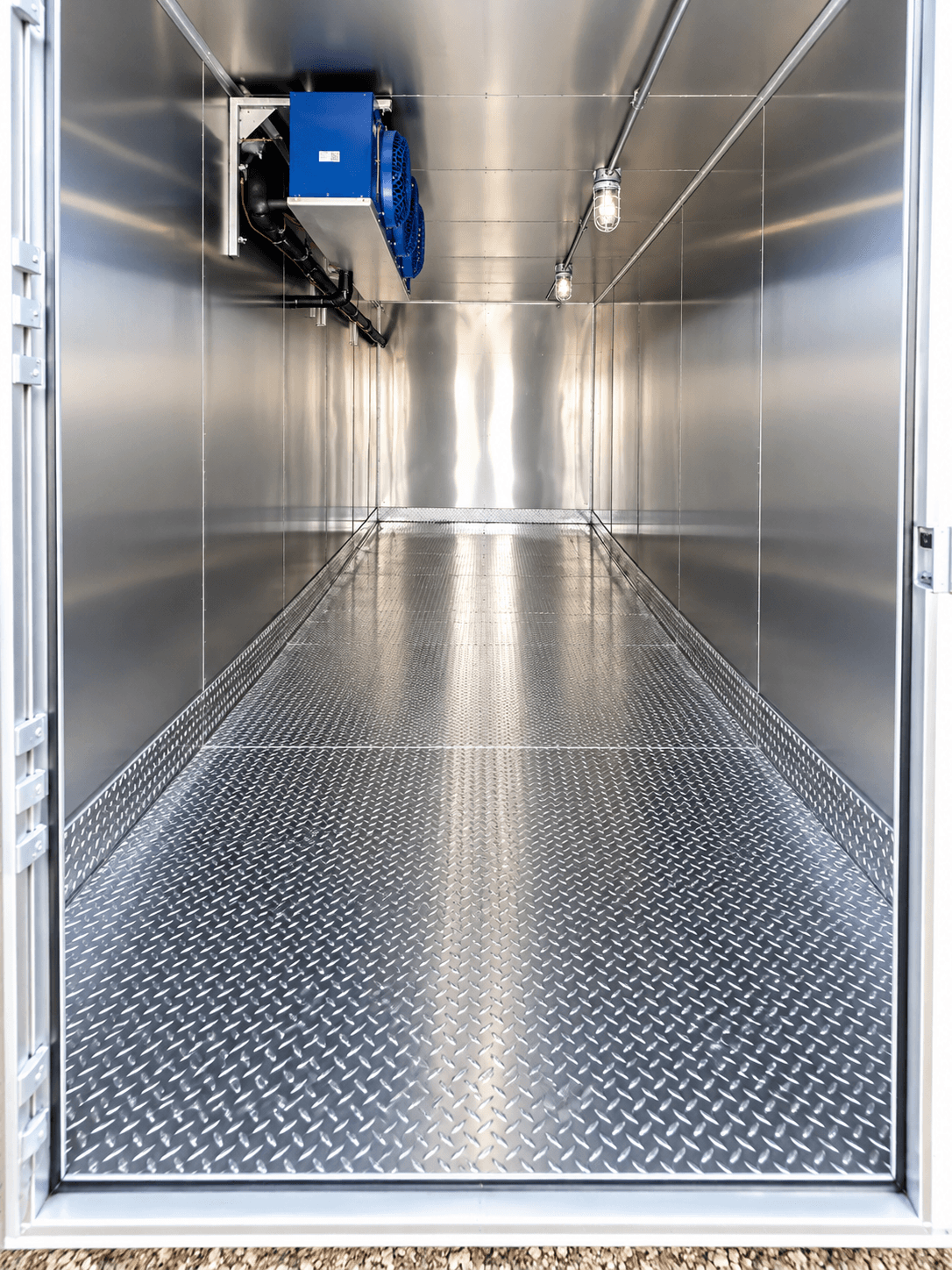
Look beyond the final storage footprint and describe the complete movement of goods. Staff may need to pass through doors, use carts, cross a delivery area or work around construction activity before reaching the temporary refrigerator. Give the relevant site contact a chance to assess that route and identify restrictions. Ask for the entry details of the equipment being considered, including any loading aids that would need a separate discussion. Measurements should relate to the real carriers and products your team uses. Confirm how the arrangement will work during normal activity and during the busiest replenishment periods before committing to a position.
Decide who checks conditions during use
Before the temporary store is put into use, identify who checks its conditions and who responds if something appears wrong. Explain any readings or records your operation needs, the expected working hours, and how staff communicate between shifts. Ask which controls or monitoring features belong to the particular equipment under discussion and which require a separate arrangement. Include any accessories or alert features you want to discuss in your request. A written handover can connect the equipment information with your existing product-handling procedures, making it clear who is responsible for observation, reporting and decisions about the goods throughout the rental period.
Match the service plan to the project sequence
Where the temporary store supports staged work, explain whether the proposed position or available services may change between phases. Provide the site contact details needed to review the equipment's electrical requirements, and ask what information must be confirmed before a booking decision. Include any restrictions on the connection route or activities around it. If the original arrangement changes, update the responsible contacts with the new services information and request a review for the revised phase. This keeps power, placement and the working schedule connected while avoiding an unsupported promise about the specifications or accessories of a particular rental unit.
Give each shift the same working information
Temporary equipment can involve staff who were not present during the initial inquiry. Decide how the agreed loading arrangement, product responsibilities and equipment instructions will be passed to them. Identify the person who keeps the operating information and the contact staff should use when they have a concern. Ask what handover information comes with the proposed unit, and review it with the people using the store. Relate the equipment instructions to the site procedures and stock movements your staff will actually use. A simple written handover can help different shifts follow the same plan without making unsupported claims about monitoring, staffing or support included in the rental.
Compare the scope as well as the rental figure
When reviewing a proposal, check which equipment and rental period it describes, where it will be used and what has been agreed about delivery and collection. Ask for clarification of any extra items or services discussed during the inquiry. Explain whether the working schedule is likely to change and request the terms that would apply. Comparing two figures without comparing their scope can leave important questions unresolved. Use your inventory and site brief to check that the proposal addresses the actual project, then confirm current availability and the steps required to make a booking with the team.
Contact Worldwide Refrigerated Container Rental Facilities at +1 877-804-5153. Share your stock, site and dates, then ask about current equipment availability, rental or lease terms, delivery arrangements and a quote.
Identify the equipment information your records need
The quality coordination lead can ask the operation's responsible product contact which existing recording process must continue during temporary holding. Separate information the business already records from information it needs about the proposed equipment. Identify the source of each answer and keep any unanswered item visible, rather than treating a general rental description as a replacement for the operation's own product decisions.
For a handover check, follow one routine stock record through the proposed change of location. Can the next person identify the product owner, current equipment information and route for reporting a question? Correct gaps in that record before relying on it operationally. Request clarification from the appropriate contact where needed, without claiming that the temporary arrangement includes unconfirmed monitoring features, certifications or a particular compliance outcome.
Discuss your cold storage rental.
Confirm the equipment, delivery location, and rental period that fit your project.
Request availability