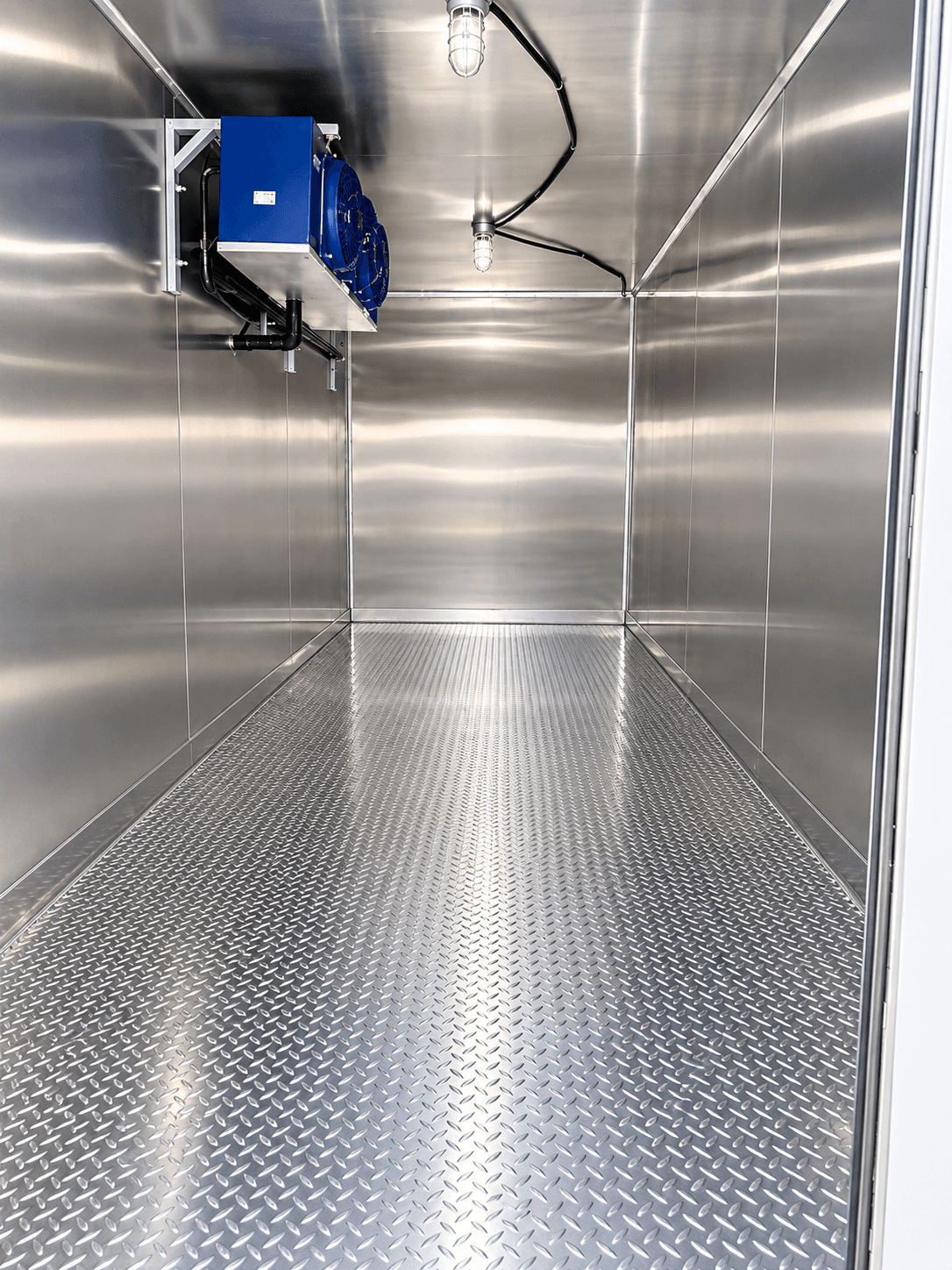
Compare the equipment
Specifications for your rental planning
These published examples describe named company units. The supplied equipment, configuration and availability are confirmed for your project address.
BXRT20–1Refrigerated trailer
- Nominal length
- 20ft
- Listed electrical supply
- 220V · single-phase · 40–60A
- Inventory temperature label
- 32°F
MT1Refrigerated trailer
- Nominal length
- 20ft
- Listed electrical supply
- 220V · single-phase · 40–60A
- Inventory temperature label
- 15°F
LT2Refrigerated trailer
- Nominal length
- 20ft
- Listed electrical supply
- 220V · single-phase · 40–60A
- Inventory temperature label
- -5°F
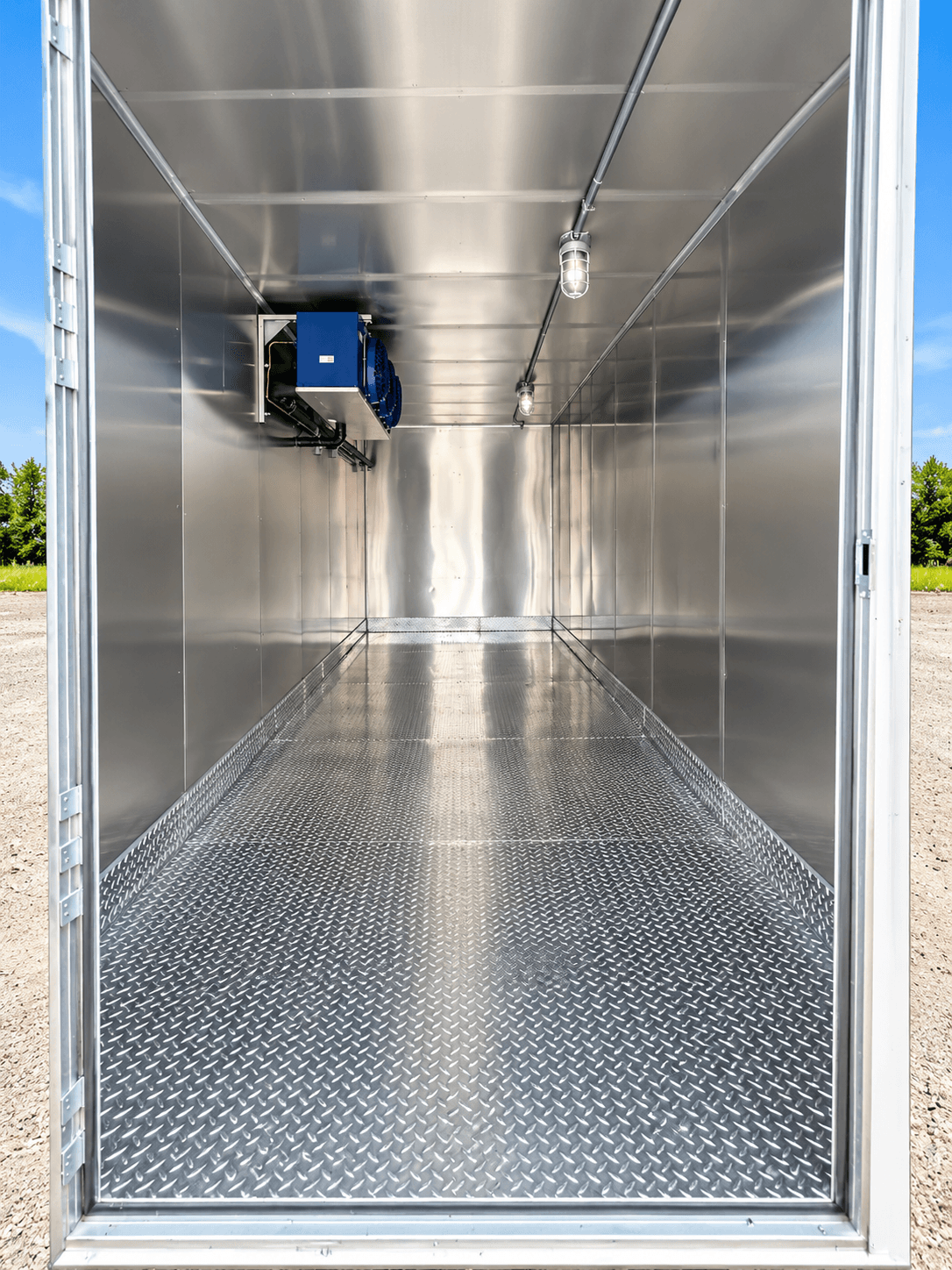
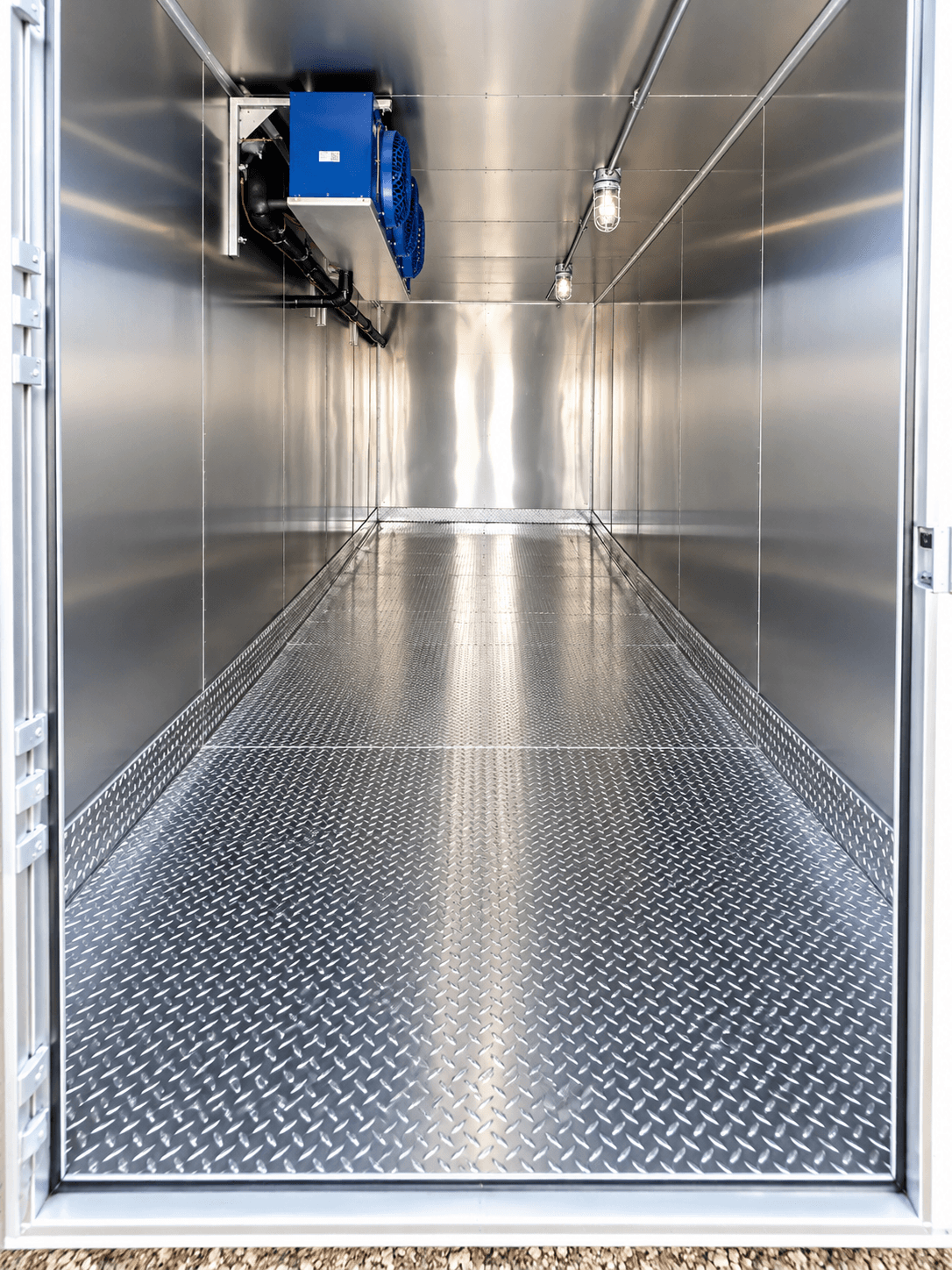
Listed refrigeration trailer equipment: condensing unit, amps panel, lighting.
Other cold-storage model details
- 12FT Refrigerated TrailerBXRT12–1 and BXRT12–2 list 220V · single-phase · 40–60A and a 32°F inventory label. Both are named as 12ft models, but their records also mention 20ft, so your quote confirms the length.
- 20FT Refrigerated ContainerYour quote confirms this container’s power, temperature and storage space for your project.
- 40FT Refrigerated ContainerYour quote confirms this container’s power, temperature and storage space for your project.
Equipment records reviewed October 19, 2026. Temperature labels are inventory labels, not verified operating ranges. Nominal length is a model label, not a measure of usable space or site footprint.
Container access for an active stock team
For an example, a team may normally move stock through a route designed around fixed refrigeration. Its temporary-storage brief would identify where that familiar movement changes and request the relevant entry information before assuming the same handling pattern will work elsewhere. The working brief centers on inventory moved with wheeled handling equipment and the decisions of the stock movement supervisor. Walk through the working sequence with the staff who know the stock. Record what they need to retrieve, what remains in storage and when the requirement changes. Use that information to discuss equipment, access and the rental period with our team.
Compare the storage equipment with your task
Discuss a refrigerated container or refrigeration trailer in terms of the work it needs to support. Explain whether you need walk-in cooler conditions for chilled products or freezer conditions for frozen stock, along with the required product temperature and maximum load. Ask about the particular unit's internal capacity, door opening and loading access, then review its electrical requirements with your site contact. Describe whether goods arrive already cold and how often the door will be used. These questions help connect equipment choice with your products, staff movement and available site services.
Connect industrial meal shifts with your rental plan
Industrial inquiries for Rancho Cucamonga or a separate Hawaii workplace may need to explain how changed site circulation affects the acceptance and collection of meal supplies. Include shift handover notes, supplier contact details and unresolved access questions in the working plan provided to the responsible supervisor.
Keep receiving and dispatch needs visible
Cold storage planning involves movement as well as space. List the deliveries expected during the rental, the staff responsible for checking them, and how goods will travel from receiving to storage and back into use. Describe any need to keep outgoing orders separate from newly received products. If several departments share the equipment, explain their different retrieval times and packaging. A clear flow diagram can be more useful than an unsupported capacity estimate. Ask which proposed unit and access arrangement should be reviewed for that pattern, and confirm the final loading plan with the people handling the products.
Separate the work dates from the storage dates
The period requiring cold storage may start before repair or construction work and end after the permanent equipment returns. Build the inquiry around the stock transfer, site preparation and return-to-normal activities as well as the contractor's dates. Explain whether the program is fixed or may change after an inspection. Ask about the rental periods that can be considered, how an extension would be requested and what notice applies to collection. A short-term rental inquiry and a longer-term lease discussion may require different decisions. Request the current terms for your equipment and dates, and keep them with the latest version of the project brief.
Bring the product requirements to the conversation
Give the team the storage conditions specified by the person responsible for your products. Include whether the goods need chilled or frozen holding, how they arrive, and any records your operation expects staff to maintain. Ask about the proposed equipment's operating range, controls and suitability for the actual load, and share those answers with the product owner. Explain frequent door use or unusually large incoming deliveries as part of the brief. Keep responsibility for product acceptance and handling with your designated staff, and agree what equipment information they need before deciding whether the arrangement is appropriate.
Bring the site services contact into planning
Refrigeration planning should include the person responsible for site services early enough to review the proposed equipment requirements. Ask for the relevant electrical information, then compare it with the supply that can be made available at the intended position. Discuss the route of any connection and how it relates to stock movement and other work. If the project involves changes to building services, explain the sequence and identify when information may change. Review the available space and electrical requirements together with the people responsible for each. The final arrangement needs confirmation for the specific equipment and site, without importing generic specifications from another project.
Keep collection access in the plan
A project can change a site substantially between equipment arrival and collection. Describe the expected works sequence, including barriers, parked materials or temporary layouts that could affect the route later. Identify who will keep the access information current and who can approve changes when contractors are present. Ask the rental contact what details are needed for both movements and how collection should be requested. This is especially useful when the initial position is selected before the construction program is final. Keep arrival and collection access information together, and give the team a current version when the project moves into its next stage.
Assign responsibilities before the stock moves
List the people responsible for the products, site access, electrical questions and communication with the rental team. These may be different roles, particularly when another contractor is handling the repair or refurbishment. Agree who approves the storage arrangement and who can authorize a change if the program moves. Ask what equipment instructions and contact details will be supplied for the proposed booking. Each person involved should be able to see which decisions belong to them and who to contact when the working arrangement needs review. Keep these responsibilities with the inquiry and update them when the project team changes.
Ask about changes before approving the rental
A temporary refrigeration requirement can change after a repair inspection or a revised works program. Tell the team which parts of the request are firm and which remain estimates. Ask how a change in dates, location, equipment requirement or collection instruction would be handled under the proposed terms. Keep the answer with the quotation so the people approving the rental can review the same terms and change process. The decision should reflect the current equipment and project brief, including delivery and any additional items that need review. Request clarification before approving the rental so the operation understands both its storage plan and the commercial arrangement being offered.
Contact Worldwide Refrigerated Container Rental Facilities at +1 877-804-5153. Share your stock, site and dates, then ask about current equipment availability, rental or lease terms, delivery arrangements and a quote.
Review the actual cart movement rather than its name
For inventory moved with wheeled handling equipment, the stock movement supervisor can describe the cart as used by the operation, including its loaded form and how staff expect to move it. Supply the measurements the business has available and identify the proposed route. Ask for the relevant entry and access information about the actual unit under discussion rather than assuming a familiar cart will suit a different arrangement.
Walk the proposed movement through on the site plan with the appropriate property and equipment contacts. Record the unresolved transition or clearance question and who will answer it. If a different handling method is proposed, review that change with the operating team. The resulting handover should distinguish confirmed information from a suggestion, without turning an equipment label or photograph into an instruction to proceed.
Discuss your cold storage rental.
Confirm the equipment, delivery location, and rental period that fit your project.
Request availability