BXRT20–1Refrigerated trailer
- Nominal length
- 20ft
- Listed electrical supply
- 220V · single-phase · 40–60A
- Inventory temperature label
- 32°F
Temporary cold storage in Bridgeport, Connecticut
Bridgeport refrigeration lease planning gives commercial kitchens another storage arrangement when a walk-in fails or refurbishment closes a shared permanent store. Worldwide Refrigerated Container Rental Facilities serves Connecticut with refrigerated containers, trailers, portable coolers and freezers, alongside related kitchen and dishwashing inquiries. Different teams can use the same room while holding supplies in different ways. Short rentals and longer lease discussions should follow those products, receiving patterns and staff retrieval routines. Share your delivery address, required conditions, access information and dates to explore equipment, delivery coordination, current availability and a project quote.
Emergency cooler or freezer failure in Bridgeport? A person answers rental inquiries 24/7. Availability and delivery timing are confirmed in your quote.
Plan your rental budget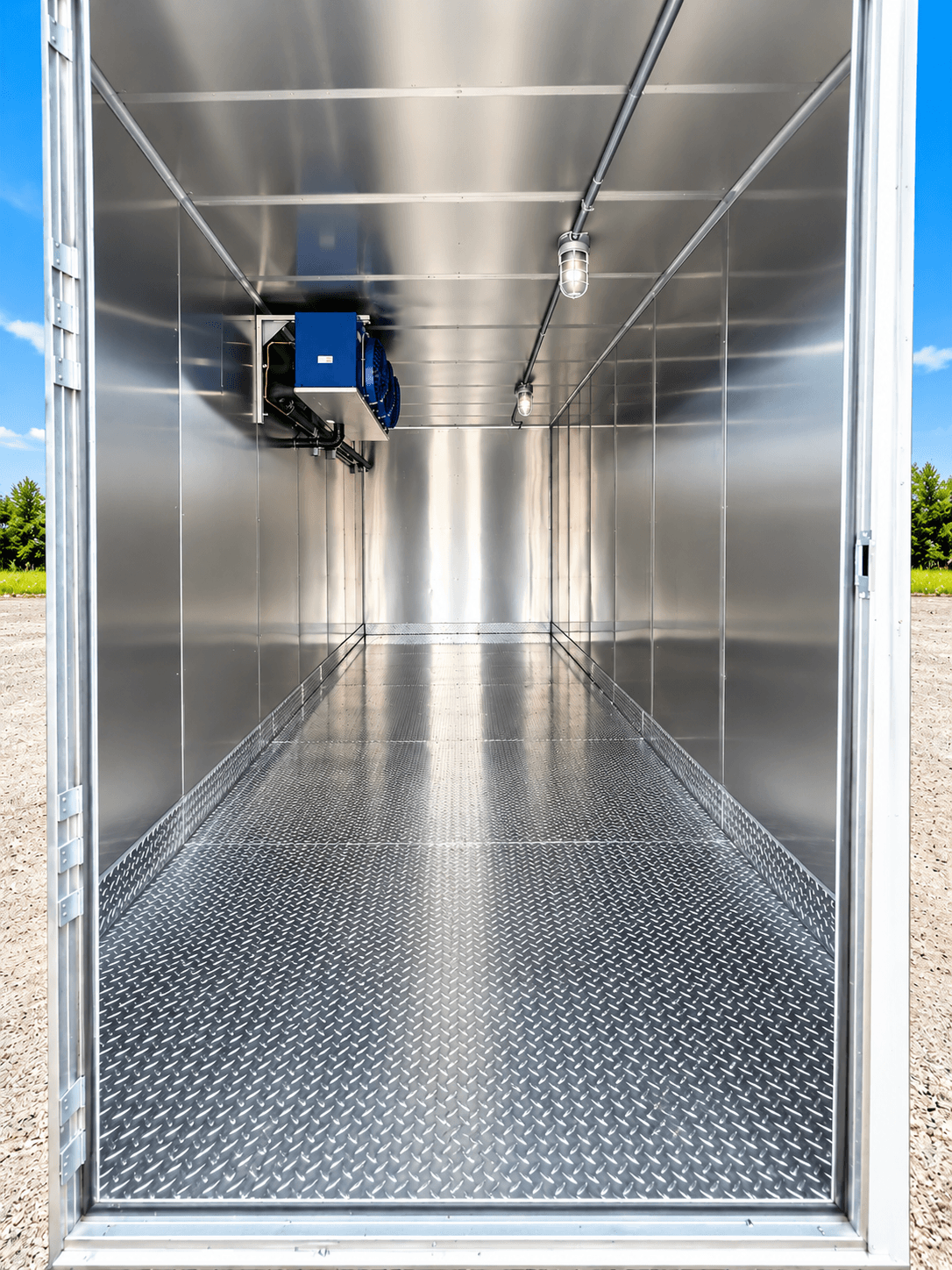
Compare the equipment
These published examples describe named company units. The supplied equipment, configuration and availability are confirmed for your project address.
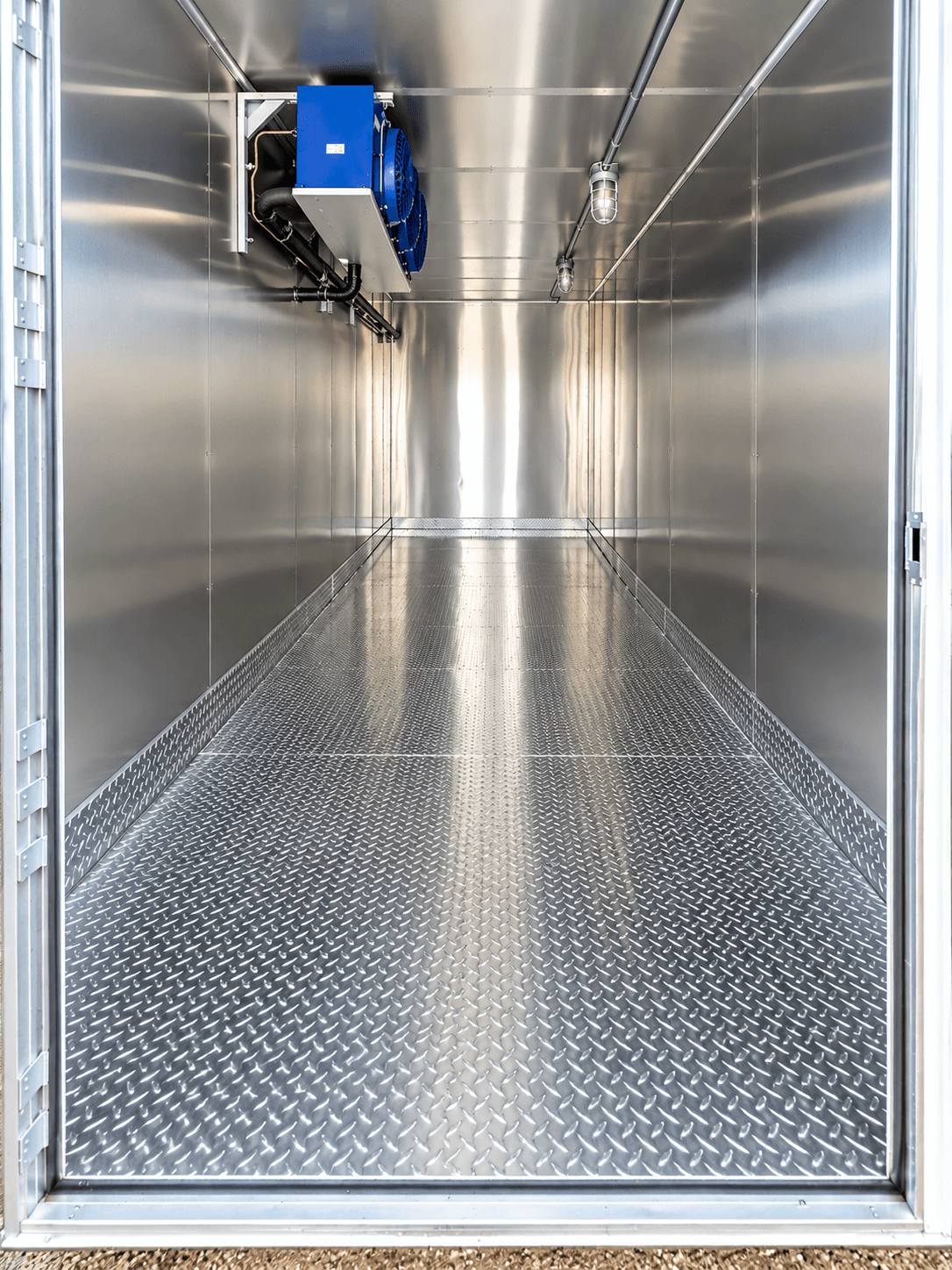
Listed refrigeration trailer equipment: condensing unit, amps panel, lighting.
Equipment records reviewed October 19, 2026. Temperature labels are inventory labels, not verified operating ranges. Nominal length is a model label, not a measure of usable space or site footprint.
Leasing a portable walk-in cooler in Bridgeport is one way to protect inventory during an emergency outage, a planned shutdown or a busy season. Emergency rentals and planned leases are quoted from the same details: the product, the temperature it must hold, the address and the dates. Cold storage is the usual starting point, and the same team can discuss a mobile kitchen rental or a dishwashing trailer lease if the interruption is wider.
Commercial customers can ask about portable refrigerated trailers, refrigeration containers and walk-in coolers or freezers for emergency, modular or temporary onsite use. Calls about a failed walk-in cooler or freezer are answered by a person around the clock, and delivery timing and equipment availability are confirmed once the details are reviewed. A walk-in failure in Danbury, a renovation in Waterbury or an event in Meriden can use the same inquiry as a Bridgeport project: the address, the stock, the dates and the choice between renting and leasing. Cooler and freezer rentals are matched to the stock: chilled produce, frozen protein or both.
WTNH’s 2025 guide to Connecticut fairs and festivals lists the Milford Oyster Festival, in its 50th year, for mid-August. Food distributors in Woodmont, West Haven and Ansonia can ask about leasing a refrigeration trailer for overflow stock when permanent coolers are full. Events and stadium concessions in Naugatuck and Newtown sometimes call for portable cold storage rental for a weekend, with kitchen trailers considered for larger menus. Event refrigeration is quoted by the day or the week: portable refrigerated trailers for a weekend, trailer leasing for a full season. A dishwashing trailer lease can be added to the same quote when returned dishes also need washing. The context above comes from public sources and does not describe a completed job; availability and delivery are confirmed in the quote.
Tropical Storm Isaias cut power to more than 680,000 Connecticut customers on August 4, 2020, and Eversource said the effect on its Connecticut customers was greater than Superstorm Sandy’s. When a compressor fails at a grocery in Hartford, a school in New Britain or a care facility in Bristol, an emergency walk-in cooler or freezer rental can protect the food while repairs are arranged. Schools in Middletown and a distributor in Norwich can ask the same question: what equipment fits this address, and what will the quote confirm about delivery? After an outage or storm, refrigerated trailers for rent and walk-in freezers protect frozen stock first, and the quote confirms equipment and delivery. A short-term emergency rental can become a long-term lease at the same address, as long as the quote says so. This is published public context, not company work; each request is quoted for its own address and dates.
Hartford HealthCare is planning a roughly $1 billion expansion described as the largest vertical construction project in Hartford, centered on a 14-story patient tower at Hartford Hospital with construction scheduled to begin in 2027, and an $850 million bond sale closed in April 2026 to help finance it. Seasonal refits in Litchfield, Bantam and Jewett City can be covered by a lease that starts before demolition and ends after the stock moves back indoors. Renovation projects in Fenwick may use a rented refrigeration trailer, and a dishwashing trailer for rent if the dish room is affected. Trailer leasing covers the length of a project: a refrigerated trailer for supplies and a refrigeration container for bulk stock, short-term or long-term. Portable refrigerated trailers, refrigeration containers and outdoor walk-in refrigeration units can all be discussed for the same job. Dishwashing trailer rentals and warewashing capacity are quoted beside the kitchen and refrigeration when the whole food-service area is affected. Nothing here assumes available equipment or a delivery time; a person answers rental inquiries 24/7 and the quote confirms the details.
A mobile kitchen trailer for rent can sit beside onsite refrigeration, so cooking and cold storage are planned together. Onsite temporary facilities can include portable refrigeration, a mobile kitchen trailer and, if dishes are affected, a dishwashing trailer. A commercial walk-in freezer failure in Bridgeport is an emergency call, and onsite temporary refrigeration is how most such calls begin. Mobile refrigeration, mobile kitchens and mobile dishwashing trailers are different equipment, and each can be rented separately or together.
Short-term rental suits a repair, and long-term leasing suits a renovation, so ask the quote to say which applies. Emergency refrigeration, onsite and temporary, is meant to bridge the gap until the commercial walk-in freezer is repaired or replaced. A mobile dishwashing trailer and a mobile kitchen trailer are often requested together, with a refrigerated trailer for the stock. Refrigeration containers are often chosen for long-term storage, while refrigerated trailers are chosen for short-term emergencies; both can be rented.
Emergency refrigeration for commercial kitchens often starts with a portable refrigerated trailer and ends with a longer lease if repairs take time. Emergency refrigeration rental covers walk-in coolers, walk-in freezers and refrigerated trailers for commercial kitchens, warehouses and plants. Refrigerated trailers for rent, refrigeration containers for lease and walk-in coolers for short-term use are the three questions most callers start with. Portable refrigerated trailers, refrigeration containers and outdoor walk-in refrigeration units can all be discussed for the same emergency.
Modular and portable cold storage can be discussed in stages when a site needs more space than one refrigerated trailer provides. Emergency refrigeration rental, trailer rentals and trailer leasing are all handled through one inquiry, so one call can cover every option. A dishwashing trailer lease can be added to the same quote when returned dishes also need washing. Dishwashing and kitchen outages often arrive together, so dishwashing trailer rentals and a mobile kitchen for rent are quoted beside emergency refrigeration.
Short-term or long-term, the same refrigerated trailer rental starts from the address, the stock and the dates. A dishwashing trailer, a mobile kitchen trailer and a refrigerated trailer for rent can each be short-term or long-term, depending on the repair. Outdoor walk-in refrigeration needs level ground and power nearby, so a long-term lease starts with a site conversation. Refrigeration is an emergency need: every call about a failed commercial walk-in freezer or refrigeration unit is an emergency call.
Outdoor walk-in refrigeration can be set up beside the building as temporary facilities, so staff keep working while the permanent walk-in cooler or walk-in freezer is repaired. Mobile kitchens, dishwashing trailers and refrigerated trailers for rent can be quoted together as temporary facilities.
A new supplier order can arrive before goods already held are used, creating a larger overlap than an inventory taken between deliveries shows. Include that peak, the time different product groups remain stored and which supplies must stay reachable. Larger receiving movements and smaller repeated ingredient trips can place different demands on the same entrance.
Nearby guides can help frame your questions. Norwalk’s guide covers its own planning questions. For a different working situation, New Haven’s guide covers planning during food-service repairs. Neither guide describes Bridgeport itself, and both depend on their own site details.
Describe the receiving point, preparation route and other activity sharing the proposed position. Known measurements and services connect those routines with the specific equipment proposed. Its actual information should guide connection questions rather than a photograph or category label, particularly if separate cooking or dishwashing arrangements also affect the complete ingredient route through the property.
A catering setup in Bridgeport or Milford, Connecticut, can remain occupied by staff and supplies after guest service ends, affecting the proposed equipment collection arrangement. Plan the transition from supplier access to guest service, allowing the venue contact to identify conflicts with other scheduled activity.
A Milford facility repair can involve different departmental stock and supplier timing from a Bridgeport kitchen. Keep the actual products, retrieval routine and working address attached to each request. Shared management does not establish identical temporary loads, usable space or the same equipment layout at separate properties, even when the initial category is the same.
For another comparison, the guide for operators in Stamford covers hospitality food-service. Use it as a prompt for your own questions about timing, access and storage.
For a Shelton refurbishment, show which permanent rooms remain usable in each phase. A Derby catering inquiry can identify where advance ingredients are held and products remaining after service. These nearby settings make regional coverage practical when each address, load and expected period stays clear rather than becoming an unexplained combined quantity or assumed common transport arrangement.
NOAA describes Connecticut with cold snowy winters, warm humid summers and variable conditions with precipitation through the year. Coastal winters tend to be milder than inland winters, with differences associated with the setting. Include the intended season and proposed surroundings as background for the temporary position and expected period of use.
A longer project may change receiving or staff access while equipment stays in place. Describe those stages and the property’s arrangements for changing conditions. Required product conditions, known services and information for the actual unit establish the practical arrangement. Regional context helps frame questions while the working site and operating task remain central to the proposal being considered.
Permanent rooms can reopen before every team returns its goods. Some products move inside while other supplies remain temporarily and normal orders continue. Describe that overlap and final remaining load so the expected period follows actual storage use rather than ending automatically at one repaired-room or construction milestone. Both transfers belong in the operating picture.
A Bridgeport quote should establish equipment, current availability, charges, transport, responsibilities and terms for changes or extensions. Separate the first required date from an uncertain finish where work remains under assessment. A short rental or longer lease can then be considered around the complete transition without treating a preliminary schedule as an agreed booking commitment.
Before you book
Describe their products, required conditions and retrieval routines separately, then show the busiest combined load. Include the way supplies remain identifiable. This makes shared use understandable without assuming every team handles the same goods or needs an identical layout within the proposed temporary space.
They can overlap with goods not yet used and create the busiest quantity held. Include timing, packaging and products reserved for later service. The equipment discussion should follow that receiving cycle rather than only a count taken when the permanent room first becomes unavailable.
Include which supplies move first, the remaining temporary load and orders arriving during the changeover. This connects the proposed period with actual use of storage. Confirm terms in the quote rather than assuming the first repaired room ends every team’s requirement for another store.
The team can discuss a portable walk-in cooler rental or lease for a Bridgeport address, from a few days to several months. Give the address, the stock to be stored and any access limits for a delivery truck. Availability, delivery coordination and the rental period are confirmed in the quote for your address.
Mobile and modular refrigeration, from refrigerated trailers for rent to a refrigeration container lease, can be discussed for short-term or long-term needs. Temporary facilities for a commercial site usually mean refrigeration first, then a mobile kitchen or dishwashing trailer if cooking or washing is also interrupted. Trailer rentals for emergencies are usually short-term, while trailer leasing for construction or seasonal work can run for months. Refrigeration is an emergency need, so describe the failed commercial unit and the stock at risk. The quote confirms availability, delivery and the rental period for the site.
These public references inform the planning examples; equipment availability and delivery arrangements are confirmed for your address.
Temporary refrigeration, kitchens and dishwashing can support many kinds of food-service operations. Each setting below starts with its own schedule, stock and site questions, and every project is reviewed individually.
Hotels, restaurants and resorts can plan temporary refrigeration around breakfast, banquet and dinner service when a walk-in cooler fails or a kitchen is refurbished.
Hospital, nursing home and care-facility kitchens can describe meal schedules, delivery times and displaced stock so temporary storage follows the food-service routine.
Municipal, county and public-building food-service teams can outline receiving arrangements, responsible contacts and project dates before a quote is prepared.
Dining facility managers can explain the products displaced, the receiving arrangements and the proposed period, then review availability and terms with our team.
Schools, colleges and universities can plan around term dates, serving windows and campus kitchen renovations so meal service can continue during repairs or construction.
Plant cafeterias and employee dining areas can describe shift patterns and staged building work so temporary cold storage can be reviewed against the working schedule.
Caterers and venues can plan preparation windows, event days and overflow ingredients, and describe how stock moves between storage, the kitchen and service.
Producers, wholesalers and distributors can describe loading, staging and storage needs when a cooler breaks down or demand temporarily exceeds capacity.
These examples describe planning situations. Equipment, availability and terms are confirmed in a project quote.
Cold storage is only one part of a project. These are the questions we work through with you before anything is booked.
Start with refrigerated containers and refrigeration trailers, then add a temporary kitchen or dishwashing trailer when the project needs one, all in a single conversation.
Access, utilities and the intended position are reviewed before delivery is arranged, so the equipment is matched to your site rather than the other way around.
Whether a walk-in cooler failed this morning or a renovation is months away, describe the real situation and plan around the stock, dates and people involved.
Planning guides cover all 50 states and more than 700 cities. Your address is then confirmed for equipment and delivery.
Use the rental calculator for a rate-range estimate and setup amount, then request a project quote that confirms availability, transport and the rental period.