BXRT20–1Refrigerated trailer
- Nominal length
- 20ft
- Listed electrical supply
- 220V · single-phase · 40–60A
- Inventory temperature label
- 32°F
Temporary cold storage in Saginaw, Michigan
Saginaw refrigerated container rentals can support a clear stock-continuity plan, with kitchen and dishwashing rental requirements considered when wider food operations change. Emergency cooler breakdowns need a different response from a planned utility or building project. Short-term rentals and longer leasing periods can be discussed for manufacturing businesses, restaurants, institutions, venues and other commercial users. Delivery coordination starts with the real entrance, the proposed storage position and an authorized site contact. Explain your refrigeration requirement, the goods that must remain accessible and the dates that depend on contractor progress. Request availability and a site-specific quote from Worldwide Refrigerated Container Rental Facilities before confirming the temporary operating plan.
Emergency cooler or freezer failure in Saginaw? A person answers rental inquiries 24/7. Availability and delivery timing are confirmed in your quote.
Plan your rental budget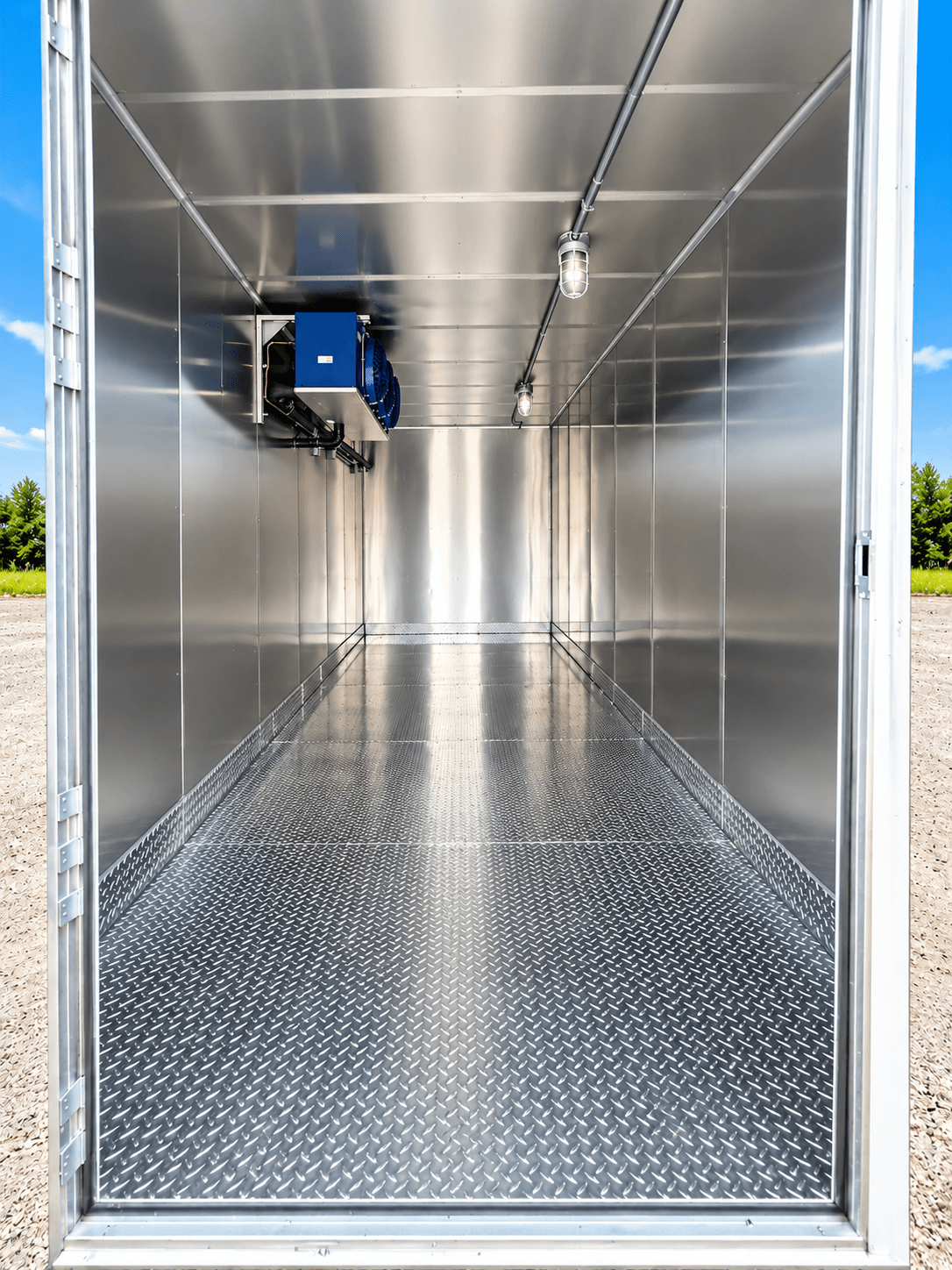
Compare the equipment
These published examples describe named company units. The supplied equipment, configuration and availability are confirmed for your project address.
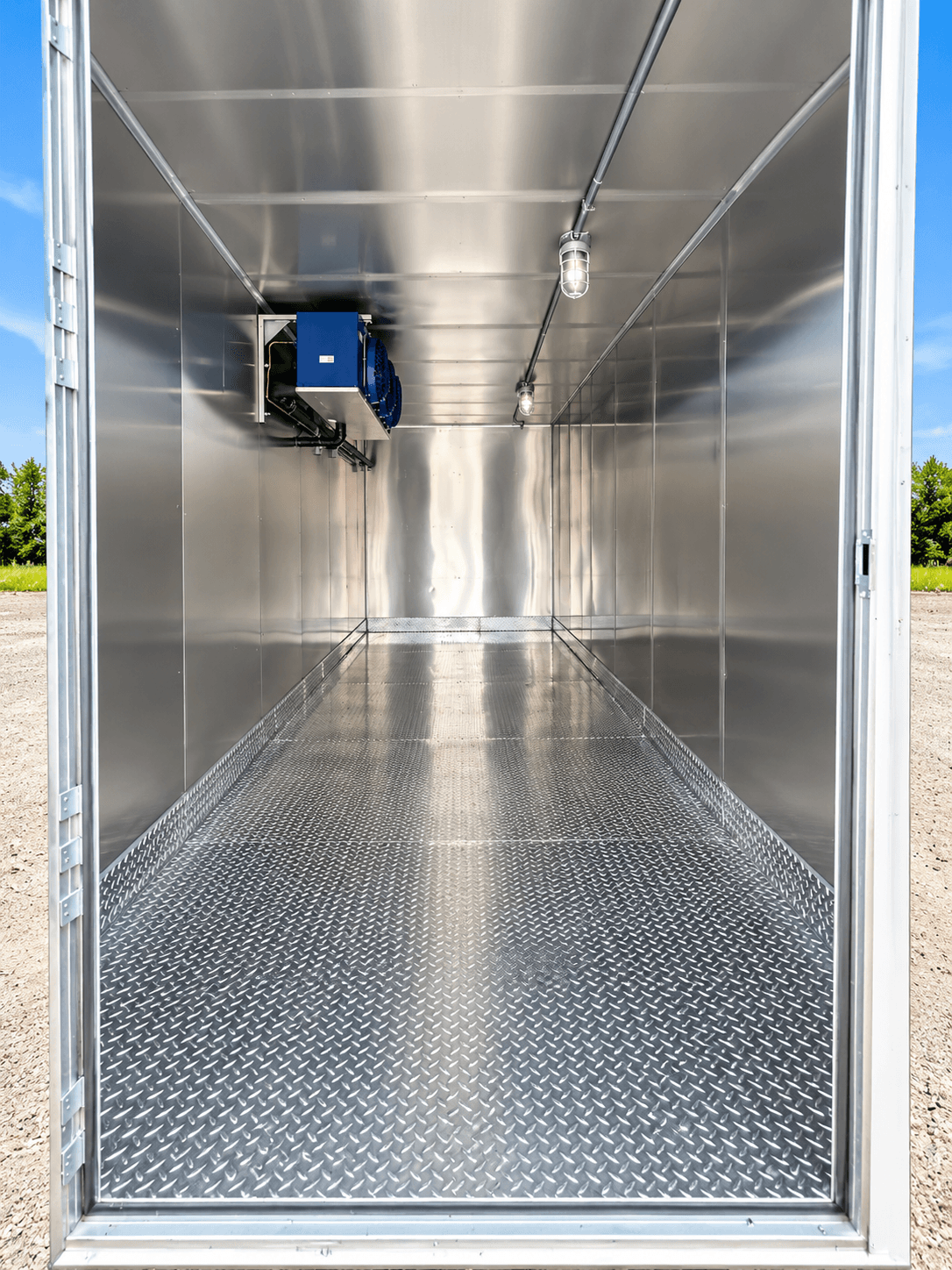
Listed refrigeration trailer equipment: condensing unit, amps panel, lighting.
Equipment records reviewed October 19, 2026. Temperature labels are inventory labels, not verified operating ranges. Nominal length is a model label, not a measure of usable space or site footprint.
The 2022 NOAA Michigan summary records historically variable rainfall and increases in heavy precipitation events. It does not establish weather damage at a Saginaw address. For an actual refrigeration interruption, the first question is whether only the permanent equipment has failed or whether access and site services are also affected. A rented cooler is not a substitute for resolving unsafe or unapproved property conditions. Identify the usable receiving area and the person responsible for stock decisions before describing the required load. If kitchen service continues, include committed incoming goods. If dishwashing remains active while preparation pauses, explain that distinction. A coherent operating picture helps the reviewer understand what the temporary storage would accomplish and which decisions remain with the site team.
Because this guide centers on utility work and stock continuity, the 20ft Refrigerated Container guide is a useful companion: it covers after-hours access to the unit and one resting place for the whole project.
Saginaw’s municipal water-tower account says construction began in fall 2024 and describes the tank bowl being raised in summer 2025. These dated infrastructure milestones show how a visible project can move through distinct stages. They do not identify rental customers or prove interruptions to a particular business. For a separate property project, use a similarly clear sequence when requesting cold storage: contractor possession, any planned service isolation, temporary receiving, permanent equipment checks and stock return. Refrigeration may be needed for only some of those stages. Tell the reviewer which stage defines the start and which defines the end, rather than requesting the full length of a construction contract without explaining the operating requirement.
Nearby guides can help frame your questions. Midland’s guide covers recovery and reopening milestones, citing the Midland entry “flood response and sewer improvements”. For a different working situation, Flint’s guide covers temporary operations during refurbishment, citing the Gloria Coles Flint Public Library entry “institutional history”. Treat each as background for your own questions rather than a description of conditions in Saginaw.
University dining staff in Saginaw or Bay City, Michigan, may need to separate supplies for different meal destinations while a refurbishment restricts their normal working space. Agree who updates ingredient orders when the project schedule changes, and include the dining supervisor in discussions about access.
A hypothetical Saginaw refurbishment may require a room to be empty before a contractor can isolate services. Identify that transfer deadline separately from the first day physical building work is visible. Kitchen refurbishment and dishwashing replacement may have their own isolation dates, changing which goods are purchased and which staff routes stay open. Label the stock moving to temporary refrigerated storage and identify any goods remaining in permanent equipment. Ask the operating team to check the plan against the busiest normal receiving day. A freezer load that seems manageable during a quiet shift can become different when a committed supplier order arrives, so the stock estimate and construction sequence should be reviewed together.
For work in Frankenmuth, Bay City or Essexville, name the exact equipment destination even when the inquiry is coordinated in Saginaw. A regional organization may have one purchasing office but several unrelated receiving routes. Show the final approach, gate controls, proposed refrigerated position and space needed by other users of the yard. The city’s road-closure page retains dated notices, including a September 2025 local road-millage project; those records illustrate the need for date checks, not current restrictions at your address. Confirm the route for the proposed rental period with the relevant site and transport contacts. Geographic proximity cannot substitute for permissions, turning information or a workable collection plan.
For a refrigeration quote, send the goods, packaging, required conditions and maximum simultaneous stock alongside the intended dates. Identify the day permanent storage becomes unavailable and the acceptance step that allows goods to return. Include the placement photograph, electrical information from an appropriate site representative and the person who can approve access. Explain which dates are provisional and which have been agreed by the contractor and operator. Ask the proposal to state the equipment basis, quoted period, address-specific transport and collection assumptions. Availability and final charges require review. A well-described transition lets the reviewer assess the actual storage gap without assuming that public utility construction creates a rental need at any separate business.
Before you book
Only if storage is genuinely displaced for that whole interval. Identify the start of the stock transfer and the point when permanent refrigeration can receive goods again. Explain any buffer needed for operating acceptance, and ask the quote to state the period it assumes.
Send the revised date promptly and explain whether stock has already moved. Ask for availability, transport and agreement changes to be confirmed. A revised contractor programme should not be treated as an automatic revision to the rental arrangement without that discussion.
Include the product types, packaging dimensions, quantities and holding conditions established by your operation. Explain whether staff retrieve individual items or move larger loads at set times. That information supports a more practical storage assessment than a room’s area or a business category alone.
These public references inform the planning examples; equipment availability and delivery arrangements are confirmed for your address.
Temporary refrigeration, kitchens and dishwashing can support many kinds of food-service operations. Each setting below starts with its own schedule, stock and site questions, and every project is reviewed individually.
Hotels, restaurants and resorts can plan temporary refrigeration around breakfast, banquet and dinner service when a walk-in cooler fails or a kitchen is refurbished.
Hospital, nursing home and care-facility kitchens can describe meal schedules, delivery times and displaced stock so temporary storage follows the food-service routine.
Municipal, county and public-building food-service teams can outline receiving arrangements, responsible contacts and project dates before a quote is prepared.
Dining facility managers can explain the products displaced, the receiving arrangements and the proposed period, then review availability and terms with our team.
Schools, colleges and universities can plan around term dates, serving windows and campus kitchen renovations so meal service can continue during repairs or construction.
Plant cafeterias and employee dining areas can describe shift patterns and staged building work so temporary cold storage can be reviewed against the working schedule.
Caterers and venues can plan preparation windows, event days and overflow ingredients, and describe how stock moves between storage, the kitchen and service.
Producers, wholesalers and distributors can describe loading, staging and storage needs when a cooler breaks down or demand temporarily exceeds capacity.
These examples describe planning situations. Equipment, availability and terms are confirmed in a project quote.
Cold storage is only one part of a project. These are the questions we work through with you before anything is booked.
Start with refrigerated containers and refrigeration trailers, then add a temporary kitchen or dishwashing trailer when the project needs one, all in a single conversation.
Access, utilities and the intended position are reviewed before delivery is arranged, so the equipment is matched to your site rather than the other way around.
Whether a walk-in cooler failed this morning or a renovation is months away, describe the real situation and plan around the stock, dates and people involved.
Planning guides cover all 50 states and more than 700 cities. Your address is then confirmed for equipment and delivery.
Use the rental calculator for a rate-range estimate and setup amount, then request a project quote that confirms availability, transport and the rental period.