BXRT20–1Refrigerated trailer
- Nominal length
- 20ft
- Listed electrical supply
- 220V · single-phase · 40–60A
- Inventory temperature label
- 32°F
Temporary cold storage in Jackson, Michigan
Jackson refrigerated container rentals can keep a storage plan focused while kitchen and dishwashing requirements are assessed alongside it. Emergency commercial cooler failures create an immediate stock problem; planned work allows receiving and transfers to be scheduled. Short-term rentals and longer lease requests can be discussed for restaurants, manufacturing operations, schools and other institutional or commercial customers. Delivery coordination should include the real entrance, authorized placement space and the working hours of the receiving team. Tell us what needs refrigeration, which activities continue and when permanent facilities are expected back. Request availability and an address-specific quote from Worldwide Refrigerated Container Rental Facilities for the proposed arrangement.
Emergency cooler or freezer failure in Jackson? A person answers rental inquiries 24/7. Availability and delivery timing are confirmed in your quote.
Plan your rental budget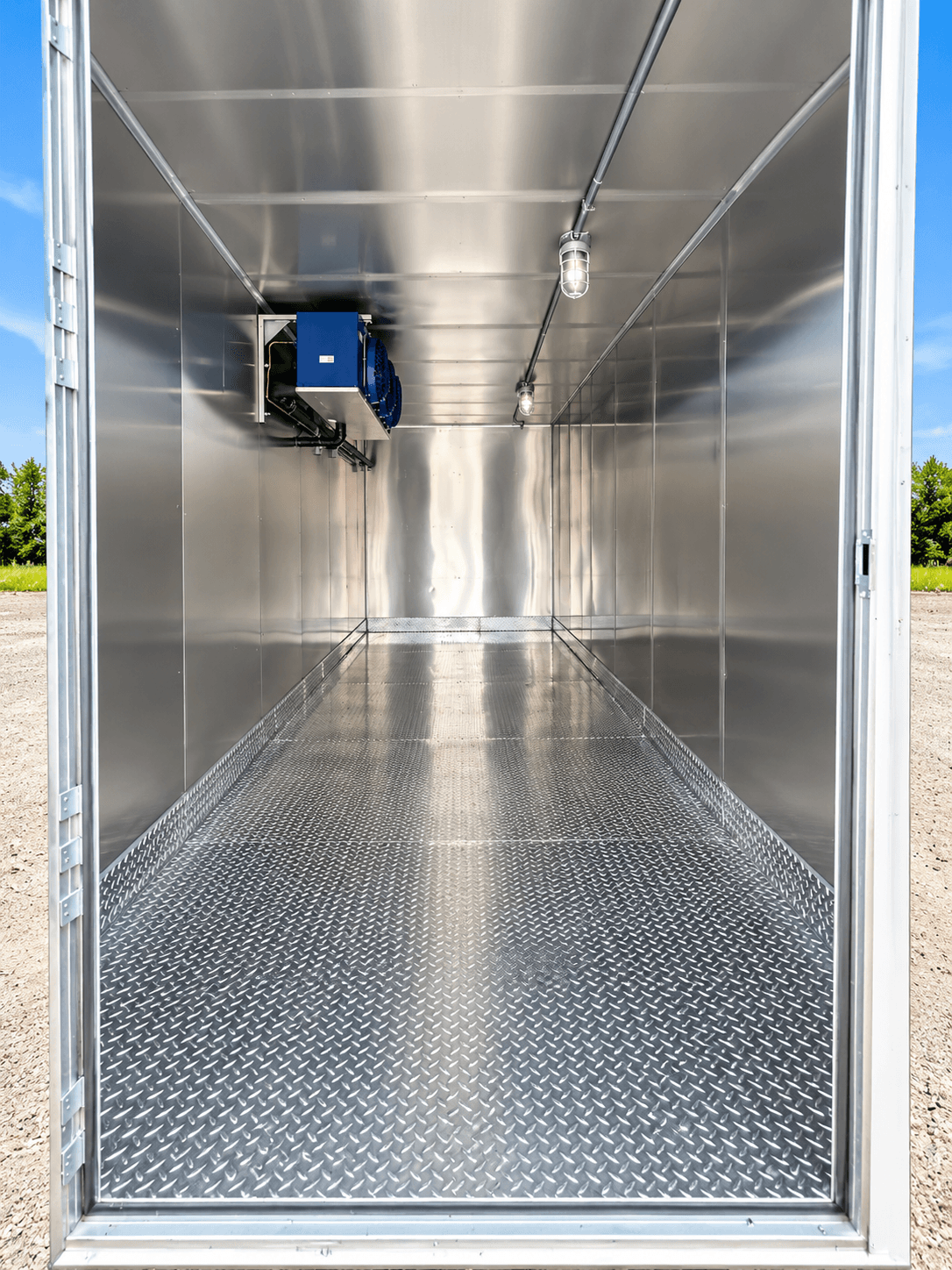
Compare the equipment
These published examples describe named company units. The supplied equipment, configuration and availability are confirmed for your project address.
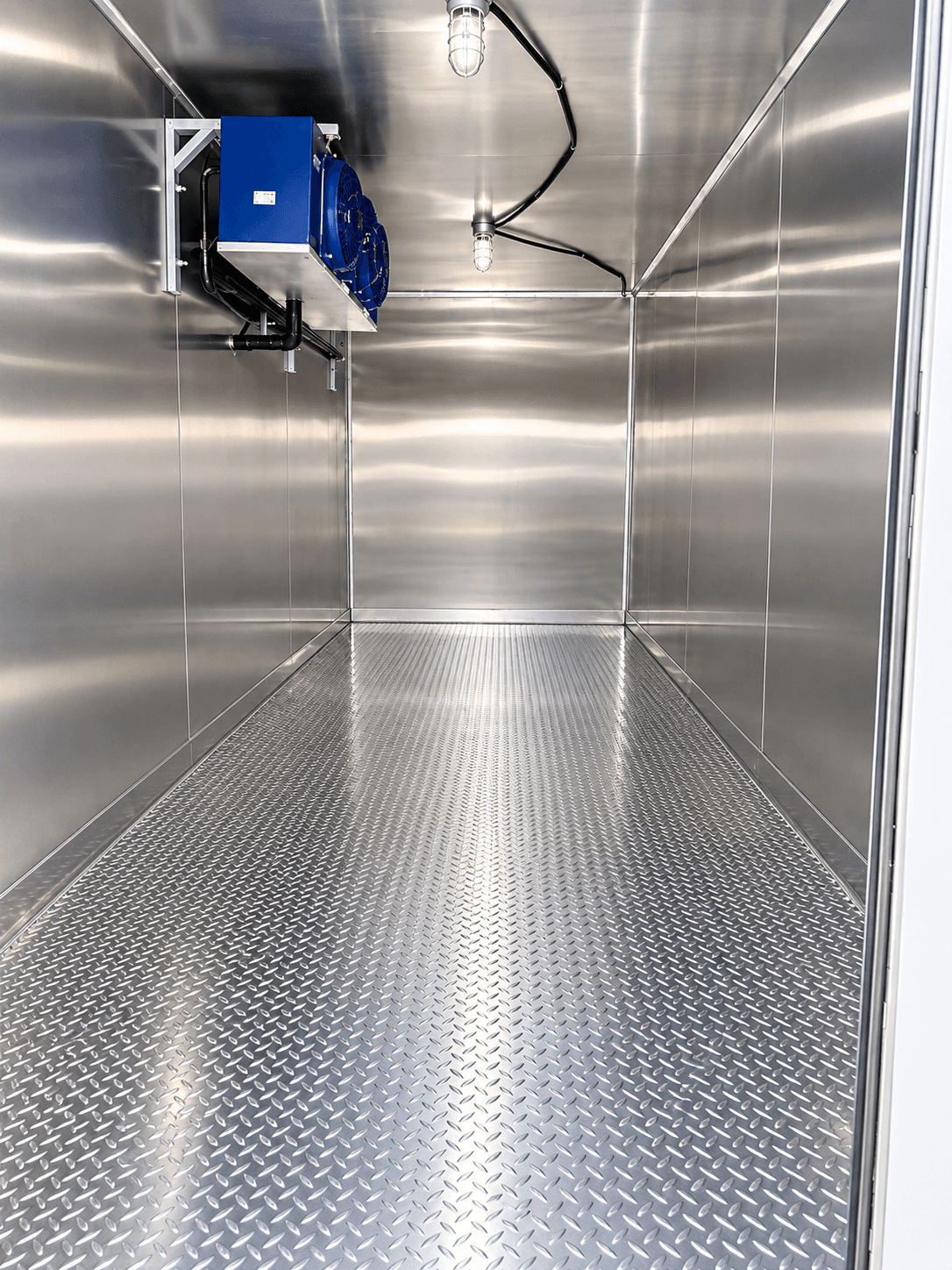
Listed refrigeration trailer equipment: condensing unit, amps panel, lighting.
Equipment records reviewed October 19, 2026. Temperature labels are inventory labels, not verified operating ranges. Nominal length is a model label, not a measure of usable space or site footprint.
NOAA’s 2022 Michigan summary documents wide historical precipitation variability and increasing heavy-rain events. Those statewide observations are background for resilience planning, not proof of an interruption at a Jackson property. A refrigeration failure can upset receiving before it changes production: goods may already be ordered when permanent storage becomes unavailable. Identify who can pause incoming orders and who can redirect them. The temporary cooler requirement should include deliveries that cannot reasonably be changed, rather than just goods counted that morning. If a kitchen reduces service, tell purchasing about the revised demand. Dishwashing needs can be reviewed separately so one equipment fault does not automatically become an unsupported request for an entire temporary operation.
To turn this local picture of phased receiving changes into an equipment shortlist, start with the 20ft Refrigerated Container guide and its notes on how to organize stock for a longer stay and the ground and drainage beneath the unit.
Jackson’s March 17, 2025 construction notice described the first phase of South MLK Drive reconstruction, including water and sewer work and a reduction to one traffic lane. It also identified a second phase intended for 2026. This dated municipal account does not establish the road’s present condition or a rental need at any project. It demonstrates why a cold storage inquiry should identify the entrance actually available during the intended period. A business changing its own receiving room might also need to change where supplier vehicles wait. Keep those movements on the construction drawing and confirm which property representative can approve the refrigerated unit’s position when the normal loading area is occupied.
Several neighboring guides cover situations that resemble parts of an inquiry from Jackson. Lansing’s guide is organized around its own planning questions. A separate comparison is Ann Arbor’s guide, which covers planned food-service transitions. Those are separate sites with separate requirements, so use them only as prompts for your Jackson request.
A change in school meal arrangements in Jackson or Albion, Michigan, can require ingredient orders and staff responsibilities to be reviewed before temporary equipment arrives. Ask the dining lead to match the proposed menu with ingredient arrivals, available working space and the planned staff handover.
A phased refurbishment can leave enough refrigeration capacity on paper while making that capacity difficult to reach. Ask the operating team to walk the proposed route with the contractor before equipment is disconnected. In a hypothetical Jackson project, stock in a retained freezer could remain usable only if staff can reach it without crossing the work zone. Kitchen preparation may continue elsewhere while dishwashing returns follow a separate path. Mark which goods transfer to temporary refrigerated storage and which remain in permanent rooms; give each location an accountable stock holder. This prevents the same pallet being counted in two capacity estimates and makes it easier to identify the last goods that must move before a phase closes.
Operators near Jackson can also compare Battle Creek’s guide, which covers stock transfers and building changes, citing the MEDC entry “Heritage Tower and The Milton, August 24, 2022”. Check your own site details separately before relying on any comparison.
Albion, Chelsea and Eaton Rapids are separate nearby communities, not alternative names for a Jackson loading entrance. If a regional operator coordinates several premises, put the location where the cold storage will stand at the top of the request. Add the gate, approach direction, turning area and any periods when staff cannot accept a vehicle. A freezer position that seems convenient on a map may interfere with waste collection or public access on the ground. For properties sharing a yard, identify the supplier window and the reusable-item collection pattern. Ask the authorized representative to approve the proposed route before the transport arrangements are confirmed, including any changes expected between placement and collection.
For a refrigeration inquiry, the useful capacity figure is the largest quantity expected to be present at once. Explain whether deliveries accumulate during a closure or whether smaller orders will continue throughout it. Provide packaging dimensions, holding requirements, a provisional start and end date, placement photographs and site electrical information from a qualified contact. Flag the construction milestone that determines when stock can return. Ask the proposal to explain the equipment basis, rental period and address-specific delivery and collection assumptions. If an approval depends on a landlord, purchasing department or contractor, identify that dependency early. A clear decision chain helps keep a revised plan consistent with the quoted arrangement without implying guaranteed equipment or arrival times.
Before you book
Yes. Explain committed deliveries as well as stock already on hand, particularly if an order cannot be postponed during the shutdown. Identify the peak overlap rather than adding every delivery across the whole project. That gives the reviewer a more useful view of simultaneous storage demand.
Tell us which operating functions are still displaced and the revised period you expect to need the equipment. Ask for the extension conditions and availability to be confirmed before assuming the original agreement continues unchanged. Keep the purchasing contact and site representative informed together.
Use the person authorized to approve the property’s use, with input from the operating team and relevant site specialists. Supply their contact details in the inquiry. A photograph or a contractor’s suggestion alone does not establish permission or confirm suitability for refrigerated equipment.
These public references inform the planning examples; equipment availability and delivery arrangements are confirmed for your address.
Temporary refrigeration, kitchens and dishwashing can support many kinds of food-service operations. Each setting below starts with its own schedule, stock and site questions, and every project is reviewed individually.
Hotels, restaurants and resorts can plan temporary refrigeration around breakfast, banquet and dinner service when a walk-in cooler fails or a kitchen is refurbished.
Hospital, nursing home and care-facility kitchens can describe meal schedules, delivery times and displaced stock so temporary storage follows the food-service routine.
Municipal, county and public-building food-service teams can outline receiving arrangements, responsible contacts and project dates before a quote is prepared.
Dining facility managers can explain the products displaced, the receiving arrangements and the proposed period, then review availability and terms with our team.
Schools, colleges and universities can plan around term dates, serving windows and campus kitchen renovations so meal service can continue during repairs or construction.
Plant cafeterias and employee dining areas can describe shift patterns and staged building work so temporary cold storage can be reviewed against the working schedule.
Caterers and venues can plan preparation windows, event days and overflow ingredients, and describe how stock moves between storage, the kitchen and service.
Producers, wholesalers and distributors can describe loading, staging and storage needs when a cooler breaks down or demand temporarily exceeds capacity.
These examples describe planning situations. Equipment, availability and terms are confirmed in a project quote.
Cold storage is only one part of a project. These are the questions we work through with you before anything is booked.
Start with refrigerated containers and refrigeration trailers, then add a temporary kitchen or dishwashing trailer when the project needs one, all in a single conversation.
Access, utilities and the intended position are reviewed before delivery is arranged, so the equipment is matched to your site rather than the other way around.
Whether a walk-in cooler failed this morning or a renovation is months away, describe the real situation and plan around the stock, dates and people involved.
Planning guides cover all 50 states and more than 700 cities. Your address is then confirmed for equipment and delivery.
Use the rental calculator for a rate-range estimate and setup amount, then request a project quote that confirms availability, transport and the rental period.