BXRT20–1Refrigerated trailer
- Nominal length
- 20ft
- Listed electrical supply
- 220V · single-phase · 40–60A
- Inventory temperature label
- 32°F
Temporary cold storage in Monroe, Michigan
Monroe refrigerated container rentals can address a storage interruption while related kitchen and dishwashing rental needs are considered in the same inquiry. Emergency commercial freezer failures may require a rapid stock decision; planned renovations allow a staged operating plan. Short rentals and longer leasing requests can be reviewed for industrial facilities, restaurants, institutions, event operators and other commercial users. Delivery coordination starts with the address, an approved placement area and a contact familiar with the receiving route. Explain what needs refrigeration and which activities must continue during the project. Request availability and a site-specific quote from Worldwide Refrigerated Container Rental Facilities with the equipment, dates and access assumptions made clear.
Emergency cooler or freezer failure in Monroe? A person answers rental inquiries 24/7. Availability and delivery timing are confirmed in your quote.
Plan your rental budget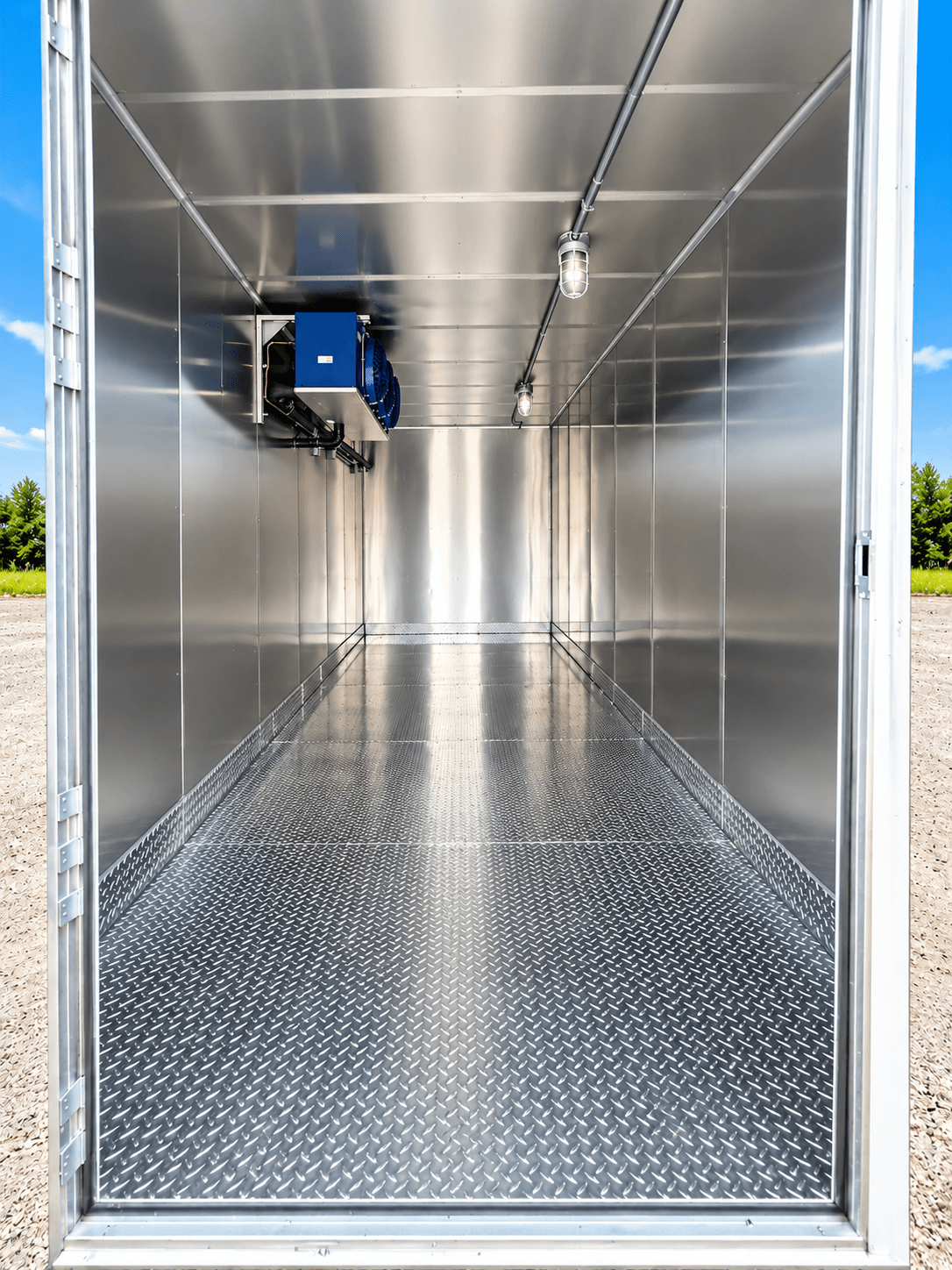
Compare the equipment
These published examples describe named company units. The supplied equipment, configuration and availability are confirmed for your project address.
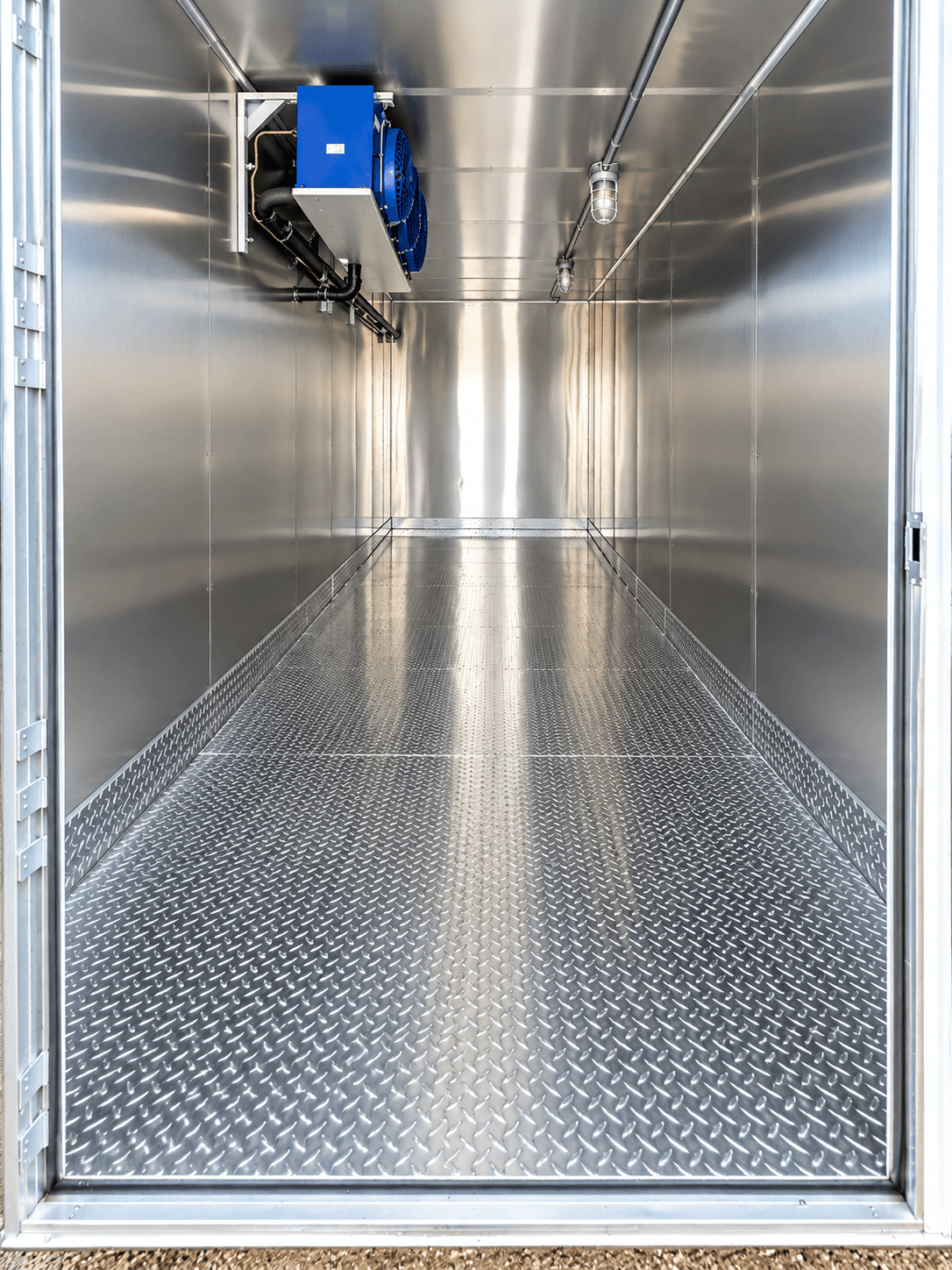
Listed refrigeration trailer equipment: condensing unit, amps panel, lighting.
Equipment records reviewed October 19, 2026. Temperature labels are inventory labels, not verified operating ranges. Nominal length is a model label, not a measure of usable space or site footprint.
The 2022 NOAA Michigan summary describes historically variable rainfall and higher recent averages for heavy precipitation events. That statewide record supports preparation; it does not show that a particular Monroe cooler lost power or that a property has flooded. When storage does become unavailable, write down the practical consequence before requesting equipment. Some goods may remain in working refrigeration while only the next delivery needs another destination. A kitchen may continue at reduced purchasing levels, or service may pause entirely. Dishwashing requirements follow that decision rather than the capacity of the failed room. Define the stock gap, required conditions and accountable transfer person so the rental inquiry stays proportional to the operation you intend to maintain.
For working around public-site changes, the 20ft Refrigerated Container guide sets out the next questions to settle, starting with the ground and drainage beneath the unit and then how to organize stock for a longer stay.
Monroe’s August 15, 2025 notice announced the first phase of St. Mary’s Park redevelopment, including parking and pathway reconstruction. It described keeping the park open while the main lot closed, with work planned for August through November 2025. This historical project account illustrates that an open site can still have a substantially changed service entrance. It is not a current access notice or an equipment customer example. For an independent project requiring cold storage, show which receiving areas remain available during each phase. A refrigerated unit needs an approved operating position and an approach compatible with the work, not merely a postal address on a site that remains open to visitors.
For comparison, read what nearby cities emphasize. In Dearborn, the guide covers planned food-service transitions; in Ann Arbor, it covers planned food-service transitions. Bring the same practical questions about access, timing and storage to your Monroe inquiry.
A healthcare dining manager in Monroe or Dundee, Michigan, can separate the food supply requirements of employee meals from other scheduled service within the same facility. Describe the busiest ingredient overlap between incoming supplies and preparation, rather than relying on the total number of meals alone.
The same 2025 park notice said the summer concert series would conclude before the first phase began. Scheduling construction around an activity is useful context for a commercial venue planning its own renovation, without implying a connection to that public work. The last event may not be the last day goods require refrigeration. A kitchen can finish service while unopened stock remains for transfer, and dishwashing returns may continue after visitors leave. Identify the final receiving day, stock-clearance period and planned acceptance of permanent equipment. Give those milestones to the project manager before the temporary arrangement is removed, especially if different teams are responsible for events, purchasing and building work.
Another nearby guide, Livonia’s, covers planning during equipment repairs. It is background reading, not a statement about Monroe.
For an inquiry in Rockwood, Flat Rock or Dundee, state that property’s receiving location rather than using Monroe as a general destination. Census place identities help distinguish the communities but do not establish road distance or a delivery radius. A marked photograph should show the proposed cold storage position and the vehicle approach, including any access shared with the public. Where food deliveries and reusable-item collections take place at different doors, label each so the refrigeration transport assessment uses the intended gate. Ask the site representative to identify changes expected between placement and collection. An old parking arrangement or public construction notice should not be treated as confirmation of access on your rental dates.
A refrigerated rental request should describe the goods, packaging, holding requirements and largest simultaneous stock load. Add start and end dates, known uncertainties and the person authorizing the proposed placement. Send site electrical information from an appropriate representative and identify who can answer operating questions. Ask for the equipment basis, rental period, address-specific transport and collection assumptions to be itemized clearly enough for purchasing to review. If one proposal assumes a single stock transfer and another assumes daily receiving, resolve that difference before comparing the figures. Equipment availability, final charges and the agreed schedule require project review. The dated civic example helps explain planning decisions; it creates no commitment about the arrangements at your business.
Before you book
No. An open public entrance can coexist with a closed parking area or a controlled work zone. Identify the gate intended for equipment, not just the visitor entrance, and provide current information for review. Ask the authorized property contact to confirm the proposed use.
Yes, when they are different activities. Tell us when the unit must be ready for the planned operation and when all goods should have left it. Include any collection restrictions after the last event so the proposed rental and return arrangements match the full project.
Confirm that permanent storage has been accepted and goods can move before changing the plan. Ask how an earlier return affects the agreement and collection scheduling. Do not assume a revised construction date automatically changes the quoted rental period or equipment transport arrangement.
These public references inform the planning examples; equipment availability and delivery arrangements are confirmed for your address.
Temporary refrigeration, kitchens and dishwashing can support many kinds of food-service operations. Each setting below starts with its own schedule, stock and site questions, and every project is reviewed individually.
Hotels, restaurants and resorts can plan temporary refrigeration around breakfast, banquet and dinner service when a walk-in cooler fails or a kitchen is refurbished.
Hospital, nursing home and care-facility kitchens can describe meal schedules, delivery times and displaced stock so temporary storage follows the food-service routine.
Municipal, county and public-building food-service teams can outline receiving arrangements, responsible contacts and project dates before a quote is prepared.
Dining facility managers can explain the products displaced, the receiving arrangements and the proposed period, then review availability and terms with our team.
Schools, colleges and universities can plan around term dates, serving windows and campus kitchen renovations so meal service can continue during repairs or construction.
Plant cafeterias and employee dining areas can describe shift patterns and staged building work so temporary cold storage can be reviewed against the working schedule.
Caterers and venues can plan preparation windows, event days and overflow ingredients, and describe how stock moves between storage, the kitchen and service.
Producers, wholesalers and distributors can describe loading, staging and storage needs when a cooler breaks down or demand temporarily exceeds capacity.
These examples describe planning situations. Equipment, availability and terms are confirmed in a project quote.
Cold storage is only one part of a project. These are the questions we work through with you before anything is booked.
Start with refrigerated containers and refrigeration trailers, then add a temporary kitchen or dishwashing trailer when the project needs one, all in a single conversation.
Access, utilities and the intended position are reviewed before delivery is arranged, so the equipment is matched to your site rather than the other way around.
Whether a walk-in cooler failed this morning or a renovation is months away, describe the real situation and plan around the stock, dates and people involved.
Planning guides cover all 50 states and more than 700 cities. Your address is then confirmed for equipment and delivery.
Use the rental calculator for a rate-range estimate and setup amount, then request a project quote that confirms availability, transport and the rental period.