BXRT20–1Refrigerated trailer
- Nominal length
- 20ft
- Listed electrical supply
- 220V · single-phase · 40–60A
- Inventory temperature label
- 32°F
Temporary cold storage in Detroit, Michigan
Detroit commercial freezers for rent can bridge an emergency walk-in failure or keep ingredients accessible during planned refrigeration replacement. Refrigerated containers, trailers and coolers can address other storage needs, with kitchen and dishwashing facilities considered where more functions close. Short-term rentals and longer leases can suit restaurants, schools, hospitals, hospitality businesses and industrial food-service operations. Worldwide Refrigerated Container Rental Facilities serves Detroit and discusses delivery around the actual equipment and property. Explain the products affected, receiving routine and intended period to request availability and a quote for temporary storage connected to the kitchen’s working needs.
Emergency cooler or freezer failure in Detroit? A person answers rental inquiries 24/7. Availability and delivery timing are confirmed in your quote.
Plan your rental budget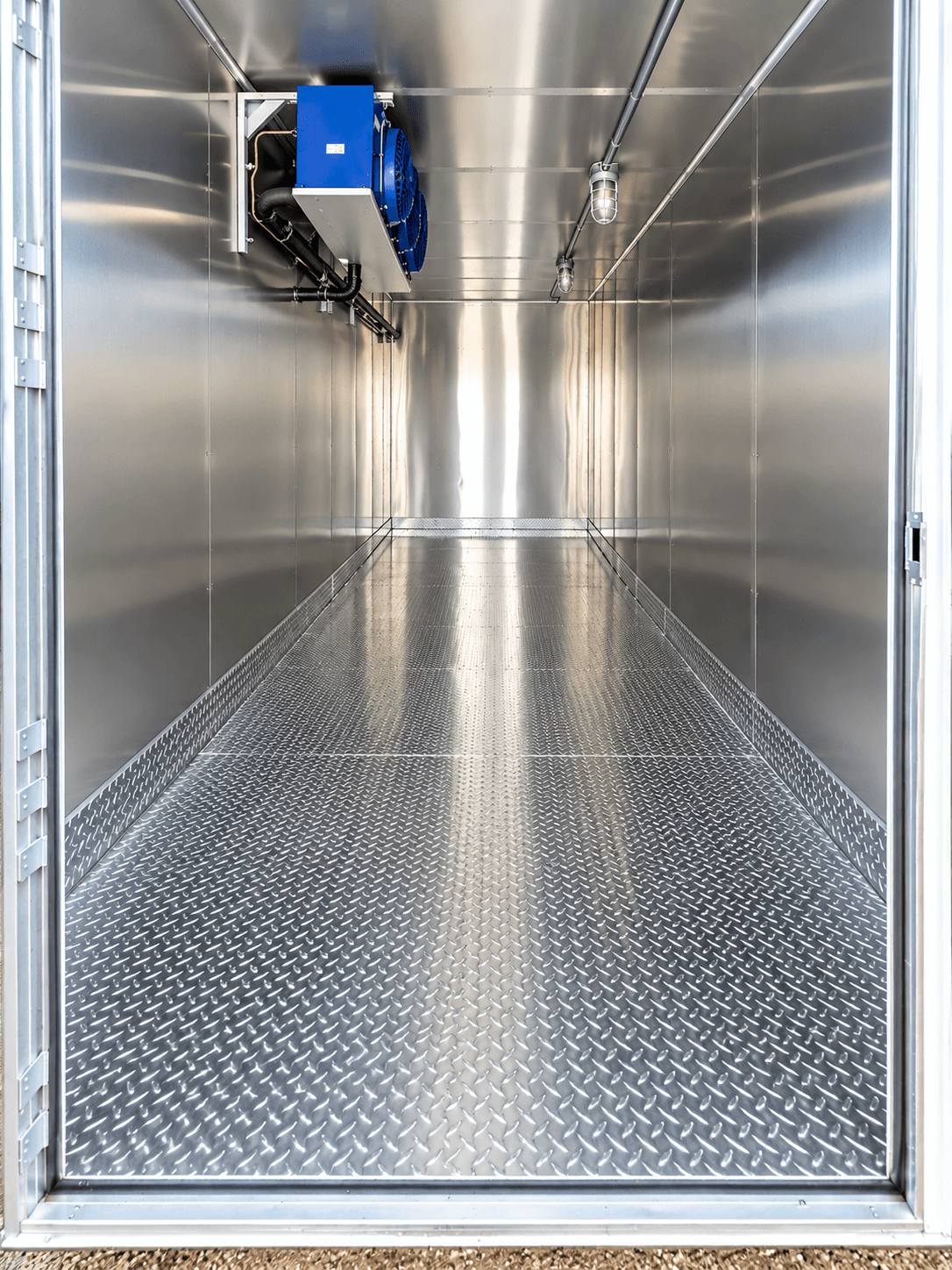
Compare the equipment
These published examples describe named company units. The supplied equipment, configuration and availability are confirmed for your project address.
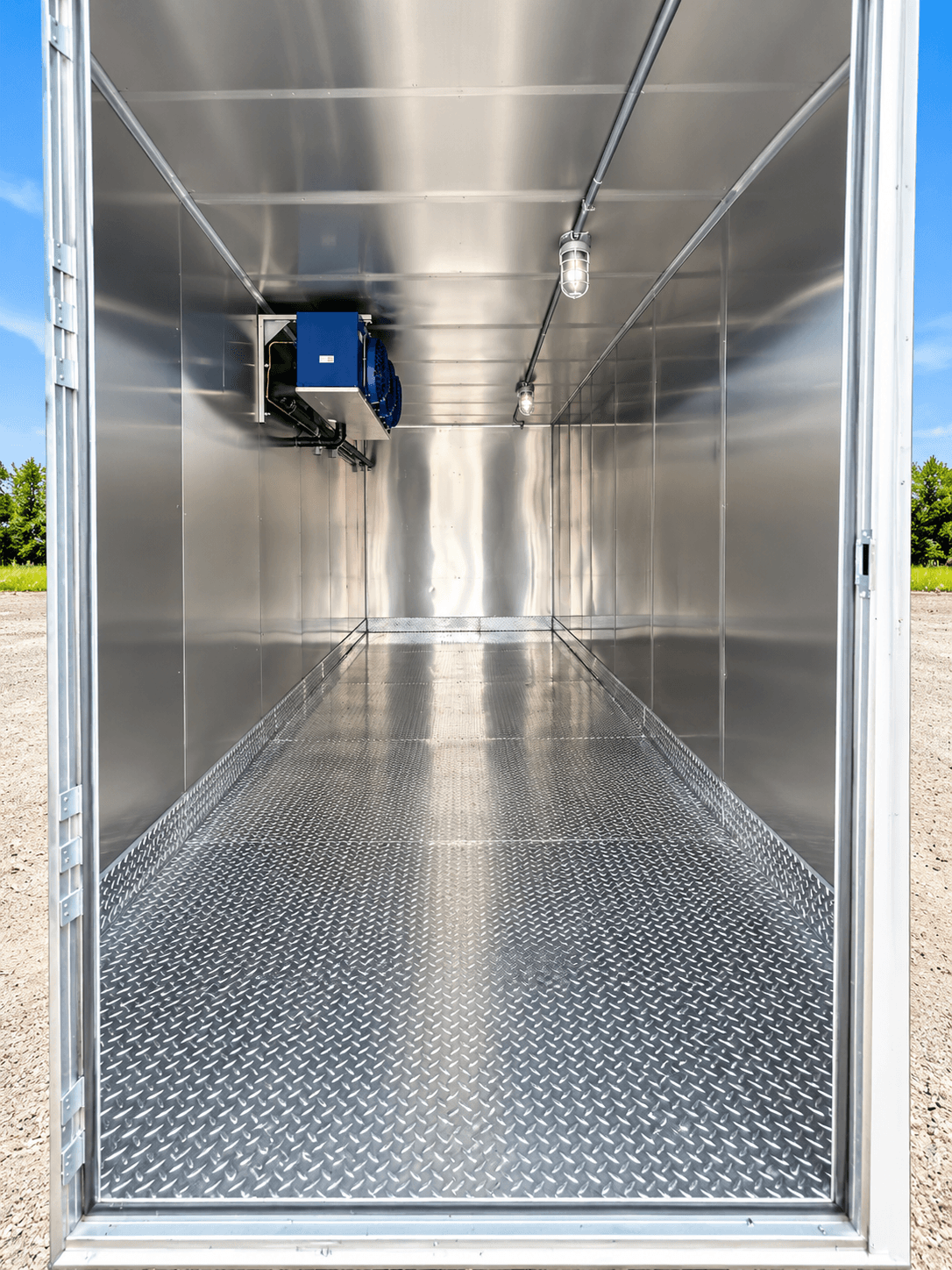
Listed refrigeration trailer equipment: condensing unit, amps panel, lighting.
Equipment records reviewed October 19, 2026. Temperature labels are inventory labels, not verified operating ranges. Nominal length is a model label, not a measure of usable space or site footprint.
Leasing a mobile refrigeration trailer in Detroit is one way to protect inventory during an emergency outage, a planned shutdown or a busy season. Whether you rent for a weekend event or lease through a multi-month renovation, the rental period, delivery coordination and setup are confirmed in your quote. If cooking is also interrupted, a mobile kitchen trailer rental can sit beside the refrigeration, and a dishwashing trailer for rent can handle returned dishes.
Every call about a failed commercial walk-in freezer or refrigeration system is an emergency call, and a person answers rental inquiries 24/7 so the problem can be described at any hour. Restaurants, hospitals, schools, hotels, caterers and food producers can describe the problem to a person who answers rental inquiries 24/7. Many requests come from beyond a single city. A commercial kitchen in Troy, Sterling Heights and Ann Arbor can ask for a refrigerated trailer rental or container lease with the same details as one in Detroit: where the unit would sit, how a truck reaches it and what must stay cold.
The National Cherry Festival in Traverse City runs eight days each July, and a Grand Valley State University study estimated 323,500 visitors in 2022, nearly 75 percent from outside Grand Traverse County, spending about $22 million. Festivals and sports events in Harrietta, Free Soil and Midland sometimes rent portable cold storage for a weekend, with a mobile kitchen trailer considered for larger menus. Food producers in Muskegon and Bay City can ask about trailers for rent when production outgrows permanent cold storage for a few weeks. Portable refrigerated trailers and walk-in coolers are usually the first equipment discussed for event stock, with onsite power and access reviewed early. The context above comes from public sources and does not describe a completed job; availability and delivery are confirmed in the quote.
In the February 2023 ice storm, more than 700,000 Michigan homes lost power, DTE’s outage peak that week was about 600,000 customers, and Consumers Energy still reported 237,000 homes without power two days later. Caterers in Hazel Park and Center Line often need cold storage rental for a single event, while a commissary in Melvindale may need a longer lease through a busy season. A restaurant in Madison Heights or a food distributor in Dearborn Heights can call about emergency refrigeration rental as soon as a walk-in stops holding temperature. Emergency refrigeration comes first after a storm or outage: a portable refrigerated trailer, a refrigeration container or outdoor walk-in refrigeration can hold stock while power and repairs catch up. When cooking and dish washing stop together, a mobile kitchen, a dishwashing trailer and portable refrigeration can be one request. These are public facts about the area, not a record of company jobs; equipment, availability and delivery are confirmed in the quote.
Michigan Public reported in January 2026 that the Gordie Howe International Bridge connecting Detroit and Windsor was near completion, a project with a contract value of 6.4 billion Canadian dollars. Temporary facilities for a remodel in Allen Park, Clawson or Birmingham usually combine refrigeration, a mobile kitchen for rent and, if dishes are affected, a dishwashing trailer lease. Renovation projects in Garden City may use a rented refrigeration trailer, and a dishwashing trailer for rent if the dish room is affected. On long projects, contractors compare a refrigerated trailer lease with a refrigeration container for bulk crew supplies. Portable refrigerated trailers, refrigeration containers and outdoor walk-in refrigeration units can all be discussed for the same job. A dishwashing trailer lease can be added to the same quote when returned dishes also need washing. This is published public context, not company work; each request is quoted for its own address and dates.
A commercial kitchen closed for repairs may need a mobile kitchen trailer lease, a dishwashing trailer and emergency refrigeration at the same time. A dishwashing trailer lease can be added to the same quote when returned dishes also need washing. Emergency refrigeration for commercial kitchens often starts with a portable refrigerated trailer and ends with a longer lease if repairs take time. Refrigeration containers are often chosen for long-term storage, while refrigerated trailers are chosen for short-term emergencies; both can be rented.
Trailer rentals for emergencies are usually short-term, while trailer leasing for construction or seasonal work can run for months. Emergency refrigeration rental covers walk-in coolers, walk-in freezers and refrigerated trailers for commercial kitchens, warehouses and plants. A mobile kitchen trailer for rent can sit beside onsite refrigeration, so cooking and cold storage are planned together. Dishwashing and kitchen outages often arrive together, so dishwashing trailer rentals and a mobile kitchen for rent are quoted beside emergency refrigeration.
In Detroit, emergency refrigeration usually means a refrigerated trailer, a refrigeration container or a portable walk-in cooler matched to the stock. Short-term rental suits a repair, and long-term leasing suits a renovation, so ask the quote to say which applies. Onsite temporary facilities can include portable refrigeration, a mobile kitchen trailer and, if dishes are affected, a dishwashing trailer. A mobile dishwashing trailer and a mobile kitchen trailer are often requested together, with a refrigerated trailer for the stock.
Outdoor walk-in refrigeration can be set up beside the building as temporary facilities, so staff keep working while the permanent walk-in cooler or walk-in freezer is repaired. Emergency refrigeration, onsite and temporary, is meant to bridge the gap until the commercial walk-in freezer is repaired or replaced. A mobile, modular or portable refrigeration setup in Detroit is chosen to match the walk-in cooler or freezer that failed. Emergency refrigeration can be arranged as a refrigerated trailer, a refrigeration container or a portable walk-in cooler, depending on the stock and the site.
Temporary facilities for a commercial site usually mean refrigeration first, then a mobile kitchen or dishwashing trailer if cooking or washing is also interrupted. Portable refrigerated trailers, refrigeration containers and outdoor walk-in refrigeration units can all be discussed for the same emergency. When cooking and dish washing stop with the walk-in freezer, a mobile kitchen, a dishwashing trailer and portable refrigeration can be one request. A commercial walk-in freezer failure in Detroit is an emergency call, and onsite temporary refrigeration is how most such calls begin.
Kitchen, dishwashing and refrigeration rentals are separate equipment, and each can be rented short-term or leased long-term. A portable refrigerated trailer suits most emergency calls, while a refrigeration container fits a longer, more stationary need.
A Detroit freezer failure can displace reserves used between supplier visits while permanent chilled storage remains usable. That is a different temporary refrigeration task from replacing the main store opened repeatedly during service. Required product conditions, packaging and the busiest receiving overlap should be identified separately. The menu continuing through repairs can also change what arrives and how much remains held.
Later deliveries may increase the refrigerated load after the initial transfer. Frequently retrieved cases need usable access rather than being buried behind reserves for another meal period. The named trailer records above provide inventory temperature labels and individual electrical entries; they do not establish one operating range or capacity for every offered unit. The supplied doorway and internal arrangement must fit the actual stock movement.
If the interruption also closes preparation or cleaning, a kitchen or dishwashing arrangement has its own job. The responsible food-service team assesses goods already affected under its established procedures while the repair and equipment options are reviewed. Availability of a unit cannot establish the condition of products exposed before transfer.
Eastern Market’s food-access information describes mobile grocery distribution through its Well Wayne Fresh Trucks program and neighborhood food-access partnerships. That published local example distinguishes goods prepared for onward distribution from the place where customers collect them. For a comparable commercial transition, the refrigerated holding address should follow the stock’s actual stage and collection responsibility rather than the public market name alone.
A Dearborn preparation site serving another address can hold ingredients before its public service begins. A Warren refurbishment may instead keep accepting ordinary supplier orders through several work phases. The required cold-storage conditions, peak quantity and staff route belong to each property. Similar menus and shared purchasing do not establish one usable capacity or utility arrangement.
The offered unit needs an internal arrangement for the actual cases, carts and any agreed fittings. Reserve refrigeration entered occasionally can use space differently from the main preparation store. A separate cooking or dishwashing provision also needs a destination for its supplies and returned items, so ingredient receiving remains practical after the equipment is occupied.
For healthcare food-service teams in Detroit or Hamtramck, Michigan, restoring a permanent room may involve an organized ingredient transfer after the contractor has completed its work. Explain which ingredients employees retrieve repeatedly and which remain reserved, using the handling requirements supplied by the facility's own responsible team.
Huntington Place’s event-planning guidance says it cannot accept advance freight and directs arrangements through the event’s general contractor. It distinguishes hand-carried materials from loading-dock deliveries, and its docks do not provide parking. The venue also identifies an exclusive caterer. An authorized food-service operation arranging temporary refrigeration there needs its role, arrival period and working position agreed; a guest entrance or unloading slot does not settle every stage.
A Highland Park property supporting Detroit preparation needs its own stock destination and connections. A Hamtramck food-service interruption may leave one permanent store usable while another closes. A Ferndale function can need refrigerated reserves before guests arrive, whereas a Livonia refurbishment can keep replenishing stock daily. Those illustrative tasks require separate quantities and periods at the actual addresses.
Temporary cooking or dishwashing may return indoors before the last ingredients leave the cold store. Supplier arrival, repeated preparation trips and collection should be considered together through that transition. The full equipment position needs to remain usable while other work or event traffic shares the property, rather than simply fit during an initial quiet visit.
NOAA describes Michigan’s warm, humid summers, cold winters and substantial seasonal changes. For an outside Detroit refrigerated position, the expected months and actual surface drainage or access conditions belong beside the supplied unit’s technical requirements. Statewide patterns cannot establish its ambient limit or prove that a specific position will remain workable.
The assigned electrical connection, doorway access and staff route need to stay usable through final cold-storage clearance. Construction can alter receiving even while the unit remains in place. Each property’s authorized team and transporter need the actual approach and collection arrangement settled, with any separate cooking or washing services considered alongside the stock-handling route.
Permanent refrigeration can return before every product transfers indoors. Supplier orders and the next meal service may overlap with that move, leaving temporary cold storage in use after the repair milestone. A short rental or longer lease should follow the complete food-service handback, with terms for changes and extensions agreed where the finish remains uncertain.
The Detroit proposal should identify the actual equipment, required conditions, period, transport, collection and site responsibilities. The setup and delivery figure starts from a national amount, not a price for this address, so collection and every journey need confirmation. Other temporary equipment also needs its own scope. Request availability and a project quote for that full working requirement.
Before you book
Describe the menu, receiving cycle and ingredients actually used during repairs. A changed operation may hold different stock, but required conditions and usable access still matter. Equipment should follow that working routine rather than assuming the normal demand pattern continues unchanged throughout the interruption.
Give the products, peak quantity, packaging and access frequency, with chilled requirements separated where necessary. Discuss the actual offered layout and the staff route. Outside dimensions can be useful context, but do not establish usable storage or an equivalent replacement for the failed permanent room.
It does not establish a period-based rate. The setup and delivery amount is a starting figure for the equipment type, so it does not cover every journey, collection or site charge. Use the same working requirement and dates to compare complete proposals rather than treating a preliminary amount as the full repair budget.
Contact the team at any hour, since a person answers rental inquiries 24/7. Describe what failed, what must stay cold and where the unit would go. Share the location, the products to be held and how long you expect to need the equipment, including whether dates may change. Equipment, availability and delivery timing are confirmed in the quote.
Mobile and modular refrigeration, from refrigerated trailers for rent to a refrigeration container lease, can be discussed for short-term or long-term needs. Rent, lease and leasing describe contract shapes: a rental is short, a lease is longer, and trailer leasing can be discussed for more than one unit. A commercial walk-in freezer that fails overnight is an emergency, and so is a commercial refrigeration system that stops holding temperature. A commercial walk-in freezer or refrigeration breakdown is an emergency, so call at any hour; a person answers rental inquiries 24/7, and the quote confirms the equipment and delivery for your address.
These public references inform the planning examples; equipment availability and delivery arrangements are confirmed for your address.
Temporary refrigeration, kitchens and dishwashing can support many kinds of food-service operations. Each setting below starts with its own schedule, stock and site questions, and every project is reviewed individually.
Hotels, restaurants and resorts can plan temporary refrigeration around breakfast, banquet and dinner service when a walk-in cooler fails or a kitchen is refurbished.
Hospital, nursing home and care-facility kitchens can describe meal schedules, delivery times and displaced stock so temporary storage follows the food-service routine.
Municipal, county and public-building food-service teams can outline receiving arrangements, responsible contacts and project dates before a quote is prepared.
Dining facility managers can explain the products displaced, the receiving arrangements and the proposed period, then review availability and terms with our team.
Schools, colleges and universities can plan around term dates, serving windows and campus kitchen renovations so meal service can continue during repairs or construction.
Plant cafeterias and employee dining areas can describe shift patterns and staged building work so temporary cold storage can be reviewed against the working schedule.
Caterers and venues can plan preparation windows, event days and overflow ingredients, and describe how stock moves between storage, the kitchen and service.
Producers, wholesalers and distributors can describe loading, staging and storage needs when a cooler breaks down or demand temporarily exceeds capacity.
These examples describe planning situations. Equipment, availability and terms are confirmed in a project quote.
Cold storage is only one part of a project. These are the questions we work through with you before anything is booked.
Start with refrigerated containers and refrigeration trailers, then add a temporary kitchen or dishwashing trailer when the project needs one, all in a single conversation.
Access, utilities and the intended position are reviewed before delivery is arranged, so the equipment is matched to your site rather than the other way around.
Whether a walk-in cooler failed this morning or a renovation is months away, describe the real situation and plan around the stock, dates and people involved.
Planning guides cover all 50 states and more than 700 cities. Your address is then confirmed for equipment and delivery.
Use the rental calculator for a rate-range estimate and setup amount, then request a project quote that confirms availability, transport and the rental period.