BXRT20–1Refrigerated trailer
- Nominal length
- 20ft
- Listed electrical supply
- 220V · single-phase · 40–60A
- Inventory temperature label
- 32°F
Temporary cold storage in Flint, Michigan
Flint refrigerated container rentals give a storage inquiry a clear starting point, with kitchen and dishwashing rentals considered for wider operating changes. An emergency commercial freezer breakdown may require a different plan from a scheduled refurbishment. Short-term rentals and longer leasing requests can be assessed for manufacturers, restaurants, schools, institutions and other commercial users. Delivery coordination should identify the receiving address, placement permission and the staff responsible for moving goods. Describe what needs refrigeration, what must keep operating and how the project is expected to finish. Request availability and an address-specific quote from Worldwide Refrigerated Container Rental Facilities so equipment and transport assumptions can be reviewed together.
Emergency cooler or freezer failure in Flint? A person answers rental inquiries 24/7. Availability and delivery timing are confirmed in your quote.
Plan your rental budget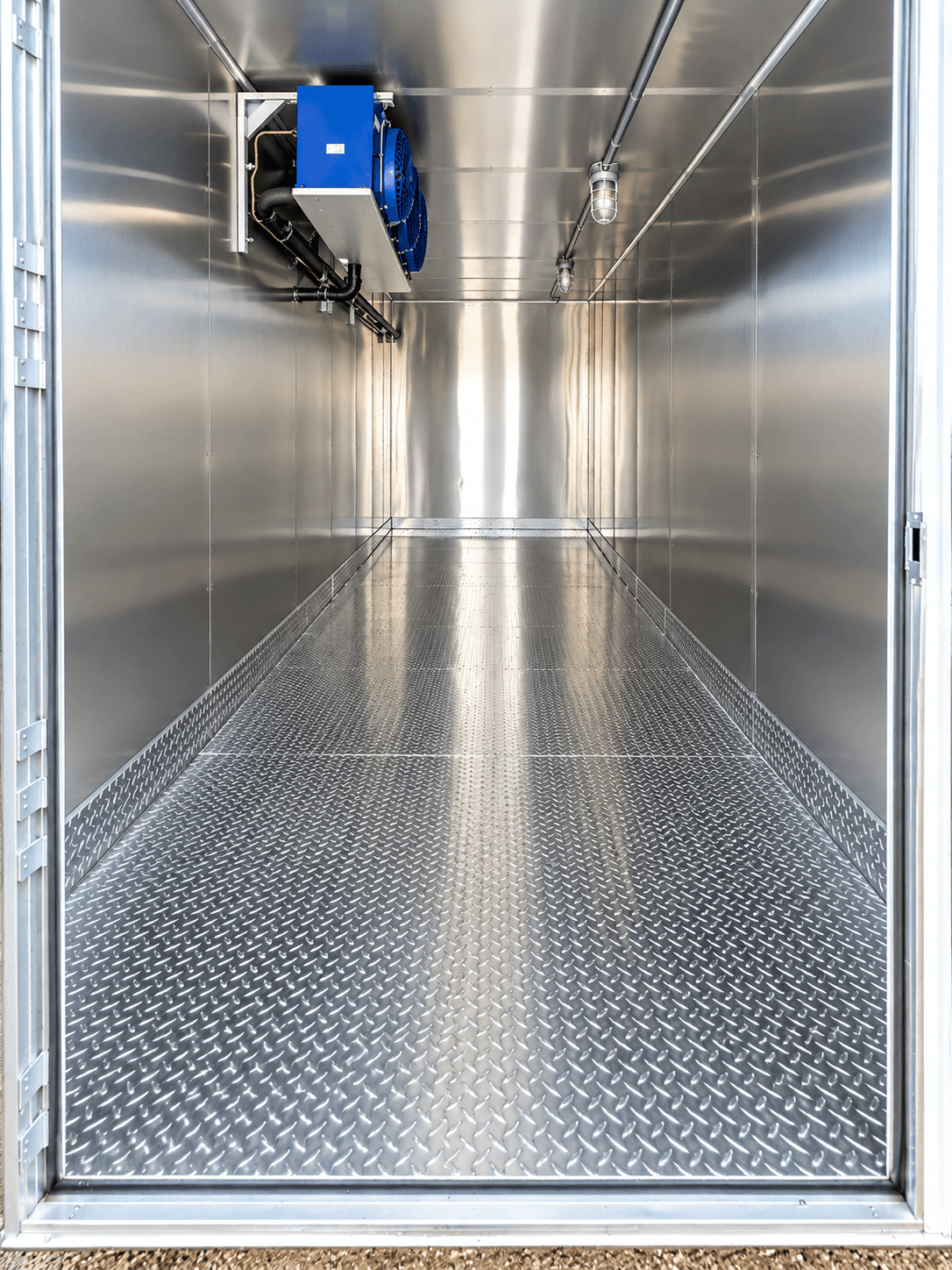
Compare the equipment
These published examples describe named company units. The supplied equipment, configuration and availability are confirmed for your project address.
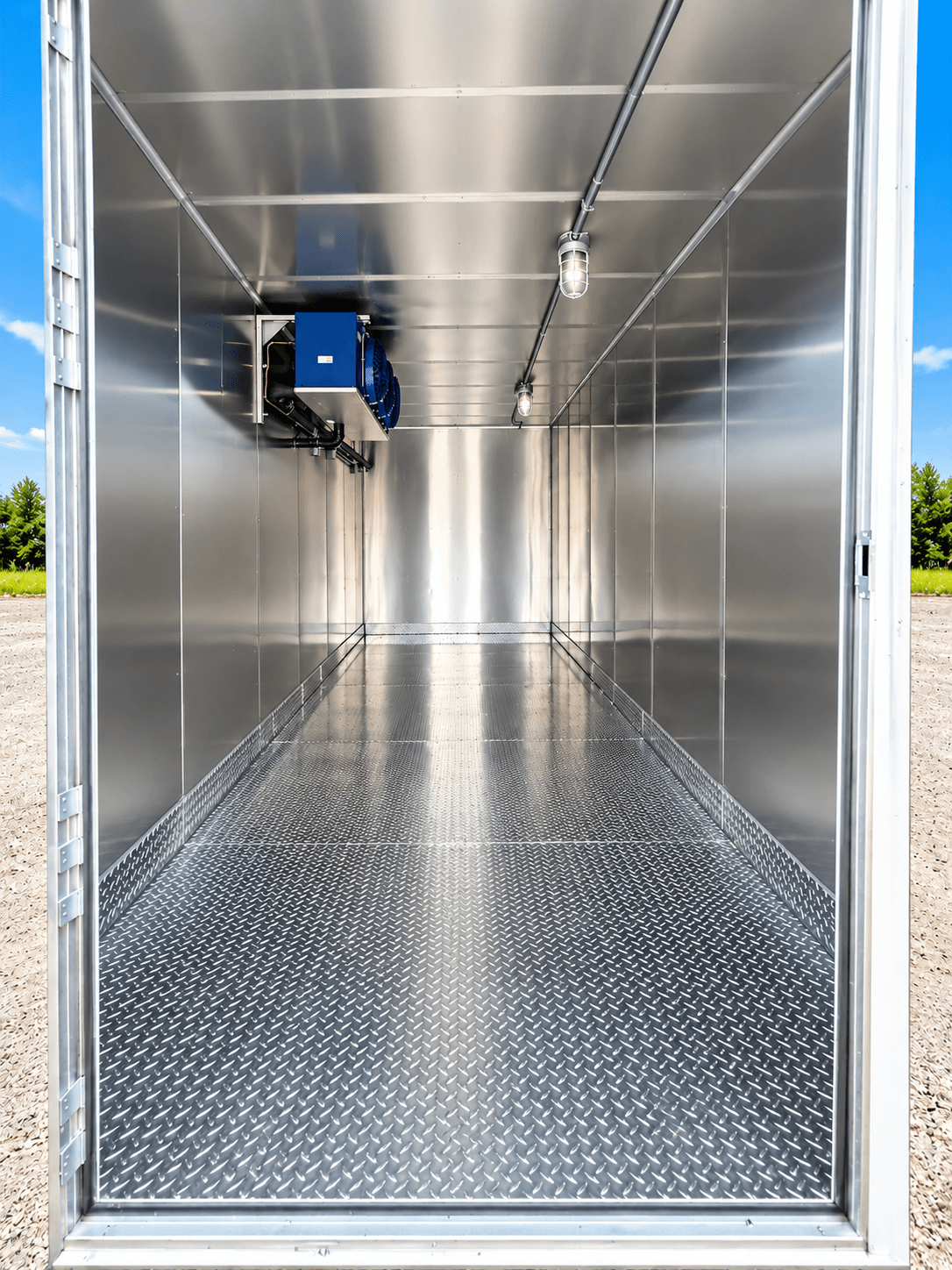
Listed refrigeration trailer equipment: condensing unit, amps panel, lighting.
Equipment records reviewed October 19, 2026. Temperature labels are inventory labels, not verified operating ranges. Nominal length is a model label, not a measure of usable space or site footprint.
Michigan’s NOAA 2022 climate summary records an increase in heavy precipitation events in recent decades. Its statewide record does not establish that a particular Flint property has flooded, and a refrigeration breakdown can occur without a weather event. Keep a usable stock record available to the person requesting temporary storage, including packaging, quantities and holding requirements. If the usual inventory system cannot be accessed, that person still needs enough information to describe the cooler load. A kitchen closure may reduce food preparation while packaged goods still require protection. Dishwashing demand may continue for services that remain open. Decide which operations are continuing before choosing how much stock to transfer and which departments should share the rental inquiry.
The 20ft Refrigerated Container guide fits a project like this one, focused on temporary operations during refurbishment, and walks through protection for the power connection as well as after-hours access to the unit.
The Gloria Coles Flint Public Library’s own history says renovation began after its move into temporary space in 2020, and the renovated library reopened in 2022. This is a documented civic relocation, not an equipment customer or evidence of a present rental need. The practical comparison for a commercial operator is the interval between vacating a room and being ready to occupy it again. A refrigerated storage move must account for those two events separately. Where cooking and wash-facility replacement are also involved, each department should identify the point when its old facility becomes unavailable. Tie purchasing decisions to those dates, rather than assuming a building-wide relocation will happen in one uninterrupted shift.
Several neighboring guides cover situations that resemble parts of an inquiry from Flint. Saginaw’s guide is organized around utility work and stock continuity, citing the Saginaw entry “municipal water-tower construction history”. A separate comparison is Bay City’s guide, which covers river-crossing delivery plans, citing the MDOT entry “Veterans Memorial Bridge maintenance, November 25, 2025”. Those are separate sites with separate requirements, so use them only as prompts for your Flint request.
A government dining supervisor in Flint or Burton, Michigan, can explain the busiest overlap between incoming supplies, ingredient preparation and the staff responsible for receiving goods. Bring the operating brief and purchasing questions into one discussion, while leaving the agency's approval requirements to its own authorized representative.
A refurbishment can change how staff retrieve goods as much as where the goods sit. Sketch a normal working shift with the temporary cold storage in place: who receives deliveries, who checks stock and who returns unused materials. If a small team previously shared an indoor walk-in cooler, an outdoor placement may introduce additional handoffs that need clear ownership. Kitchen staff should know which goods remain in permanent rooms. Dishwashing staff need a return route that does not block the stock transfer. Discuss those movements with the property representative before demolition begins. The objective is a practical operating arrangement for the actual business, rather than copying the dimensions or habits of the room being taken out of use.
Operators near Flint can also compare Troy’s guide, which covers catering and extra ingredients. Check your own site details separately before relying on any comparison.
An inquiry involving Burton, Mount Morris or Grand Blanc should name the actual working address, even if the purchasing office is in Flint. Census place identities distinguish those communities; they are not interchangeable labels for one delivery point. For each property, identify the entrance, proposed refrigerated position, pedestrian routes and any controlled access. Provide a drawing that shows where vehicles can turn without occupying emergency access or another tenant’s space. If routine receiving takes place during a narrow staffed window, state that operational constraint. Include the timing of reusable-item returns when they use the same route. The site and transport review must establish a workable arrangement rather than relying on straight-line proximity between communities.
A refrigeration quote is more useful when the end of the temporary need is described as an operating milestone. For example, a project may end only after a replacement room has been accepted, stocked and returned to normal receiving. Tell us the anticipated date and what could delay that sequence. Supply your highest expected stock level, required conditions, access photographs and site electrical information from an appropriate representative. Indicate whether stock arrives gradually or in one transfer. Ask the written proposal to clarify the rental period, equipment suitability, transport and collection assumptions, and the process for a changed schedule. Public renovation history informs the planning example; it does not establish availability, a delivery promise or a current rental rate.
Before you book
An early inquiry can identify the storage and access information you will need, even before all construction dates are firm. State which dates are provisional and ask when equipment availability can be confirmed. Update the request once the contractor and operating team agree on the transfer milestones.
Explain the goods, required conditions and access responsibilities for each department. A shared refrigerated arrangement needs a clear stock layout and an agreed person responsible for changes. Ask for suitability review rather than assuming that all products can be stored together because they occupy one building.
Add the entrance address, direction of approach and proposed placement marked on the image. Note anything the photograph misses, such as a controlled gate, a change of level or a route shared with pedestrians. Clear context helps the reviewer ask for the right additional information.
These public references inform the planning examples; equipment availability and delivery arrangements are confirmed for your address.
Temporary refrigeration, kitchens and dishwashing can support many kinds of food-service operations. Each setting below starts with its own schedule, stock and site questions, and every project is reviewed individually.
Hotels, restaurants and resorts can plan temporary refrigeration around breakfast, banquet and dinner service when a walk-in cooler fails or a kitchen is refurbished.
Hospital, nursing home and care-facility kitchens can describe meal schedules, delivery times and displaced stock so temporary storage follows the food-service routine.
Municipal, county and public-building food-service teams can outline receiving arrangements, responsible contacts and project dates before a quote is prepared.
Dining facility managers can explain the products displaced, the receiving arrangements and the proposed period, then review availability and terms with our team.
Schools, colleges and universities can plan around term dates, serving windows and campus kitchen renovations so meal service can continue during repairs or construction.
Plant cafeterias and employee dining areas can describe shift patterns and staged building work so temporary cold storage can be reviewed against the working schedule.
Caterers and venues can plan preparation windows, event days and overflow ingredients, and describe how stock moves between storage, the kitchen and service.
Producers, wholesalers and distributors can describe loading, staging and storage needs when a cooler breaks down or demand temporarily exceeds capacity.
These examples describe planning situations. Equipment, availability and terms are confirmed in a project quote.
Cold storage is only one part of a project. These are the questions we work through with you before anything is booked.
Start with refrigerated containers and refrigeration trailers, then add a temporary kitchen or dishwashing trailer when the project needs one, all in a single conversation.
Access, utilities and the intended position are reviewed before delivery is arranged, so the equipment is matched to your site rather than the other way around.
Whether a walk-in cooler failed this morning or a renovation is months away, describe the real situation and plan around the stock, dates and people involved.
Planning guides cover all 50 states and more than 700 cities. Your address is then confirmed for equipment and delivery.
Use the rental calculator for a rate-range estimate and setup amount, then request a project quote that confirms availability, transport and the rental period.