BXRT20–1Refrigerated trailer
- Nominal length
- 20ft
- Listed electrical supply
- 220V · single-phase · 40–60A
- Inventory temperature label
- 32°F
Temporary cold storage in Houma, Louisiana
Houma refrigerated container leasing can support a commercial food operation’s plan when permanent refrigeration equipment fails or a renovation changes its normal storage arrangements. Worldwide Refrigerated Container Rental Facilities can also discuss kitchen trailers and dishwashing trailers for a wider temporary food-service requirement. Short-term rentals and longer project inquiries should reflect the cold-storage quantities, service pattern and expected repair period. Explain which chilled or frozen goods need separate handling and which facilities remain operational. Delivery coordination requires your actual site entrance, placement area and utilities. Request equipment availability and a quote for your Houma address before confirming the operating schedule.
Emergency cooler or freezer failure in Houma? A person answers rental inquiries 24/7. Availability and delivery timing are confirmed in your quote.
Plan your rental budget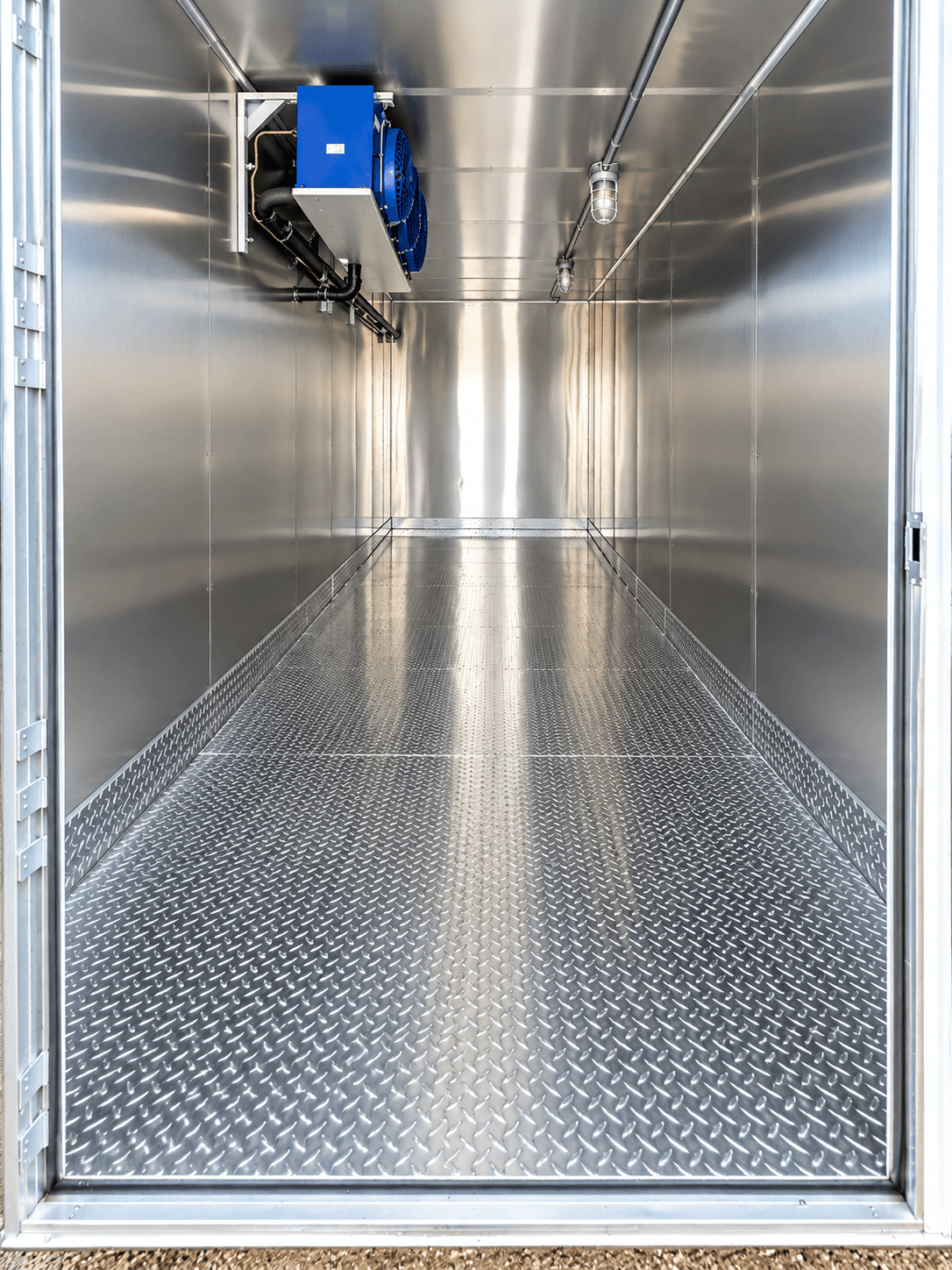
Compare the equipment
These published examples describe named company units. The supplied equipment, configuration and availability are confirmed for your project address.
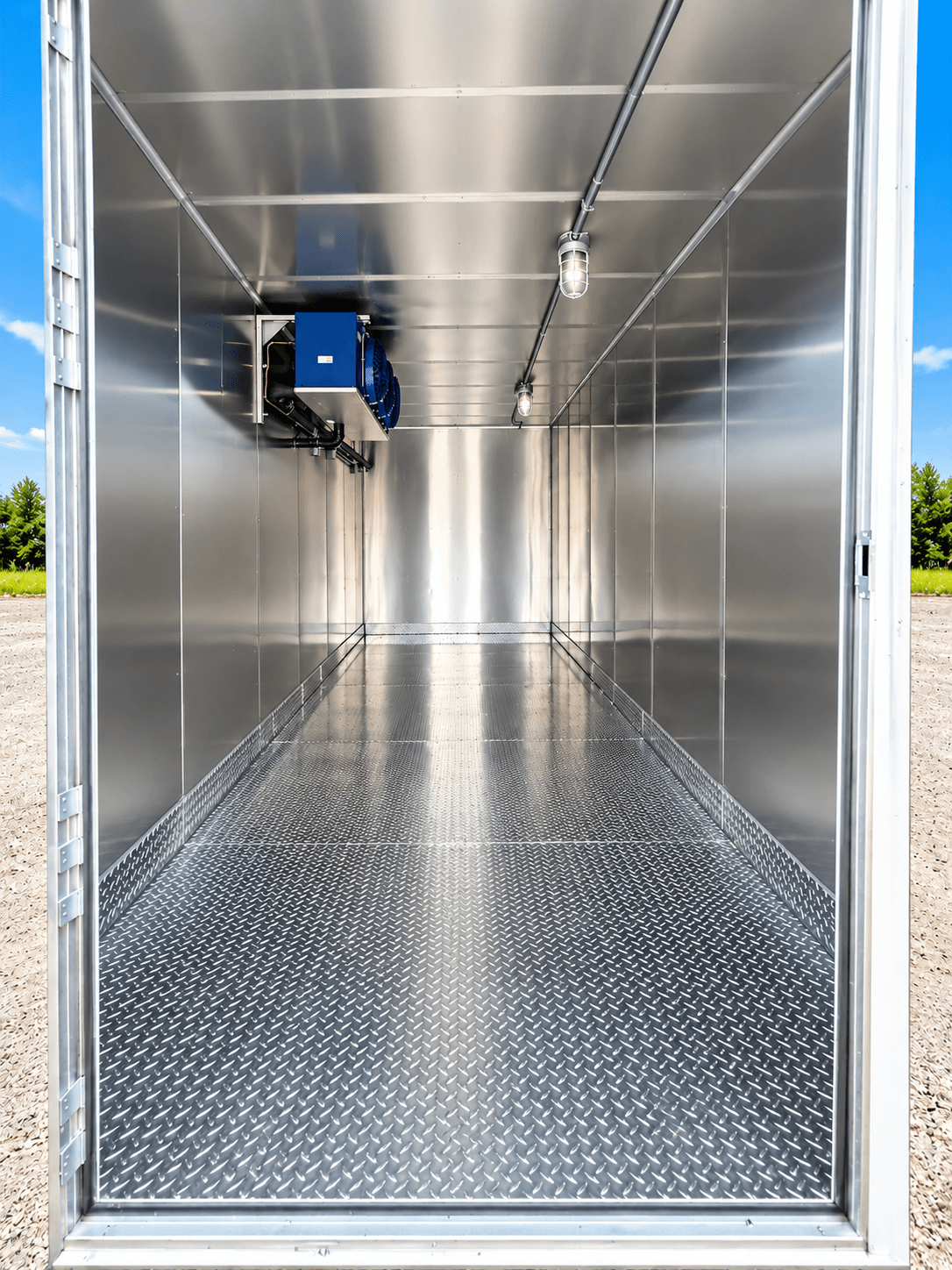
Listed refrigeration trailer equipment: condensing unit, amps panel, lighting.
Equipment records reviewed October 19, 2026. Temperature labels are inventory labels, not verified operating ranges. Nominal length is a model label, not a measure of usable space or site footprint.
Terrebonne Parish’s 2021 financial report records Hurricane Ida’s August 29 landfall and widespread damage. NOAA’s Louisiana summary adds statewide hurricane and rainfall context. These historical sources explain why continuity planning matters in the region; they do not establish what happened at a particular business. Following an interruption, the responsible team needs to assess building access, utilities and food condition before arranging transfer.
For an appropriate refrigeration inquiry, identify the quantity still requiring controlled storage and preserve the lot information needed by your operation. Explain whether deliveries can be received and who decides where each product belongs. A temporary cooler can be evaluated around that verified requirement. It cannot replace the food-safety decisions or permissions necessary to restart the premises.
To turn this local picture of commercial food storage into an equipment shortlist, start with the 20ft Refrigerated Container guide and its notes on how to organize stock for a longer stay and the ground and drainage beneath the unit.
Terrebonne Parish’s budget-amendment proposal prepared October 9, 2024 lists courthouse and annex HVAC systems and a Dumas HVAC allocation. A budget record documents planned investment, rather than proof that every listed project was completed or remains active. This local example is useful when preparing a separate commercial refurbishment brief: identify the approved scope, contractor sequence and milestones that still need confirmation.
For comparison, read what nearby cities emphasize. In Kenner, the guide covers catering and food service; in New Orleans, it covers working food-service. Those are separate sites with separate requirements, so use them only as prompts for your Houma request.
Set the refrigeration period against the phase when permanent storage is actually unavailable. A kitchen project may also change food preparation and receiving arrangements. If dishwashing must move, its utilities and return route need their own review. Explaining those dependencies helps your team compare a proposed temporary operation with the functions that are genuinely being displaced.
Food distribution staff in Houma or Thibodaux, Louisiana, may need to distinguish stock awaiting order picking from products already assigned to an outbound collection during temporary operations. Keep receiving instructions and stock allocation notes together so staff can trace a product from arrival through its next planned handover.
A food-service business may need to separate incoming ingredients, refrigerated goods assigned to the next service and items awaiting the responsible manager’s decision. Describe those categories and the working quantities in a cold-storage inquiry. Explain any separate frozen holding requirement and how staff identify stock during a busy shift. Equipment selection should reflect that workflow, including the access needed to retrieve the right goods.
A further point of reference is St. George’s guide, which covers commercial food-service changes. Check your own site details separately before relying on any comparison.
Bayou Cane is a separate nearby place, while Thibodaux and Morgan City are regional locations that require their own address review. An organization supplying a Houma property and other sites should document where stock is received, stored and authorized for transfer. A combined purchasing request can preserve those distinctions rather than treating the entire regional operation as one delivery point.
The proposal’s Dumas HVAC line is a local budget reference; your proposed placement still needs entrance-level instructions for the actual property. Show the approach and turning area as well as the final position. Then trace the route staff will use to collect refrigerated stock after the delivery vehicle has left. Both movements matter to a practical site plan.
Identify shared yards, contractor staging and any access that must remain available for emergency services. Have the facilities representative verify electrical service and placement permission for the proposed refrigeration unit. Transport, setup responsibilities and applicable approvals need confirmation before delivery timing is agreed. The geographic guide establishes no equipment depot, standing local inventory or fixed response time.
Describe what arrives at the start of the project, what is replenished during service and what must be transferred when permanent equipment returns. Include the desired dates and any uncertainty about repairs. If a kitchen trailer or dishwashing trailer is part of the same inquiry, explain the work it supports and the expected period for that equipment.
Ask the quote to distinguish the refrigeration rental period from delivery, collection and other project responsibilities. Starting calculator figures do not establish the complete cost of a longer lease. Availability, utilities, current charges and any extension process require agreement for the proposed address. Keeping product movements visible in the brief helps the team understand when the temporary storage needs to be accessible and when it can be released.
Before you book
Yes. State the quantities, temperature conditions and identification requirements for each category. Explain how your staff will retrieve goods and prevent mix-ups. The proposed equipment configuration still needs review; this guide does not establish a particular unit’s storage layout.
Include the overall project but provide separate entrances, utility information and contacts for each property. Regional proximity does not establish equivalent access or transport charges. Each refrigeration request should remain tied to the site where equipment is proposed.
The dated public records provide local planning context. They do not establish present demand, a company contract or work at those facilities. Your inquiry is assessed from the actual operation, dates and equipment requirements you provide.
These public references inform the planning examples; equipment availability and delivery arrangements are confirmed for your address.
Temporary refrigeration, kitchens and dishwashing can support many kinds of food-service operations. Each setting below starts with its own schedule, stock and site questions, and every project is reviewed individually.
Hotels, restaurants and resorts can plan temporary refrigeration around breakfast, banquet and dinner service when a walk-in cooler fails or a kitchen is refurbished.
Hospital, nursing home and care-facility kitchens can describe meal schedules, delivery times and displaced stock so temporary storage follows the food-service routine.
Municipal, county and public-building food-service teams can outline receiving arrangements, responsible contacts and project dates before a quote is prepared.
Dining facility managers can explain the products displaced, the receiving arrangements and the proposed period, then review availability and terms with our team.
Schools, colleges and universities can plan around term dates, serving windows and campus kitchen renovations so meal service can continue during repairs or construction.
Plant cafeterias and employee dining areas can describe shift patterns and staged building work so temporary cold storage can be reviewed against the working schedule.
Caterers and venues can plan preparation windows, event days and overflow ingredients, and describe how stock moves between storage, the kitchen and service.
Producers, wholesalers and distributors can describe loading, staging and storage needs when a cooler breaks down or demand temporarily exceeds capacity.
These examples describe planning situations. Equipment, availability and terms are confirmed in a project quote.
Cold storage is only one part of a project. These are the questions we work through with you before anything is booked.
Start with refrigerated containers and refrigeration trailers, then add a temporary kitchen or dishwashing trailer when the project needs one, all in a single conversation.
Access, utilities and the intended position are reviewed before delivery is arranged, so the equipment is matched to your site rather than the other way around.
Whether a walk-in cooler failed this morning or a renovation is months away, describe the real situation and plan around the stock, dates and people involved.
Planning guides cover all 50 states and more than 700 cities. Your address is then confirmed for equipment and delivery.
Use the rental calculator for a rate-range estimate and setup amount, then request a project quote that confirms availability, transport and the rental period.