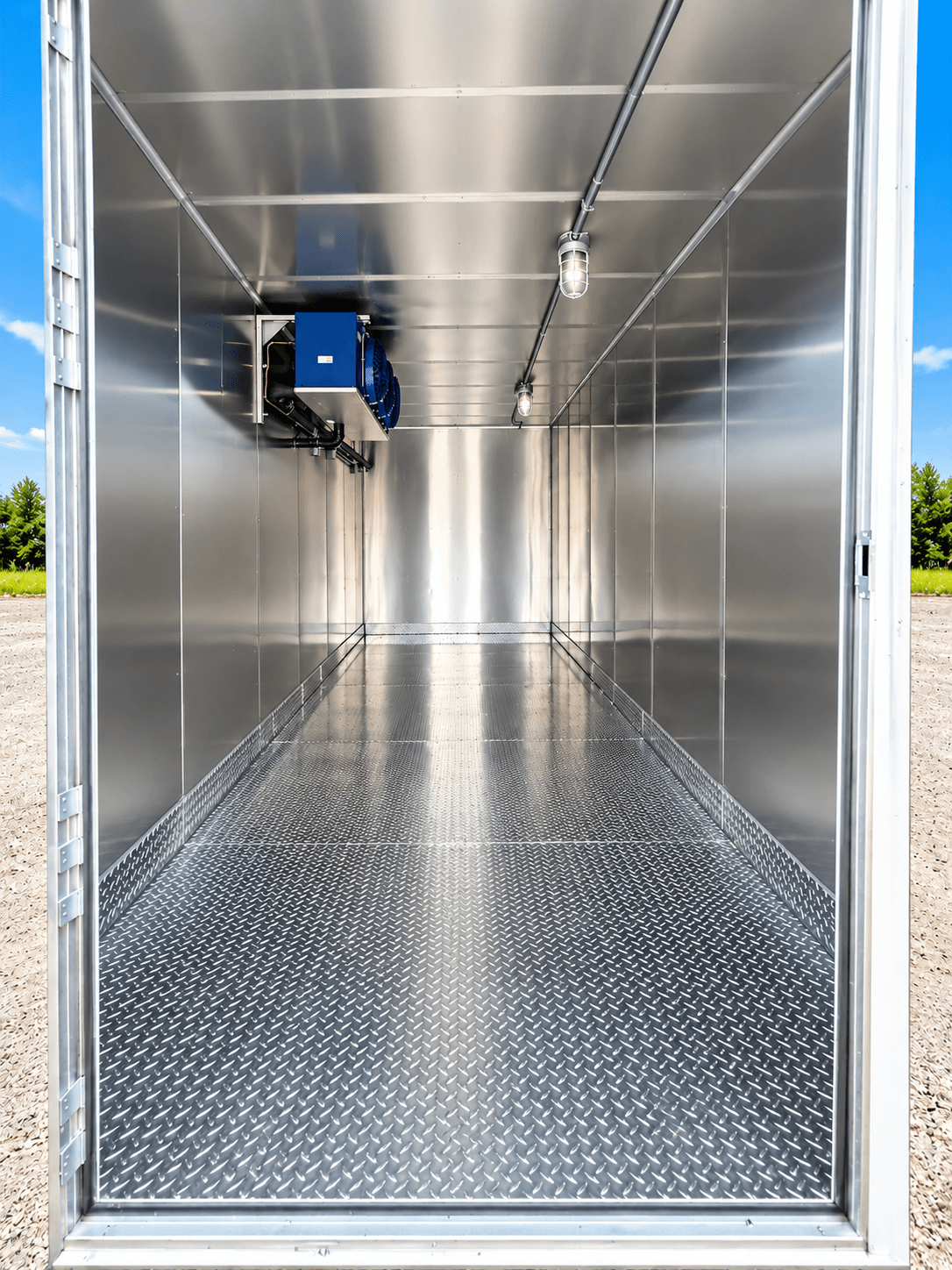
BXRT20–1Refrigerated trailer
- Nominal length
- 20ft
- Listed electrical supply
- 220V · single-phase · 40–60A
- Inventory temperature label
- 32°F
Temporary cold storage in Slidell, Louisiana
Slidell cold storage rentals give commercial teams a way to discuss replacement storage after a refrigeration breakdown or ahead of planned premises work. Worldwide Refrigerated Container Rental Facilities also considers kitchen trailers and dishwashing trailers for projects that relocate more of the food-service operation. Short-term rentals and longer leases can be reviewed for hospitality, institutional and industrial uses. Describe the quantities that need to stay available, the service timetable and the facilities you can still use. Delivery coordination starts with your actual entrance, placement permission and utilities. Contact our team to request availability and a quote for your Slidell project.
Emergency cooler or freezer failure in Slidell? A person answers rental inquiries 24/7. Availability and delivery timing are confirmed in your quote.
Plan your rental budget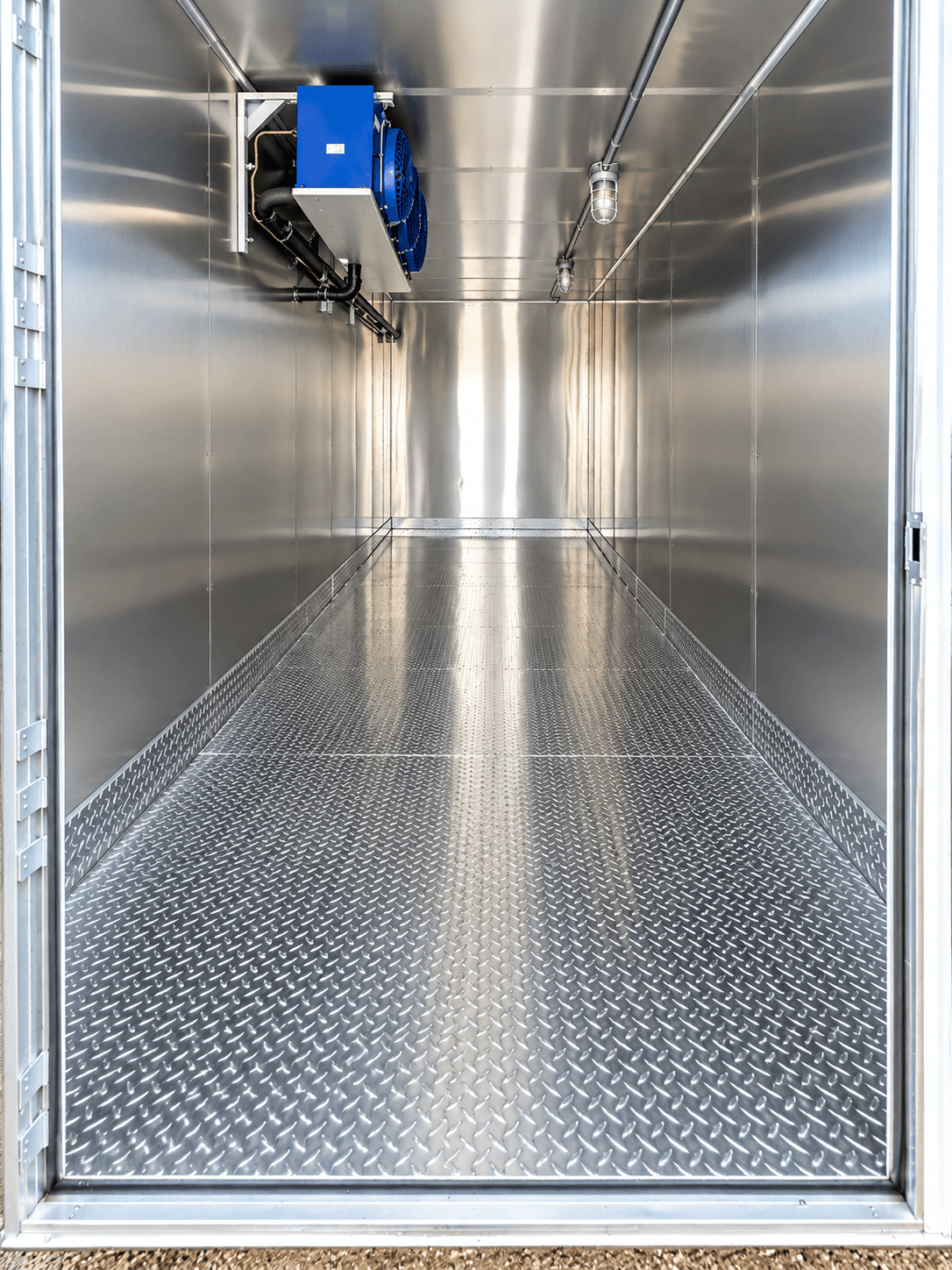
Compare the equipment
These published examples describe named company units. The supplied equipment, configuration and availability are confirmed for your project address.
Listed refrigeration trailer equipment: condensing unit, amps panel, lighting.
Equipment records reviewed October 19, 2026. Temperature labels are inventory labels, not verified operating ranges. Nominal length is a model label, not a measure of usable space or site footprint.
Slidell’s municipal history documents Hurricane Katrina’s impact on August 29, 2005. NOAA’s Louisiana summary provides broader state climate context for storm and rainfall planning. A historical event does not identify today’s conditions at your property, so begin with the facts your facilities and food-safety teams have verified. Explain whether permanent refrigeration has failed, whether utilities remain usable and whether staff can reach the receiving area.
Identify the stock approved for transfer and the employees responsible for receiving it. A temporary cooler needs a clear operating routine, including who records conditions and controls access. If the premises cannot be used, say so in the inquiry. Equipment availability and the physical ability to operate at the proposed site are separate matters to resolve.
For commercial repairs and events, the 20ft Refrigerated Trailer guide sets out the next questions to settle, starting with simple rules when several teams share one unit and then a load estimate before choosing a length.
Slidell’s adopted 2025 budget identifies Ducksworth Park improvements among its capital plans. That dated budget is a record of intended public investment, not confirmation of current construction or company involvement. A separate commercial project likewise needs its planning assumptions distinguished from confirmed milestones. Set out when the receiving area changes, when permanent storage becomes unavailable and when the renovated space can be used.
Several neighboring guides cover situations that resemble parts of an inquiry from Slidell. New Orleans’s guide is organized around working food-service. A separate comparison is Kenner’s guide, which covers catering and food service. Use them to prepare questions, not to infer availability or terms for Slidell.
Discuss refrigerated storage over that actual interval. If a kitchen is temporarily relocated, explain how ingredients reach preparation and completed food reaches service. Dishwashing arrangements need a return route and suitable utility planning as well. Connecting those tasks to the work phases gives the equipment conversation a practical starting point before final dates are agreed.
School project teams in Slidell or Mandeville, Louisiana, may need a fallback receiving plan if the permanent dining facility is not ready for its anticipated handover. Give the project coordinator a menu summary, supplier schedule and named receiving contact so equipment discussions reflect the education operation.
The city’s Olde Towne Preservation District guidance describes review requirements for construction and exterior alterations in that district. An operator considering work there should check applicable permissions with the appropriate property and local representatives. A refrigeration placement should be discussed early enough to identify any approval questions alongside the renovation plan. This guide does not determine which permission your particular proposal requires.
For another comparison, the guide for operators in Hammond covers planned and urgent work. Use it as a prompt for your own questions about timing, access and storage.
For an occupied venue, keep visitor paths, staff access and supplier unloading visible on the same drawing. Describe whether the temporary arrangement supports a limited service or the full normal operation. The quantity held, frequency of retrieval and working route help define the cold-storage requirement more clearly than the venue’s total floor area.
New Orleans, Mandeville and Covington are regional locations for separate inquiries. In this setting, straight-line place proximity can conceal a very different road journey, particularly when water crossings are involved. Supply each actual address and ask for its proposed approach to be reviewed. An operator with several properties should avoid transferring a journey assumption from one site to the next.
Slidell’s Olde Towne is a useful local reference, but delivery instructions need the final entrance, turning area and standing position for the refrigerated unit. Identify access controls and shared loading arrangements. A facilities contact must verify electrical service and placement permission. Transport timing and the selected refrigeration equipment remain subject to that address-specific review.
Include the stock arrival period, service dates and expected collection window, allowing your team to identify which dates remain provisional. Explain the required storage conditions and whether quantities peak before service. If a kitchen trailer or dishwashing trailer is also needed, state its task and working period so the team can consider the dependencies without assuming every unit follows the same schedule.
Ask the quote to distinguish the refrigeration rental period, delivery, collection and customer responsibilities. The estimate multiplies the published range by your number of periods; the written quote confirms where in that range the rate falls. Confirm availability, utilities, approvals and the process for a schedule change before relying on a proposed unit. A documented brief helps the receiving contact and project manager work from the same assumptions.
Before you book
Give the stock arrival, service and clearing dates, rather than the public event date alone. Explain restocking and staff access. The team can then review refrigeration availability and the rental period against the complete operating window.
Identify the property and proposed placement so the responsible representatives can check applicable permission requirements. The district source provides planning context. Equipment booking does not itself authorize a placement, exterior alteration or use of another party’s land.
Provide each address separately. Water crossings, entrances and site restrictions affect the route that must be reviewed. A straight-line map distance or another property’s refrigeration quote cannot establish the transport arrangement for your Slidell site.
These public references inform the planning examples; equipment availability and delivery arrangements are confirmed for your address.
Temporary refrigeration, kitchens and dishwashing can support many kinds of food-service operations. Each setting below starts with its own schedule, stock and site questions, and every project is reviewed individually.
Hotels, restaurants and resorts can plan temporary refrigeration around breakfast, banquet and dinner service when a walk-in cooler fails or a kitchen is refurbished.
Hospital, nursing home and care-facility kitchens can describe meal schedules, delivery times and displaced stock so temporary storage follows the food-service routine.
Municipal, county and public-building food-service teams can outline receiving arrangements, responsible contacts and project dates before a quote is prepared.
Dining facility managers can explain the products displaced, the receiving arrangements and the proposed period, then review availability and terms with our team.
Schools, colleges and universities can plan around term dates, serving windows and campus kitchen renovations so meal service can continue during repairs or construction.
Plant cafeterias and employee dining areas can describe shift patterns and staged building work so temporary cold storage can be reviewed against the working schedule.
Caterers and venues can plan preparation windows, event days and overflow ingredients, and describe how stock moves between storage, the kitchen and service.
Producers, wholesalers and distributors can describe loading, staging and storage needs when a cooler breaks down or demand temporarily exceeds capacity.
These examples describe planning situations. Equipment, availability and terms are confirmed in a project quote.
Cold storage is only one part of a project. These are the questions we work through with you before anything is booked.
Start with refrigerated containers and refrigeration trailers, then add a temporary kitchen or dishwashing trailer when the project needs one, all in a single conversation.
Access, utilities and the intended position are reviewed before delivery is arranged, so the equipment is matched to your site rather than the other way around.
Whether a walk-in cooler failed this morning or a renovation is months away, describe the real situation and plan around the stock, dates and people involved.
Planning guides cover all 50 states and more than 700 cities. Your address is then confirmed for equipment and delivery.
Use the rental calculator for a rate-range estimate and setup amount, then request a project quote that confirms availability, transport and the rental period.