BXRT20–1Refrigerated trailer
- Nominal length
- 20ft
- Listed electrical supply
- 220V · single-phase · 40–60A
- Inventory temperature label
- 32°F
Temporary cold storage in Ithaca, New York
Ithaca refrigeration leasing helps commercial food-service teams consider replacement storage when a walk-in cooler or refrigeration unit breaks down. Planned institutional renovations can also displace ingredients, with refrigerated containers reviewed alongside mobile kitchen and dishwashing needs for interrupted functions. Restaurants, caterers, campus dining services and industrial operators can discuss short rentals or longer lease arrangements. Delivery coordination requires an approved operating position, the right entrance and connections checked against the proposed equipment. Explain the stock and the work stage that removes permanent storage, then request availability and a quote from Worldwide Refrigerated Container Rental Facilities for your Ithaca address.
Emergency cooler or freezer failure in Ithaca? A person answers rental inquiries 24/7. Availability and delivery timing are confirmed in your quote.
Plan your rental budget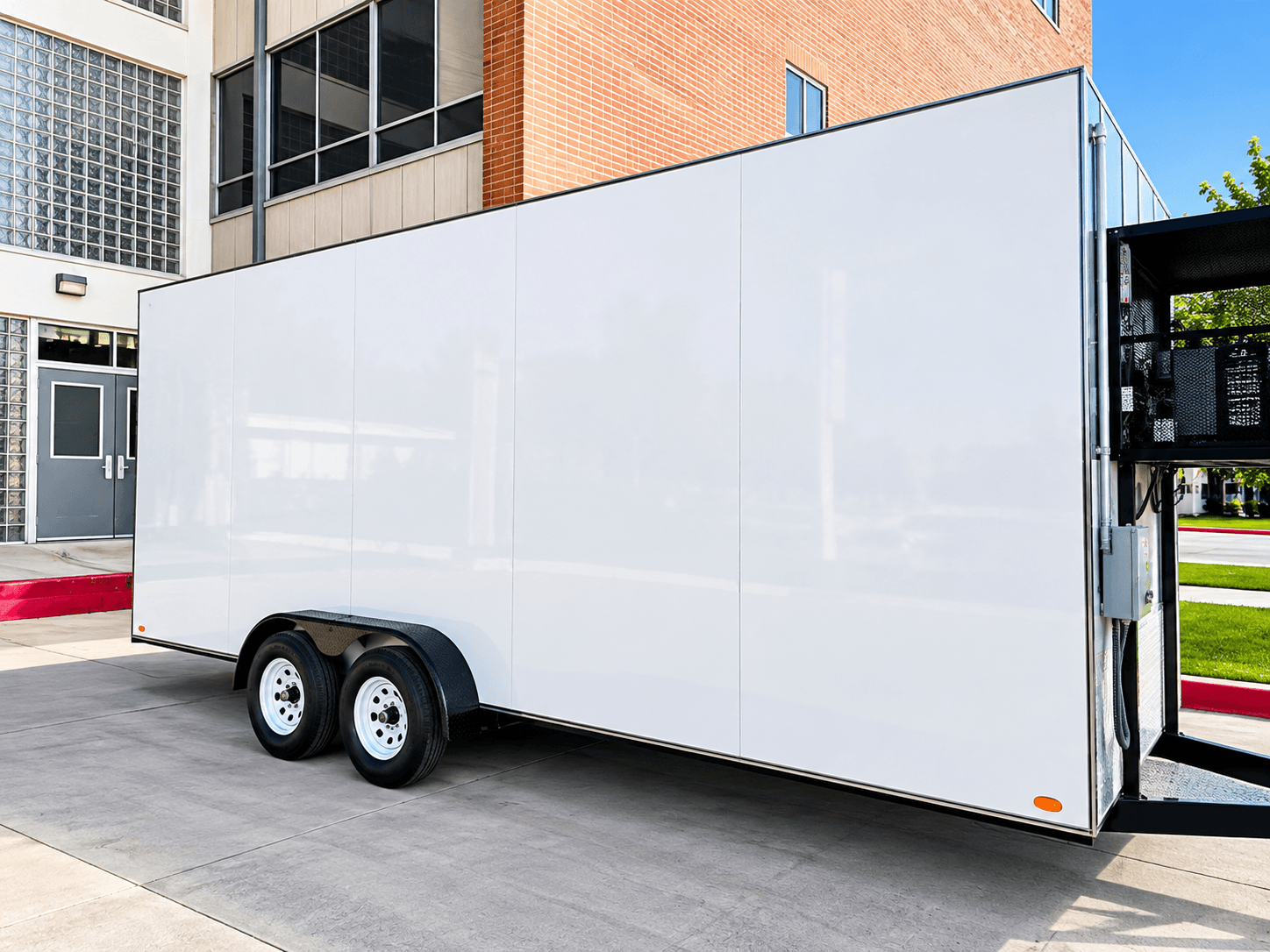
Compare the equipment
These published examples describe named company units. The supplied equipment, configuration and availability are confirmed for your project address.
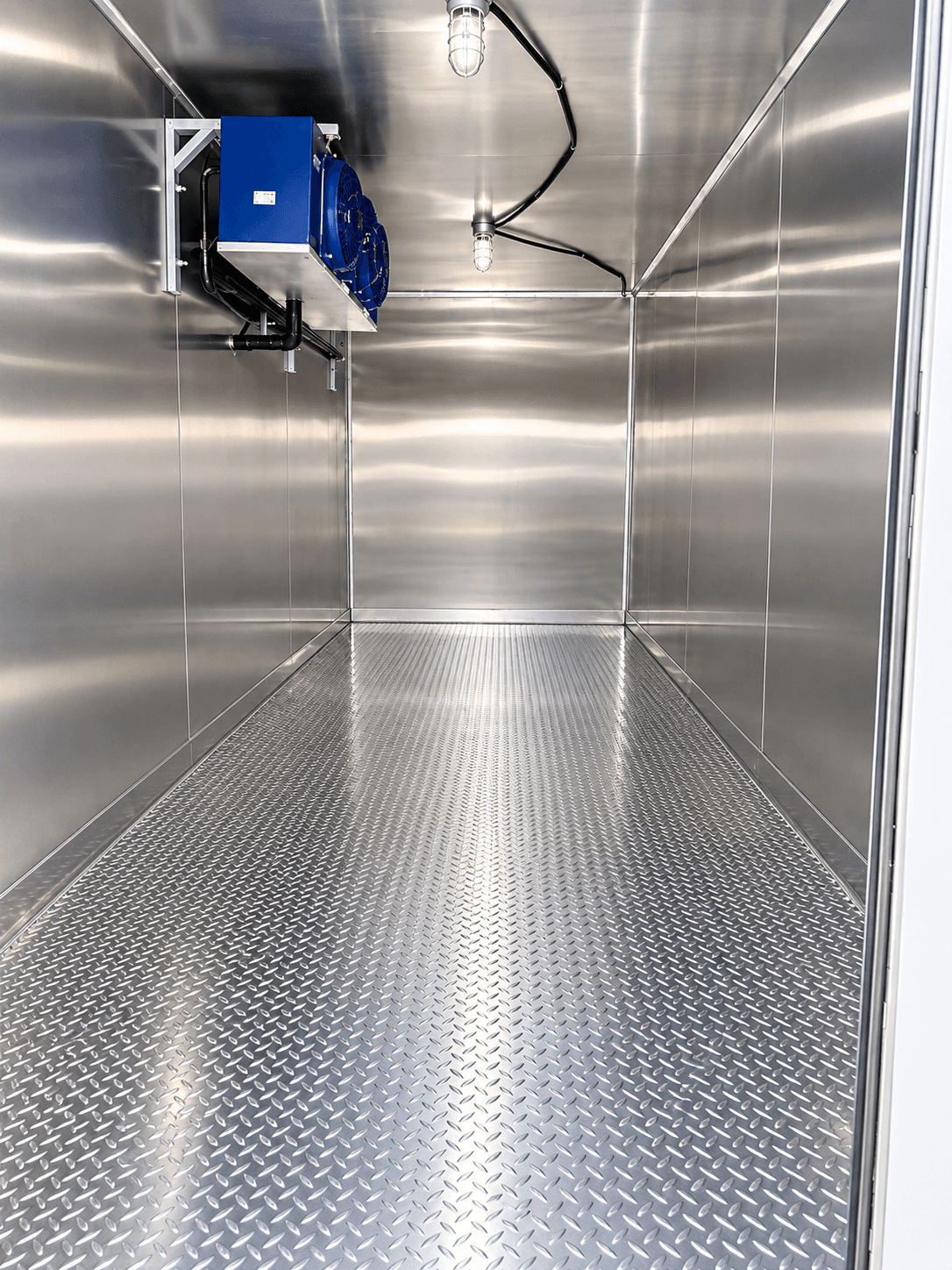
Listed refrigeration trailer equipment: condensing unit, amps panel, lighting.
Equipment records reviewed October 19, 2026. Temperature labels are inventory labels, not verified operating ranges. Nominal length is a model label, not a measure of usable space or site footprint.
A large building can house several teams without a single stock account. In an Ithaca interruption, identify the operator responsible for the displaced ingredients, the department managing repairs and the property contact approving temporary placement. Review previous incidents for goods accepted by the wrong team or a delivery sent to an administrative entrance. Replacement refrigeration needs a clear receiving arrangement, not just the institution’s name.
NOAA’s New York summary describes historical cold episodes as part of a varied state climate. It does not establish an Ithaca equipment failure or confirm present site conditions. Use the operator’s incident record when explaining the emergency. If a Cayuga Heights office coordinates purchasing, distinguish that role from the actual destination and verify any proposed alternative cold-storage space before redirecting stock.
For staged institutional renovations, the 20ft Refrigerated Container guide sets out the next questions to settle, starting with protection for the power connection and then after-hours access to the unit.
Cornell’s McGraw Hall project record describes a complete renovation of an original 1868 building and gives January 2028 as the scheduled substantial-completion milestone. This is dated owner project context for the Ithaca campus. It does not establish temporary food-service demand, company involvement or the present condition of an unrelated commercial property’s storage and access.
Several neighboring guides cover situations that resemble parts of an inquiry from Ithaca. Elmira’s guide is organized around commercial event planning, citing the Elmira College entry “proposed turf-field announcement, November 9, 2023”. A separate comparison is Binghamton’s guide, which covers commercial repair decisions, citing the City of Binghamton entry “Water Street garage opening, March 19, 2025”. Use them to prepare questions, not to infer availability or terms for Ithaca.
For your own extended refurbishment, identify the specific phase that interrupts refrigeration and the operating decision that releases it again. A programme lasting several years need not imply that every temporary function runs for the same period. Ask which areas remain occupied and which project representative can confirm changes; the rental discussion should follow your displaced operation rather than the duration of a named university project.
For a school planning a phased dining renovation in Ithaca or Lansing, New York, ingredient deliveries may arrive before the receiving area is ready for use. Agree who updates ingredient orders when the project schedule changes, and include the dining supervisor in discussions about access.
A phased dining renovation may return part of the permanent store before the rest. Establish how the operator accepts each area, updates receiving instructions and reconciles goods moved back. Discuss the proposed refrigerated arrangement against the remaining requirement after each handover, keeping the initial stock transfer distinguishable from ordinary replenishment. A contractor’s completed room is useful only once the operator can actually use it.
For another comparison, the guide for operators in Syracuse covers catering supplies. Its details belong to that city and do not describe Ithaca.
Kitchen and dishwashing work can have different release conditions from storage. A Lansing commercial team may continue preparation elsewhere, while a Cortland coordinator manages a regional service calendar. Identify those roles and destinations where they are real. Shared management does not establish common utilities, approved access or capacity at each property, and it should not obscure which operating team controls the next stock movement.
Supply the Ithaca gate and refrigeration position with photographs showing routine supplier and staff movements. Ask the responsible site representatives to verify surface, clearances and proposed connections. Where a building remains occupied during construction, check that access permission covers the actual operating route and the full intended period, including any later phase that transfers space to contractors.
Identify who can keep the position clear and who can authorize a revised arrangement if the construction boundary changes. A general campus or visitor map may identify a building without showing a suitable equipment approach. Review collection against the finished work too, so a new barrier or occupied space does not turn removal into an unplanned relocation after the permanent room reopens.
An Ithaca cold-storage request should describe stock quantities, receiving frequency and the phase that makes temporary equipment necessary. State the preferred start, provisional end and next reliable acceptance decision. Kitchen or dishwashing support should include separate functions and periods where those needs change sooner, allowing the inquiry to reflect the retained service rather than an assumed complete replacement operation.
Ask for written refrigeration availability, the offered arrangement, rental-period charges and address-specific delivery and collection terms. Explain which dates depend on contractor progress or operator acceptance and how you expect to review them. The calculator provides an initial comparison; the quotation must establish the actual equipment offer and commercial terms for the confirmed site information and proposed period of use.
Before you book
Describe the period when your own operation loses usable storage. It may be a specific phase rather than the whole programme. Ask how the proposal handles extensions or changing requirements before applying the overall construction duration to every temporary function.
Name the responsible operator and the person verifying the permanent refrigeration. Record the acceptance and stock-transfer process for that area. A construction handover by itself does not show which goods can return or when receiving instructions change.
Provide it for administration if needed, but include the actual equipment position and receiving entrance separately. A checked operating address and local contact are essential for reviewing placement, connections and transport rather than relying on institutional identity alone.
These public references inform the planning examples; equipment availability and delivery arrangements are confirmed for your address.
Temporary refrigeration, kitchens and dishwashing can support many kinds of food-service operations. Each setting below starts with its own schedule, stock and site questions, and every project is reviewed individually.
Hotels, restaurants and resorts can plan temporary refrigeration around breakfast, banquet and dinner service when a walk-in cooler fails or a kitchen is refurbished.
Hospital, nursing home and care-facility kitchens can describe meal schedules, delivery times and displaced stock so temporary storage follows the food-service routine.
Municipal, county and public-building food-service teams can outline receiving arrangements, responsible contacts and project dates before a quote is prepared.
Dining facility managers can explain the products displaced, the receiving arrangements and the proposed period, then review availability and terms with our team.
Schools, colleges and universities can plan around term dates, serving windows and campus kitchen renovations so meal service can continue during repairs or construction.
Plant cafeterias and employee dining areas can describe shift patterns and staged building work so temporary cold storage can be reviewed against the working schedule.
Caterers and venues can plan preparation windows, event days and overflow ingredients, and describe how stock moves between storage, the kitchen and service.
Producers, wholesalers and distributors can describe loading, staging and storage needs when a cooler breaks down or demand temporarily exceeds capacity.
These examples describe planning situations. Equipment, availability and terms are confirmed in a project quote.
Cold storage is only one part of a project. These are the questions we work through with you before anything is booked.
Start with refrigerated containers and refrigeration trailers, then add a temporary kitchen or dishwashing trailer when the project needs one, all in a single conversation.
Access, utilities and the intended position are reviewed before delivery is arranged, so the equipment is matched to your site rather than the other way around.
Whether a walk-in cooler failed this morning or a renovation is months away, describe the real situation and plan around the stock, dates and people involved.
Planning guides cover all 50 states and more than 700 cities. Your address is then confirmed for equipment and delivery.
Use the rental calculator for a rate-range estimate and setup amount, then request a project quote that confirms availability, transport and the rental period.