BXRT20–1Refrigerated trailer
- Nominal length
- 20ft
- Listed electrical supply
- 220V · single-phase · 40–60A
- Inventory temperature label
- 32°F
Temporary cold storage in Binghamton, New York
Binghamton refrigeration rentals help commercial operators discuss replacement space when a walk-in cooler or refrigeration unit breaks down. Planned property work can also interrupt storage, with refrigerated containers considered alongside mobile kitchen and dishwashing support for displaced activities. Restaurants, institutional dining teams and industrial food-service businesses can inquire about short-term rentals or longer lease periods. Delivery coordination depends on the actual entrance, placement approval and connections reviewed for the proposed equipment. Explain the incident, verified stock and next repair decision, then request availability and a quote from Worldwide Refrigerated Container Rental Facilities for your Binghamton operating address.
Emergency cooler or freezer failure in Binghamton? A person answers rental inquiries 24/7. Availability and delivery timing are confirmed in your quote.
Plan your rental budget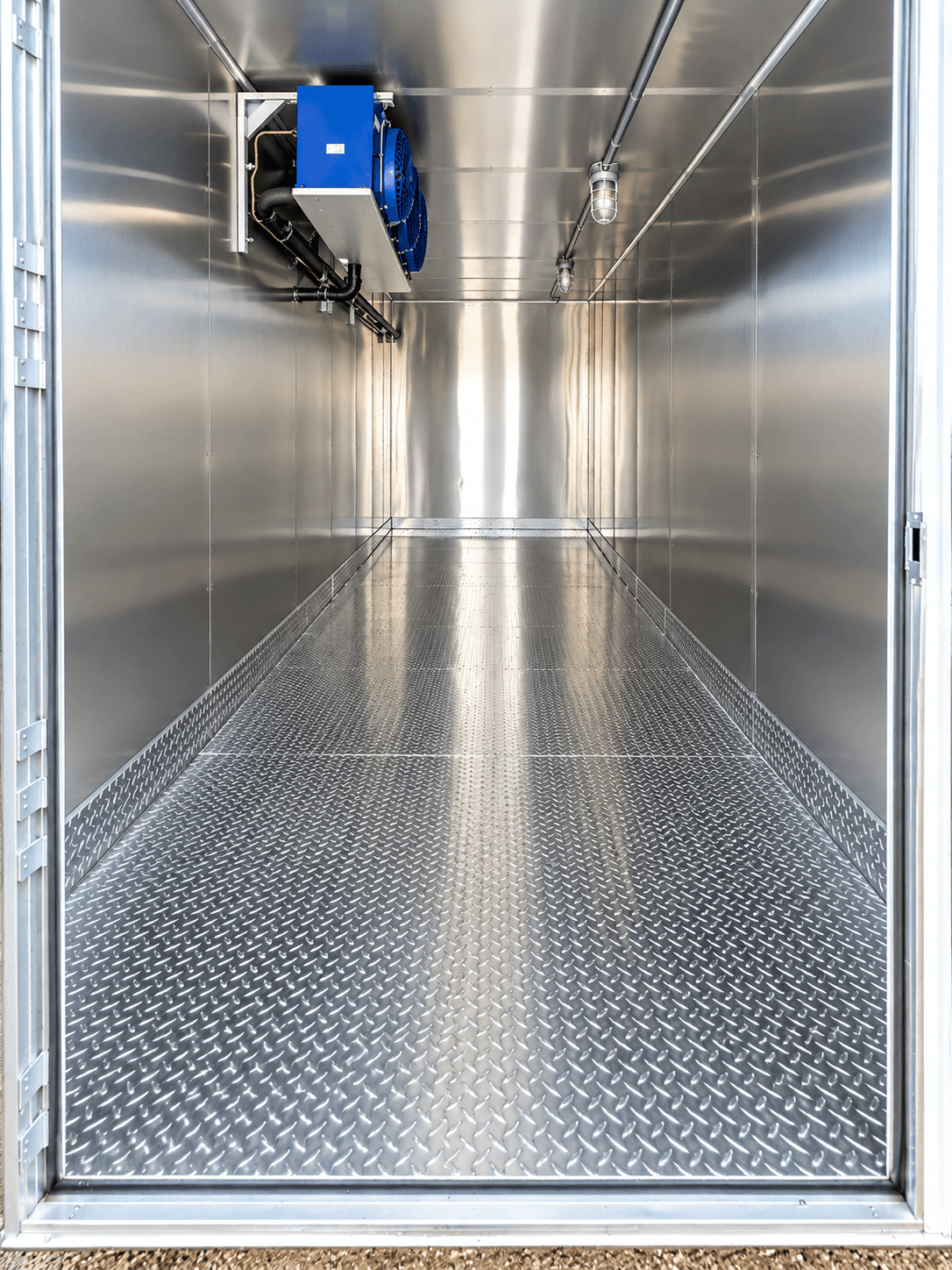
Compare the equipment
These published examples describe named company units. The supplied equipment, configuration and availability are confirmed for your project address.
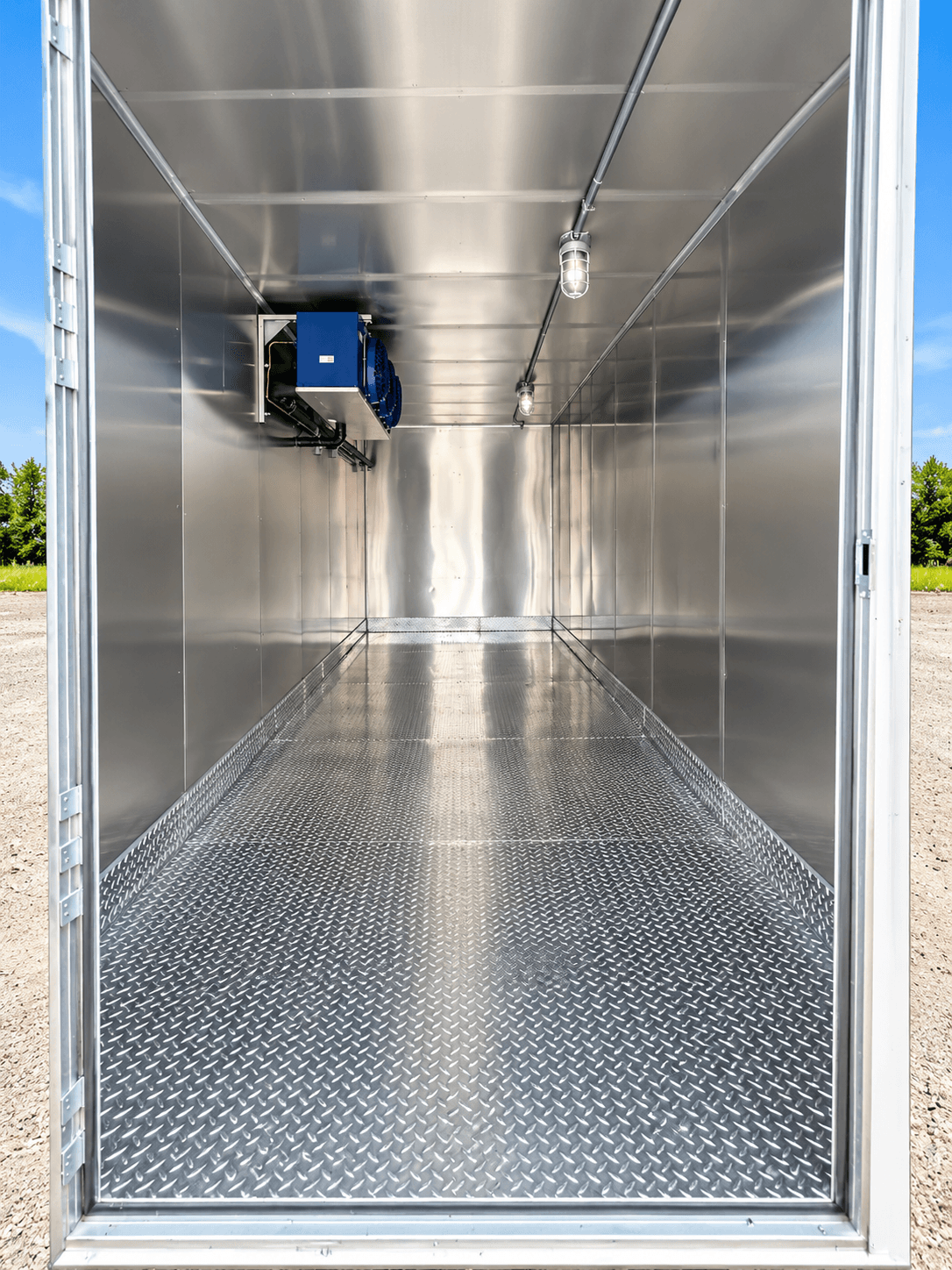
Listed refrigeration trailer equipment: condensing unit, amps panel, lighting.
Equipment records reviewed October 19, 2026. Temperature labels are inventory labels, not verified operating ranges. Nominal length is a model label, not a measure of usable space or site footprint.
An operator may know the repair contractor’s arrival window without knowing who can authorize moving ingredients. Bring those two responsibilities together in the Binghamton request. Review the previous interruption for goods left unassigned, a shift unaware of changed receiving instructions or orders delivered after the original count. Temporary refrigeration planning works from the current operating requirement, with the responsible business retaining control of stock decisions.
New York’s NOAA summary describes a historical increase in extreme precipitation events, but it does not identify a cause for an individual equipment failure. Give the quote team observed property conditions and repair information instead. If Johnson City is involved in real procurement or storage, explain its role and verify any available cold-storage space before relying on an assumed alternative to the affected premises.
Because this guide centers on commercial repair decisions, the 12ft Refrigerated Trailer guide is a useful companion: it covers the power connection to confirm before delivery and how to rotate stock in a small interior.
Binghamton’s March 19, 2025 announcement records the full opening of the new Water Street parking garage. That municipal milestone identifies completed downtown infrastructure, not an ongoing closure, a private loading arrangement or a rental requirement. Its existence should not be used to claim that this business worked on the project or that a particular commercial property can accept temporary equipment.
Readers in Binghamton may also want to compare how other nearby cities approach their projects. Ithaca’s guide focuses on staged institutional renovations, citing the Cornell University entry “McGraw Hall renovation”, and a separate reading is Elmira’s guide on commercial event planning, citing the Elmira College entry “proposed turf-field announcement, November 9, 2023”. Use them to prepare questions, not to infer availability or terms for Binghamton.
For an unrelated refurbishment, identify the difference between public access nearby and the private position needed for refrigeration. A contractor might keep a building open while taking its receiving yard out of service. Ask which stage changes permanent storage, which changes unloading and who approves the temporary arrangement. The rental start should follow the actual operating interruption, with uncertain access dates labelled accordingly.
During a hospitality refurbishment in Binghamton or Johnson City, New York, employees may need a different route between receiving and preparation while the property continues welcoming guests. Share the service timetable, largest incoming order and responsible receiving contact so the proposed arrangement reflects the property's actual daily routine.
A restaurant replacing a storage-room floor can keep receiving only if staff know where goods go each day. Prepare the temporary receiving instruction before the room closes, including who checks quantities and how stock is released for preparation. Discuss the proposed refrigerated layout against the busiest expected delivery rather than the smallest stock count available during a quiet part of the week.
For another comparison, the guide for operators in Syracuse covers catering supplies. Use it as a prompt for your own questions about timing, access and storage.
Kitchen and dishwashing needs may be independent of the storage-room repair. If an Endicott team helps prepare food, specify the actual products and receiving destination. An Owego purchasing office can administer orders without holding ingredients. Including those distinctions makes a regional operating scenario useful and avoids treating several community names as evidence that one approved equipment position serves every branch.
Provide the Binghamton gate, internal approach and proposed refrigeration position with current photographs. Ask the site representative to confirm the surface, clearance and connections for the equipment actually offered. Record who can keep the position clear while routine suppliers and contractors continue using the property. Permission to enter a yard once does not establish a workable operating space throughout the rental.
If the repair plan changes the staff route or the removal path, update the inquiry before accepting revised dates. A temporary barrier can affect daily stock movement even when a vehicle can still reach the position. Keep property approval and operating approval explicit so neither a landlord’s consent nor a contractor’s access sketch is mistaken for a complete commercial food-storage plan.
A Binghamton cold-storage quote request should state the products, peak quantities and expected review date as well as the desired start. Distinguish chilled from frozen needs and describe incoming orders. Kitchen or dishwashing support should have separate functions and dates, especially where the existing preparation area remains usable while only the permanent store is displaced.
Request written refrigeration availability, the offered arrangement, rental-period pricing and address-specific transport and collection terms. Ask how a changed repair diagnosis would affect the proposal before relying on the earliest reopening estimate. The calculator provides an initial comparison; the quotation should establish the actual offer and the site assumptions requiring confirmation for the period your operation expects to use it.
Before you book
Include the contractor’s information, but also name the operator who can verify stock and approve its movement. Property access and receiving responsibility may belong to other people, so make those roles visible in the request.
Update the quantities and explain whether receiving, transfers or restored storage caused the change. A refrigeration discussion should use the current requirement rather than the first incident estimate, particularly before equipment and rental terms are confirmed.
Describe how receiving will continue if that position is used and obtain the property representative’s approval. Ask for the proposed unit’s requirements to be reviewed. A convenient empty space is not enough without a workable ongoing stock route.
These public references inform the planning examples; equipment availability and delivery arrangements are confirmed for your address.
Temporary refrigeration, kitchens and dishwashing can support many kinds of food-service operations. Each setting below starts with its own schedule, stock and site questions, and every project is reviewed individually.
Hotels, restaurants and resorts can plan temporary refrigeration around breakfast, banquet and dinner service when a walk-in cooler fails or a kitchen is refurbished.
Hospital, nursing home and care-facility kitchens can describe meal schedules, delivery times and displaced stock so temporary storage follows the food-service routine.
Municipal, county and public-building food-service teams can outline receiving arrangements, responsible contacts and project dates before a quote is prepared.
Dining facility managers can explain the products displaced, the receiving arrangements and the proposed period, then review availability and terms with our team.
Schools, colleges and universities can plan around term dates, serving windows and campus kitchen renovations so meal service can continue during repairs or construction.
Plant cafeterias and employee dining areas can describe shift patterns and staged building work so temporary cold storage can be reviewed against the working schedule.
Caterers and venues can plan preparation windows, event days and overflow ingredients, and describe how stock moves between storage, the kitchen and service.
Producers, wholesalers and distributors can describe loading, staging and storage needs when a cooler breaks down or demand temporarily exceeds capacity.
These examples describe planning situations. Equipment, availability and terms are confirmed in a project quote.
Cold storage is only one part of a project. These are the questions we work through with you before anything is booked.
Start with refrigerated containers and refrigeration trailers, then add a temporary kitchen or dishwashing trailer when the project needs one, all in a single conversation.
Access, utilities and the intended position are reviewed before delivery is arranged, so the equipment is matched to your site rather than the other way around.
Whether a walk-in cooler failed this morning or a renovation is months away, describe the real situation and plan around the stock, dates and people involved.
Planning guides cover all 50 states and more than 700 cities. Your address is then confirmed for equipment and delivery.
Use the rental calculator for a rate-range estimate and setup amount, then request a project quote that confirms availability, transport and the rental period.