BXRT20–1Refrigerated trailer
- Nominal length
- 20ft
- Listed electrical supply
- 220V · single-phase · 40–60A
- Inventory temperature label
- 32°F
Temporary cold storage in New York City, New York
Refrigerated container rentals for New York City commercial kitchens can support ingredients during planned cold-room work or an emergency walk-in interruption. Trailers, coolers and freezers offer other storage arrangements, with kitchen and dishwashing facilities considered if more functions close. Restaurants, schools, hospitals and industrial food-service operators can discuss short-term rentals or longer leases around the period they need to cover. Worldwide Refrigerated Container Rental Facilities serves New York City and reviews delivery arrangements for the actual equipment and property. Explain the products, staff handling and expected dates to request availability and a quote for your temporary storage requirement.
Emergency cooler or freezer failure in New York City? A person answers rental inquiries 24/7. Availability and delivery timing are confirmed in your quote.
Plan your rental budget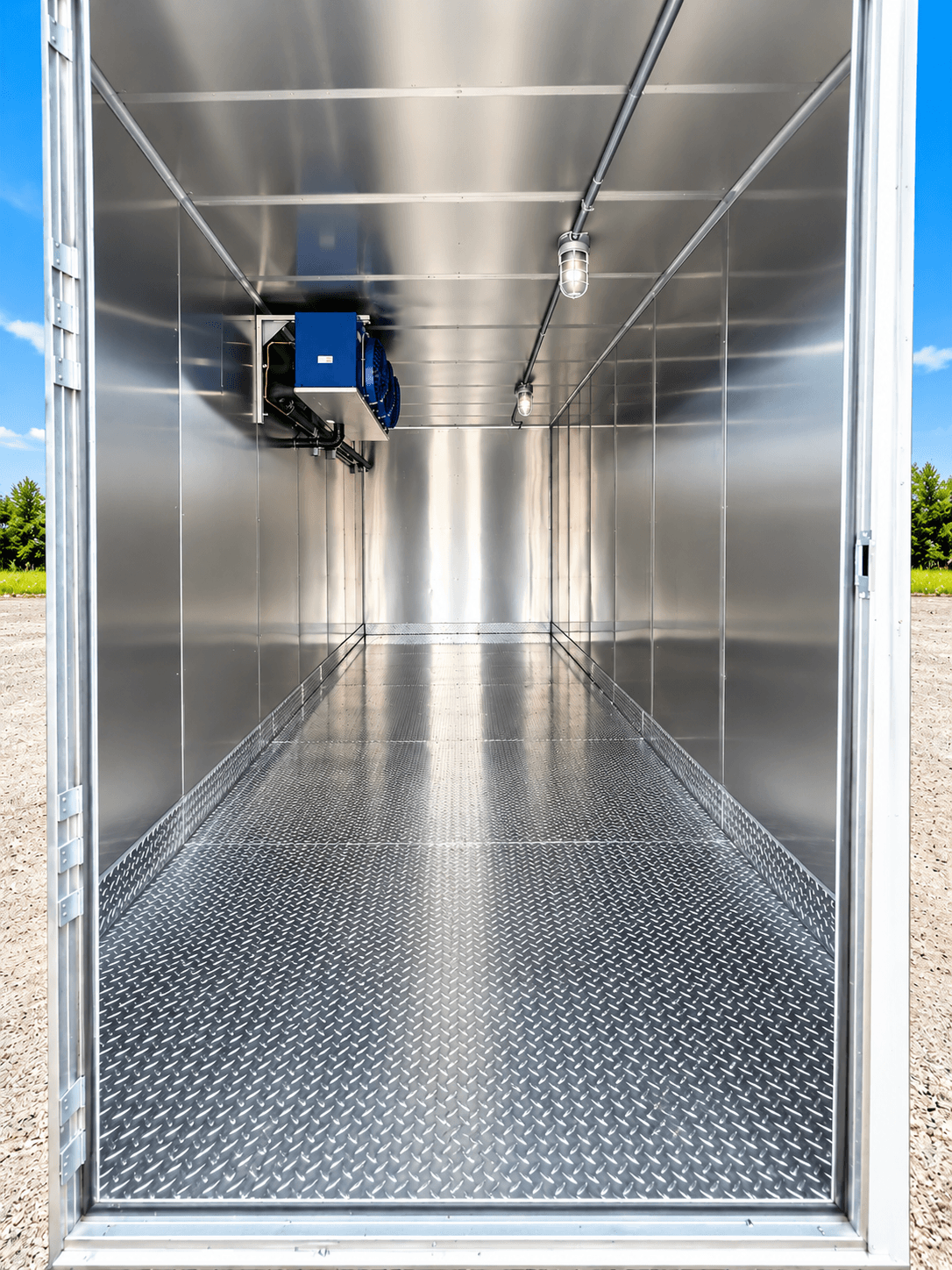
Compare the equipment
These published examples describe named company units. The supplied equipment, configuration and availability are confirmed for your project address.
Listed refrigeration trailer equipment: condensing unit, amps panel, lighting.
Equipment records reviewed October 19, 2026. Temperature labels are inventory labels, not verified operating ranges. Nominal length is a model label, not a measure of usable space or site footprint.
An onsite portable walk-in cooler lease in New York City can bridge an emergency breakdown, a kitchen renovation or a seasonal peak without moving a county jail kitchen to another location. Whether you rent for a weekend event or lease through a multi-month renovation, the rental period, delivery coordination and setup are confirmed in your quote. If cooking is also interrupted, a mobile kitchen trailer rental can sit beside the refrigeration, and a dishwashing trailer for rent can handle returned dishes.
Refrigeration is an emergency need: when a commercial walk-in freezer or refrigeration unit breaks down, the call is an emergency, and a person answers rental inquiries 24/7. Restaurants, hospitals, schools, hotels, caterers and food producers can describe the problem to a person who answers rental inquiries 24/7. The same rental and lease process applies to work outside New York City. Operators in Kiryas Joel, Kingston and Pelham Manor can send an address, access details and product temperatures, and delivery coordination and availability for that location are discussed from there.
BizBash’s 2014 ranking of festivals, parades and holiday events put the Macy’s Thanksgiving Day Parade first, with about 3.5 million spectators along the New York City route. Distributors and processors in Bronxville, Larchmont and Tuckahoe can compare a short-term refrigeration trailer rental with a long-term lease for outdoor walk-in refrigeration. Caterers in Hastings-on-Hudson and Saltaire can rent portable refrigeration for a single event and return it when the guests leave. Portable refrigerated trailers and walk-in coolers are usually the first equipment discussed for event stock, with onsite power and access reviewed early. Onsite temporary facilities can include portable refrigeration, trailers for rent and, if dishes are affected, a dishwashing trailer. Dishwashing trailer rentals and warewashing capacity are quoted beside the kitchen and refrigeration when the whole food-service area is affected. A mobile dishwashing trailer and a mobile kitchen trailer are often requested together, with a refrigerated trailer for the stock. This is published public context, not company work; each request is quoted for its own address and dates.

The Associated Press reported more than four feet of snow in parts of western New York from the Christmas Eve 2022 blizzard, with an Erie County driving ban, the Buffalo airport closed and a major disaster declared for the region. If a hospital kitchen in Sloan, a university dining hall in Kenmore or a distribution center in Lackawanna loses its cooler, a portable refrigerated unit can be rented while the repair is scheduled. A commercial walk-in failure in Rochester calls for the same first step as anywhere else in the state: an emergency refrigerated trailer rental or container lease sized to the stock. Emergency refrigeration comes first after a storm or outage: a portable refrigerated trailer, a refrigeration container or outdoor walk-in refrigeration can hold stock while power and repairs catch up. Kitchen, dishwashing and refrigeration rentals are separate equipment, and each can be rented short-term or leased long-term. The context above comes from public sources and does not describe a completed job; availability and delivery are confirmed in the quote.
Micron held its groundbreaking for the Clay megafab on January 16, 2026, workers placed the first foundations on July 9, and Onondaga County’s executive expects 3,000 to 4,000 construction workers on the site in 2027. A kitchen remodel in Syracuse, Solvay or North Syracuse can be covered by a lease measured in weeks or months, and the same quote can include a dishwashing trailer for rent if the dish room is affected. Facility teams in Minoa can lease portable refrigeration as temporary facilities while a permanent cold room is rebuilt. A long-term refrigeration trailer lease keeps supplies cold on site for the whole project, with power and access reviewed before delivery. Trailer rentals, trailers for rent and trailer leasing are all discussed with the address and the dates in hand. When cooking and dish washing stop together, a mobile kitchen, a dishwashing trailer and portable refrigeration can be one request. Nothing here assumes available equipment or a delivery time; a person answers rental inquiries 24/7 and the quote confirms the details.
Refrigerated trailers for rent, refrigeration containers for lease and walk-in coolers for short-term use are the three questions most callers start with. A commercial walk-in freezer failure in New York City is an emergency call, and onsite temporary refrigeration is how most such calls begin. Mobile kitchens, dishwashing trailers and refrigerated trailers for rent can be quoted together as temporary facilities. Short-term or long-term, the same refrigerated trailer rental starts from the address, the stock and the dates.
Emergency refrigeration can be arranged as a refrigerated trailer, a refrigeration container or a portable walk-in cooler, depending on the stock and the site. Emergency refrigeration in New York City can be rented for a few days or leased long-term, depending on how long the commercial walk-in is down. Trailer rentals for emergencies are usually short-term, while trailer leasing for construction or seasonal work can run for months. Outdoor walk-in refrigeration can be set up beside the building as temporary facilities, so staff keep working while the permanent walk-in cooler or walk-in freezer is repaired.
Emergency refrigeration, onsite and temporary, is meant to bridge the gap until the commercial walk-in freezer is repaired or replaced. In New York City, emergency refrigeration usually means a refrigerated trailer, a refrigeration container or a portable walk-in cooler matched to the stock. Onsite temporary facilities can include portable refrigeration, a mobile kitchen trailer and, if dishes are affected, a dishwashing trailer. A dishwashing trailer lease can be added to the same quote when returned dishes also need washing.
Emergency refrigeration for commercial kitchens often starts with a portable refrigerated trailer and ends with a longer lease if repairs take time. Outdoor walk-in refrigeration needs level ground and power nearby, so a long-term lease starts with a site conversation. Dishwashing trailer rentals and kitchen trailer rentals can be quoted alongside refrigerated trailers for rent when the whole kitchen is down. Kitchen, dishwashing and refrigeration rentals are separate equipment, and each can be rented short-term or leased long-term.
Dishwashing and kitchen outages often arrive together, so dishwashing trailer rentals and a mobile kitchen for rent are quoted beside emergency refrigeration. Emergency refrigeration rental covers walk-in coolers, walk-in freezers and refrigerated trailers for commercial kitchens, warehouses and plants. A dishwashing trailer, a mobile kitchen trailer and a refrigerated trailer for rent can each be short-term or long-term, depending on the repair. Portable refrigerated trailers, refrigeration containers and outdoor walk-in refrigeration units can all be discussed for the same emergency.
Emergency refrigeration rental, trailer rentals and trailer leasing are all handled through one inquiry, so one call can cover every option. All calls about a failed commercial walk-in freezer or refrigeration system are emergency calls, and a person answers rental inquiries 24/7.
NYC DOT says truck-route changes took effect on October 4, 2026, while a replacement full map is expected by the end of the year. Its current page links the changes alongside the older map and explains that vehicle classification, dimensions and posted restrictions matter. A New York City refrigeration delivery needs a transporter-reviewed approach to the actual property. An old visitor route or a vacant curb space cannot confirm that approach.
BXRT20–1 in the 20ft Refrigerated Trailer guide lists a condensing unit, amps panel and lighting, with 220V single-phase power at 40–60A. Its 32°F inventory label is not a verified operating range. Usable capacity and the exact NEMA plug configuration need confirmation for the offered unit. Match its actual conditions with the displaced food before comparing the loading arrangement.
The 20ft Refrigerated Container guide provides a different nominal storage format. Its usable capacity, temperature capability and electrical requirements remain unconfirmed; the trailer’s listed power says nothing about container specifications. Loaded cases or carts need to pass through the offered entrance and leave staff access to products after the next supplier order arrives.
NYU Langone describes Tisch Hospital’s first-floor café as a hot-meal operation with several food stations and grab-and-go choices. For a comparable institutional food-service interruption, those tasks create different refrigerated loads: ingredients awaiting preparation, items repeatedly collected during service and packaged meals reserved for later. The public dining location alone does not identify the entrance used by food suppliers.
If cooking moves during a comparable refit, K2 in the 28ft Mobile Kitchen Trailer guide lists a convection oven, griddle/oven and six-burner range/oven combinations, deep fryers, sinks, prep table and reach-in refrigerator and freezer. It lists 220V single-phase power at 200A. The reach-ins serve that named cooking arrangement; they do not show room for all bulk reserves displaced from permanent refrigeration.
A Cedarhurst preparation site supplying a New York City function needs its ingredients at the preparation address. Operators coordinating work in Mount Vernon or New Rochelle also need a destination for each supplier order. For service in Valley Stream or a refurbishment in Lawrence, keep the food, equipment position and working period attached to the property actually holding the stock.
For healthcare food-service inquiries in New York City or Lawrence, New York, the responsible facility lead can provide product handling requirements alongside the quantities expected during each receiving period. Bring the current meal timetable and supplier schedule together before requesting a proposal for the food-service requirement and proposed rental period.
For a Yonkers preparation operation, compare its own receiving peak with the offered interior. Frequently retrieved cases should stay reachable beside unopened reserves for later meals. Identify any agreed shelving or handling aids for that unit; an empty photograph does not show its loaded working arrangement.
NYC Health’s temporary-event guidance separates the organizer’s responsibilities from the food operator’s permits and points street, park and off-street events toward the relevant processes. For an applicable event, place refrigerated holding within the authorized food-service arrangement. Cooking, washing and the path used for returned utensils need their own space; ordering storage equipment does not settle the operator’s event permissions.
DTC1 in the 38ft Conveyor Dishwashing Trailer guide lists a high-temperature conveyor dishwasher, soil tray, sinks, prep table, racks and water heater, with 220V single-phase power at 300A. Dishwashing trailers serve reusable pans and returned service ware. Their water, drainage and dirty-to-clean route need their own layout, separate from the refrigeration example’s 40–60A supply and ingredient collection.
NOAA describes New York’s regional climate differences and seasonal changes. The actual rental months, outdoor surroundings, usable connections and staff route belong in the property review. That statewide context cannot set a refrigerated unit’s operating limit. Any construction phase affecting access needs to be considered through collection, alongside the actual equipment requirements.
A person answers rental inquiries 24/7. For a New York City cooler or freezer failure, identify the affected products, orders already due and any permanent refrigeration still usable. Equipment availability and arrival arrangements are reviewed for the individual address rather than assumed from inquiry coverage.
A repaired room may accept new deliveries before every reserve case returns indoors. Keep both stores accessible through that handover, including when separate cooking or washing facilities return at different stages. Request availability and a complete project quote for the selected equipment, working period, transport and collection, with changed-date arrangements addressed for the actual operation.
Before you book
Explain which storage closes and what preparation or washing remains usable. A refrigeration-only arrangement may address that gap. Related facilities can be considered if later phases interrupt other functions, with the actual unit, ingredient route and connections reviewed for the working property.
Consider the footprint, entrance and staff route together before selecting equipment. Include ordinary receiving and other uses of the area. A convenient unloading position may not be the best loaded daily store, so review the actual configuration and connections against how employees will handle products.
The setup and delivery amount is a starting figure for the equipment type, so it does not cover every journey, collection or site charge. Actual duration, transport, collection and other charges require a quote. Use the same products and working dates to compare complete proposals before treating a preliminary equipment amount as the whole purchasing decision.
The team can discuss a portable walk-in cooler rental or lease for a New York City address, from a few days to several months. Include the address, how a truck can reach the site, the power available and the temperature the product must hold. The quote confirms the equipment, the delivery timing and the rental terms for your site.
Mobile and modular refrigeration, from refrigerated trailers for rent to a refrigeration container lease, can be discussed for short-term or long-term needs. Trailer rentals, refrigerated trailers for rent and trailer leasing are all discussed with the address and the dates in hand. Commercial refrigeration rentals for a school, hospital or hotel are usually planned around the busiest service of the week. A commercial walk-in freezer or refrigeration breakdown is an emergency, so call at any hour; a person answers rental inquiries 24/7, and the quote confirms the equipment and delivery for your address.
These public references inform the planning examples; equipment availability and delivery arrangements are confirmed for your address.
Temporary refrigeration, kitchens and dishwashing can support many kinds of food-service operations. Each setting below starts with its own schedule, stock and site questions, and every project is reviewed individually.
Hotels, restaurants and resorts can plan temporary refrigeration around breakfast, banquet and dinner service when a walk-in cooler fails or a kitchen is refurbished.
Hospital, nursing home and care-facility kitchens can describe meal schedules, delivery times and displaced stock so temporary storage follows the food-service routine.
Municipal, county and public-building food-service teams can outline receiving arrangements, responsible contacts and project dates before a quote is prepared.
Dining facility managers can explain the products displaced, the receiving arrangements and the proposed period, then review availability and terms with our team.
Schools, colleges and universities can plan around term dates, serving windows and campus kitchen renovations so meal service can continue during repairs or construction.
Plant cafeterias and employee dining areas can describe shift patterns and staged building work so temporary cold storage can be reviewed against the working schedule.
Caterers and venues can plan preparation windows, event days and overflow ingredients, and describe how stock moves between storage, the kitchen and service.
Producers, wholesalers and distributors can describe loading, staging and storage needs when a cooler breaks down or demand temporarily exceeds capacity.
These examples describe planning situations. Equipment, availability and terms are confirmed in a project quote.
Cold storage is only one part of a project. These are the questions we work through with you before anything is booked.
Start with refrigerated containers and refrigeration trailers, then add a temporary kitchen or dishwashing trailer when the project needs one, all in a single conversation.
Access, utilities and the intended position are reviewed before delivery is arranged, so the equipment is matched to your site rather than the other way around.
Whether a walk-in cooler failed this morning or a renovation is months away, describe the real situation and plan around the stock, dates and people involved.
Planning guides cover all 50 states and more than 700 cities. Your address is then confirmed for equipment and delivery.
Use the rental calculator for a rate-range estimate and setup amount, then request a project quote that confirms availability, transport and the rental period.