BXRT20–1Refrigerated trailer
- Nominal length
- 20ft
- Listed electrical supply
- 220V · single-phase · 40–60A
- Inventory temperature label
- 32°F
Temporary cold storage in Dubuque, Iowa
Dubuque refrigerated container rentals can support commercial food operations when a walk-in cooler breaks down or a planned refurbishment removes their usual storage space. Worldwide Refrigerated Container Rental Facilities also discusses kitchen trailers and dishwashing trailers for projects that need more of the food-service workflow relocated. Short-term rentals and longer lease inquiries can be scoped around repairs, institutional service or industrial catering. Delivery coordination requires the property entrance, placement permission and utility details, alongside the amount of stock your team needs to hold. Explain your shutdown sequence and request equipment availability and a quote for your Dubuque address.
Emergency cooler or freezer failure in Dubuque? A person answers rental inquiries 24/7. Availability and delivery timing are confirmed in your quote.
Plan your rental budget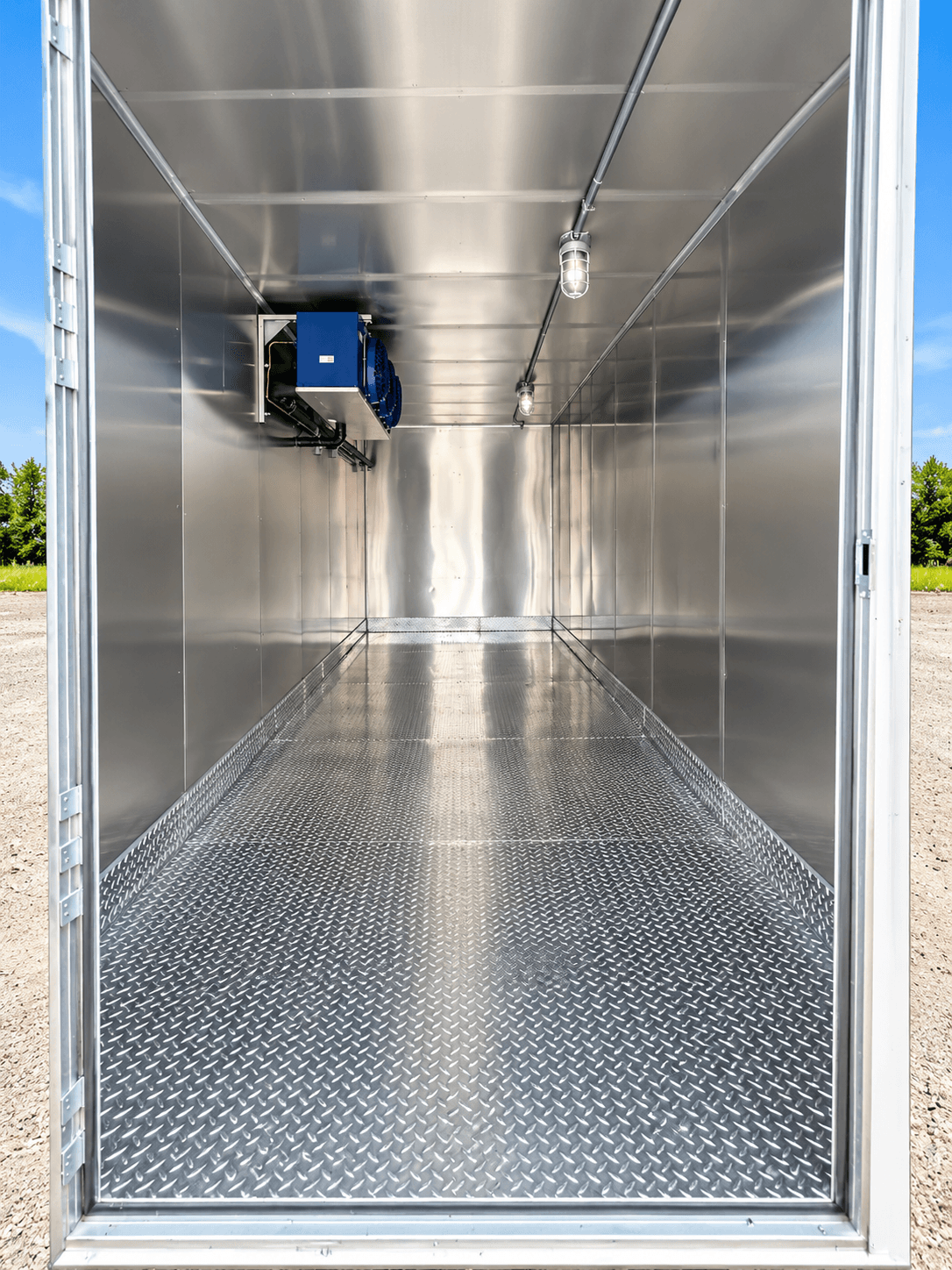
Compare the equipment
These published examples describe named company units. The supplied equipment, configuration and availability are confirmed for your project address.
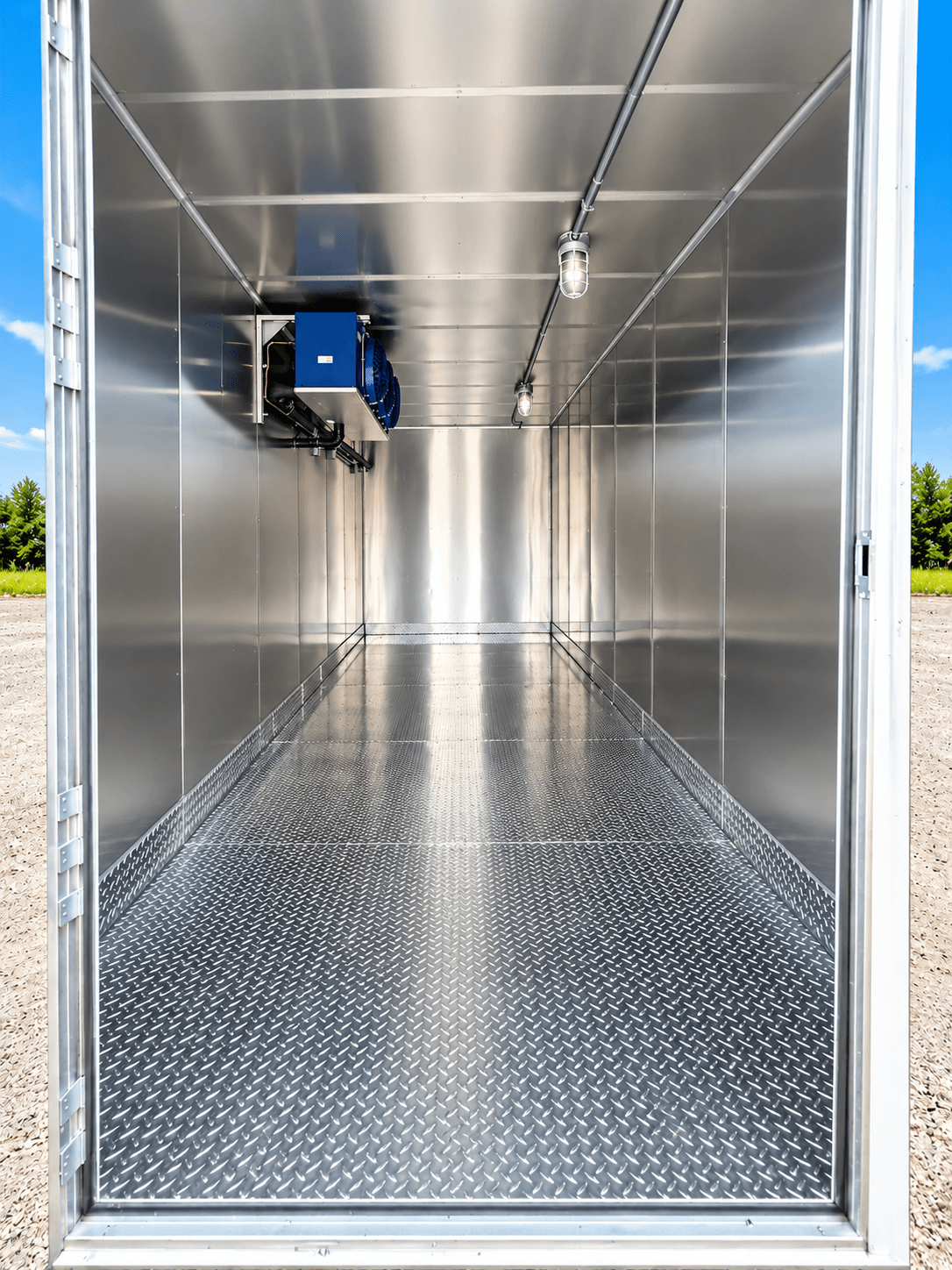
Listed refrigeration trailer equipment: condensing unit, amps panel, lighting.
Equipment records reviewed October 19, 2026. Temperature labels are inventory labels, not verified operating ranges. Nominal length is a model label, not a measure of usable space or site footprint.
Dubuque’s Bee Branch information describes a flood-mitigation program created to move stormwater through a previously constrained watershed. It provides a local historical reason to discuss access and utility continuity, rather than a forecast for any particular business. NOAA’s Iowa summary supplies the broader state climate record. Refrigeration planning should begin with the current condition of your building and the stock assessment made by the responsible staff.
Identify the food that can appropriately be transferred, its handling requirements and the employees authorized to receive it. If a route is restricted, tell the inquiry team before a placement is assumed. A cooler does not restore a closed entrance or make flood-affected products usable. The operational brief should separate those decisions from the equipment request.
When the work involves phased repairs, the 20ft Refrigerated Container guide is a practical next read, covering how to organize stock for a longer stay and the ground and drainage beneath the unit before a quote is requested.
The city dates the Lower Bee Branch completion to 2011 and the Upper Bee Branch completion to 2017. Those separate phases illustrate how a public improvement can have more than one completion point. They are context for this guide, without establishing a refrigeration job or customer relationship. A commercial building project also needs separate dates for demolition, utility work, equipment testing and the return of stock.
Two nearby cities approach their projects differently. Cedar Rapids’s guide addresses food-service repairs, while the guide for operators in Davenport addresses commercial food handling. Each reflects its own property and schedule, so confirm your Dubuque details separately.
A kitchen refurbishment can reopen one task before the whole operation is ready. Dishwashing arrangements might remain temporary while another area completes inspection or cleaning. Explain those differences when discussing refrigerated storage, so arrival and collection can be evaluated against the period when your business actually needs the equipment rather than a single headline construction date.
School facilities managers in Dubuque or Dyersville, Iowa, may face different access arrangements for suppliers and contractors when a dining refurbishment changes routes through occupied buildings. Identify where staff will check incoming ingredients, retain delivery records and report a mismatch between an order and its contents.
An occupied property needs a route that staff can use repeatedly without entering the contractor’s work area. Plot incoming deliveries, temporary cold-storage holding and movement into preparation on one drawing. Then test the busiest expected shift: several small deliveries may require different access than one larger restocking movement. Describe that pattern before settling on a temporary refrigeration arrangement.
A further point of reference is Iowa City’s guide, which covers meal preparation and repairs. Compare its questions with your own schedule and property.
Asbury, Dyersville and Maquoketa are regional inquiry locations with their own site constraints. An organization managing stock across them should specify where each quantity will be held and which receiving team is responsible. Avoid assuming that a regional location name settles the property details. Each address needs a practical plan for its own entrance, utilities and placement.
The city identifies Bee Branch sections using streets and crossings, including Garfield Avenue. That kind of reference helps locate a project, while a delivery review still needs the actual entrance and vehicle movement into the property. Show turning space, height restrictions and the points where staff or other suppliers share the route. Do not describe an entrance as suitable solely because passenger vehicles use it.
Ask the facilities representative to document available electrical service for the proposed refrigerated unit. Confirm placement permission and investigate applicable approvals before the layout becomes part of the operating schedule. Stock retrieval must remain practical after delivery, including when contractors or visitors are present. Transport timing and setup responsibilities need address-specific confirmation rather than an assumed citywide standard.
Tell us what needs controlled storage, how it is packaged and whether the working quantity changes through the week. Include your target start, anticipated finish and any phase likely to shift. If temporary kitchen or dishwashing facilities are also needed, describe those tasks without assuming they use the same utilities or finish on the same day.
Request a quote that explains refrigeration rental-period charges, delivery, collection and any responsibilities your team must arrange separately. Calculator figures are an early planning reference rather than a complete contract for a dated project. Equipment availability, extension terms and the final site arrangement require confirmation. Keeping these facts in one clear brief makes it easier to identify missing information before a booking is agreed.
Before you book
Yes. Describe each transfer and the operational reason for it. The team can review the proposed rental period and equipment alongside that sequence. Extra movements, schedule changes and their costs still need explicit agreement in the project quote.
No. The source explains municipal infrastructure and history. Your property conditions, permission and current access determine what must be checked for your proposed refrigeration rental. No parcel-specific risk assessment is supplied by this guide.
Prepare the stock quantities, temperature requirements, operating dates and entrance photographs. Add the on-site decision-maker and available utility information. The team can then discuss equipment suitability and the questions still open for your address.
These public references inform the planning examples; equipment availability and delivery arrangements are confirmed for your address.
Temporary refrigeration, kitchens and dishwashing can support many kinds of food-service operations. Each setting below starts with its own schedule, stock and site questions, and every project is reviewed individually.
Hotels, restaurants and resorts can plan temporary refrigeration around breakfast, banquet and dinner service when a walk-in cooler fails or a kitchen is refurbished.
Hospital, nursing home and care-facility kitchens can describe meal schedules, delivery times and displaced stock so temporary storage follows the food-service routine.
Municipal, county and public-building food-service teams can outline receiving arrangements, responsible contacts and project dates before a quote is prepared.
Dining facility managers can explain the products displaced, the receiving arrangements and the proposed period, then review availability and terms with our team.
Schools, colleges and universities can plan around term dates, serving windows and campus kitchen renovations so meal service can continue during repairs or construction.
Plant cafeterias and employee dining areas can describe shift patterns and staged building work so temporary cold storage can be reviewed against the working schedule.
Caterers and venues can plan preparation windows, event days and overflow ingredients, and describe how stock moves between storage, the kitchen and service.
Producers, wholesalers and distributors can describe loading, staging and storage needs when a cooler breaks down or demand temporarily exceeds capacity.
These examples describe planning situations. Equipment, availability and terms are confirmed in a project quote.
Cold storage is only one part of a project. These are the questions we work through with you before anything is booked.
Start with refrigerated containers and refrigeration trailers, then add a temporary kitchen or dishwashing trailer when the project needs one, all in a single conversation.
Access, utilities and the intended position are reviewed before delivery is arranged, so the equipment is matched to your site rather than the other way around.
Whether a walk-in cooler failed this morning or a renovation is months away, describe the real situation and plan around the stock, dates and people involved.
Planning guides cover all 50 states and more than 700 cities. Your address is then confirmed for equipment and delivery.
Use the rental calculator for a rate-range estimate and setup amount, then request a project quote that confirms availability, transport and the rental period.