BXRT20–1Refrigerated trailer
- Nominal length
- 20ft
- Listed electrical supply
- 220V · single-phase · 40–60A
- Inventory temperature label
- 32°F
Temporary cold storage in Des Moines, Iowa
Catering ingredients may arrive before an event starts, even when a Des Moines commercial walk-in cooler or freezer has broken down. Worldwide Refrigerated Container Rental Facilities offers refrigerated containers, refrigeration trailers, portable coolers and freezers for emergency storage and planned repairs or renovations. Mobile kitchen and dishwashing trailers can support connected cooking and cleanup work. Caterers, hotels, restaurants and school food-service teams can discuss short-term rentals or longer leases. Equipment and delivery coordination account for the property, required conditions and supplies held before and after service. Contact our team to request availability and a Des Moines project quote.
Emergency cooler or freezer failure in Des Moines? A person answers rental inquiries 24/7. Availability and delivery timing are confirmed in your quote.
Plan your rental budget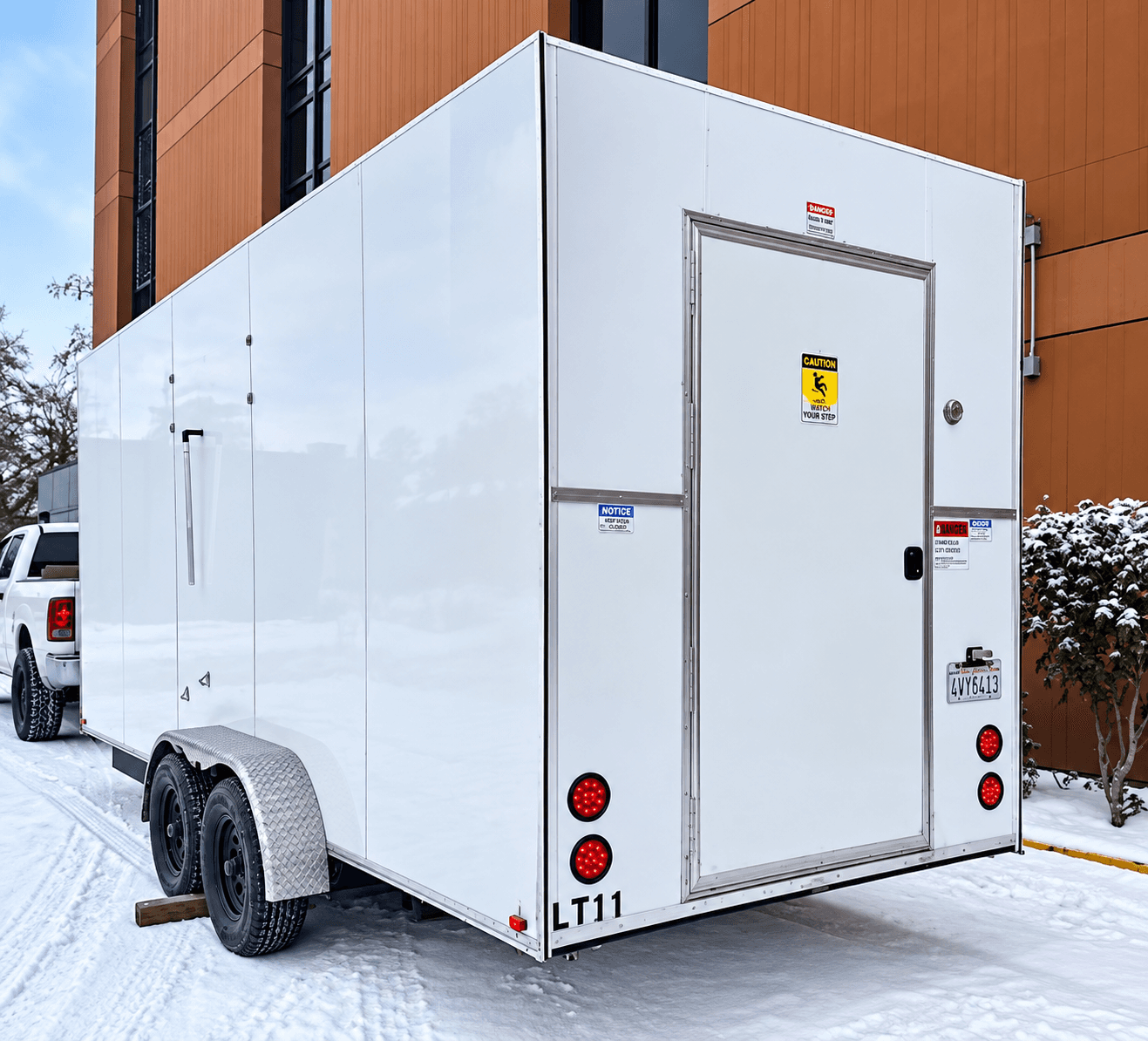
Compare the equipment
These published examples describe named company units. The supplied equipment, configuration and availability are confirmed for your project address.
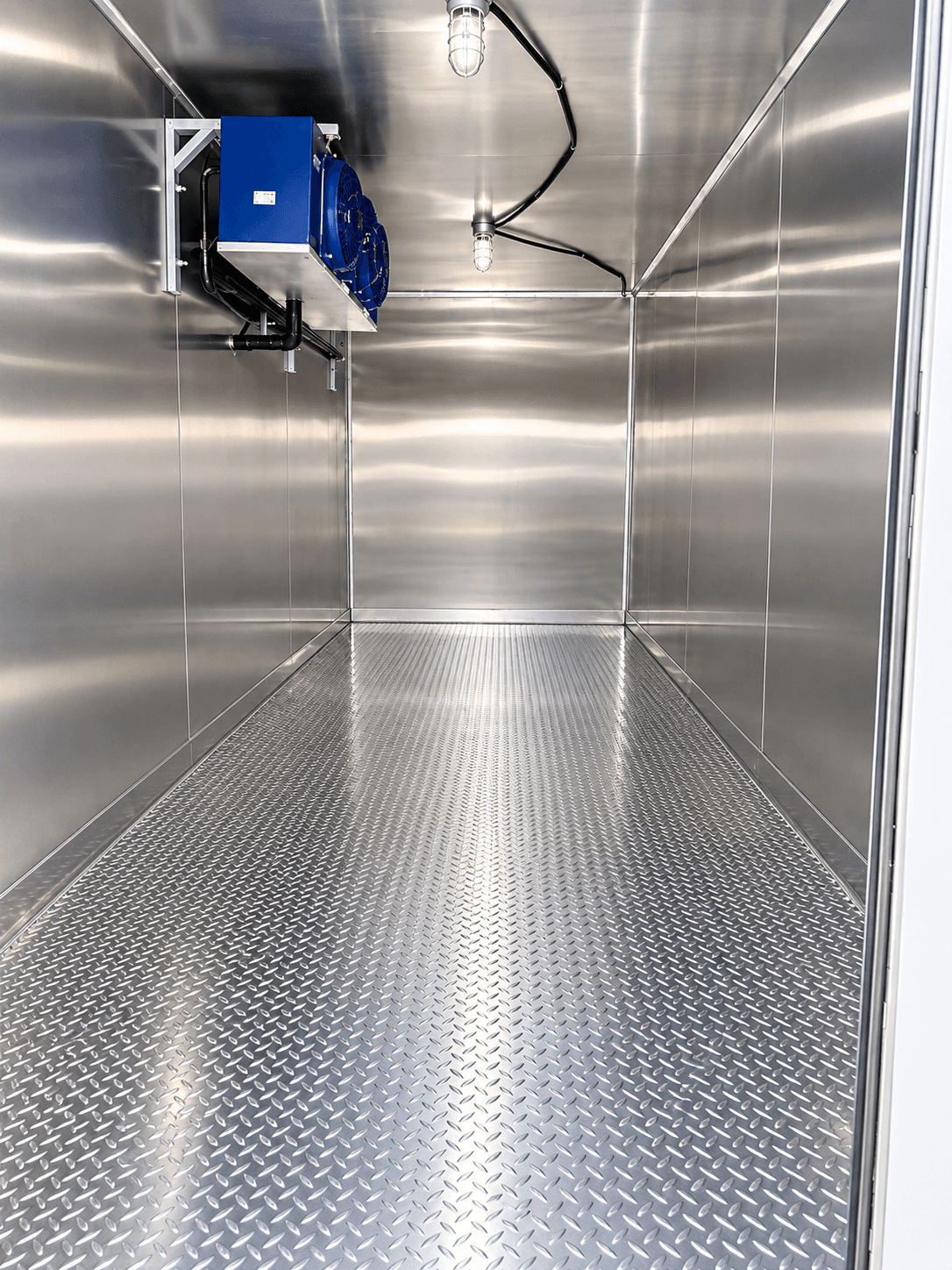
Listed refrigeration trailer equipment: condensing unit, amps panel, lighting.
Equipment records reviewed October 19, 2026. Temperature labels are inventory labels, not verified operating ranges. Nominal length is a model label, not a measure of usable space or site footprint.
Des Moines Public Library describes fresh produce, dairy and prepackaged goods in the Central Library refrigerator, which does not accept frozen items. Its East Side pantry is for nonperishable items. These public grocery formats show why a combined food quantity cannot define a refrigeration requirement: chilled products, dry stock and any frozen reserve need separate destinations before an equipment comparison is useful.
For a comparable catering operation, separate unopened ingredients, supplies being prepared and completed batches waiting to leave. The largest overlap can include a new delivery before the previous stock is used. Include package sizes and repeated staff access, not only an attendance figure. A freezer requirement should remain explicit instead of being folded into a general request for more storage.
LT2 in the 20ft Refrigerated Trailer guide lists a -5°F temperature label, condensing unit, amps panel and lighting, with 220V single-phase power at 40–60A. That label is not a complete operating range or a substitute for the operator's product requirements. Usable capacity and the exact electrical connector still need confirmation for the proposed unit.
Drake University's dining page distinguishes Hubbell's all-you-care-to-eat stations from cafés, quick meals and the On The Go convenience store. For a comparable interruption, a production line can need ingredients throughout a meal period while a retail outlet draws packaged goods for display. A temporary store should support those actual movements rather than count the formats as if they all handle the same stock.
The West Des Moines and Ankeny rental guides cover projects in those cities. For work in Ames, read its rental guide. A receiving address in Pleasant Hill, Windsor Heights or Carlisle needs its own load, intended period and staff approach even when a regional team coordinates purchasing.
A military dining representative in Des Moines or Carlisle, Iowa, can explain which goods move temporarily while other food-service functions remain within the property's existing working arrangement. Record who can approve changes to the dining brief and ensure revised dates reach the people reviewing the proposed temporary equipment arrangement.
Dishwashing trailers support reusable pans and service items returning after meals. Reserve sorting and clean-item collection away from employees retrieving ingredients, rather than using the cold-store entrance as a staging point for returns.
D7 in the 38ft Low Temp Dishwashing Trailer guide lists a low-temperature system, soil tray, prep table, sinks, racks, water heater and mop sink, with 220V single-phase power at 220A. Its records disagree about the loading mechanism, and throughput is not documented. Confirm that configuration before relying on a particular conveyor or push-through workflow; water and drainage also need their own place in the layout.
Events can need refrigeration before setup and after service while remaining goods are cleared. A repair can also return products in stages as permanent rooms reopen. Keep labels and destinations clear for those transfers and identify who communicates changed supplier orders between shifts. Request a quote covering the equipment, intended period, transport, collection, other charges and extension terms.
Before you book
Explain the relationship while identifying each proposed equipment address and its own product load. Storage before dispatch can have a different period from holding at the venue. Keeping those roles clear makes the proposal more useful than combining the entire event into one quantity without a location.
Incoming orders can overlap with ingredients already held and completed batches waiting to leave. Include packaging and staff access as well as product quantity. Explain when each group enters and leaves so the confirmed equipment layout can be considered against the busiest working stage.
Follow the final stock movement rather than only the event’s end or the contractor’s last day. Include permanent storage readiness, clearing and agreed collection arrangements. Discuss uncertain milestones and the process for changed dates within the booking terms before the temporary arrangement is authorized.
These public references inform the planning examples; equipment availability and delivery arrangements are confirmed for your address.
Temporary refrigeration, kitchens and dishwashing can support many kinds of food-service operations. Each setting below starts with its own schedule, stock and site questions, and every project is reviewed individually.
Hotels, restaurants and resorts can plan temporary refrigeration around breakfast, banquet and dinner service when a walk-in cooler fails or a kitchen is refurbished.
Hospital, nursing home and care-facility kitchens can describe meal schedules, delivery times and displaced stock so temporary storage follows the food-service routine.
Municipal, county and public-building food-service teams can outline receiving arrangements, responsible contacts and project dates before a quote is prepared.
Dining facility managers can explain the products displaced, the receiving arrangements and the proposed period, then review availability and terms with our team.
Schools, colleges and universities can plan around term dates, serving windows and campus kitchen renovations so meal service can continue during repairs or construction.
Plant cafeterias and employee dining areas can describe shift patterns and staged building work so temporary cold storage can be reviewed against the working schedule.
Caterers and venues can plan preparation windows, event days and overflow ingredients, and describe how stock moves between storage, the kitchen and service.
Producers, wholesalers and distributors can describe loading, staging and storage needs when a cooler breaks down or demand temporarily exceeds capacity.
These examples describe planning situations. Equipment, availability and terms are confirmed in a project quote.
Cold storage is only one part of a project. These are the questions we work through with you before anything is booked.
Start with refrigerated containers and refrigeration trailers, then add a temporary kitchen or dishwashing trailer when the project needs one, all in a single conversation.
Access, utilities and the intended position are reviewed before delivery is arranged, so the equipment is matched to your site rather than the other way around.
Whether a walk-in cooler failed this morning or a renovation is months away, describe the real situation and plan around the stock, dates and people involved.
Planning guides cover all 50 states and more than 700 cities. Your address is then confirmed for equipment and delivery.
Use the rental calculator for a rate-range estimate and setup amount, then request a project quote that confirms availability, transport and the rental period.