BXRT20–1Refrigerated trailer
- Nominal length
- 20ft
- Listed electrical supply
- 220V · single-phase · 40–60A
- Inventory temperature label
- 32°F
Temporary cold storage in Ankeny, Iowa
An event or kitchen project can place several different product groups in storage at once. Ankeny refrigeration rentals help customers discuss temporary chilled or frozen capacity for that overlap, as well as stock displaced by an unexpected equipment problem. Refrigerated containers, refrigeration trailers, portable coolers and freezers can be considered around the intended conditions and property. Explain the receiving, preparation and clearing timetable so the proposed arrangement supports the whole food-service job instead of only the public event or active construction period. Contact our team to discuss delivery, short rentals or longer leases, and request availability and a quote from Worldwide Refrigerated Container Rental Facilities.
Emergency cooler or freezer failure in Ankeny? A person answers rental inquiries 24/7. Availability and delivery timing are confirmed in your quote.
Plan your rental budget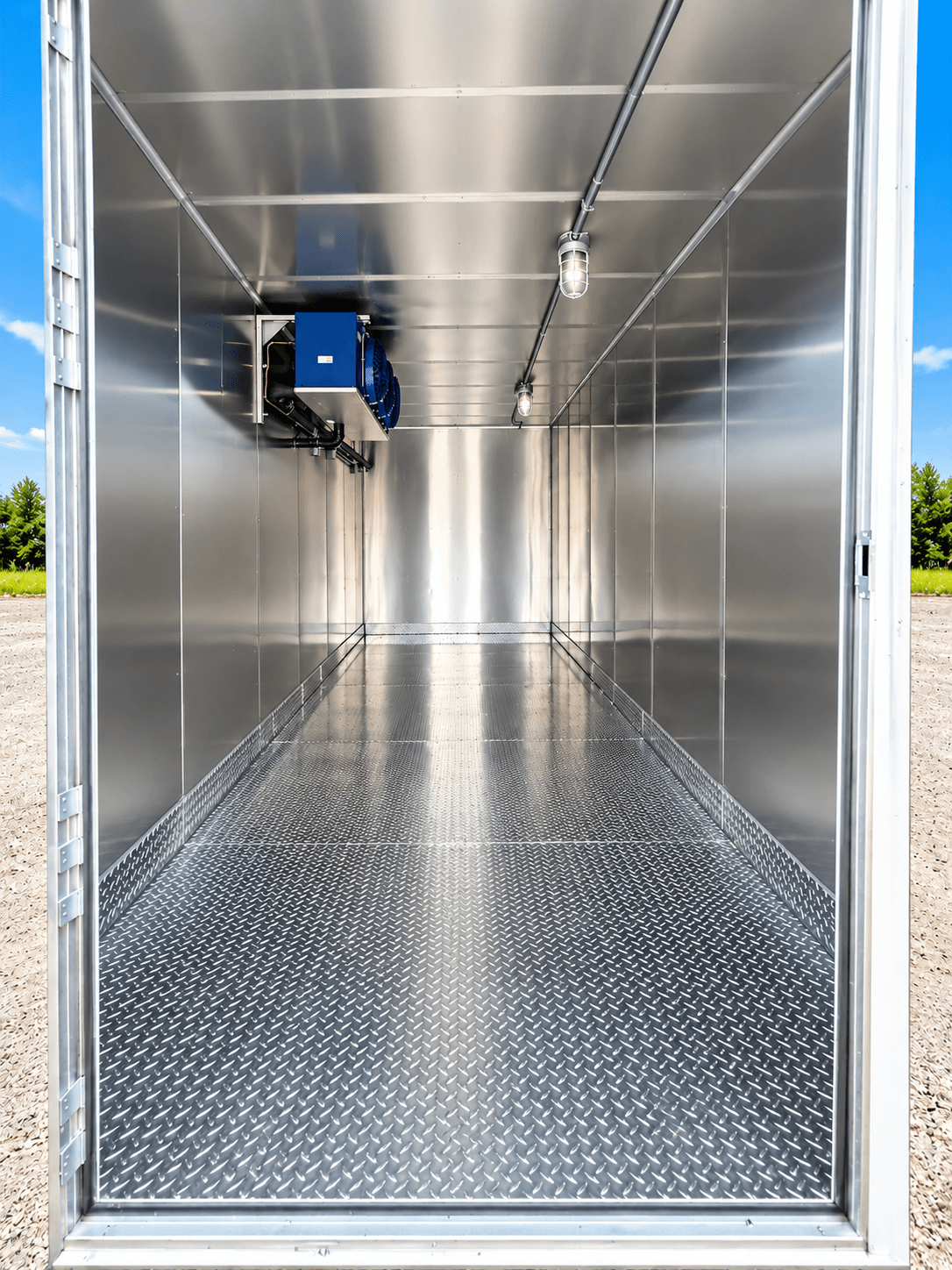
Compare the equipment
These published examples describe named company units. The supplied equipment, configuration and availability are confirmed for your project address.
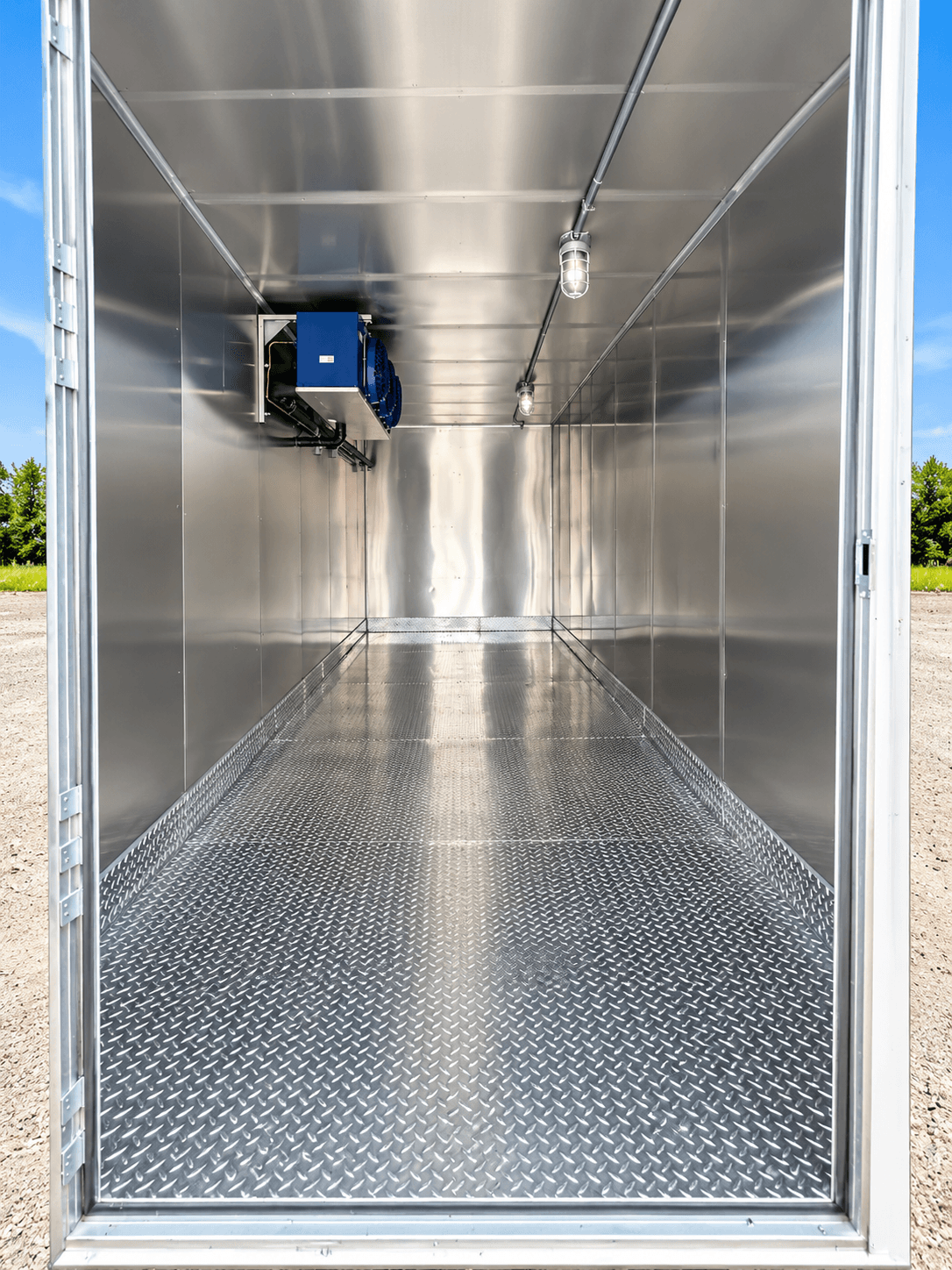
Listed refrigeration trailer equipment: condensing unit, amps panel, lighting.
Equipment records reviewed October 19, 2026. Temperature labels are inventory labels, not verified operating ranges. Nominal length is a model label, not a measure of usable space or site footprint.
Count ingredients awaiting use, completed batches and supplier packaging at the point when they overlap most. Include large containers and the working access staff require. A menu or attendance figure gives scale, but the timing of deliveries and dispatch describes the real storage peak. Identify products retrieved frequently so they remain reachable after the unit is loaded.
An Ankeny kitchen preparing for a Johnston function may need holding before food leaves its preparation address. A Polk City facility replacement could have a different period tied to permanent-room closure. If a Bondurant property also needs equipment, specify its stock and dates independently. Use these nearby-community relationships to explain actual project roles rather than merging separate storage locations into one broad capacity request.
State chilled and freezer needs separately and describe quantities in cases, carts or food containers. Give the largest dimensions and ask about confirmed entry and interior details for the proposed container, trailer or portable cooler. Discuss included shelving where it changes organization and the amount of useful working space during preparation.
For comparison, read what nearby cities emphasize. In Des Moines, the guide covers catering and food-service work; in West Des Moines, it covers food-service renovations. Treat each as background for your own questions rather than a description of conditions in Ankeny.
Frequent small retrievals call for a different loading arrangement from bulk stock removed in a few stages. Explain which pattern applies and confirm the final configuration in the proposal. A freezer requirement needs explicit confirmation of its own. Representative equipment images can introduce formats, but they should not substitute for the offered unit's actual operating and layout details.
A hospitality team preparing a hotel function in Ankeny or Johnston, Iowa, can distinguish reserved ingredients from supplies needed for ordinary dining on the same day. Have the service lead record which supplies must remain together and who updates the plan when menus or supplier orders change.
Photograph the property entrance, approach, intended surface and route into preparation. Note tight turns, overhead constraints and ordinary supplier traffic. Explain later event or contractor use of the area. Preserve required routes and clearances through temporary use, with collection considered after other equipment changes the layout. Confirm property permission for the intended position.
Another nearby guide, Ames’s, covers daily meal service. It describes a different property and is useful mainly for the questions it raises.
Iowa's NOAA summary describes pronounced seasonal contrasts, cold winters and warm, humid summers. Apply that state context by discussing the actual Ankeny site's drainage, exposure and requested period rather than infer conditions from a broad description. Obtain the proposed equipment's electrical requirements and arrange appropriate review of the available connection before loading products.
For an event, storage may begin with early deliveries and finish after remaining stock is cleared. Planned work includes transfers before permanent refrigeration closes and after it is ready. An urgent failure requires affected goods and the next deadline while responsible staff follow established safety procedures. Equipment planning supports that response without assessing exposed products.
Request an Ankeny proposal covering the selected equipment, address, period, transport and collection together. Discuss additional charges, uncertain milestones and related kitchen or dishwashing rentals sharing the site. Confirm final availability and configuration against the full scope so the cold-storage position works with the wider temporary food-service arrangement.
Label product groups and give incoming orders a defined destination. Identify who communicates changed quantities between shifts while preserving normal checks and rotation. Review the first busy preparation period with staff retrieving stock. Their feedback can identify an awkward loading pattern early, and the stock map can be updated if the menu changes during longer use.
Before you book
Ingredients and prepared batches may need holding well before setup begins. Explain where preparation happens and when stock moves to service. Include clearing and final transfers as well, then confirm the equipment and applicable rental terms against that full timetable rather than the public event hours.
Describe required product conditions, peak quantities, packaging and the largest cart or container dimensions. Explain staff retrieval frequency and proposed placement. Compare confirmed entry, interior and operating details against that working load rather than selecting an outside size without a handling plan.
Identify the milestone controlling the final stock movement and ask how rental-period changes are handled. Keep the provider informed as the work or event plan develops. Include permanent storage readiness and collection arrangements so the requested finish reflects the complete job under the agreed terms.
These public references inform the planning examples; equipment availability and delivery arrangements are confirmed for your address.
Temporary refrigeration, kitchens and dishwashing can support many kinds of food-service operations. Each setting below starts with its own schedule, stock and site questions, and every project is reviewed individually.
Hotels, restaurants and resorts can plan temporary refrigeration around breakfast, banquet and dinner service when a walk-in cooler fails or a kitchen is refurbished.
Hospital, nursing home and care-facility kitchens can describe meal schedules, delivery times and displaced stock so temporary storage follows the food-service routine.
Municipal, county and public-building food-service teams can outline receiving arrangements, responsible contacts and project dates before a quote is prepared.
Dining facility managers can explain the products displaced, the receiving arrangements and the proposed period, then review availability and terms with our team.
Schools, colleges and universities can plan around term dates, serving windows and campus kitchen renovations so meal service can continue during repairs or construction.
Plant cafeterias and employee dining areas can describe shift patterns and staged building work so temporary cold storage can be reviewed against the working schedule.
Caterers and venues can plan preparation windows, event days and overflow ingredients, and describe how stock moves between storage, the kitchen and service.
Producers, wholesalers and distributors can describe loading, staging and storage needs when a cooler breaks down or demand temporarily exceeds capacity.
These examples describe planning situations. Equipment, availability and terms are confirmed in a project quote.
Cold storage is only one part of a project. These are the questions we work through with you before anything is booked.
Start with refrigerated containers and refrigeration trailers, then add a temporary kitchen or dishwashing trailer when the project needs one, all in a single conversation.
Access, utilities and the intended position are reviewed before delivery is arranged, so the equipment is matched to your site rather than the other way around.
Whether a walk-in cooler failed this morning or a renovation is months away, describe the real situation and plan around the stock, dates and people involved.
Planning guides cover all 50 states and more than 700 cities. Your address is then confirmed for equipment and delivery.
Use the rental calculator for a rate-range estimate and setup amount, then request a project quote that confirms availability, transport and the rental period.