BXRT20–1Refrigerated trailer
- Nominal length
- 20ft
- Listed electrical supply
- 220V · single-phase · 40–60A
- Inventory temperature label
- 32°F
Temporary cold storage in Chandler, Arizona
Chandler cooler rentals give commercial kitchens another storage option to consider when a walk-in fails or replacement work closes permanent refrigeration. Worldwide Refrigerated Container Rental Facilities serves Arizona with refrigerated containers, trailers, coolers and freezers, plus related kitchen and dishwashing inquiries. An urgent repair can start before the finish is clear, while planned replacement may change the load in stages. Short rentals and longer lease discussions should follow the products and actual working site. Share your delivery address, storage conditions, access details and dates to explore equipment, delivery coordination, current availability and a project quote.
Emergency cooler or freezer failure in Chandler? A person answers rental inquiries 24/7. Availability and delivery timing are confirmed in your quote.
Plan your rental budget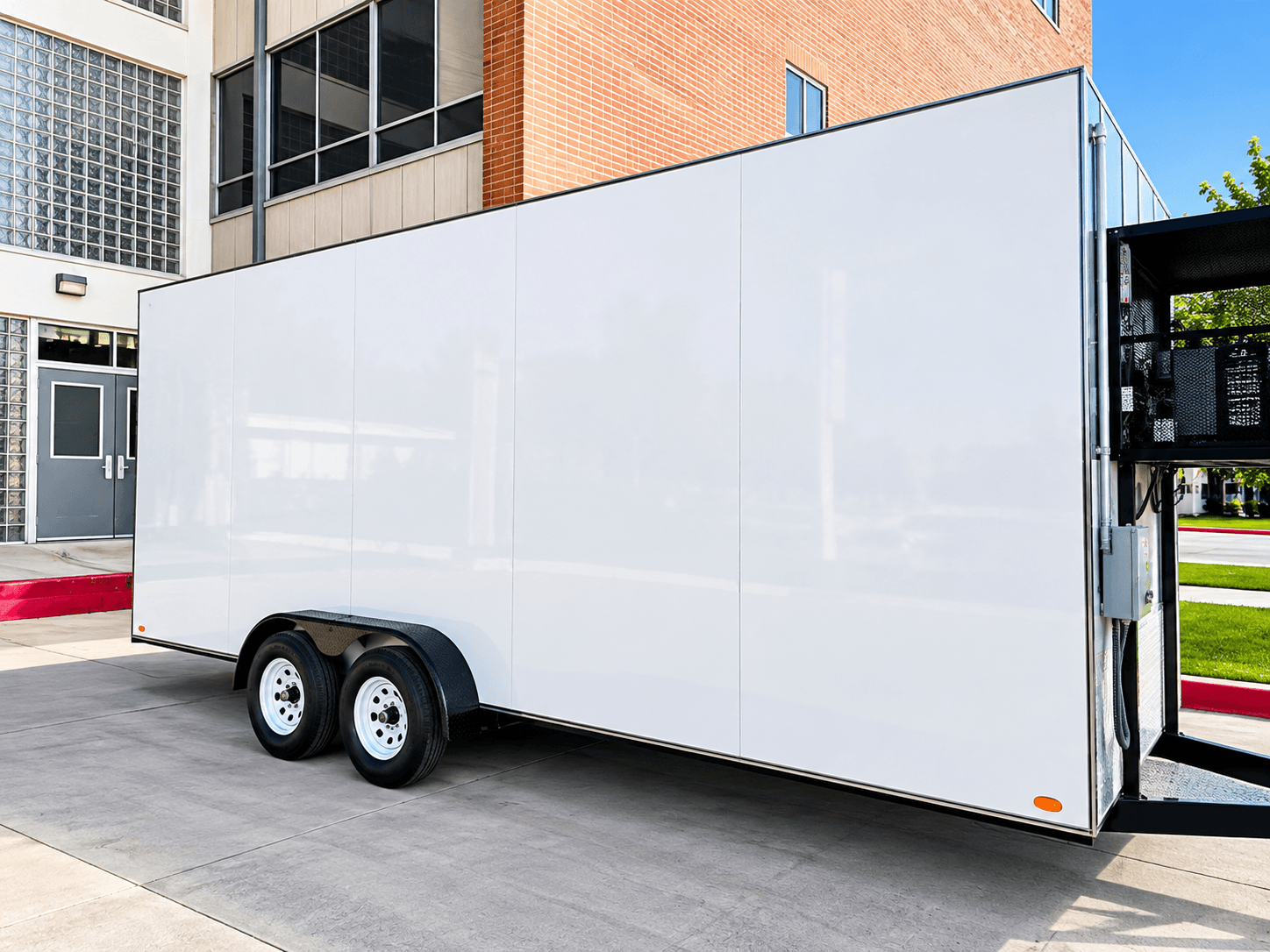
Compare the equipment
These published examples describe named company units. The supplied equipment, configuration and availability are confirmed for your project address.
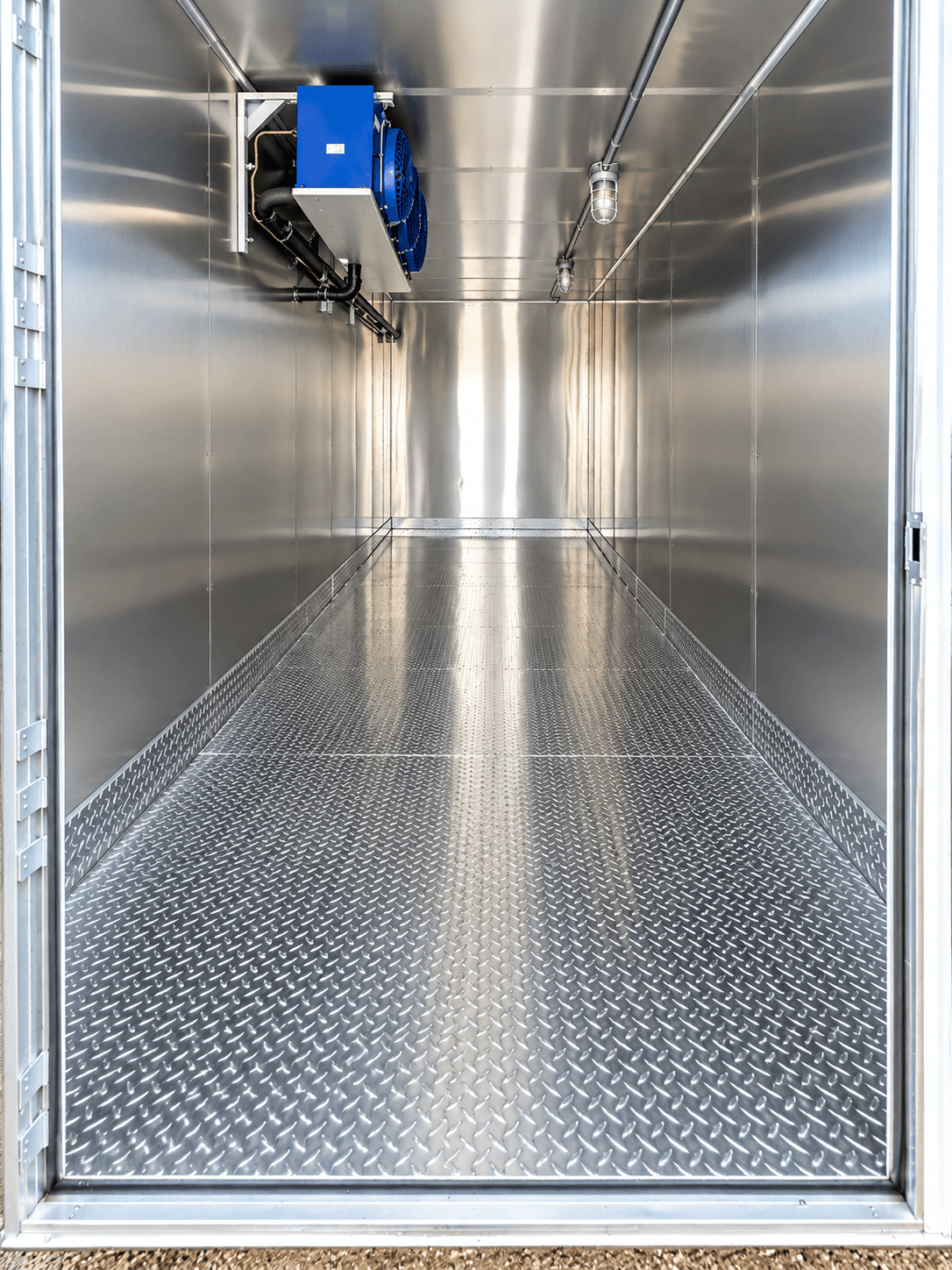
Listed refrigeration trailer equipment: condensing unit, amps panel, lighting.
Equipment records reviewed October 19, 2026. Temperature labels are inventory labels, not verified operating ranges. Nominal length is a model label, not a measure of usable space or site footprint.
AZCEND’s food-bank page distinguishes emergency food boxes from supplemental boxes of fresh perishable food. These categories illustrate different handling tasks rather than a single generic load. For a comparable operation interrupted by repairs, separate the goods waiting for collection from ingredients needed immediately, and identify which chilled or frozen products cannot remain in usable permanent stores.
A receiving peak can occur before the previous delivery has been used. Compare that overlap with actual packages and the path for frequent smaller collections. A menu change may reduce one product group while a scheduled order increases another, so the exterior size of the failed room is not a complete description of the temporary storage job.
BXRT20–1 in the 20ft Refrigerated Trailer guide has a 32°F inventory label and lists a condensing unit, amps panel and lighting. Its documented power is 220V single-phase at 40–60A. Confirm the offered unit’s operating suitability, usable capacity and exact electrical connector; the single label does not supply a temperature range.
The 20ft Refrigerated Container guide identifies a nominal-size alternative with unconfirmed usable capacity, electrical requirements and temperature range. Compare the proposed unit’s information with the food actually being held rather than assume the container shares the trailer example’s specifications.
Colleges planning holiday maintenance in Chandler or Gilbert, Arizona, may still need meals for staff, residential students or activities continuing outside the normal timetable. Check how supplies for different meal destinations will be identified, collected and handed over without blocking the shared receiving point.
Dishwashing trailers handle returned reusable pans and service items. First distinguish used-item receiving from staff collecting ingredients, then compare D4 in the 24ft Dishwashing Trailer guide. Its named example lists a low-temperature push-through dishwasher, soil tray, scraping table, three-compartment sink and handwashing sink. These fixtures describe the work stages, not a documented hourly throughput.
D4 lists 220V single-phase power at 150A. Water and drainage need their own review alongside the electrical supply and the route for clean items returning to service. Keeping that route distinct prevents a storage-only decision from overlooking the area used after meals, particularly where preparation continues while returned pans arrive.
Read the Tempe and Mesa rental guides for a project in either city. For a Gilbert or Guadalupe working address, use its own receiving details and proposed equipment position. Keep each property’s required conditions and stock load separate, even when the same operator coordinates several facilities.
Compare the offered doorway and internal arrangement with packages and carts as well as total stock. Ingredients needed throughout service should remain accessible when the next supplier order arrives. Show how staff reach the proposed store if another construction phase changes their usual entrance; that later route can matter as much as the initial placement.
NOAA describes Arizona with lower hot deserts, cooler higher areas and terrain-related precipitation contrasts, including variable summer monsoon rainfall. These statewide facts provide background, not a forecast for Chandler or an equipment specification. Include the intended season and the property’s arrangements for changing access alongside required product conditions and the proposed unit’s information.
A replacement can be ready before every product has moved back. Identify the last stock still needing temporary refrigeration and the deliveries expected between stages, then connect collection with that operating sequence. Send the Chandler working address and dates to request availability, equipment details and a quote covering the term, transport and possible extensions.
Before you book
Describe the operation continuing during repairs, including revised supplier orders and products still needed. Those decisions can alter the temporary load and retrieval pattern. This makes equipment selection more useful than simply matching the dimensions or capacity of the unavailable permanent room.
It can create the largest overlap before goods already held have been used. Include timing, packaging and stock reserved for later preparation. The equipment conversation should reflect that receiving cycle rather than a snapshot from a quieter moment between orders.
Describe the gradual return and products remaining temporarily while receiving continues. The expected period should follow that storage use, with commercial terms confirmed in the proposal. Permanent equipment becoming ready does not alone identify when every temporary refrigeration requirement has ended.
These public references inform the planning examples; equipment availability and delivery arrangements are confirmed for your address.
Temporary refrigeration, kitchens and dishwashing can support many kinds of food-service operations. Each setting below starts with its own schedule, stock and site questions, and every project is reviewed individually.
Hotels, restaurants and resorts can plan temporary refrigeration around breakfast, banquet and dinner service when a walk-in cooler fails or a kitchen is refurbished.
Hospital, nursing home and care-facility kitchens can describe meal schedules, delivery times and displaced stock so temporary storage follows the food-service routine.
Municipal, county and public-building food-service teams can outline receiving arrangements, responsible contacts and project dates before a quote is prepared.
Dining facility managers can explain the products displaced, the receiving arrangements and the proposed period, then review availability and terms with our team.
Schools, colleges and universities can plan around term dates, serving windows and campus kitchen renovations so meal service can continue during repairs or construction.
Plant cafeterias and employee dining areas can describe shift patterns and staged building work so temporary cold storage can be reviewed against the working schedule.
Caterers and venues can plan preparation windows, event days and overflow ingredients, and describe how stock moves between storage, the kitchen and service.
Producers, wholesalers and distributors can describe loading, staging and storage needs when a cooler breaks down or demand temporarily exceeds capacity.
These examples describe planning situations. Equipment, availability and terms are confirmed in a project quote.
Cold storage is only one part of a project. These are the questions we work through with you before anything is booked.
Start with refrigerated containers and refrigeration trailers, then add a temporary kitchen or dishwashing trailer when the project needs one, all in a single conversation.
Access, utilities and the intended position are reviewed before delivery is arranged, so the equipment is matched to your site rather than the other way around.
Whether a walk-in cooler failed this morning or a renovation is months away, describe the real situation and plan around the stock, dates and people involved.
Planning guides cover all 50 states and more than 700 cities. Your address is then confirmed for equipment and delivery.
Use the rental calculator for a rate-range estimate and setup amount, then request a project quote that confirms availability, transport and the rental period.