BXRT20–1Refrigerated trailer
- Nominal length
- 20ft
- Listed electrical supply
- 220V · single-phase · 40–60A
- Inventory temperature label
- 32°F
Temporary cold storage in Buckeye, Arizona
Buckeye refrigerated container rentals give commercial teams another storage option to discuss when a walk-in cooler fails or a planned project removes usable space. Refrigeration trailers can be considered alongside temporary kitchen and dishwashing needs without assuming that every operation needs the same arrangement. Short-term rentals and longer lease periods should follow the repair or construction sequence. Restaurants, schools, caterers and industrial food-service operators can start with the stock they need to move. Worldwide Refrigerated Container Rental Facilities can review the proposed address and delivery coordination with you. Request availability and a quote for your Buckeye project.
Emergency cooler or freezer failure in Buckeye? A person answers rental inquiries 24/7. Availability and delivery timing are confirmed in your quote.
Plan your rental budget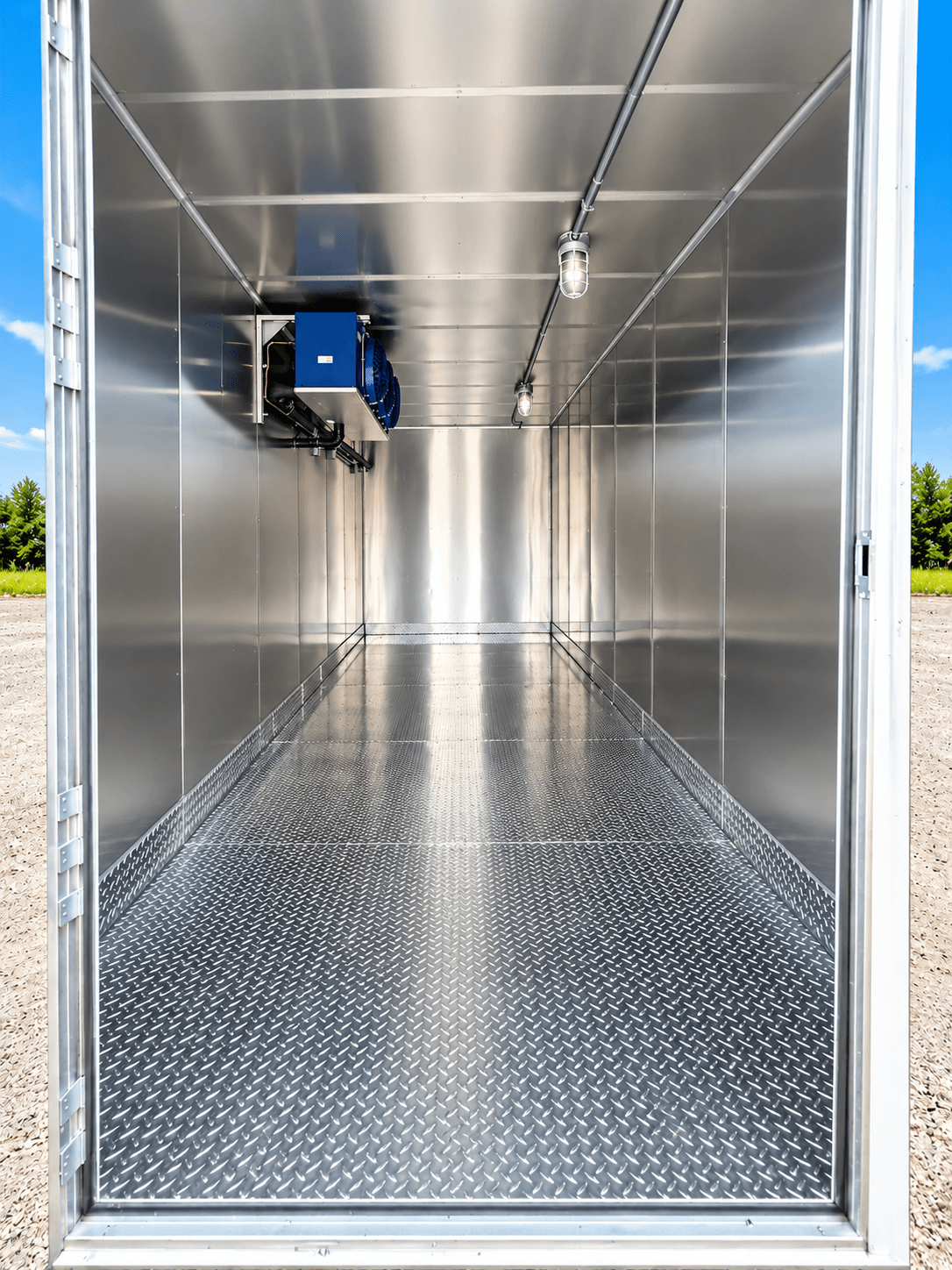
Compare the equipment
These published examples describe named company units. The supplied equipment, configuration and availability are confirmed for your project address.
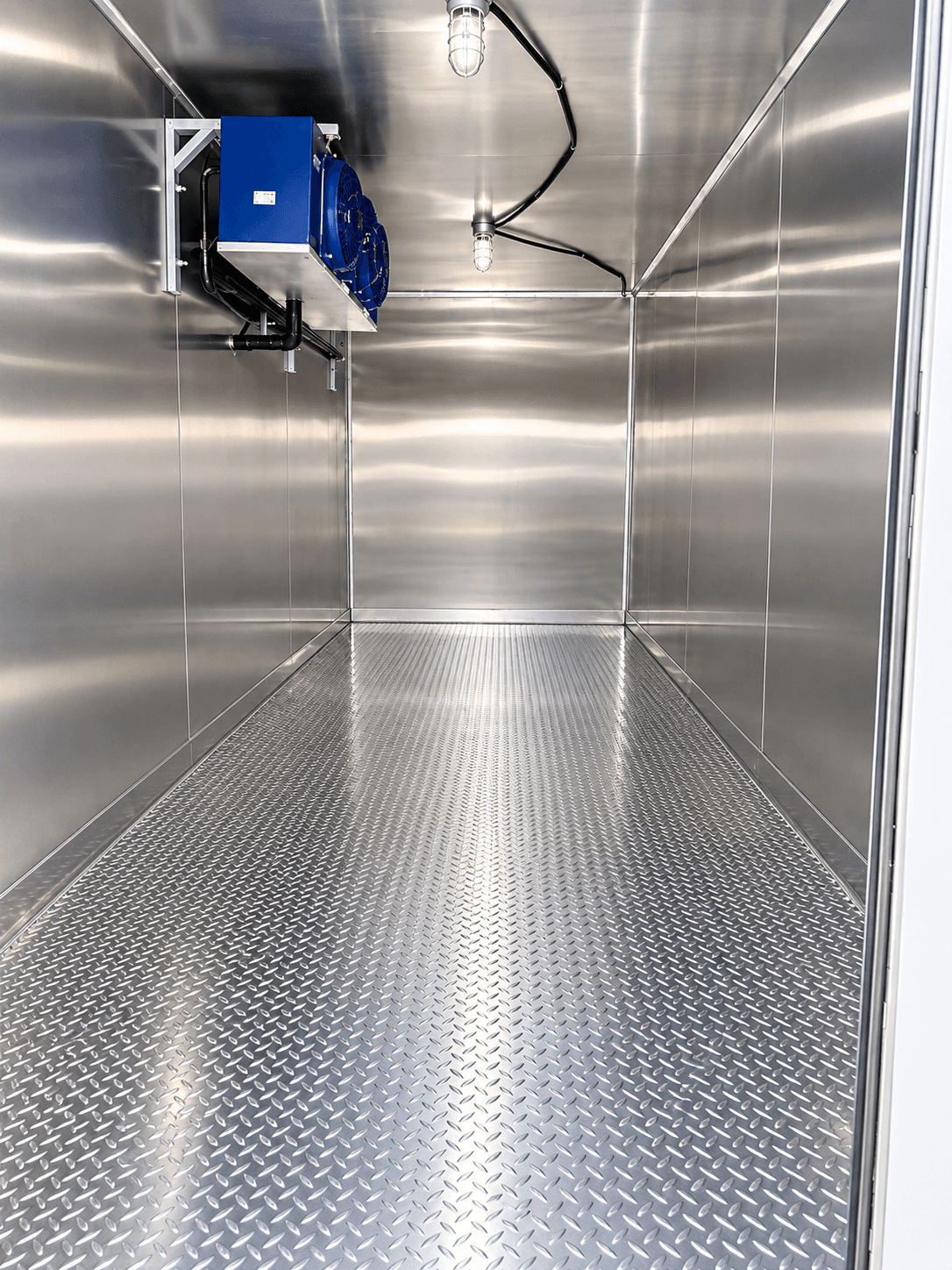
Listed refrigeration trailer equipment: condensing unit, amps panel, lighting.
Equipment records reviewed October 19, 2026. Temperature labels are inventory labels, not verified operating ranges. Nominal length is a model label, not a measure of usable space or site footprint.
Arizona’s 2022 NOAA climate summary records damaging rain around the Phoenix area in September 2014. That is regional history, rather than evidence that a particular Buckeye property flooded. It encourages a practical question when emergency refrigeration is needed: has the site contact checked access and utilities, or is the problem limited to one failed cooler?
For an illustrative Buckeye food operation, make a short record of products still held in functioning cold storage and products awaiting another location. Keep chilled and frozen requirements separate. Explain whether kitchen preparation and dishwashing continue inside. A proposed refrigerated unit must be reviewed against those conditions; an old weather account cannot determine today’s equipment availability or authorize a delivery.
The 20ft Refrigerated Container guide fits a project like this one, focused on commercial changeovers, and walks through protection for the power connection as well as after-hours access to the unit.
Buckeye’s fiscal 2026–2030 capital program describes finding a site for a City Hall campus and preparing a design concept report. It is an early planning example, not a completed building or a refrigeration booking. The distinction matters to commercial operators whose own construction timetables still depend on design and site decisions.
Several neighboring guides cover situations that resemble parts of an inquiry from Buckeye. Avondale’s guide is organized around repairs and renovation, citing the City of Avondale entry “FY2026 budget”. A separate comparison is Goodyear’s guide, which covers temporary stock relocation. Treat each as background for your own questions rather than a description of conditions in Buckeye.
Before requesting a cold-storage lease for a new Buckeye premises, identify the milestone that would actually make stock storage necessary. A tender date, first foundation work and first food delivery are different events. Describe any proposed kitchen facility and dishwashing area separately so that space and utility questions are considered before the refrigerated position is treated as settled.
A military food-service manager in Buckeye or Litchfield Park, Arizona, can explain the largest anticipated stock overlap rather than use the number of meals as the entire requirement. Explain the food transfer and handover between staff, keeping the actual dining requirement visible alongside the proposed equipment and transport arrangements.
The city’s 2024–2025 budget reports work on reconfiguring office space at the Dr. Saide Recreation Center and completed tenant improvements at Sundance Crossings. Those dated municipal examples show the difference between adapting an existing room and developing a new site. They do not establish that either location used temporary refrigeration.
A Buckeye commercial refurbishment might remove a cold room before another area is ready. Mark the stock displaced in each phase and identify which cooler remains usable. If kitchen work changes the production schedule, reassess receiving quantities rather than carrying over the old order. Include dishwashing connections where relevant, with responsibility for the proposed refrigeration services stated in the project discussion.
A project in Litchfield Park needs the entrance for that property, even when a Buckeye manager handles purchasing. An Avondale operation may have a separate receiving contact; a Surprise site should supply its own unloading and stock-retrieval information. These Census place references help describe inquiries without suggesting shared delivery arrangements or completed company jobs.
For Buckeye refrigerated storage, explain what staff and suppliers need to do around the proposed position. Identify gates, measured restrictions and any work area that changes between phases. Keep required exits clear in the layout review. A kitchen or dishwashing proposal belongs on that same drawing if it competes for access, while current official instructions govern any emergency restrictions.
Send your preferred start, estimated finish, stored products and required conditions with the Buckeye address. Explain why refrigeration is needed and which dates remain uncertain. The equipment, transport arrangements, charges and rental terms must be confirmed for the actual project. Published municipal budgets and historical website prices are not current offers for your site.
Review what happens when permanent cold storage returns to service. Goods may need to move back before collection is practical, and the revised timetable should be discussed. Ask how extensions or changes would affect the proposal. A useful quote connects the refrigerated arrangement to your operation instead of assuming that the contractor’s latest estimated finish is an agreed rental end.
Before you book
No. Current conditions and instructions need review for the property. Explain the refrigeration interruption and any confirmed restrictions; an alert or past event cannot establish a booking, a clear approach or a response deadline.
Yes, when those functions are displaced. Explain food preparation and ware cleaning separately from the stock-holding requirement so the proposed arrangement addresses the actual work. The layout and available services still need project review.
Tell the team when the repair estimate changes and ask about revised cold-storage terms. A longer period or different collection date needs agreement; the original inquiry does not automatically reserve equipment for an open-ended project.
These public references inform the planning examples; equipment availability and delivery arrangements are confirmed for your address.
Temporary refrigeration, kitchens and dishwashing can support many kinds of food-service operations. Each setting below starts with its own schedule, stock and site questions, and every project is reviewed individually.
Hotels, restaurants and resorts can plan temporary refrigeration around breakfast, banquet and dinner service when a walk-in cooler fails or a kitchen is refurbished.
Hospital, nursing home and care-facility kitchens can describe meal schedules, delivery times and displaced stock so temporary storage follows the food-service routine.
Municipal, county and public-building food-service teams can outline receiving arrangements, responsible contacts and project dates before a quote is prepared.
Dining facility managers can explain the products displaced, the receiving arrangements and the proposed period, then review availability and terms with our team.
Schools, colleges and universities can plan around term dates, serving windows and campus kitchen renovations so meal service can continue during repairs or construction.
Plant cafeterias and employee dining areas can describe shift patterns and staged building work so temporary cold storage can be reviewed against the working schedule.
Caterers and venues can plan preparation windows, event days and overflow ingredients, and describe how stock moves between storage, the kitchen and service.
Producers, wholesalers and distributors can describe loading, staging and storage needs when a cooler breaks down or demand temporarily exceeds capacity.
These examples describe planning situations. Equipment, availability and terms are confirmed in a project quote.
Cold storage is only one part of a project. These are the questions we work through with you before anything is booked.
Start with refrigerated containers and refrigeration trailers, then add a temporary kitchen or dishwashing trailer when the project needs one, all in a single conversation.
Access, utilities and the intended position are reviewed before delivery is arranged, so the equipment is matched to your site rather than the other way around.
Whether a walk-in cooler failed this morning or a renovation is months away, describe the real situation and plan around the stock, dates and people involved.
Planning guides cover all 50 states and more than 700 cities. Your address is then confirmed for equipment and delivery.
Use the rental calculator for a rate-range estimate and setup amount, then request a project quote that confirms availability, transport and the rental period.