BXRT20–1Refrigerated trailer
- Nominal length
- 20ft
- Listed electrical supply
- 220V · single-phase · 40–60A
- Inventory temperature label
- 32°F
Temporary cold storage in Peoria, Arizona
Peoria refrigerated container rentals give commercial kitchens another storage option to explore when a walk-in fails or a planned project closes permanent refrigeration. Worldwide Refrigerated Container Rental Facilities serves Arizona with refrigeration trailers, portable coolers and freezers, alongside related kitchen and dishwashing inquiries. The temporary arrangement should follow the products displaced, incoming supplies and the way staff retrieve them through service. Short rentals and longer lease discussions can cover different stages of that work. Share your delivery address, storage conditions, available position and dates to discuss equipment, delivery coordination, current availability and a project quote.
Emergency cooler or freezer failure in Peoria? A person answers rental inquiries 24/7. Availability and delivery timing are confirmed in your quote.
Plan your rental budget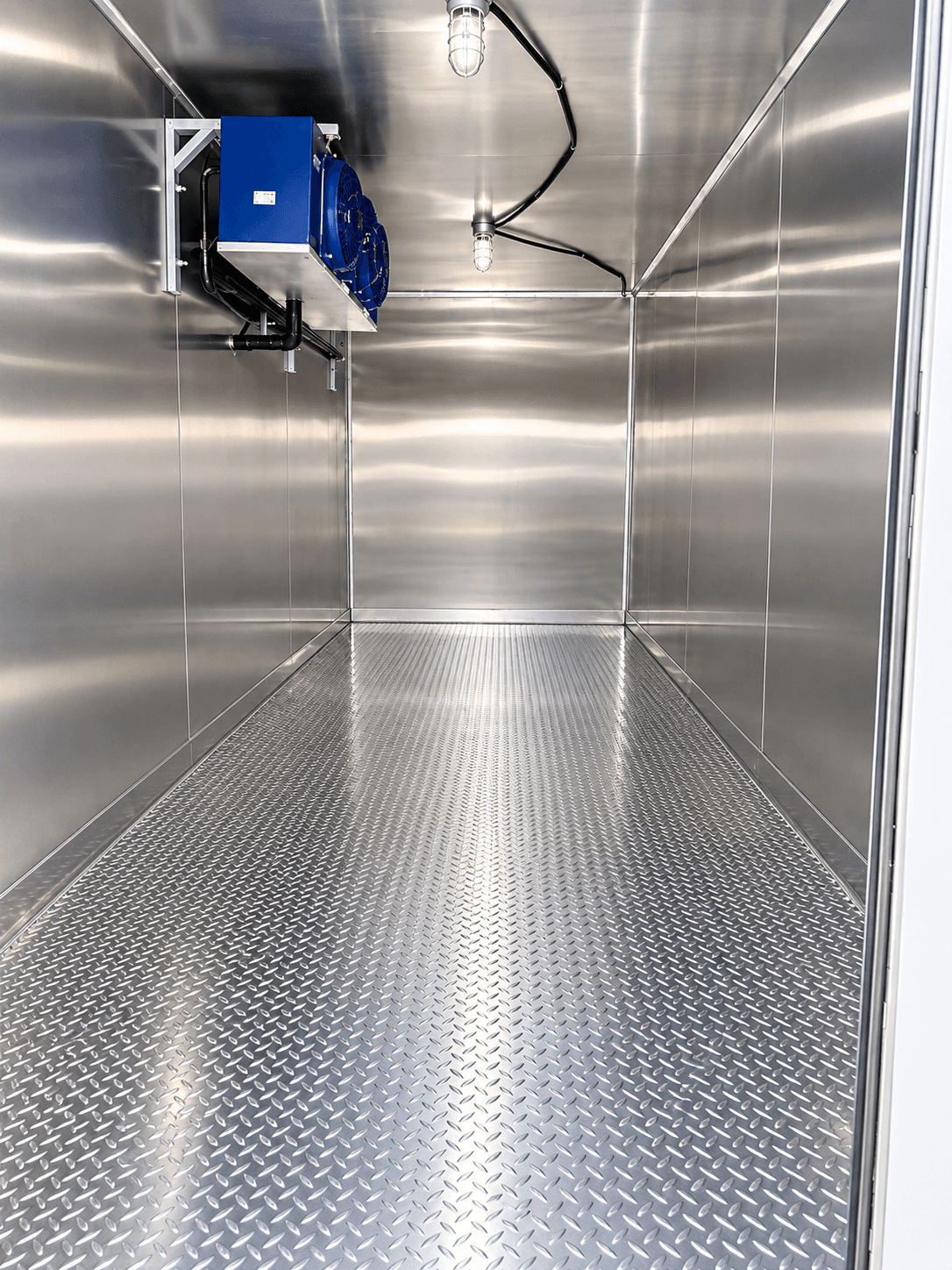
Compare the equipment
These published examples describe named company units. The supplied equipment, configuration and availability are confirmed for your project address.
Listed refrigeration trailer equipment: condensing unit, amps panel, lighting.
Equipment records reviewed October 19, 2026. Temperature labels are inventory labels, not verified operating ranges. Nominal length is a model label, not a measure of usable space or site footprint.
A restaurant or facility interruption can leave some permanent storage usable while other products need another location. Identify those goods first, then include incoming orders and supplies reserved for later service. The busiest overlap may not match the ordinary contents of one room. Keep chilled and frozen requirements separate so the equipment discussion reflects the products being held.
For Peoria projects, describe packaging and retrieval routines as well as quantity. Some staff may collect smaller batches repeatedly while other teams receive larger loads or reserve supplies for a later shift. Those patterns help explain the working layout rather than simply request an enclosure with a familiar overall footprint.
Read the 20ft Refrigerated Container guide alongside this page when planning commercial stock planning; it looks at one resting place for the whole project and at the ground and drainage beneath the unit.
A Surprise catering inquiry can peak before guests arrive, when advance orders overlap with preparation. A Peoria equipment repair may instead start with stock already displaced and deliveries still due. These different operating sequences give temporary refrigeration a practical purpose. Keep the actual address attached to the goods rather than combining their quantities without explaining how each kitchen works.
Readers in Peoria may also want to compare how other nearby cities approach their projects. Glendale’s guide focuses on institutional food-service work, and a separate reading is Phoenix’s guide on walk-in breakdowns. Treat each as background for your own questions rather than a description of conditions in Peoria.
For an El Mirage refurbishment, describe the rooms remaining usable and products moved in each phase. A Youngtown replacement can show the first transfer and gradual return inside. These nearby community settings make the regional coverage discussion useful when individual loads, site facts and periods stay clear rather than assuming separate properties need one layout or common transport arrangement.
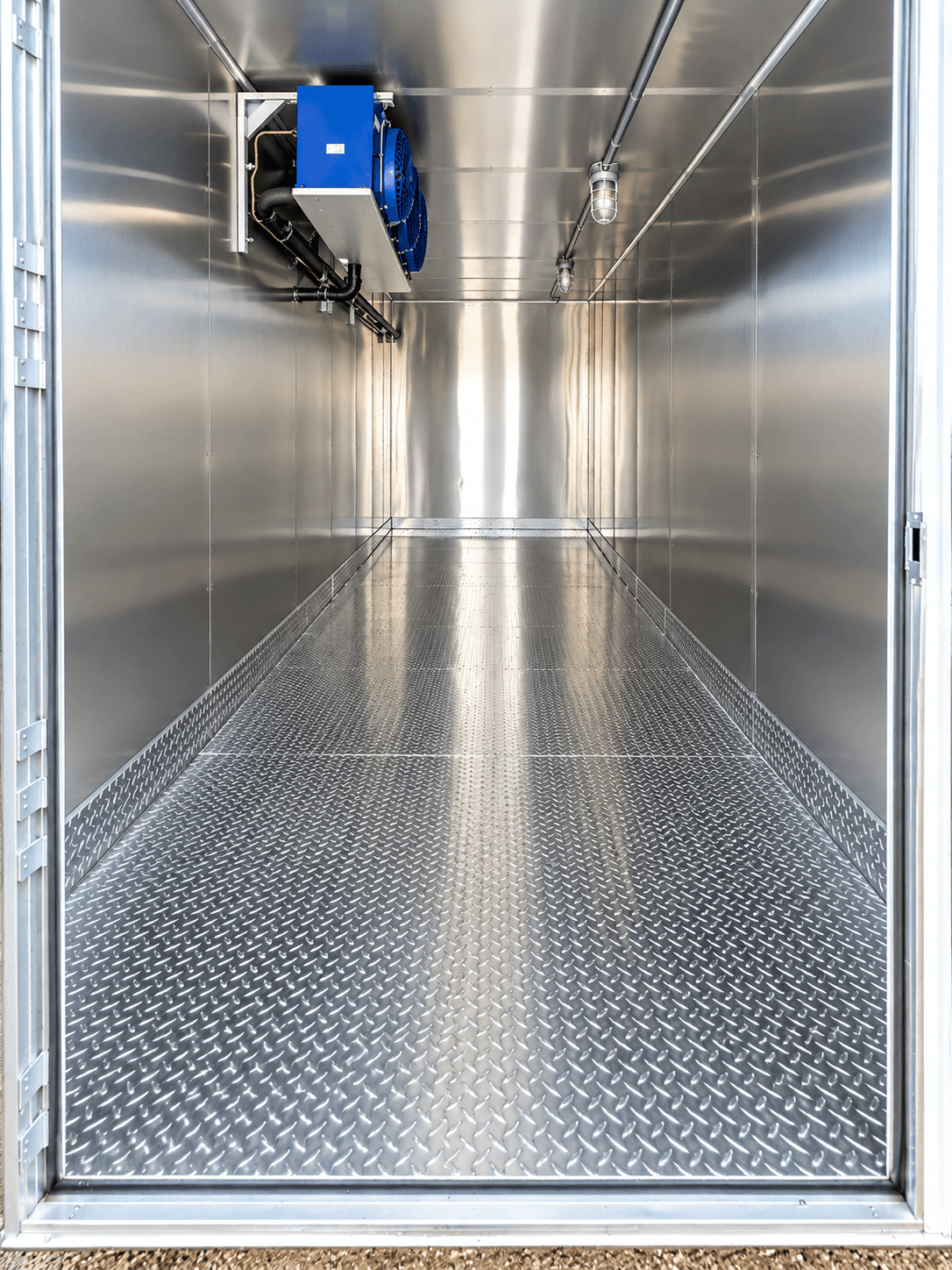
During military dining repairs in Peoria or El Mirage, Arizona, the return of supplies to permanent rooms can form a separate stage after the building work is finished. Bring the dining and property contacts into the same planning discussion so the proposed equipment arrangement reflects the actual receiving requirement.
The receiving point and preparation route can compete for the same property space. Describe supplier unloading, frequent smaller retrievals and other activity sharing the proposed temporary entrance. Goods needing clear access or separate identification also help explain the layout, even when the total quantity remains similar through the day.
Known measurements and site services connect that operating task with the equipment proposed. Use the specific unit’s actual information for connection questions instead of inferringring compatibility from a photograph. If cooking or dishwashing also needs temporary space, include those as separate functions related to receiving and refrigeration without assuming an included package or identical configuration for every requirement.
NOAA describes Arizona with lower hot deserts, higher cooler areas and terrain-related precipitation contrasts, including variable monsoon rainfall. Those statewide facts provide background, not a forecast for Peoria or proof of a particular unit’s performance. Include the actual proposed position, intended period and the site’s arrangements for changing conditions.
A longer refurbishment may alter staff movement or nearby activity before the project ends. Describe those stages with the products’ required conditions and known services. Information for the actual equipment establishes the practical arrangement; regional context helps frame questions without replacing the operating and site facts needed to consider the temporary storage job.
Permanent rooms may reopen before every product returns inside. Some goods stay temporarily while other supplies move and regular deliveries continue. Explain that sequence so the expected period follows actual use of the store rather than ending automatically at the first repair or construction milestone.
A Peoria quote should establish equipment, current availability, charges, transport, responsibilities and change terms for the address. Separate confirmed dates from an estimated finish where needed. A short rental or longer lease can then be considered against the whole transition without treating the initial inquiry or timetable as an agreed booking commitment for an uncertain period.
Before you book
Identify what it continues to hold and which products need another location. Include incoming orders and later work phases. This gives equipment selection a clearer remaining load than assume all refrigeration capacity at the property needs complete simultaneous replacement throughout the entire project.
Small batches collected repeatedly and larger reserved supplies can need different access priorities. Describe their packaging and the busiest overlap alongside quantity. These details make the proposed layout more useful to discuss than a combined volume that does not show how staff use the store.
Describe the expected transfer, including products remaining temporarily and supplier orders arriving between stages. This connects the proposed period with actual storage use. Confirm the commercial terms in the quote rather than assuming one repaired room or construction date explains when every temporary requirement ends.
These public references inform the planning examples; equipment availability and delivery arrangements are confirmed for your address.
Temporary refrigeration, kitchens and dishwashing can support many kinds of food-service operations. Each setting below starts with its own schedule, stock and site questions, and every project is reviewed individually.
Hotels, restaurants and resorts can plan temporary refrigeration around breakfast, banquet and dinner service when a walk-in cooler fails or a kitchen is refurbished.
Hospital, nursing home and care-facility kitchens can describe meal schedules, delivery times and displaced stock so temporary storage follows the food-service routine.
Municipal, county and public-building food-service teams can outline receiving arrangements, responsible contacts and project dates before a quote is prepared.
Dining facility managers can explain the products displaced, the receiving arrangements and the proposed period, then review availability and terms with our team.
Schools, colleges and universities can plan around term dates, serving windows and campus kitchen renovations so meal service can continue during repairs or construction.
Plant cafeterias and employee dining areas can describe shift patterns and staged building work so temporary cold storage can be reviewed against the working schedule.
Caterers and venues can plan preparation windows, event days and overflow ingredients, and describe how stock moves between storage, the kitchen and service.
Producers, wholesalers and distributors can describe loading, staging and storage needs when a cooler breaks down or demand temporarily exceeds capacity.
These examples describe planning situations. Equipment, availability and terms are confirmed in a project quote.
Cold storage is only one part of a project. These are the questions we work through with you before anything is booked.
Start with refrigerated containers and refrigeration trailers, then add a temporary kitchen or dishwashing trailer when the project needs one, all in a single conversation.
Access, utilities and the intended position are reviewed before delivery is arranged, so the equipment is matched to your site rather than the other way around.
Whether a walk-in cooler failed this morning or a renovation is months away, describe the real situation and plan around the stock, dates and people involved.
Planning guides cover all 50 states and more than 700 cities. Your address is then confirmed for equipment and delivery.
Use the rental calculator for a rate-range estimate and setup amount, then request a project quote that confirms availability, transport and the rental period.