Compare the equipment
Specifications for your rental planning
These published examples describe named company units. The supplied equipment, configuration and availability are confirmed for your project address.
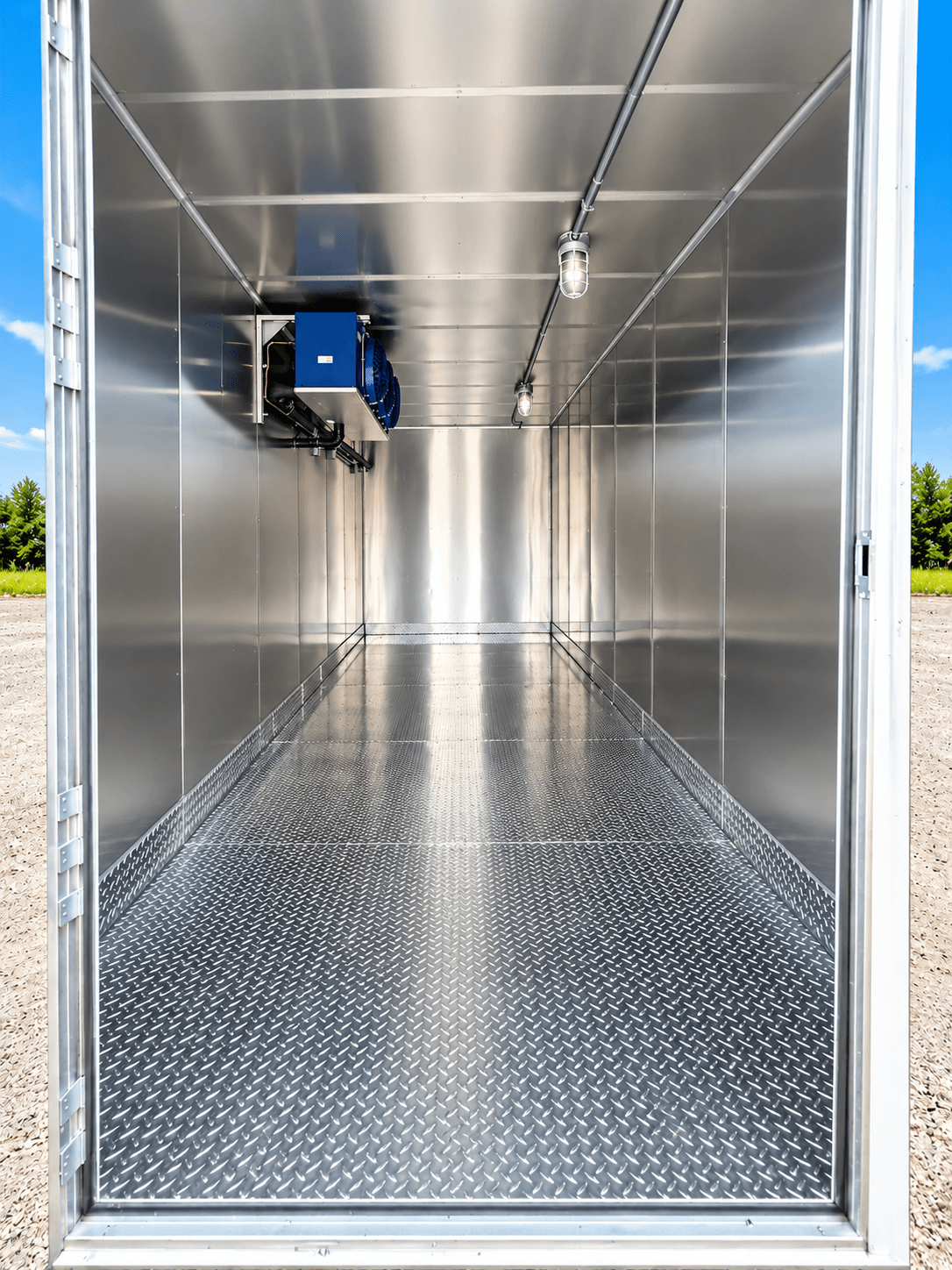
BXRT20–1Refrigerated trailer
- Nominal length
- 20ft
- Listed electrical supply
- 220V · single-phase · 40–60A
- Inventory temperature label
- 32°F
MT1Refrigerated trailer
- Nominal length
- 20ft
- Listed electrical supply
- 220V · single-phase · 40–60A
- Inventory temperature label
- 15°F
LT2Refrigerated trailer
- Nominal length
- 20ft
- Listed electrical supply
- 220V · single-phase · 40–60A
- Inventory temperature label
- -5°F
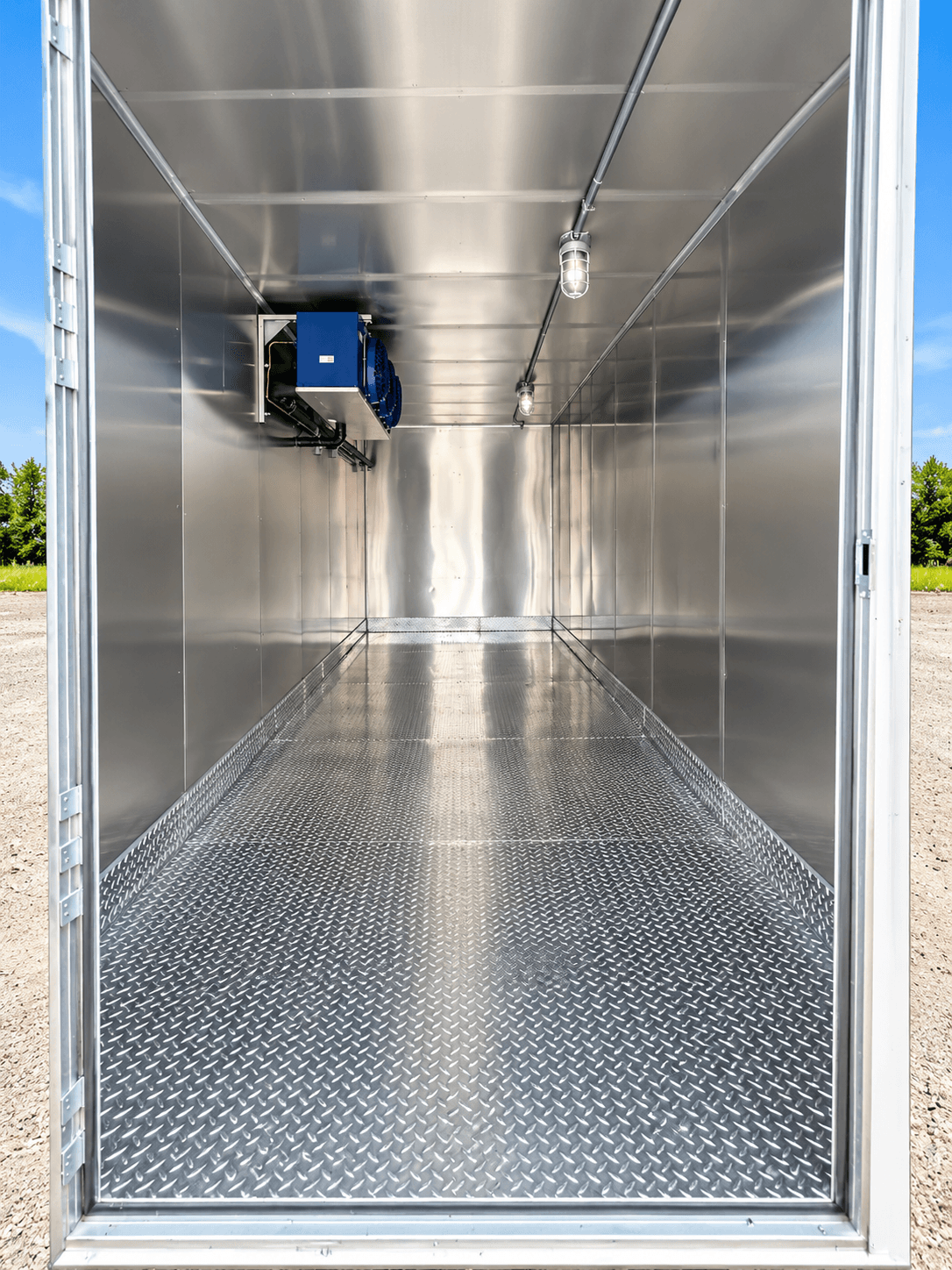
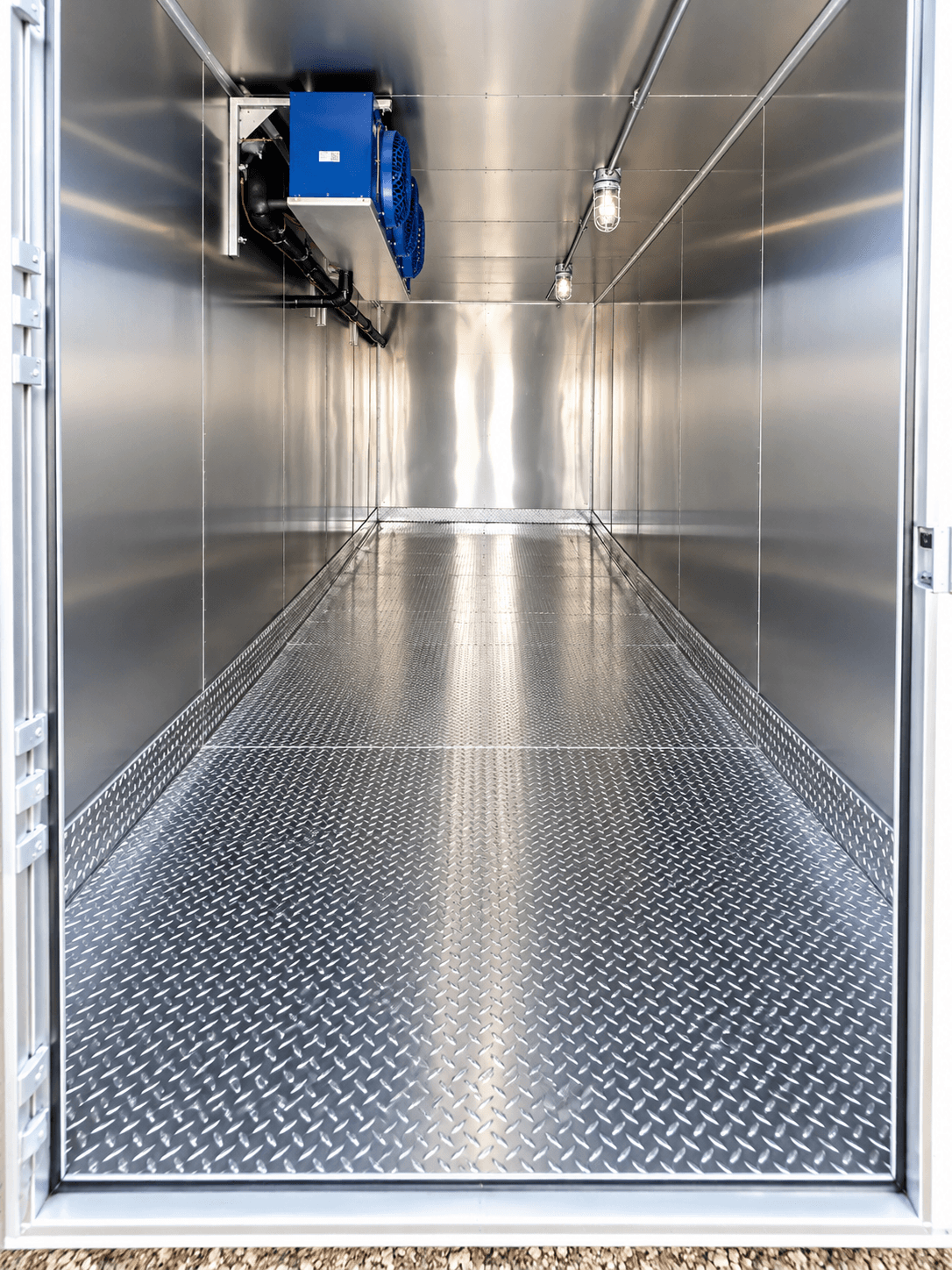
Listed refrigeration trailer equipment: condensing unit, amps panel, lighting.
Other cold-storage model details
- 12FT Refrigerated TrailerBXRT12–1 and BXRT12–2 list 220V · single-phase · 40–60A and a 32°F inventory label. Both are named as 12ft models, but their records also mention 20ft, so your quote confirms the length.
- 20FT Refrigerated ContainerYour quote confirms this container’s power, temperature and storage space for your project.
- 40FT Refrigerated ContainerYour quote confirms this container’s power, temperature and storage space for your project.
Equipment records reviewed October 19, 2026. Temperature labels are inventory labels, not verified operating ranges. Nominal length is a model label, not a measure of usable space or site footprint.
Separate committed orders from the service forecast
The service operations planner needs to distinguish ingredients for confirmed orders from demand still being forecast. Connect each possible increase with its decision date and the person who can confirm it. When demand changes, reconcile the stock already received and the next acknowledged delivery. A larger forecast does not by itself establish a larger booked load or a particular equipment size.
Compare the holding example with the busiest confirmed load
MT1 in the 20FT Refrigerated Trailer guide lists a condensing unit, amps panel and lighting, with a 15°F inventory label. That label is not a complete operating range or approval for every ingredient expected during a busy period. The responsible product contact supplies the required conditions.
A refrigerated container provides nominal 20ft and 40ft alternatives whose usable capacity, temperature capabilities and electrical requirements remain unconfirmed.
Compare the offered refrigeration trailer or container with confirmed supplier cases, frequently retrieved ingredients and any separate stock still awaiting a demand decision. A service-volume forecast does not establish the interior layout or holding capability of an offered unit.
Connect industrial meal shifts with your rental plan
Industrial employers planning staged works in Huntington Beach or at a separate Vermont workplace may need employee meal arrangements that adjust as occupied areas change. Plan how ingredient orders will be reviewed if facilities work changes, with a named person responsible for updating suppliers and shifts.
Keep the later collection route usable
Mark barriers, parked materials and work phases that could change access before collection. Identify who controls that route and updates it. The first-day position needs review against the later site arrangement too.
Keep distinct product requirements identifiable
Retain the product owner’s conditions, arrival state and separation procedures for each group. A combined inventory total should still show which goods can be considered together and which require their own equipment review.
Review the electrical entries before adding another task
MT1 lists 220V single-phase at 40–60A; K27 lists 220V single-phase at 200–220A; DTC1 lists 220V single-phase at 300A. These are named-unit entries, not interchangeable connections. The responsible site professional needs selected-unit requirements and exact connectors, with preparation responsibilities and any additional supply arrangement identified separately for review.
Connect demand changes with the operating period
Record when stock arrives, when demand becomes committed and what remains after service. A revised forecast may change quantity or timing independently. Review extensions and collection against the acknowledged requirement and offered terms.
Keep acceptance decisions with the product owner
Put the actual equipment information beside product requirements, retrieval frequency and incoming loads. The responsible stock contact decides which checks and records are needed. Revisit that comparison when products or the offered unit change.
Compare cooking and washing roles without assuming throughput
If cooking also moves, K27 in the 40FT Bulk Kitchen Trailer Rental guide lists a double-stack convection oven, deep fryer, tilting skillet, griddle/oven, six-burner range/oven, reach-in refrigerator/freezer and walk-in cooler. Its cooler does not specify the usable capacity or connections of a separate refrigerated container.
DTC1 in the 38FT Conveyor Dishwashing Trailer Rental guide lists a high-temperature conveyor dishwasher, soil tray, prep table, racks, sinks and water heater. No throughput figure is documented for that example. Keep returned items and clean-item collection separate from ingredient retrieval, with unit instructions, change approvals and a contact for equipment questions available to each shift.
Quote the confirmed requirement and keep forecasts identifiable
Request current availability and a quote covering the offered equipment, rental period, delivery, collection and additional items. Keep outstanding demand, product and site decisions with the proposal. When a forecast becomes a confirmed order, explain the change in stock overlap or timing before assuming the earlier scope still describes the work.
Contact Worldwide Refrigerated Container Rental Facilities at +1 877-804-5153. Share your stock, site and dates, then ask about current equipment availability, rental or lease terms, delivery arrangements and a quote.
Separate confirmed demand from a possible busy period
For changing service volumes, the service operations planner can distinguish committed orders from demand the business is still forecasting. Connect each to the ingredients it would require and note when a decision is expected. This makes uncertainty visible without inflating a normal stock count into an assumed equipment specification or treating every possible order as confirmed.
At the next planning review, reconcile which demand became committed, which was removed and which remains open. Identify the resulting change in stock overlap and the person who can explain it. Send that revised description to the equipment contact if it affects the inquiry. Keeping the original assumptions alongside the update helps the next planner understand why the storage request changed, rather than simply inheriting a larger unexplained quantity.
Discuss your cold storage rental.
Confirm the equipment, delivery location, and rental period that fit your project.
Request availability