BXRT20–1Refrigerated trailer
- Nominal length
- 20ft
- Listed electrical supply
- 220V · single-phase · 40–60A
- Inventory temperature label
- 32°F
Temporary cold storage in Waipahu, Hawaii
Waipahu refrigeration rentals can give a commercial kitchen temporary storage after a walk-in cooler or freezer fails, as well as during planned repairs and room renovations. Refrigerated containers, refrigeration trailers, portable coolers and freezers can support the products needing holding. Restaurants, caterers, schools and workplace dining teams can explore short-term rentals or longer leases with Worldwide Refrigerated Container Rental Facilities. Related mobile kitchen and dishwashing trailers can support preparation and cleanup if the work affects those functions. Equipment and delivery coordination follow the actual property, required conditions and complete operating period. Request availability and a Waipahu project quote from our team.
Emergency cooler or freezer failure in Waipahu? A person answers rental inquiries 24/7. Availability and delivery timing are confirmed in your quote.
Plan your rental budget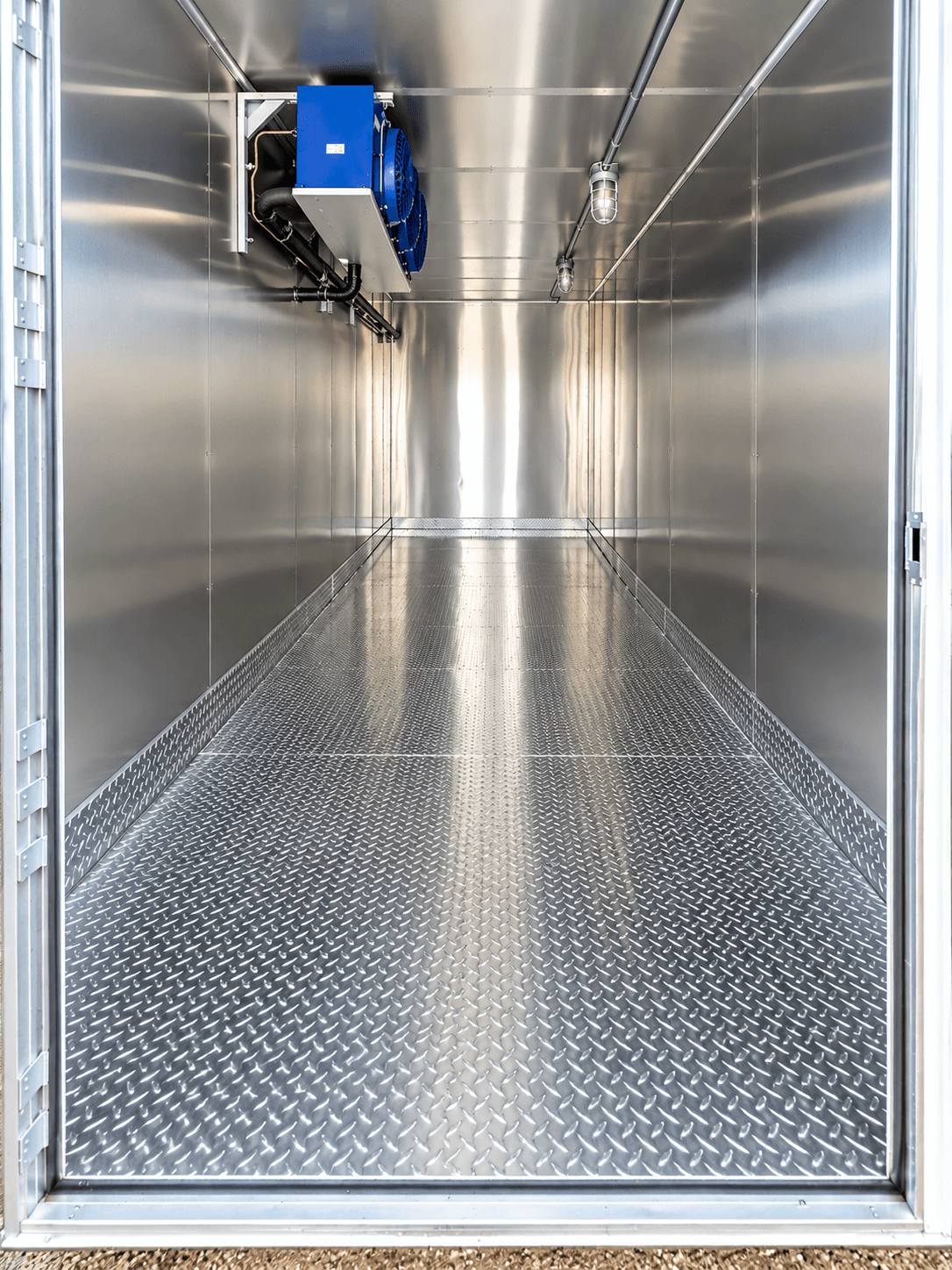
Compare the equipment
These published examples describe named company units. The supplied equipment, configuration and availability are confirmed for your project address.
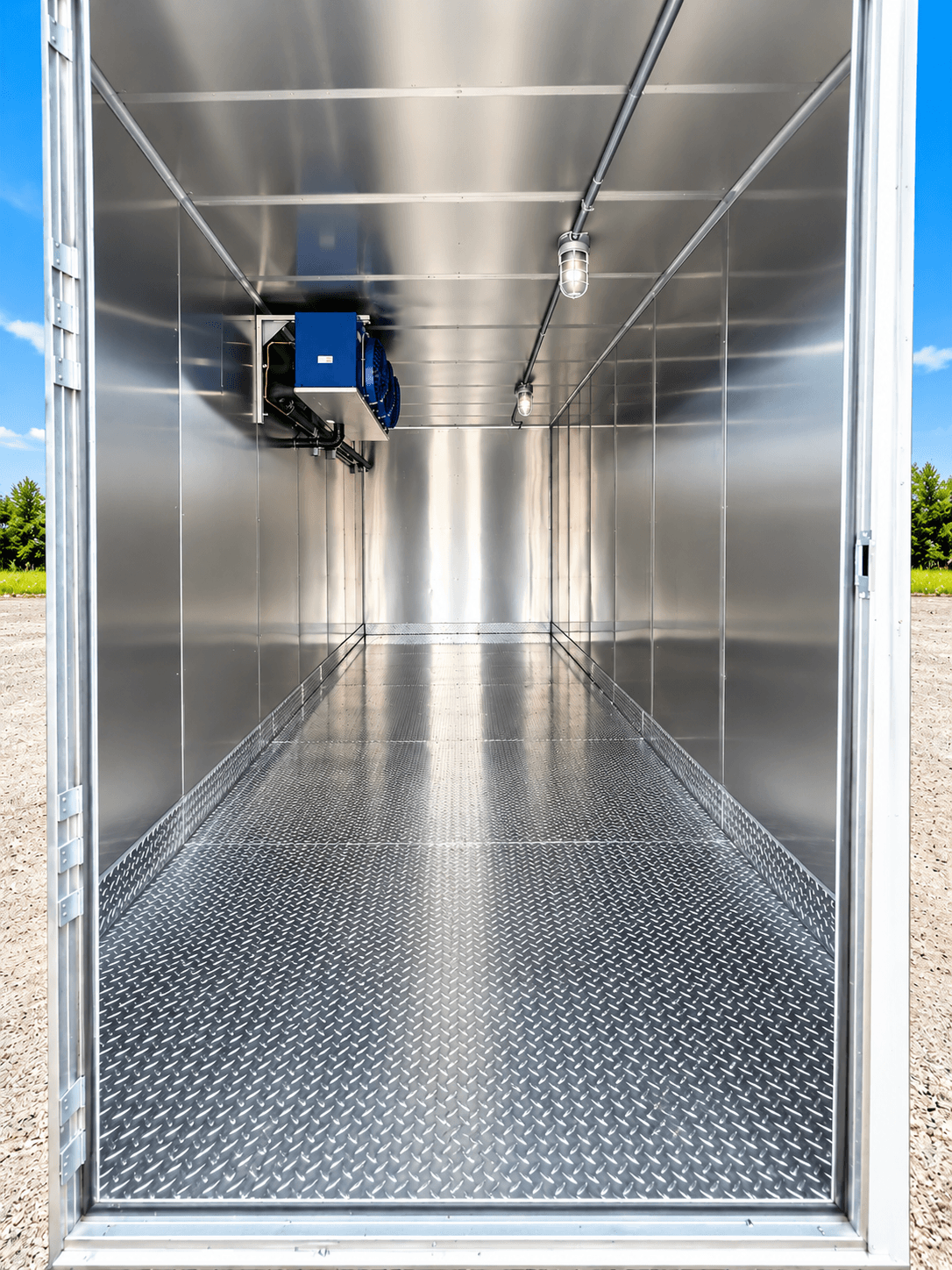
Listed refrigeration trailer equipment: condensing unit, amps panel, lighting.
Equipment records reviewed October 19, 2026. Temperature labels are inventory labels, not verified operating ranges. Nominal length is a model label, not a measure of usable space or site footprint.
Commercial refrigeration problems in Waipahu rarely wait, so a hospital food-service department may ask about a refrigerated container rental as soon as a walk-in cooler or freezer breaks down. The same equipment can be rented for a few days or leased for several months, depending on how long the permanent storage will be out of service. If cooking is also interrupted, a mobile kitchen trailer rental can sit beside the refrigeration, and a dishwashing trailer for rent can handle returned dishes.
Refrigeration is an emergency need: when a commercial walk-in freezer or refrigeration unit breaks down, the call is an emergency, and a person answers rental inquiries 24/7. Food-service managers, facility teams and plant supervisors can report a refrigeration failure at any time, since rental inquiries are answered by a person 24/7. Businesses in Waipahu and across the state, including those in Kapolei, Kaneohe, Kailua and Kahului, can ask about emergency rentals or longer leases using the same inquiry. Availability, delivery arrangements and the rental period are confirmed in the quote for each address.
The Merrie Monarch Festival is a week-long hula festival held in Hilo each year after Easter, centered on the Edith Kanakaʻole Multi-Purpose Stadium, and a 2019 Civil Beat report described its economic impact on the Big Island as a roughly $6 million bonanza. Hospitality operators in Kihei can rent mobile refrigeration for an event or lease modular cold storage during a renovation. Event refrigeration is quoted by the day or the week: portable refrigerated trailers for a weekend, trailer leasing for a full season. Onsite temporary facilities can include portable refrigeration, trailers for rent and, if dishes are affected, a dishwashing trailer. The context above comes from public sources and does not describe a completed job; availability and delivery are confirmed in the quote.
The 2018 Kīlauea lower Puna eruption began on May 3, 2018, and lava destroyed 716 dwellings, according to a USGS Hawaiian Volcano Observatory summary based on Hawaiʻi County counts, covering 13.7 square miles of land and about 30 miles of road. A failed commercial walk-in freezer after an outage is an emergency call, and walk-in coolers, walk-in freezers and refrigerated trailers are the first rentals discussed. Commercial refrigeration rentals are quoted for the actual address, so power, access and the rental period are confirmed before delivery. This is published public context, not company work; each request is quoted for its own address and dates.
Segment 3 of Honolulu’s Skyline rail is a $1.66 billion design-build contract with Tutor Perini, and a September 2026 report said the first column and cap along Nimitz Highway marked the project’s move into the urban core, with major construction expected to finish in 2030. A long-term refrigeration trailer lease keeps supplies cold on site for the whole project, with power and access reviewed before delivery. Refrigeration is an emergency need: every call about a failed commercial walk-in freezer or refrigeration unit is an emergency call. A dishwashing trailer lease can be added to the same quote when returned dishes also need washing. Mobile kitchens, dishwashing trailers and refrigerated trailers for rent can be quoted together as temporary facilities. Nothing here assumes available equipment or a delivery time; a person answers rental inquiries 24/7 and the quote confirms the details.
A dishwashing trailer lease can be added to the same quote when returned dishes also need washing. Refrigeration containers are often chosen for long-term storage, while refrigerated trailers are chosen for short-term emergencies; both can be rented. Emergency refrigeration for commercial kitchens often starts with a portable refrigerated trailer and ends with a longer lease if repairs take time. Modular and portable cold storage can be discussed in stages when a site needs more space than one refrigerated trailer provides.
Onsite temporary facilities can include portable refrigeration, a mobile kitchen trailer and, if dishes are affected, a dishwashing trailer. Mobile kitchens, dishwashing trailers and refrigerated trailers for rent can be quoted together as temporary facilities. In Waipahu, emergency refrigeration usually means a refrigerated trailer, a refrigeration container or a portable walk-in cooler matched to the stock. Short-term or long-term, the same refrigerated trailer rental starts from the address, the stock and the dates.
Portable refrigerated trailers, refrigeration containers and outdoor walk-in refrigeration units can all be discussed for the same emergency. Outdoor walk-in refrigeration can be set up beside the building as temporary facilities, so staff keep working while the permanent walk-in cooler or walk-in freezer is repaired. Outdoor walk-in refrigeration needs level ground and power nearby, so a long-term lease starts with a site conversation. Temporary facilities for a commercial site usually mean refrigeration first, then a mobile kitchen or dishwashing trailer if cooking or washing is also interrupted.
A mobile kitchen trailer for rent can sit beside onsite refrigeration, so cooking and cold storage are planned together. Emergency refrigeration, onsite and temporary, is meant to bridge the gap until the commercial walk-in freezer is repaired or replaced. Mobile refrigeration, mobile kitchens and mobile dishwashing trailers are different equipment, and each can be rented separately or together. For Waipahu kitchens, plants and warehouses, trailer leasing and trailer rentals are two ways to get the same portable refrigerated storage.
Dishwashing and kitchen outages often arrive together, so dishwashing trailer rentals and a mobile kitchen for rent are quoted beside emergency refrigeration. A portable refrigerated trailer suits most emergency calls, while a refrigeration container fits a longer, more stationary need. A commercial walk-in freezer failure in Waipahu is an emergency call, and onsite temporary refrigeration is how most such calls begin. When cooking and dish washing stop with the walk-in freezer, a mobile kitchen, a dishwashing trailer and portable refrigeration can be one request.
Dishwashing trailer rentals and kitchen trailer rentals can be quoted alongside refrigerated trailers for rent when the whole kitchen is down.
Temporary space is most effective when the kitchen knows which goods belong there. Set aside a clear purpose: ingredients for a project menu, stock displaced by a renovation or products waiting for an upcoming service. Explain how frequently staff need access. A simple product map avoids creating a remote pile that staff must search whenever preparation changes.
For a Waipahu kitchen coordinating food preparation in Honolulu, identify which address receives each supplier order and where the goods remain until use. A Waikele event may have a shorter holding period than a West Loch Estate facility renovation. Include those separate patterns when they form part of the project, so the proposed cold storage follows the products rather than a combined estimate with no clear destination.
List product categories and their required conditions before selecting a format. Case dimensions, stacking restrictions and staff movement influence the space required. Discuss refrigeration trailers, refrigerated containers and walk-in coolers using the confirmed interior layout of the offered equipment. Include the largest item that must pass through the entry and any carts used for daily handling.
Several neighboring guides cover situations that resemble parts of an inquiry from Waipahu. Pearl City’s guide is organized around continuous food-service service. A separate comparison is Mililani Town’s guide, which covers food-service upgrades. Neither guide describes Waipahu itself, and both depend on their own site details.
A freezer load should be described separately, even when chilled storage is also required. Ask what configuration is proposed and how it will accommodate the working routine. Do not assume a photographed unit establishes the exact equipment available for the booking. The quotation and equipment confirmation should identify the arrangement being considered for your use.
A military dining inquiry in Waipahu or West Loch Estate, Hawaii, can distinguish reserved ingredients from supplies employees retrieve repeatedly throughout an ordinary sequence of preparation and service. Ask the responsible dining lead to describe reserved stock and repeated ingredient retrieval before comparing the practical use of proposed temporary equipment.
A scheduled renovation may close more than the refrigerator itself. Flooring work, changes to receiving or replacement kitchen equipment can affect how food reaches preparation. Explain those phases along with the storage requirement. The proposed outdoor position should leave contractors a workable route while staff continue moving the products needed for service.
For an unplanned failure, begin with the most urgent facts: address, product types, quantity and the next operating deadline. Follow established food-safety procedures for affected goods. Once equipment options are confirmed, give staff a transfer order that keeps priority ingredients reachable. The emergency need and the temporary operating routine belong in the same plan.
Measure the available area and photograph the access from the property entrance. Note turns, gates, overhead obstacles and the surface where the equipment would sit. Consider delivery traffic, waste collection and collection of the rental itself. Keeping a route open on the first day is insufficient if later work phases will block it.
Hawaii's statewide NOAA summary describes ocean moderation and strong rainfall differences associated with terrain and prevailing winds. Use that context to raise site-specific questions about drainage and exposure in Waipahu. Request the proposed equipment's electrical requirements and arrange appropriate review of the connection. A clear description of the property is more useful than assuming statewide conditions settle the placement.
Count the time needed to move stock out, operate through the interruption and return products to reliable permanent storage. Include delivery overlap when the temporary unit may be most crowded. For a longer project, identify who will manage labels, stock rotation, cleaning access and communication if the work timetable changes.
Ask for a Waipahu proposal showing the equipment basis, intended period, transport and collection arrangements together. Explain any related kitchen or dishwashing equipment that will share the property. Final availability, configuration and charges should be confirmed for that address and scope before the facility commits to the booking.
Before you book
Yes, identify the goods intended for the rental and the way staff will retrieve them. Explain whether those products are chilled or frozen and when supplier orders arrive. A defined purpose makes it easier to discuss usable capacity and keeps temporary storage integrated with the kitchen routine.
Give them the product arrangement, the receiving route and responsibility for normal checks and stock rotation. Explain which goods are needed first and where new deliveries belong. This is particularly useful when several shifts use the storage or when relief staff join during a renovation.
Installation is one milestone, but permanent storage still needs to be ready for the operation and stock must be moved back. Include those tasks in the requested period. Review the expected finish against the agreed rental and collection terms as the work reaches completion.
Rent a refrigerated container for a breakdown that will be fixed in days; lease it when the permanent cooler or freezer will be out of service for months. Useful details are the address, the quantity of stock, the required temperature and the expected dates. Delivery timing, availability and the rental period are confirmed once the details are reviewed.
Mobile and modular refrigeration, from refrigerated trailers for rent to a refrigeration container lease, can be discussed for short-term or long-term needs. Emergency refrigeration can be arranged as a refrigerated trailer, a refrigeration container or a portable walk-in cooler, depending on the stock and the site. Every call about a failed commercial walk-in freezer or refrigeration unit is an emergency call, and a person answers rental inquiries 24/7. Equipment, availability and delivery timing are confirmed in the quote.
These public references inform the planning examples; equipment availability and delivery arrangements are confirmed for your address.
Temporary refrigeration, kitchens and dishwashing can support many kinds of food-service operations. Each setting below starts with its own schedule, stock and site questions, and every project is reviewed individually.
Hotels, restaurants and resorts can plan temporary refrigeration around breakfast, banquet and dinner service when a walk-in cooler fails or a kitchen is refurbished.
Hospital, nursing home and care-facility kitchens can describe meal schedules, delivery times and displaced stock so temporary storage follows the food-service routine.
Municipal, county and public-building food-service teams can outline receiving arrangements, responsible contacts and project dates before a quote is prepared.
Dining facility managers can explain the products displaced, the receiving arrangements and the proposed period, then review availability and terms with our team.
Schools, colleges and universities can plan around term dates, serving windows and campus kitchen renovations so meal service can continue during repairs or construction.
Plant cafeterias and employee dining areas can describe shift patterns and staged building work so temporary cold storage can be reviewed against the working schedule.
Caterers and venues can plan preparation windows, event days and overflow ingredients, and describe how stock moves between storage, the kitchen and service.
Producers, wholesalers and distributors can describe loading, staging and storage needs when a cooler breaks down or demand temporarily exceeds capacity.
These examples describe planning situations. Equipment, availability and terms are confirmed in a project quote.
Cold storage is only one part of a project. These are the questions we work through with you before anything is booked.
Start with refrigerated containers and refrigeration trailers, then add a temporary kitchen or dishwashing trailer when the project needs one, all in a single conversation.
Access, utilities and the intended position are reviewed before delivery is arranged, so the equipment is matched to your site rather than the other way around.
Whether a walk-in cooler failed this morning or a renovation is months away, describe the real situation and plan around the stock, dates and people involved.
Planning guides cover all 50 states and more than 700 cities. Your address is then confirmed for equipment and delivery.
Use the rental calculator for a rate-range estimate and setup amount, then request a project quote that confirms availability, transport and the rental period.