BXRT20–1Refrigerated trailer
- Nominal length
- 20ft
- Listed electrical supply
- 220V · single-phase · 40–60A
- Inventory temperature label
- 32°F
Temporary cold storage in North Las Vegas, Nevada
North Las Vegas commercial cold storage for rent can support ingredients after an emergency freezer failure or during planned kitchen work. Refrigerated containers, trailers, coolers and freezers address different requirements, with kitchen and dishwashing facilities considered where additional functions move. Short-term rentals and longer leases can suit restaurants, schools, hospitals, hospitality businesses and industrial food-service operators. Worldwide Refrigerated Container Rental Facilities serves North Las Vegas and coordinates delivery discussions around the actual equipment and property. Describe the receiving pattern, products and expected period to request availability and a quote for temporary storage connected to the operation’s working routine.
Emergency cooler or freezer failure in North Las Vegas? A person answers rental inquiries 24/7. Availability and delivery timing are confirmed in your quote.
Plan your rental budget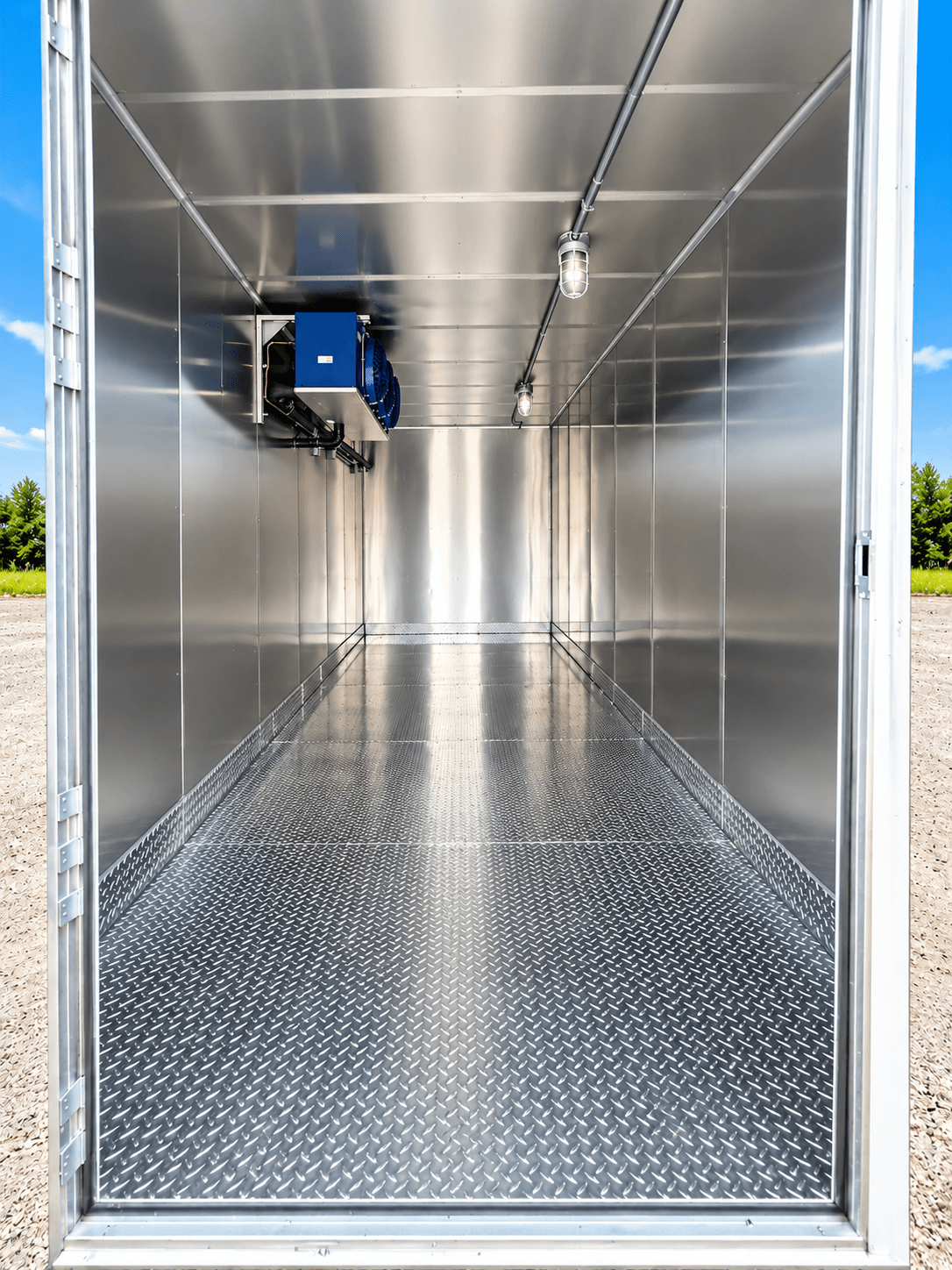
Compare the equipment
These published examples describe named company units. The supplied equipment, configuration and availability are confirmed for your project address.
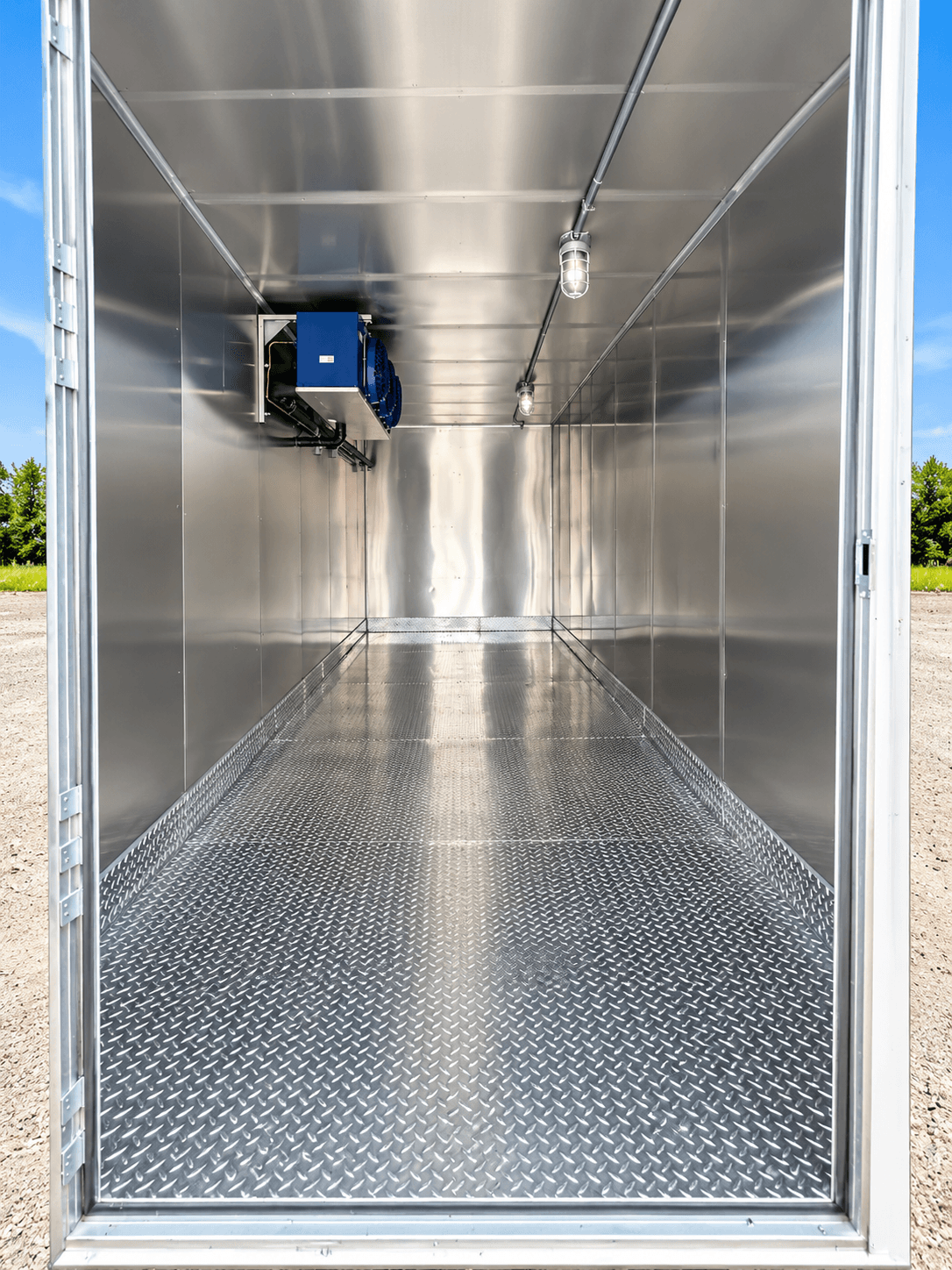
Listed refrigeration trailer equipment: condensing unit, amps panel, lighting.
Equipment records reviewed October 19, 2026. Temperature labels are inventory labels, not verified operating ranges. Nominal length is a model label, not a measure of usable space or site footprint.
The College of Southern Nevada identifies Russell's Restaurant on its North Las Vegas campus as a training setting for culinary and pastry students. Its fall 2026 page also describes fresh baked goods from the Retail Bakery Management class. Those public examples involve ingredients before preparation as well as products ready for service. A temporary store for a comparable interruption should distinguish those stages rather than combine every supply into one unexplained load.
An emergency cooler or freezer replacement may hold everyday ingredients, reserve cases or both. The busiest quantity can include a new delivery before previous stock is used. Separate required chilled and frozen conditions, package sizes and retrieval frequency, then compare the offered interior with the working load. Products that remain in usable permanent refrigeration need not be counted as if they also move.
The 12ft Refrigerated Trailer guide provides a compact model label, but reliable matching temperature, electrical and usable-capacity figures remain unverified. Confirm its supplied configuration before using nominal length as the basis for an ingredient or frozen-stock arrangement.
MT1 in the 20ft Refrigerated Trailer guide lists a 15°F temperature label, condensing unit, amps panel and lighting, with 220V single-phase power at 40–60A. The label is not a complete operating range. Required product conditions, usable capacity and the exact electrical connector still need review for the proposed unit.
CSN's food-service page describes sit-down and grab-and-go options, a North Las Vegas coffee bar and grill, and campus catering. Those everyday outlets have a different service pattern from a scheduled teaching restaurant. In a comparable repair, ingredient refrigeration may remain necessary through several service periods even when one counter closes between them. A timetable for guests does not describe all the stock held before preparation.
The Las Vegas and Henderson rental guides cover their own working addresses. For a requirement at Nellis AFB, identify the actual food-service receiving point and responsible project contact. A regional office approving a purchase and a kitchen retrieving ingredients can occupy different properties, so equipment selection should stay connected to the latter's stock and services.
A government dining supervisor in North Las Vegas or Nellis AFB, Nevada, can explain the busiest overlap between incoming supplies, ingredient preparation and the staff responsible for receiving goods. Describe the expected ingredient quantities and receiving pattern, then ask for a proposal tied to the actual site and food-service requirement.
Kitchen trailers can replace cooking functions as well as provide preparation space. K27 in the 40ft Bulk Kitchen Trailer guide includes a double-stack convection oven, deep fryer, tilting skillet, griddle/oven and six-burner range/oven combinations, sinks, prep table, a reach-in refrigerator and freezer, and a walk-in cooler. The named example lists 220V single-phase power at 200–220A. Its included cooler does not specify a separate refrigerated container.
Dishwashing trailers handle reusable items returning after meals or practical classes. Keep their sorting and washing route apart from ingredient collection, including room for employees to stage pans rather than leave them at the cold-store entrance.
DTC1 in the 38ft Conveyor Dishwashing Trailer guide lists a high-temperature conveyor dishwasher, soil tray, sinks, prep table, racks and water heater. Its documented supply is 220V single-phase at 300A. That differs from both MT1 and K27. Review each electrical supply alongside the washing unit's water, drainage and returned-item routes.
NOAA describes Nevada’s generally dry climate and elevation-related differences, including hotter summers in low southern areas. Include the actual months for the North Las Vegas property when equipment and outdoor placement are discussed. These state-level patterns provide context rather than a forecast or technical rating for the unit.
The equipment position should remain useful after cases fill the interior and normal receiving resumes. Check the turning space for staff carrying ingredients, the entrance used by later deliveries and any work that changes those movements. A reserve store opened occasionally can need a different retrieval arrangement from the main refrigerator used throughout preparation.
Permanent refrigeration may be operational while temporary equipment still holds products. Keep that final transfer in the expected period and request a quote for the equipment, transport, collection and agreed changes to dates. An extension should follow the written arrangement rather than an assumption that the initial repair estimate covers every remaining load.
Before you book
Describe the highest stock held together, including overlapping deliveries, with packaging and required conditions. Explain access frequency and any permanent refrigeration still available. These details help assess useful layout, rather than using an average remaining after preparation or assuming exterior size establishes working capacity.
Explain what temporary capacity adds and how the storage areas divide products. A defined reserve can have a different access pattern from the everyday ingredient store. Discuss the actual offered layout and site needs rather than requesting extra space without describing how employees will use it.
The setup and delivery amount is a starting figure for the equipment type, so it does not cover every journey, collection or site charge. Actual duration, transport, collection and other charges require a quote. Use the same products and expected dates to compare complete proposals before relying on a preliminary amount as the full price of usable temporary storage.
These public references inform the planning examples; equipment availability and delivery arrangements are confirmed for your address.
Temporary refrigeration, kitchens and dishwashing can support many kinds of food-service operations. Each setting below starts with its own schedule, stock and site questions, and every project is reviewed individually.
Hotels, restaurants and resorts can plan temporary refrigeration around breakfast, banquet and dinner service when a walk-in cooler fails or a kitchen is refurbished.
Hospital, nursing home and care-facility kitchens can describe meal schedules, delivery times and displaced stock so temporary storage follows the food-service routine.
Municipal, county and public-building food-service teams can outline receiving arrangements, responsible contacts and project dates before a quote is prepared.
Dining facility managers can explain the products displaced, the receiving arrangements and the proposed period, then review availability and terms with our team.
Schools, colleges and universities can plan around term dates, serving windows and campus kitchen renovations so meal service can continue during repairs or construction.
Plant cafeterias and employee dining areas can describe shift patterns and staged building work so temporary cold storage can be reviewed against the working schedule.
Caterers and venues can plan preparation windows, event days and overflow ingredients, and describe how stock moves between storage, the kitchen and service.
Producers, wholesalers and distributors can describe loading, staging and storage needs when a cooler breaks down or demand temporarily exceeds capacity.
These examples describe planning situations. Equipment, availability and terms are confirmed in a project quote.
Cold storage is only one part of a project. These are the questions we work through with you before anything is booked.
Start with refrigerated containers and refrigeration trailers, then add a temporary kitchen or dishwashing trailer when the project needs one, all in a single conversation.
Access, utilities and the intended position are reviewed before delivery is arranged, so the equipment is matched to your site rather than the other way around.
Whether a walk-in cooler failed this morning or a renovation is months away, describe the real situation and plan around the stock, dates and people involved.
Planning guides cover all 50 states and more than 700 cities. Your address is then confirmed for equipment and delivery.
Use the rental calculator for a rate-range estimate and setup amount, then request a project quote that confirms availability, transport and the rental period.