BXRT20–1Refrigerated trailer
- Nominal length
- 20ft
- Listed electrical supply
- 220V · single-phase · 40–60A
- Inventory temperature label
- 32°F
Temporary cold storage in Augusta, Maine
Augusta cold storage rentals can provide space for catering ingredients or support an emergency repair when commercial refrigeration fails. Refrigerated containers, trailers, coolers and freezers offer different arrangements, with kitchen and dishwashing facilities considered during wider planned renovation work. Short-term rentals and longer leases can suit caterers, restaurants, hotels, schools, healthcare facilities and industrial food-service operators. Worldwide Refrigerated Container Rental Facilities serves Augusta, with delivery discussed around the equipment and actual property. Explain the supply peak, preparation routine and expected period to request availability and a quote for the temporary store that fits your project.
Emergency cooler or freezer failure in Augusta? A person answers rental inquiries 24/7. Availability and delivery timing are confirmed in your quote.
Plan your rental budget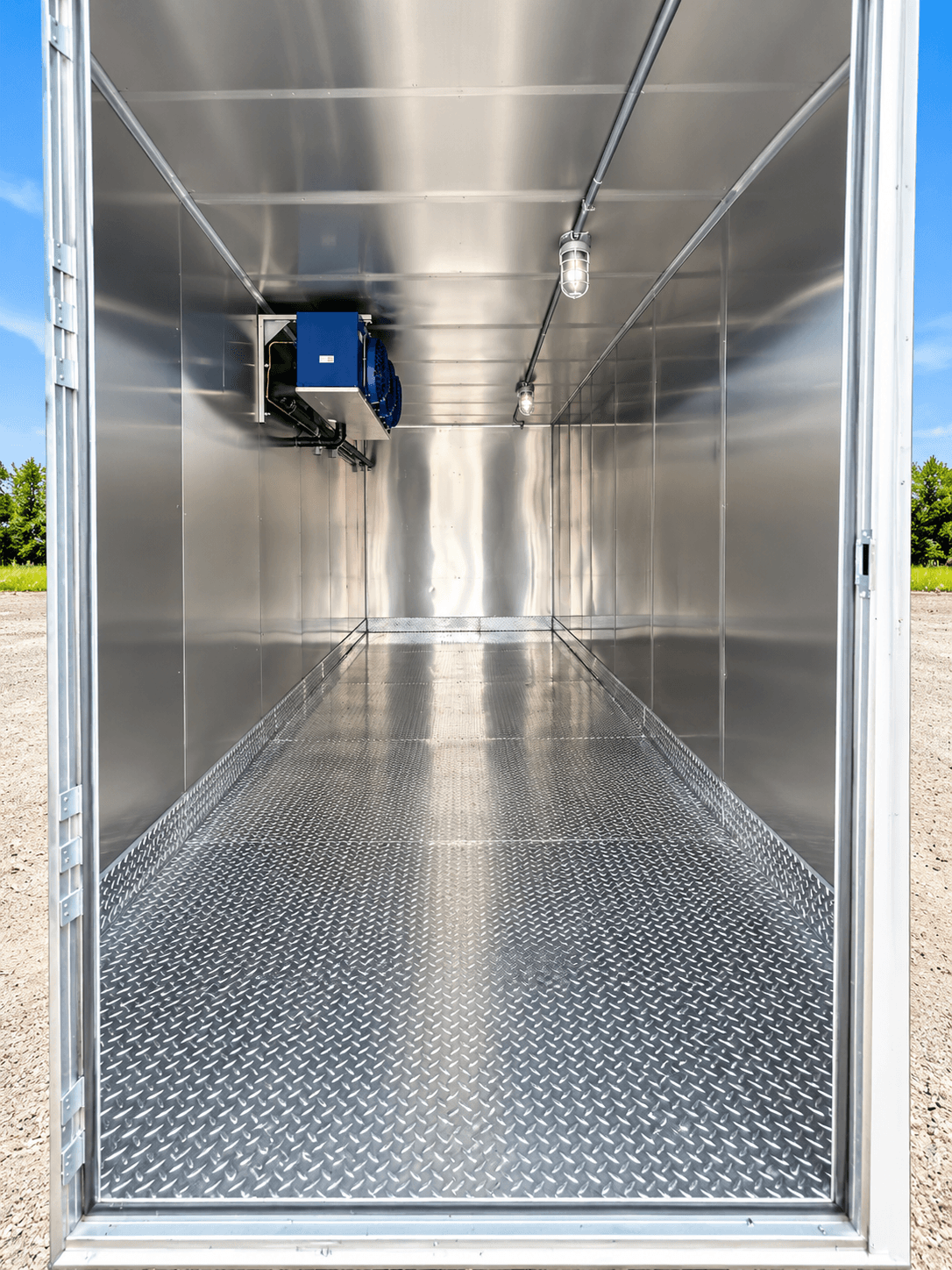
Compare the equipment
These published examples describe named company units. The supplied equipment, configuration and availability are confirmed for your project address.
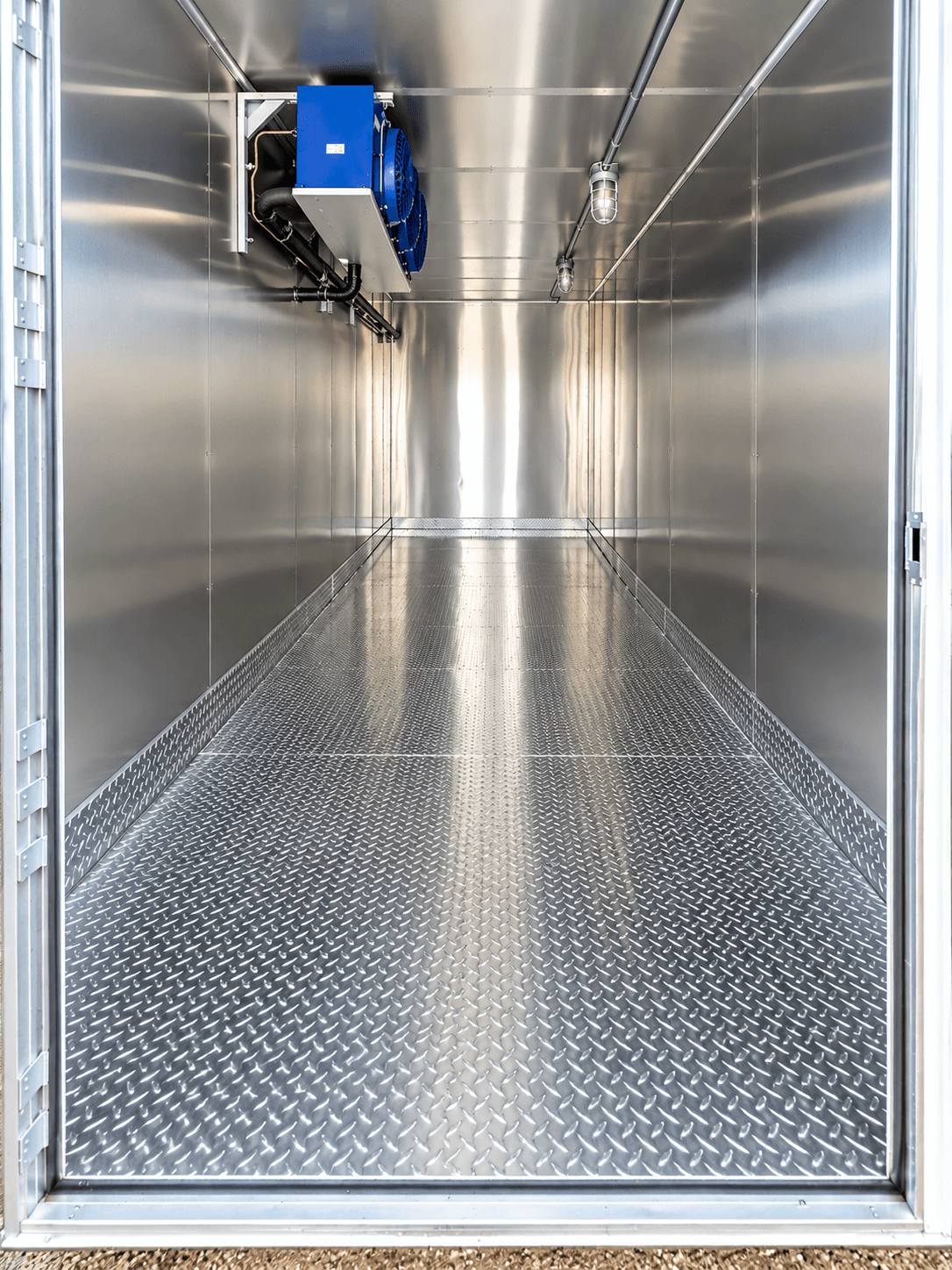
Listed refrigeration trailer equipment: condensing unit, amps panel, lighting.
Equipment records reviewed October 19, 2026. Temperature labels are inventory labels, not verified operating ranges. Nominal length is a model label, not a measure of usable space or site footprint.
Leasing a mobile refrigeration trailer in Augusta is one way to protect inventory during an emergency outage, a planned shutdown or a busy season. Whether you rent for a weekend event or lease through a multi-month renovation, the rental period, delivery coordination and setup are confirmed in your quote. Kitchen outages often bring more than one need: a mobile kitchen for rent for cooking, a dishwashing trailer lease for warewashing and refrigerated storage for the ingredients.
Commercial customers can ask about portable refrigerated trailers, refrigeration containers and walk-in coolers or freezers for emergency, modular or temporary onsite use. Food-service managers, facility teams and plant supervisors can report a refrigeration failure at any time, since rental inquiries are answered by a person 24/7. The same rental and lease process applies to work outside Augusta. Operators in Portland, South Portland, Bangor and Biddeford can send an address, access details and product temperatures, and delivery coordination and availability for that location are discussed from there. Cold storage rental for an event or a seasonal peak follows the same steps as an emergency refrigeration rental.
The Maine Lobster Festival in Rockland is a major summer event, and a New England guide noted that it serves more than 20,000 pounds of lobster. Food producers in Belfast, Hallowell and Bath can ask about leasing a refrigerated container for seasonal stock or a temporary overflow. Stadium concessions in Ellsworth and venues in Brewer may need temporary facilities for a season, so a trailer lease can fit better than repeated short rentals. Refrigerated trailers for rent and portable walk-in coolers hold drinks, produce and prepared food at crowded events, and a refrigeration container suits a longer festival run. A walk-in cooler and a walk-in freezer can be rented together when a commercial site needs both. When cooking and dish washing stop together, a mobile kitchen, a dishwashing trailer and portable refrigeration can be one request. These are public facts about the area, not a record of company jobs; equipment, availability and delivery are confirmed in the quote.
During the January 1998 ice storm, more than 220,000 Central Maine Power customers, over 40 percent of its base, were in the dark by late on the first day, with Lewiston, Augusta and Bridgton among the hardest hit, and it took 23 days to restore power across the state. When a compressor fails at a grocery in Sanford, a school in Saco or a care facility in Old Town, an emergency walk-in cooler or freezer rental can protect the food while repairs are arranged. A restaurant in Presque Isle or a care home in Calais can call about an emergency freezer rental as soon as the temperature alarm goes off. Emergency refrigeration comes first after a storm or outage: a portable refrigerated trailer, a refrigeration container or outdoor walk-in refrigeration can hold stock while power and repairs catch up. The context above comes from public sources and does not describe a completed job; availability and delivery are confirmed in the quote.
MaineDOT’s 2026–2028 work plan covers 2,798 projects worth $4.5 billion, led by the $84.3 million Presque Isle Bypass Phase 2, and in Bangor the Broadway Bridge replacement that began in July 2023 is expected to finish in 2027. In Eastport or Caribou, a kitchen remodel can be covered by a lease measured in weeks or months, and the same quote can include a dishwashing trailer for rent if the dish room is affected. Trailer leasing covers the length of a project: a refrigerated trailer for supplies and a refrigeration container for bulk stock, short-term or long-term. Walk-in coolers hold chilled stock and walk-in freezers hold frozen stock, so the rental should match whichever one is needed. A dishwashing trailer lease can be added to the same quote when returned dishes also need washing. This is published public context, not company work; each request is quoted for its own address and dates.
Dishwashing and kitchen outages often arrive together, so dishwashing trailer rentals and a mobile kitchen for rent are quoted beside emergency refrigeration. A commercial walk-in freezer failure in Augusta is an emergency call, and onsite temporary refrigeration is how most such calls begin. Portable refrigerated trailers, refrigeration containers and outdoor walk-in refrigeration units can all be discussed for the same emergency. Outdoor walk-in refrigeration can be set up beside the building as temporary facilities, so staff keep working while the permanent walk-in cooler or walk-in freezer is repaired.
Emergency refrigeration for commercial kitchens often starts with a portable refrigerated trailer and ends with a longer lease if repairs take time. In Augusta, emergency refrigeration usually means a refrigerated trailer, a refrigeration container or a portable walk-in cooler matched to the stock. A mobile kitchen trailer for rent can sit beside onsite refrigeration, so cooking and cold storage are planned together. Modular and portable cold storage can be discussed in stages when a site needs more space than one refrigerated trailer provides.
A dishwashing trailer lease can be added to the same quote when returned dishes also need washing. A dishwashing trailer, a mobile kitchen trailer and a refrigerated trailer for rent can each be short-term or long-term, depending on the repair. A commercial kitchen closed for repairs may need a mobile kitchen trailer lease, a dishwashing trailer and emergency refrigeration at the same time. Short-term or long-term, trailers for rent in Augusta are quoted for the address, the stock and the dates.
Short-term or long-term, the same refrigerated trailer rental starts from the address, the stock and the dates. Temporary facilities for a commercial site usually mean refrigeration first, then a mobile kitchen or dishwashing trailer if cooking or washing is also interrupted. Kitchen, dishwashing and refrigeration rentals are separate equipment, and each can be rented short-term or leased long-term. Trailer rentals, refrigerated trailers for rent and trailer leasing are all discussed with the address and the dates in hand.
Mobile kitchens, dishwashing trailers and refrigerated trailers for rent can be quoted together as temporary facilities. Outdoor walk-in refrigeration needs level ground and power nearby, so a long-term lease starts with a site conversation. Emergency refrigeration, onsite and temporary, is meant to bridge the gap until the commercial walk-in freezer is repaired or replaced. Onsite temporary facilities can include portable refrigeration, a mobile kitchen trailer and, if dishes are affected, a dishwashing trailer.
For Augusta kitchens, plants and warehouses, trailer leasing and trailer rentals are two ways to get the same portable refrigerated storage. Refrigeration is an emergency need: every call about a failed commercial walk-in freezer or refrigeration unit is an emergency call.
For a catering operation in Augusta, refrigeration can serve as reserve storage, a daily ingredient store or a combination of the two. The menu and delivery schedule help establish which role the rental will play. Products arriving together create a different peak load from smaller deliveries spread across several days. Consider how much needs to be stored at the busiest point and which items staff will retrieve most frequently during preparation.
Access to that stock should remain straightforward once service starts. Packaging, shelving plans and the route between the rental and preparation area affect how usable the interior will be. Discuss those details when comparing a walk-in cooler, freezer or other refrigerated option. An event-specific rental should support the way the catering team works; a unit chosen only because it appears large enough may leave handling problems that are harder to solve during a busy service. A rental can remain a reserve while the permanent store handles frequently used ingredients, or it can become the main preparation store for the event. Decide which arrangement suits the menu and available working area. That distinction affects where the unit belongs and how it will be emptied, making the period after the event as relevant as the initial loading.
Ingredients may arrive before event setup is complete and remain after the main service ends. Include both periods when considering dates, with the greatest quantity held together made clear. Guest count is background, while packaging, product conditions and delivery batches describe the actual storage task.
Readers in Augusta may also want to compare how other nearby cities approach their projects. Auburn’s guide focuses on food-service renovations, and a separate reading is Westbrook’s guide on longer food-service projects. Bring the same practical questions about access, timing and storage to your Augusta inquiry.
Decide whether the rental replenishes a working kitchen occasionally or supplies ingredients continuously during preparation. That role affects useful access once the unit is loaded. Discuss any intended shelving and handling equipment rather than assuming they are included. A clear arrangement can help several staff teams use the same store consistently through the event.
For military dining inquiries involving several contacts in Augusta or Waterville, Maine, the food-service requirements and proposed equipment dates should remain consistent throughout the review discussion. Ask the responsible dining lead to describe reserved stock and repeated ingredient retrieval before comparing the practical use of proposed temporary equipment.
For an Augusta caterer serving a function in Gardiner, explain where ingredients will remain before and during service. A reserve at the preparation kitchen can have different access and dates from refrigeration needed at the venue. The rental should follow that working role rather than the location where the order was placed.
A planned function in Waterville may add another receiving peak, while a kitchen project in Lewiston can create a longer daily-storage requirement. Describe each actual address separately if the operation involves more than one site. These regional examples help distinguish equipment needs without assuming shared capacity, identical connections or one included transport arrangement.
NOAA describes Maine’s generally mild summers and cold, snowy winters, with coastal and inland conditions differing. Those state-level facts make the months relevant to equipment selection, but do not establish the weather or an operating specification at a particular Augusta property.
Consider the staff approach, supply receiving and proposed surface alongside the actual unit’s entrance and connections. A venue position should work when other activity is busiest, not only when equipment can unload. The property contact can explain shared access and any changes during setup. Discuss those arrangements before the event team depends on a specific equipment position.
Identify when the unit can be emptied, who can confirm collection access and whether the project is a single function or a longer series. Review change and extension terms if dates remain tentative. A storage plan should include the practical handover, not only the public finish time.
The setup and delivery figure starts from a national amount, not a price for this address, so collection and every journey need confirmation. Request a complete quote for the actual dates, transport, collection and other project items. Compare the same ingredients and working scope across proposals so staff understand what the temporary arrangement includes and what remains separate.
Before you book
The products may be similar, but access can differ substantially. Explain whether staff retrieve stock occasionally in batches or enter throughout preparation. Discuss the peak quantity and packaging as well, so usable layout and placement follow the working role rather than an assumption based only on size.
Include the first stock arrival and preparation days, then the period after service when ingredients remain. Identify when the equipment can actually be emptied for collection. Event hours alone may omit much of the storage requirement, especially where deliveries arrive together before the venue opens.
Yes, using the complete quoted period and scope for each option. Discuss equipment, transport, collection and terms for changes. The estimate multiplies the published range by your number of periods; the written quote confirms where in that range the rate falls.
The choice depends on how long the walk-in cooler or freezer will be unavailable: a short rental for a repair, a lease for a longer project. Tell the team the address, what is stored, the target temperature and when the permanent unit should be back. Equipment, availability and delivery timing are confirmed in the quote.
Emergency refrigeration can include portable refrigerated trailers, a refrigeration container, outdoor walk-in refrigeration or a walk-in cooler or walk-in freezer rental. Emergency refrigeration in Augusta can be rented for a few days or leased long-term, depending on how long the commercial walk-in is down. Mobile refrigeration, mobile kitchens and mobile dishwashing trailers are different equipment, and each can be rented separately or together. Every call about a failed commercial walk-in freezer or refrigeration unit is an emergency call, and a person answers rental inquiries 24/7. Equipment, availability and delivery timing are confirmed in the quote.
These public references inform the planning examples; equipment availability and delivery arrangements are confirmed for your address.
Temporary refrigeration, kitchens and dishwashing can support many kinds of food-service operations. Each setting below starts with its own schedule, stock and site questions, and every project is reviewed individually.
Hotels, restaurants and resorts can plan temporary refrigeration around breakfast, banquet and dinner service when a walk-in cooler fails or a kitchen is refurbished.
Hospital, nursing home and care-facility kitchens can describe meal schedules, delivery times and displaced stock so temporary storage follows the food-service routine.
Municipal, county and public-building food-service teams can outline receiving arrangements, responsible contacts and project dates before a quote is prepared.
Dining facility managers can explain the products displaced, the receiving arrangements and the proposed period, then review availability and terms with our team.
Schools, colleges and universities can plan around term dates, serving windows and campus kitchen renovations so meal service can continue during repairs or construction.
Plant cafeterias and employee dining areas can describe shift patterns and staged building work so temporary cold storage can be reviewed against the working schedule.
Caterers and venues can plan preparation windows, event days and overflow ingredients, and describe how stock moves between storage, the kitchen and service.
Producers, wholesalers and distributors can describe loading, staging and storage needs when a cooler breaks down or demand temporarily exceeds capacity.
These examples describe planning situations. Equipment, availability and terms are confirmed in a project quote.
Cold storage is only one part of a project. These are the questions we work through with you before anything is booked.
Start with refrigerated containers and refrigeration trailers, then add a temporary kitchen or dishwashing trailer when the project needs one, all in a single conversation.
Access, utilities and the intended position are reviewed before delivery is arranged, so the equipment is matched to your site rather than the other way around.
Whether a walk-in cooler failed this morning or a renovation is months away, describe the real situation and plan around the stock, dates and people involved.
Planning guides cover all 50 states and more than 700 cities. Your address is then confirmed for equipment and delivery.
Use the rental calculator for a rate-range estimate and setup amount, then request a project quote that confirms availability, transport and the rental period.