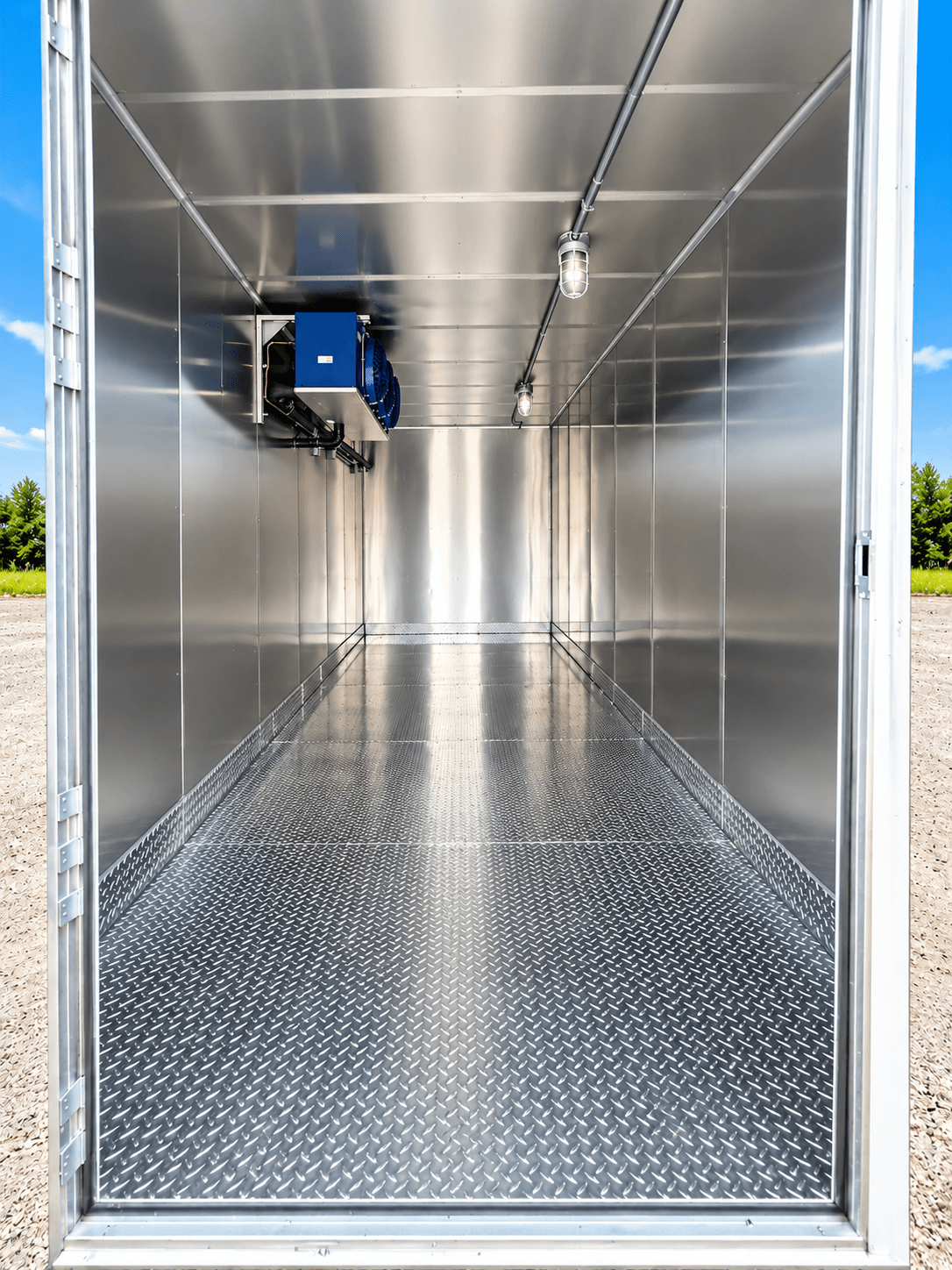
Compare the equipment
Specifications for your rental planning
These published examples describe named company units. The supplied equipment, configuration and availability are confirmed for your project address.
BXRT20–1Refrigerated trailer
- Nominal length
- 20ft
- Listed electrical supply
- 220V · single-phase · 40–60A
- Inventory temperature label
- 32°F
MT1Refrigerated trailer
- Nominal length
- 20ft
- Listed electrical supply
- 220V · single-phase · 40–60A
- Inventory temperature label
- 15°F
LT2Refrigerated trailer
- Nominal length
- 20ft
- Listed electrical supply
- 220V · single-phase · 40–60A
- Inventory temperature label
- -5°F
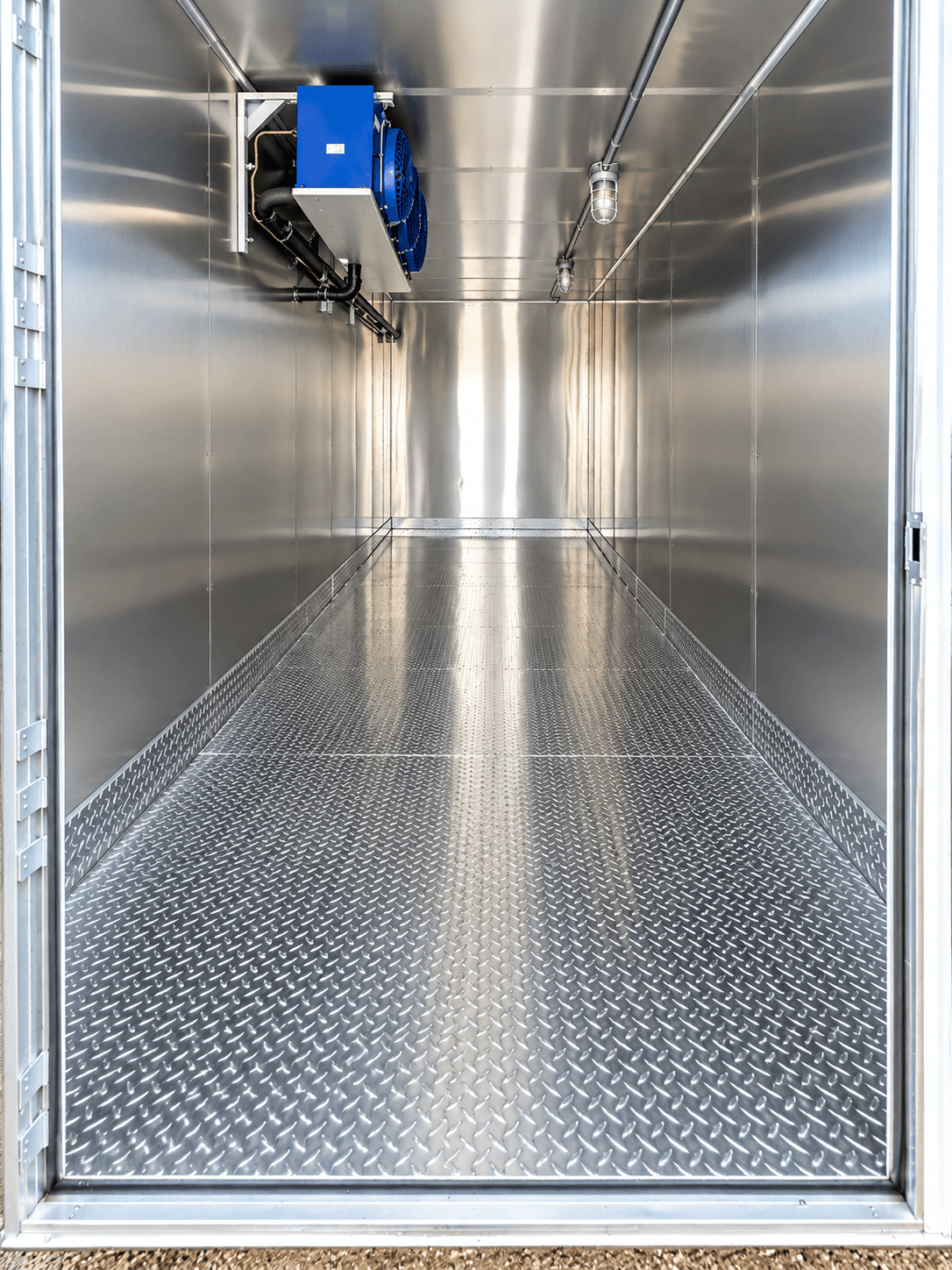
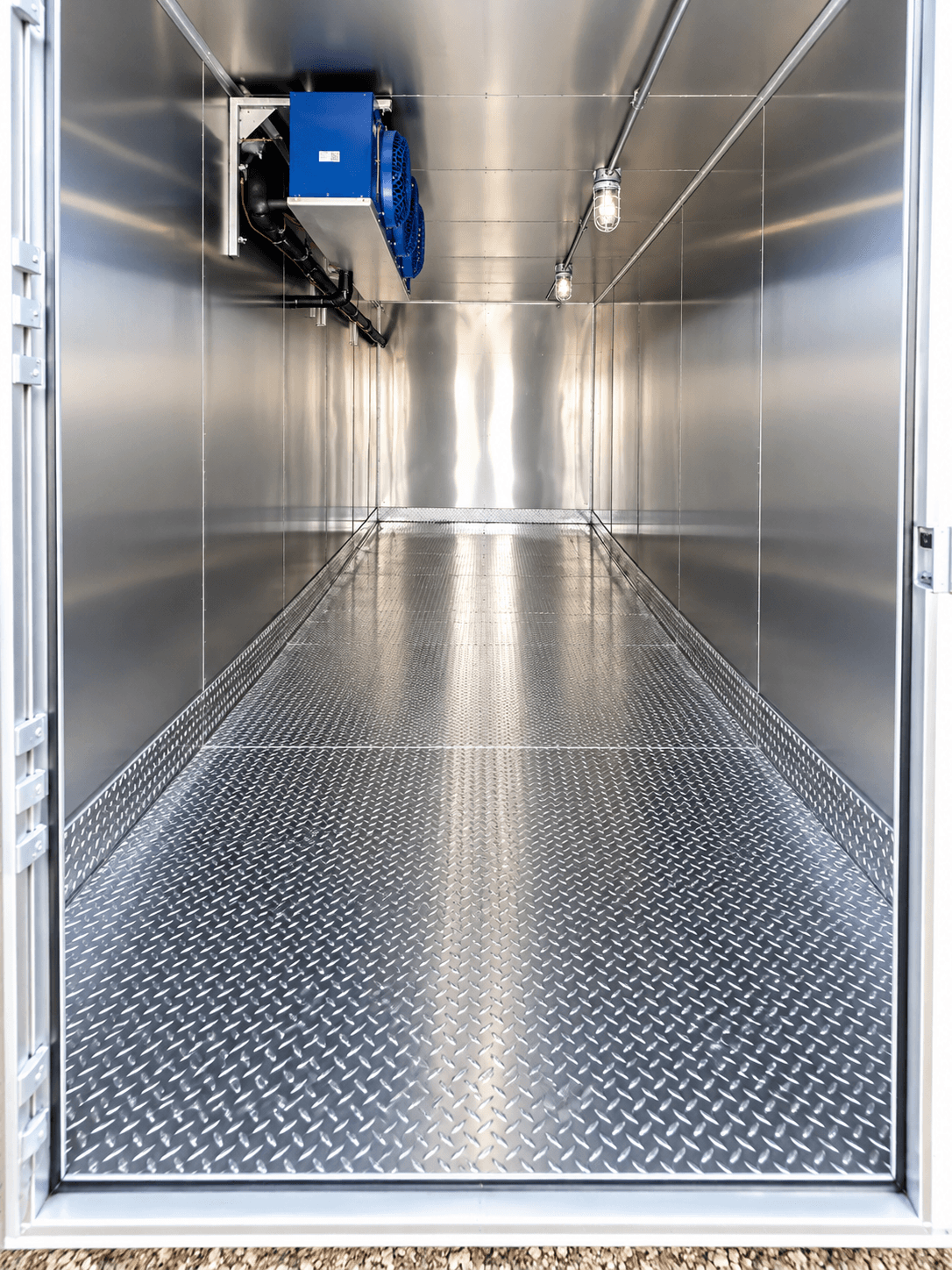
Listed refrigeration trailer equipment: condensing unit, amps panel, lighting.
Other cold-storage model details
- 12FT Refrigerated TrailerBXRT12–1 and BXRT12–2 list 220V · single-phase · 40–60A and a 32°F inventory label. Both are named as 12ft models, but their records also mention 20ft, so your quote confirms the length.
- 20FT Refrigerated ContainerYour quote confirms this container’s power, temperature and storage space for your project.
- 40FT Refrigerated ContainerYour quote confirms this container’s power, temperature and storage space for your project.
Equipment records reviewed October 19, 2026. Temperature labels are inventory labels, not verified operating ranges. Nominal length is a model label, not a measure of usable space or site footprint.
Refrigeration loading for separate dispatch teams
Imagine several internal teams collecting products from the same temporary arrangement. The planning exercise would define who updates the order list and how changes are communicated before a revised loading pattern is assumed to suit the equipment under discussion. The working brief centers on packaged orders collected by different teams and the decisions of the dispatch operations lead. A short written brief can connect the stock task with the rest of the project. Include the required storage conditions, proposed position and decision contacts. Use it when discussing the unit and again when the operating schedule or products change.
Choose between cooler and freezer requirements
Tell our team whether the stock needs chilled holding in a walk-in cooler or frozen holding in a freezer. Give the required product temperature, packaging and maximum quantity, then discuss whether a refrigerated container or a refrigeration trailer could suit the project. Ask for the proposed unit's usable capacity, door and entry details, and electrical connection requirements. Include frequent retrievals or large incoming loads in that conversation. Your product and site contacts can use those details to review the equipment against the actual storage task and the way staff will load it.
Coordinate a rental for government food-service facilities
A government property contact comparing Tacoma with a separate Mississippi building can describe receiving space while the food-service lead explains how employees use the supplies. Give the reviewing representative a consistent version of the proposed scope and identify which food-service or property details still require confirmation.
Prepare a clear equipment handover request
Ask how the proposed unit's controls, entry arrangement and operating information will be explained to the people responsible for it. Tell the team who will receive that information and whether several shifts or departments need access to it. Include the product-handling requirements set by your own operation, and keep the decision about using the store with the appropriate person. Confirm who staff should contact with equipment questions and how that information will be kept available. A well-defined handover connects the chosen equipment to the working environment and gives each shift a clear record of the instructions and responsibilities agreed with the team.
Plan around the busiest storage point
The useful starting figure is the greatest amount of stock expected at one time, including incoming orders that might arrive before older goods leave. Sketch that peak and note how it differs from an average operating day. Separate items that can remain packed from ingredients staff will retrieve frequently, and explain whether bulky containers or wheeled carts affect the layout. Include the supplier delivery pattern in the discussion. These details help frame a capacity inquiry without treating a nominal container size as a complete storage plan. Request a review of the expected load and the proposed working arrangement before reserving equipment.
Include access patterns in the temperature brief
A storage request should describe how the space will be used, including deliveries, frequent retrievals and any periods when several people need access. Give those details to the equipment contact alongside the required product conditions. Ask what loading and operating guidance applies to the proposed unit, and have the relevant staff review it before use. If the temporary store serves different teams, establish a shared procedure for recording concerns and contacting the person in charge. This connects the required storage conditions with daily retrieval, stock deliveries and handover procedures for the people working with the goods.
Use decision points rather than an assumed deadline
When the end of an interruption depends on another contractor, describe the milestones that will determine your storage requirement. These might include completion of repair work, a site-services review or the operation's decision to transfer stock back. Give an expected schedule while making the uncertainty clear. Ask how the rental period could be extended and what steps are needed to request collection. Keep the contact responsible for updates identified throughout the inquiry. This gives the team a current description of the requirement and period, while keeping the operational milestones visible during the equipment and quotation discussion.
Review the full route for stock movement
Look beyond the final storage footprint and describe the complete movement of goods. Staff may need to pass through doors, use carts, cross a delivery area or work around construction activity before reaching the temporary refrigerator. Give the relevant site contact a chance to assess that route and identify restrictions. Ask for the entry details of the equipment being considered, including any loading aids that would need a separate discussion. Measurements should relate to the real carriers and products your team uses. Confirm how the arrangement will work during normal activity and during the busiest replenishment periods before committing to a position.
Keep electrical assumptions out of the booking
Include available supply information with the inquiry, even when the exact equipment has not yet been chosen. Describe what is known, who verified it and which location the information refers to. Ask the team for the requirements of the proposed unit so your appropriate site contact can review them. Describe both the connection point and its route so the site contact has the information needed for a useful review. Raise any need for additional equipment or a different supply as a question. Confirm the responsibility for preparing the services and completing the review before treating the rental as ready for delivery.
Put the remaining questions in the inquiry
An initial equipment inquiry can include the questions your team is still working through. State which measurements, product conditions or project dates are still being confirmed, and identify who can supply the missing information. Ask what is needed before suitable equipment and current terms can be discussed. Include the proposed delivery location and any known access or services restrictions. Keep a short list of outstanding questions with the request so they remain visible when the proposal is reviewed. Use the next conversation to review your defined requirement, discuss current equipment options and terms, and identify the details needed to move the inquiry toward a booking.
Contact Worldwide Refrigerated Container Rental Facilities at +1 877-804-5153. Share your stock, site and dates, then ask about current equipment availability, rental or lease terms, delivery arrangements and a quote.
Keep separate collection teams on one dispatch record
The dispatch operations lead can assign an order reference to each team's planned collection and identify who may amend it. Show which packages have left, which are still waiting and which incoming goods replenish a different order. This prevents a team's verbal report that it has finished from being mistaken for confirmation that all stock under a shared description has been collected.
Test the record with a partial collection or a team arriving in a different sequence. Ask the lead to reconcile the remaining packages and circulate the revised instruction to the other collectors. If that changes the overlap or retrieval pattern described in the refrigeration request, send the new version for review. The handover then explains the work the proposed arrangement must support instead of relying only on a combined package count.
Discuss your cold storage rental.
Confirm the equipment, delivery location, and rental period that fit your project.
Request availability