Compare the equipment
Specifications for your rental planning
These published examples describe named company units. The supplied equipment, configuration and availability are confirmed for your project address.
BXRT20–1Refrigerated trailer
- Nominal length
- 20ft
- Listed electrical supply
- 220V · single-phase · 40–60A
- Inventory temperature label
- 32°F
MT1Refrigerated trailer
- Nominal length
- 20ft
- Listed electrical supply
- 220V · single-phase · 40–60A
- Inventory temperature label
- 15°F
LT2Refrigerated trailer
- Nominal length
- 20ft
- Listed electrical supply
- 220V · single-phase · 40–60A
- Inventory temperature label
- -5°F
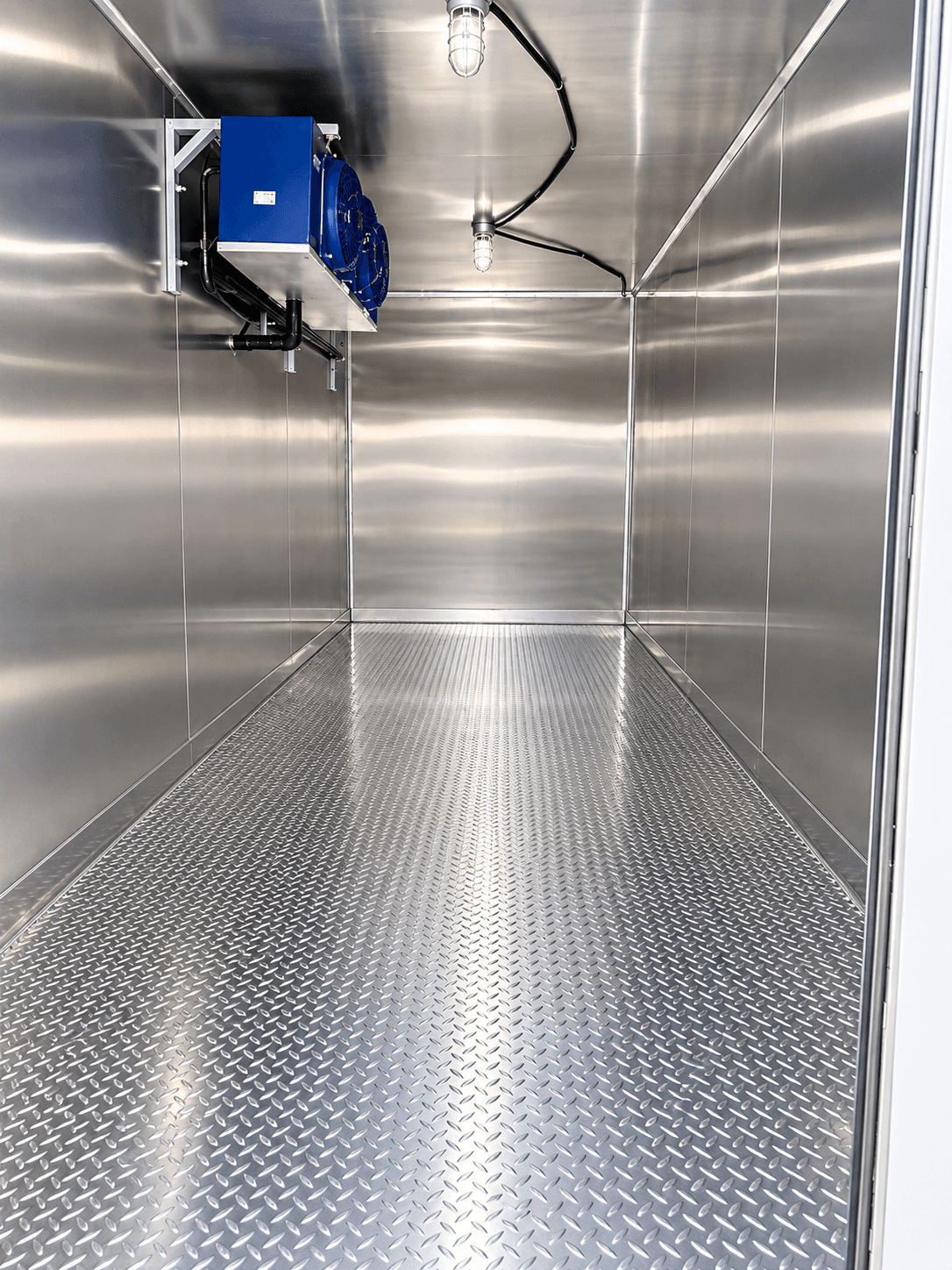
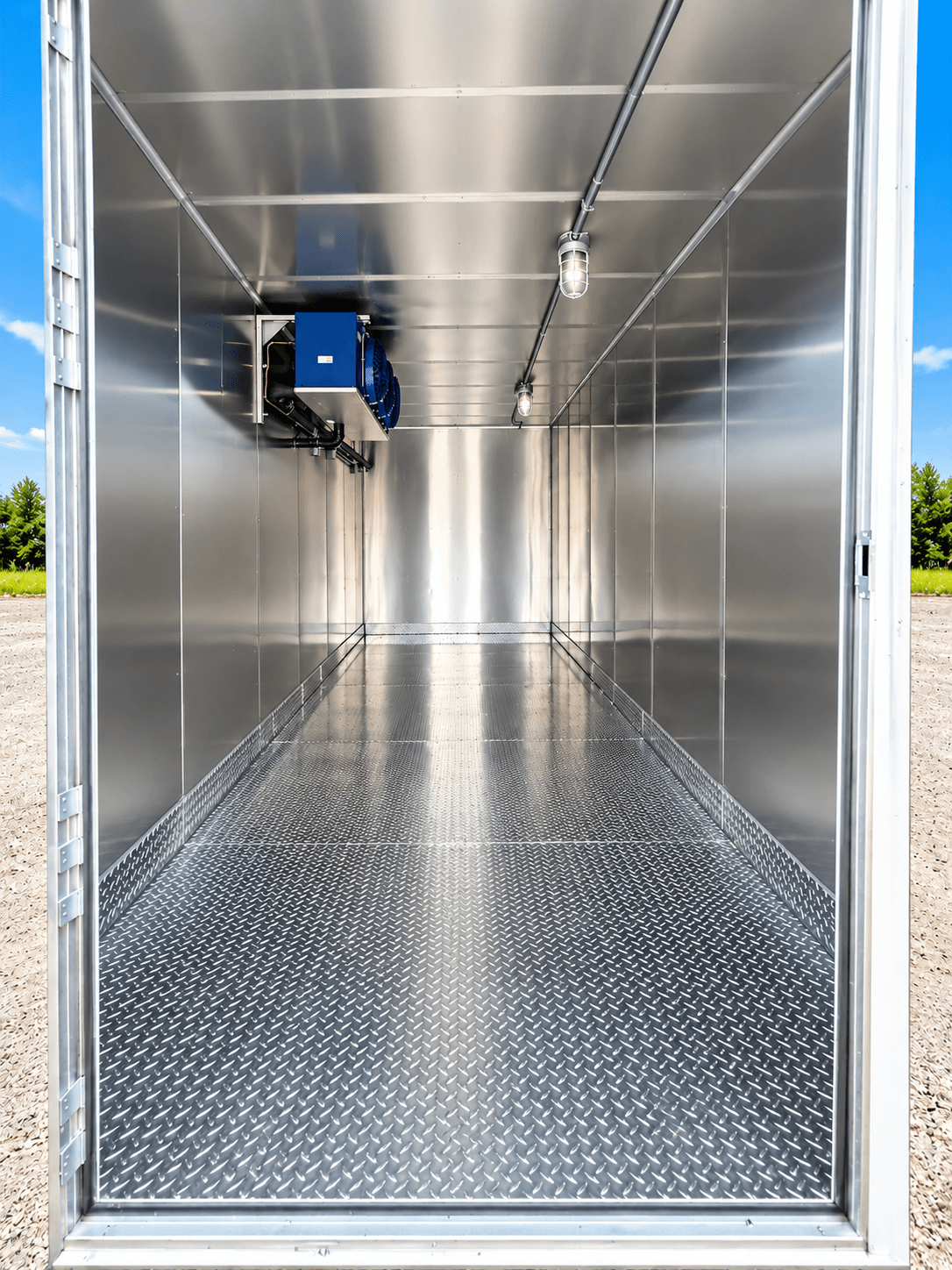
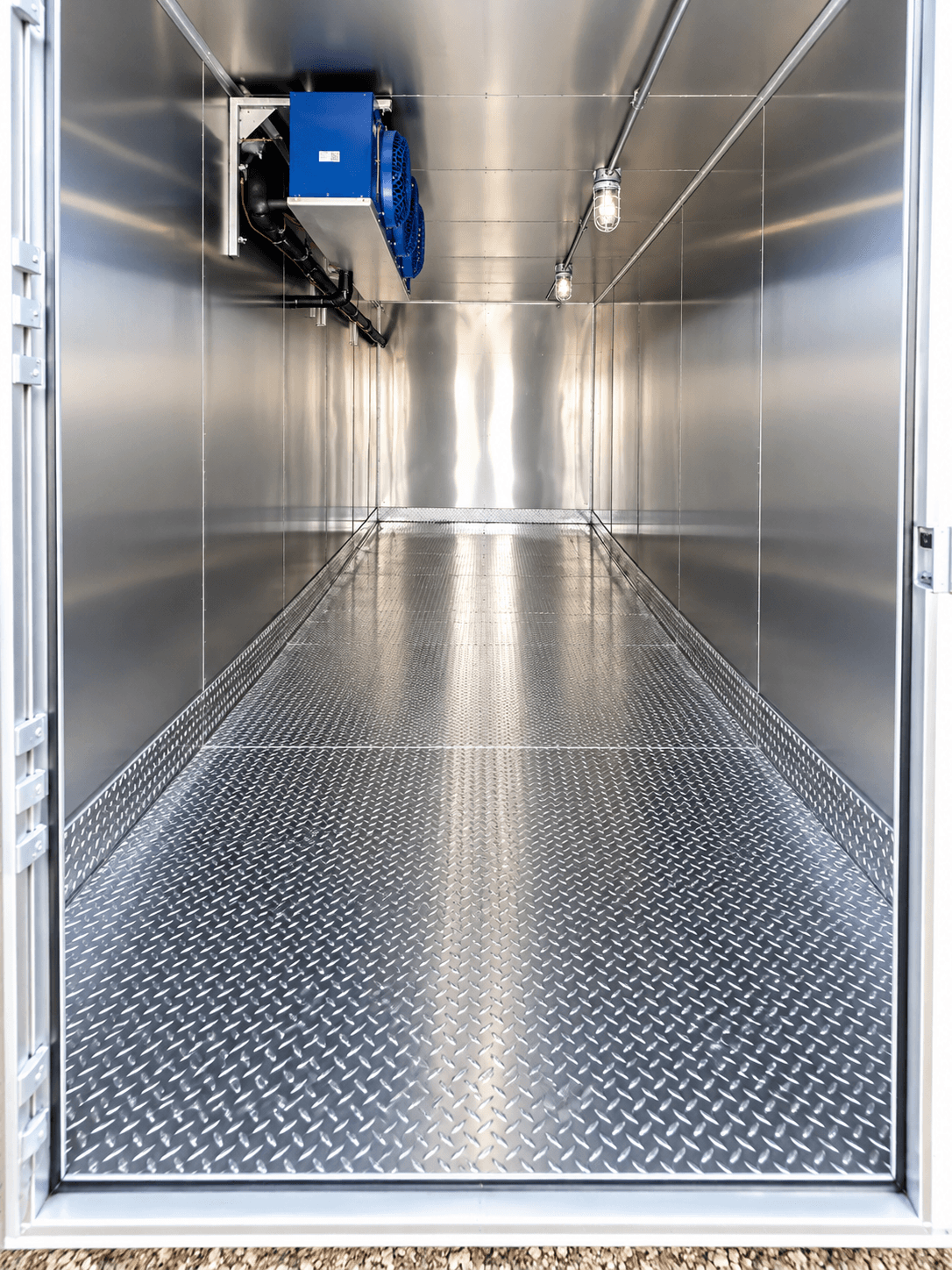
Listed refrigeration trailer equipment: condensing unit, amps panel, lighting.
Other cold-storage model details
- 12FT Refrigerated TrailerBXRT12–1 and BXRT12–2 list 220V · single-phase · 40–60A and a 32°F inventory label. Both are named as 12ft models, but their records also mention 20ft, so your quote confirms the length.
- 20FT Refrigerated ContainerYour quote confirms this container’s power, temperature and storage space for your project.
- 40FT Refrigerated ContainerYour quote confirms this container’s power, temperature and storage space for your project.
Equipment records reviewed October 19, 2026. Temperature labels are inventory labels, not verified operating ranges. Nominal length is a model label, not a measure of usable space or site footprint.
Keep redirected frozen orders attached to their product owner
The receiving shift lead needs a purchase reference and responsible internal team for each frozen order arriving before distribution. Keep product requirements separate from the instruction directing a supplier to another receiving point. A redirect should identify who confirmed it and which staff acknowledged it. Compare temporary refrigeration with the actual holding task for goods still awaiting an internal stock decision.
Compare the frozen-order requirement with a named inventory label
LT2 in the 20FT Refrigerated Trailer guide lists a condensing unit, amps panel and lighting, with a −5°F inventory label. The label is not a complete operating range or approval for a particular frozen order. Required product conditions and the offered unit’s usable capacity still need confirmation.
A refrigerated container provides nominal 20ft and 40ft alternatives whose temperature capabilities and electrical requirements also remain unconfirmed.
Compare the offered refrigeration trailer or container with the actual packages, arrival overlap and route to internal distribution. Another unit’s label or photograph does not resolve an unanswered freezer requirement for those goods.
Keep healthcare meal service in the rental plan
For healthcare meals in Little Rock or at a separate Wisconsin facility, menu revisions can change ingredient mixes even when service timetables remain unchanged. Ask the facility's food-service lead to supply its ingredient handling requirements, receiving schedule and contact responsible for reviewing the proposed arrangement.
Include the entire frozen-stock period
Keep supplier arrivals, the initial transfer and final internal distribution beside repair dates. Identify the decision that ends holding. Review the proposed rental period, changes and collection process against that actual requirement.
Follow the order beyond receiving
Trace the real carriers through doors, shared areas and construction boundaries to the temporary entry and internal destination. Keep measurements, equipment entry information and route restrictions together for the responsible site review.
Reconcile the busiest receiving overlap
Use order references to distinguish goods arriving from those awaiting distribution. Include packed-case dimensions and repeatedly retrieved items. Compare that peak with an ordinary day before reviewing an offered interior layout or entry arrangement.
Separate any cooking and washing work from frozen receiving
If cooking also moves, K14 in the 38FT Mobile Kitchen Trailer Rental guide lists a single-stack convection oven, griddle/oven, six-burner range/oven, deep fryers and reach-in refrigerator/freezer. Compare those appliances with that work; their presence does not establish the capacity or temperature capability of a separate freezer store.
D4 in the 24FT Dishwashing Trailer Rental guide lists a low-temperature push-through dishwasher, soil tray, scraping table and sinks. That washing classification does not describe food-holding conditions. Keep returned items and clean-item collection separate from frozen-order movement, with unit instructions, approval responsibilities and a contact for equipment questions available through the final transfer and collection request.
Keep retrieval patterns with the product requirements
Record arrivals, repeated collections and shared access periods beside the product owner’s required conditions. Give receiving and distribution teams the selected unit’s loading guidance and reporting contact. Update both when the pattern changes.
Review named electrical entries before changing the receiving position
LT2 lists 220V single-phase at 40–60A; K14 lists 220V single-phase at 200–220A; D4 lists 220V single-phase at 150A. Matching voltage does not establish a shared connector or suitable supply. The responsible site professional needs selected-unit requirements and exact connections, including planned electrical work, known access restrictions and proposed alternative arrangements.
Keep the frozen order and unresolved decisions in the scope
Request current availability and a quote covering the offered equipment, rental period, delivery, collection and additional items. Keep unanswered product and site questions with the proposed arrangement. A changed arrival or distribution instruction should explain its effect on holding and timing before the earlier scope is treated as sufficient.
Contact Worldwide Refrigerated Container Rental Facilities at +1 877-804-5153. Share your stock, site and dates, then ask about current equipment availability, rental or lease terms, delivery arrangements and a quote.
Keep frozen receiving orders linked to their product owner
The receiving shift lead can attach each expected frozen order to its purchase reference and the internal team responsible for its use. Record the product requirements supplied by that team separately from delivery instructions. If an order is redirected during repair work, ask who has confirmed the new instruction and which receiving staff have acknowledged it.
For a useful handover test, follow an order that arrives before internal distribution can begin. Identify the stock decision still outstanding, its owner and the equipment information needed to review the proposed holding task. Do not substitute a general refrigeration description for that unresolved question. Update the inquiry when the confirmed arrival or dispatch pattern changes so the storage discussion and receiving record remain aligned with the same set of goods.
Discuss your cold storage rental.
Confirm the equipment, delivery location, and rental period that fit your project.
Request availability