Compare the equipment
Specifications for your rental planning
These published examples describe named company units. The supplied equipment, configuration and availability are confirmed for your project address.
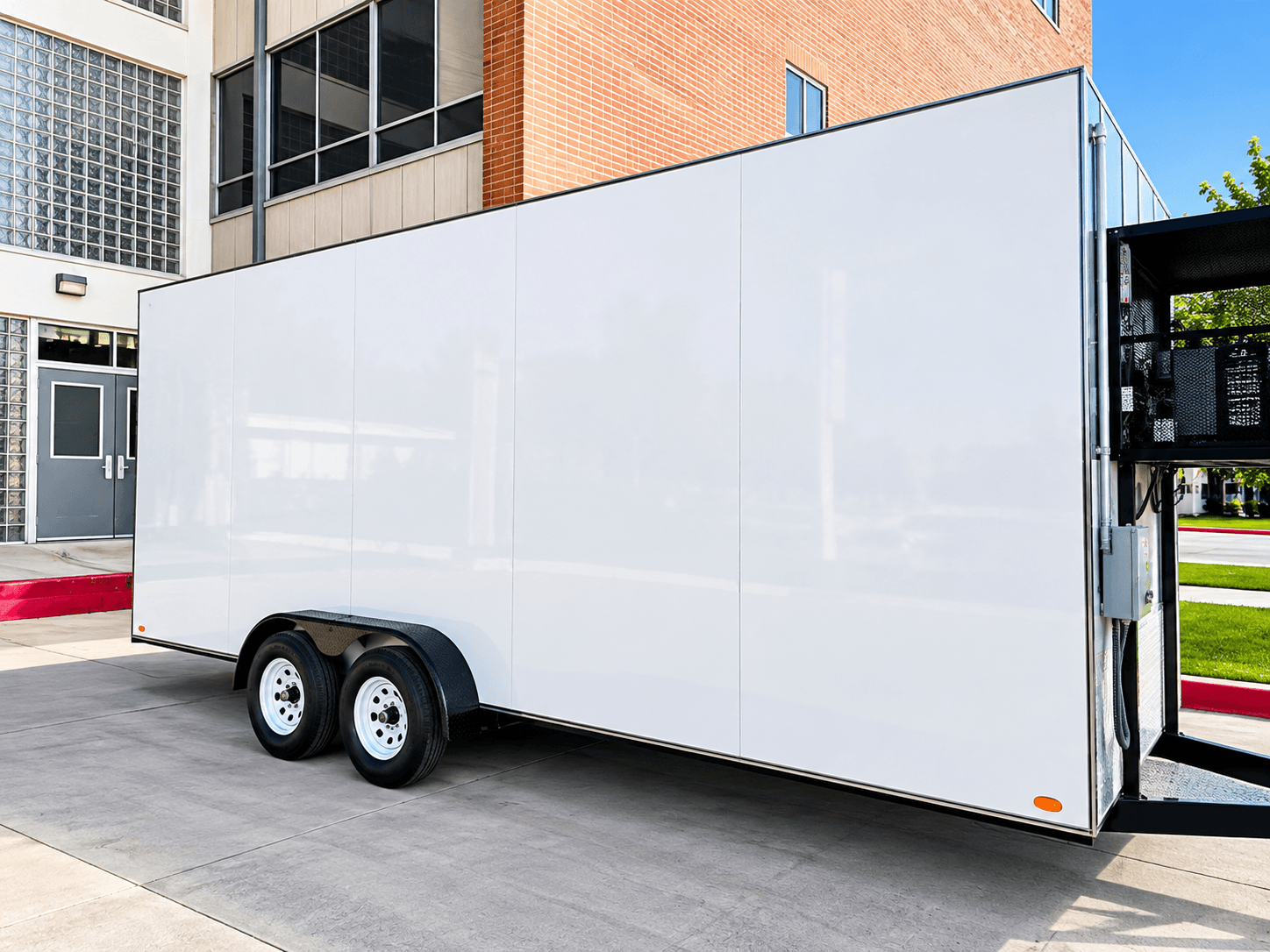
BXRT20–1Refrigerated trailer
- Nominal length
- 20ft
- Listed electrical supply
- 220V · single-phase · 40–60A
- Inventory temperature label
- 32°F
MT1Refrigerated trailer
- Nominal length
- 20ft
- Listed electrical supply
- 220V · single-phase · 40–60A
- Inventory temperature label
- 15°F
LT2Refrigerated trailer
- Nominal length
- 20ft
- Listed electrical supply
- 220V · single-phase · 40–60A
- Inventory temperature label
- -5°F
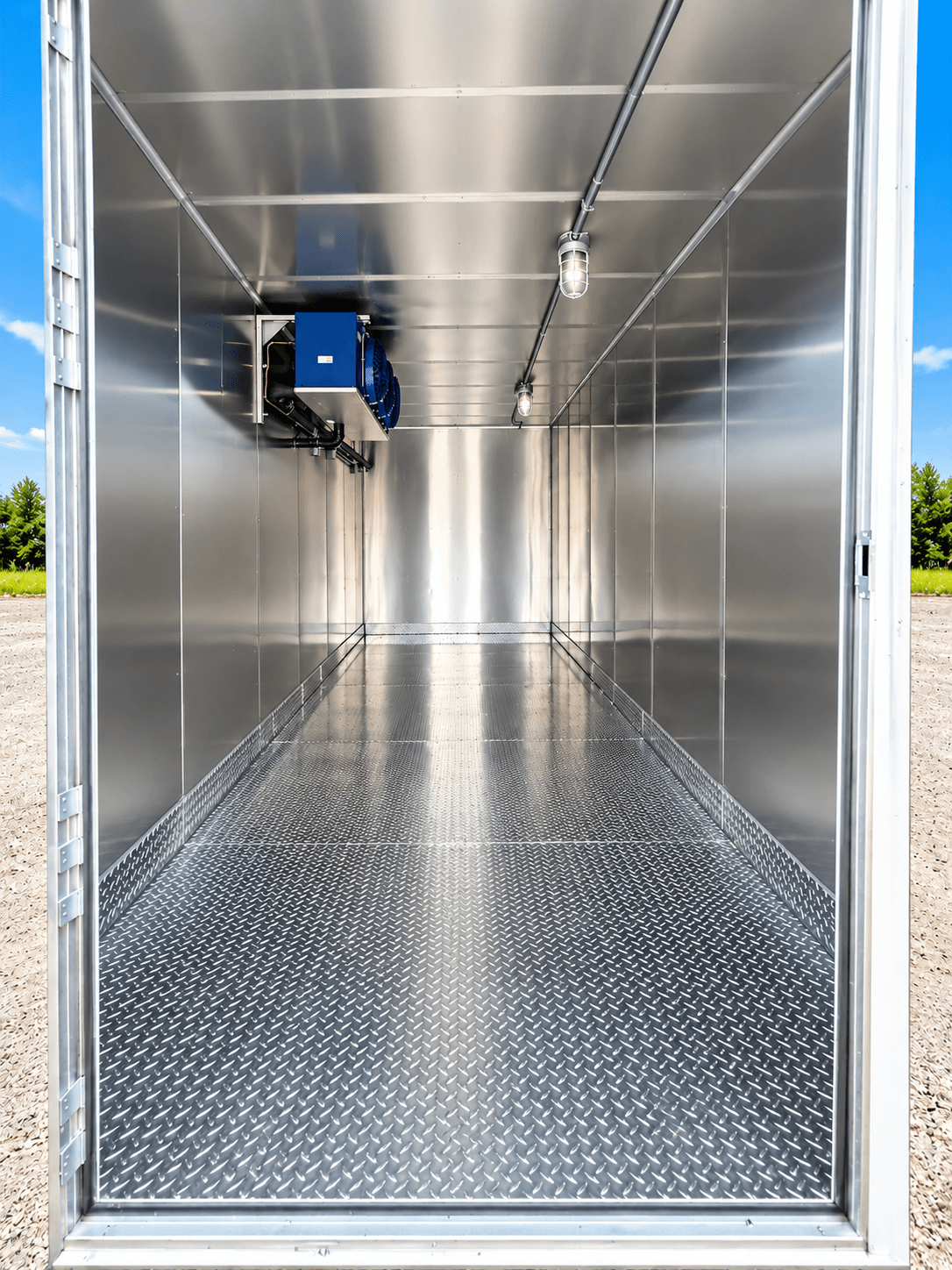
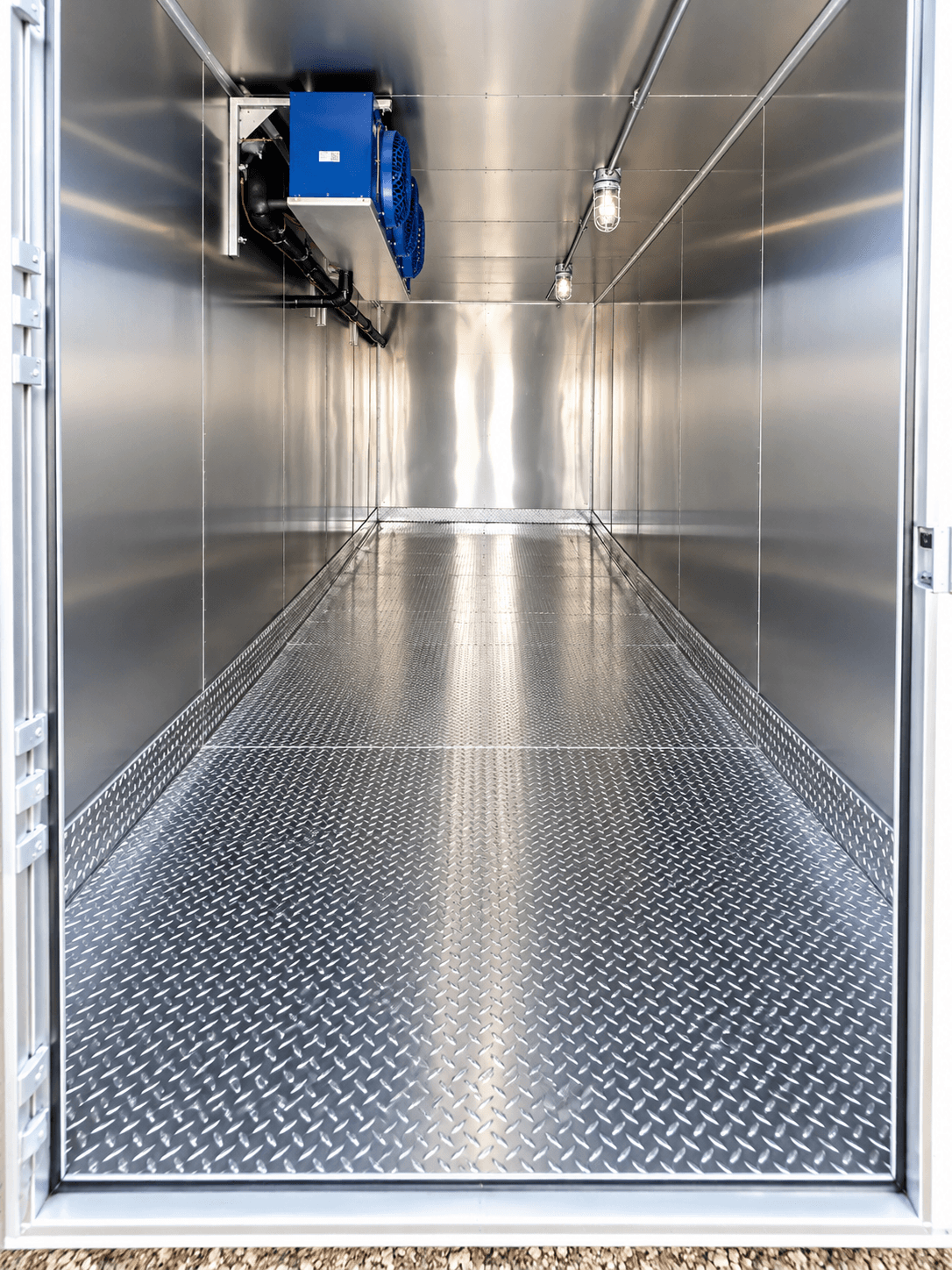
Listed refrigeration trailer equipment: condensing unit, amps panel, lighting.
Other cold-storage model details
- 12FT Refrigerated TrailerBXRT12–1 and BXRT12–2 list 220V · single-phase · 40–60A and a 32°F inventory label. Both are named as 12ft models, but their records also mention 20ft, so your quote confirms the length.
- 20FT Refrigerated ContainerYour quote confirms this container’s power, temperature and storage space for your project.
- 40FT Refrigerated ContainerYour quote confirms this container’s power, temperature and storage space for your project.
Equipment records reviewed October 19, 2026. Temperature labels are inventory labels, not verified operating ranges. Nominal length is a model label, not a measure of usable space or site footprint.
Give each proposal the same stock and working assumptions
The procurement coordinator needs an agreed ingredient load and loading pattern before comparing equipment responses. Keep the proposed period, position and responsibilities with that requirement so operations can identify what actually differs between proposals. An unanswered inclusion should remain a question for the relevant contact. A different equipment name or a lower figure does not establish that two responses describe the same working arrangement.
Compare named equipment without filling the gaps by assumption
BXRT20–1 in the 20FT Refrigerated Trailer guide lists a condensing unit, amps panel and lighting, with a 32°F inventory label. The label is not a complete operating range or approval for the ingredients in a particular request. Required product conditions and the offered unit’s usable capacity remain separate checks.
A refrigerated container offers nominal 20ft and 40ft alternatives whose temperature capabilities and electrical requirements also remain unconfirmed.
Compare the offered refrigeration trailer or container with the same packages, supplier overlap and retrieval pattern. Keep missing capacity, entry or connection information visible beside each response rather than transferring an answer from a different model.
Plan temporary equipment around education meal schedules
A university comparing Grand Rapids with a separate Utah campus may reopen buildings in phases, putting meal preparation, supplier receiving and dining access on different schedules. Coordinate the equipment inquiry with the dining calendar, allowing the operator to explain meal preparation peaks and supplier arrival restrictions.
Separate repair milestones from the storage period
Identify the decision that changes the need for holding: a repair finding, site review or approved stock transfer. Keep provisional dates separate from the rental period and collection arrangement actually agreed.
Trace the full carrier route
Follow the actual carts or cases through receiving, doors, shared areas and the temporary entry. Record restrictions and the contact reviewing them. A clear footprint alone does not establish a workable stock route.
Keep one checkable load record
Record product groups, package dimensions, the largest overlap and replenishment frequency in one version. Preserve order or department references where needed. Compare the offered entry and layout with that actual load.
Compare cooking and washing functions within the same scope
If cooking also moves, K2 in the 28FT Mobile Kitchen Trailer Rental guide lists a single-stack convection oven, griddle/oven, six-burner range/oven, deep fryers and reach-in refrigerator/freezer. Compare those appliances with the work operations actually needs. Their presence does not specify the usable capacity or connections of a separate cold store.
D7 in the 38FT Low Temp Dishwashing Trailer guide lists a low-temperature system, soil tray, prep table, racks, sinks and water heater. Its records disagree about the loading mechanism, and throughput is undocumented. Keep the offered washing configuration and clean-item route identifiable in the comparison, with instructions and a contact for equipment questions available across shifts.
Identify the temperature task
Record arrival condition and the product owner’s required conditions. Holding already conditioned goods is a different task from changing their temperature. Keep frozen or conflicting requirements separate until the actual equipment information is reviewed.
Compare the named electrical entries with the same site information
BXRT20–1 lists 220V single-phase at 40–60A; K2 lists 220V single-phase at 200A; D7 lists 220V single-phase at 220A. Matching voltage does not establish a common connector or suitable supply. The responsible site professional needs selected-unit requirements and exact connections, including any building-service changes and their effect on the stock route.
Keep unresolved inclusions beside the offered quote
Request current availability and a quote identifying the offered equipment, rental period, delivery, collection and additional items. Compare each response with the agreed operating brief and responsibilities. A revised unit or unexplained inclusion needs clarification before its figure is treated as comparable with another proposal.
Contact Worldwide Refrigerated Container Rental Facilities at +1 877-804-5153. Share your stock, site and dates, then ask about current equipment availability, rental or lease terms, delivery arrangements and a quote.
Compare quotations against one agreed operating brief
The procurement coordinator can ask operations to identify the stock task and loading pattern that every proposal should address. Keep that brief with the inquiry so differences between quotations can be examined against the same requirement. Note whether each response refers to the same proposed period, equipment description and site information before comparing its figures.
A practical review marks assumptions that remain unanswered rather than turning them into estimated inclusions. For example, if one proposal explains a responsibility that another leaves open, ask for clarification instead of assuming the same scope. Have the operating contact review any changed equipment description against the original task. That produces a more useful comparison for a refrigeration rental decision without publishing a price or implying that an unconfirmed service is included.
Discuss your cold storage rental.
Confirm the equipment, delivery location, and rental period that fit your project.
Request availability