
Compare the equipment
Specifications for your rental planning
These published examples describe named company units. The supplied equipment, configuration and availability are confirmed for your project address.
BXRT20–1Refrigerated trailer
- Nominal length
- 20ft
- Listed electrical supply
- 220V · single-phase · 40–60A
- Inventory temperature label
- 32°F
MT1Refrigerated trailer
- Nominal length
- 20ft
- Listed electrical supply
- 220V · single-phase · 40–60A
- Inventory temperature label
- 15°F
LT2Refrigerated trailer
- Nominal length
- 20ft
- Listed electrical supply
- 220V · single-phase · 40–60A
- Inventory temperature label
- -5°F
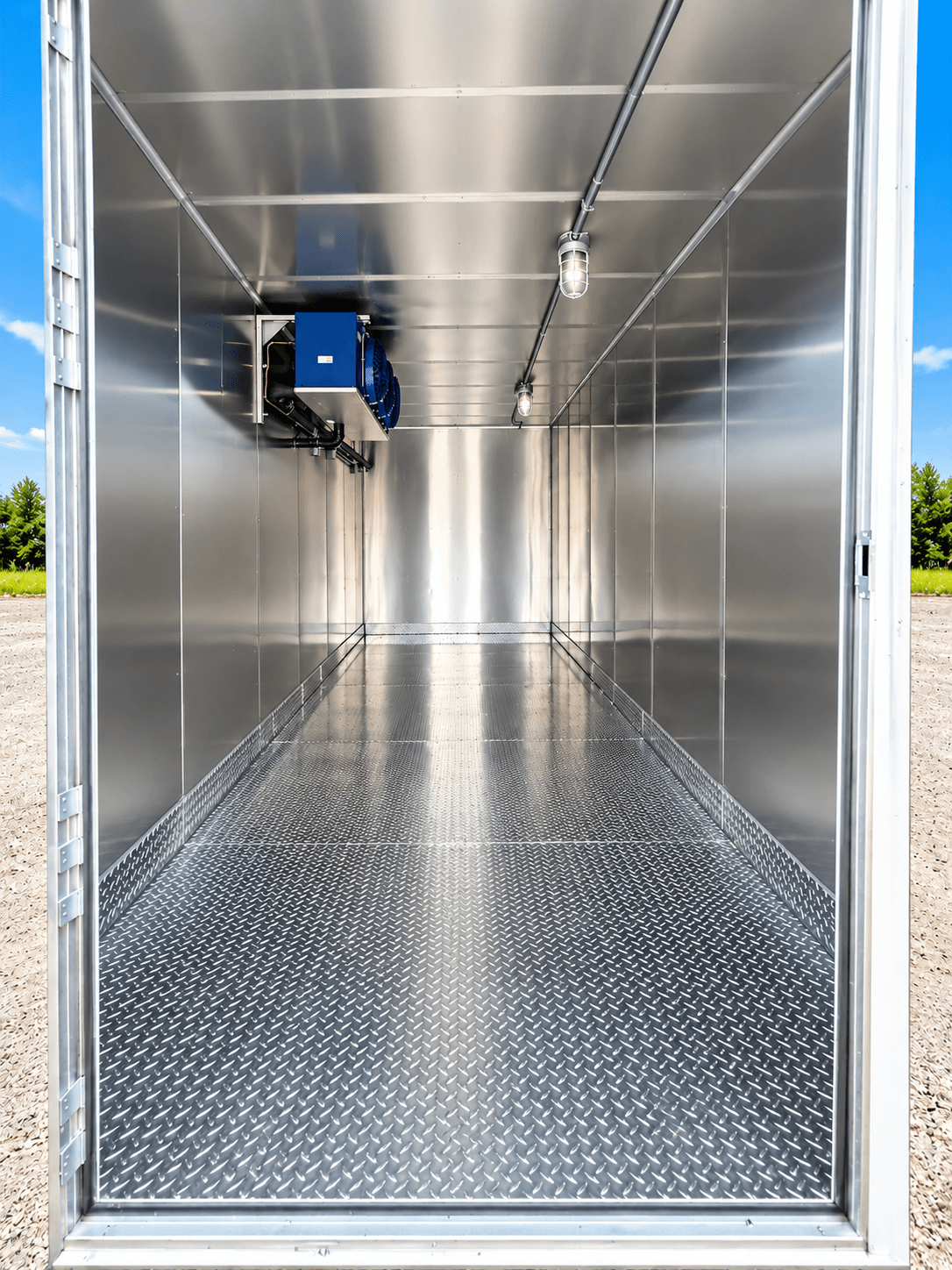
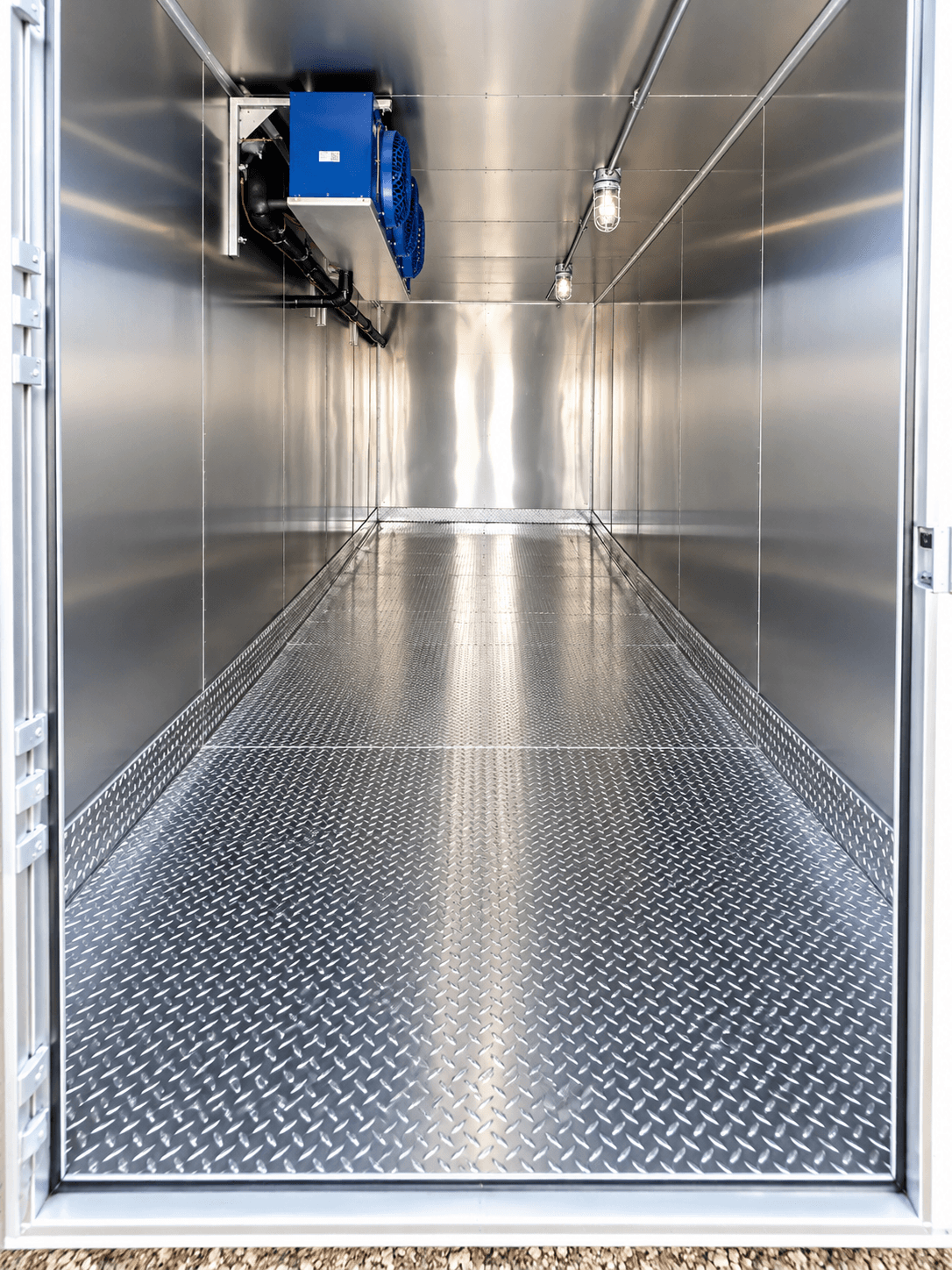
Listed refrigeration trailer equipment: condensing unit, amps panel, lighting.
Other cold-storage model details
- 12FT Refrigerated TrailerBXRT12–1 and BXRT12–2 list 220V · single-phase · 40–60A and a 32°F inventory label. Both are named as 12ft models, but their records also mention 20ft, so your quote confirms the length.
- 20FT Refrigerated ContainerYour quote confirms this container’s power, temperature and storage space for your project.
- 40FT Refrigerated ContainerYour quote confirms this container’s power, temperature and storage space for your project.
Equipment records reviewed October 19, 2026. Temperature labels are inventory labels, not verified operating ranges. Nominal length is a model label, not a measure of usable space or site footprint.
Keeping collection in the project plan
A planning example could involve equipment work ending before the operation is ready to move goods back. The program lead would identify who authorizes that move and how the collection request follows the actual stock decision instead of an early works estimate. The working brief centers on ingredients retained until permanent storage is usable and the decisions of the facilities program lead. Keep a single version of the working brief for the people involved. It should connect the products, services and site information with the rental dates. As questions are resolved, update the brief so the equipment discussion stays aligned with the operation.
Ask equipment questions that affect everyday use
Compare refrigerated container and refrigeration trailer options with a clear description of the stock. Identify walk-in cooler needs separately from freezer needs, provide the required product temperature and explain the largest load expected. Ask about the specific unit's usable storage capacity, door opening, loading access and electrical requirements. Include the stock carriers used by your team and any frequent door activity. Those details give your product and site contacts something concrete to review together, helping the equipment discussion address daily operation as well as the space available for a temporary store.
Coordinate your rental with events and catering
A revised catering menu for Newport News or a separate Arkansas venue may change incoming ingredients without changing available access or preparation space. Agree a supplier arrival plan with the venue contact, identifying who receives ingredients and where each preparation team collects its supplies.
Plan the handover between storage arrangements
Describe how the operation expects to move from its existing refrigeration into a temporary arrangement and back again. Include the people responsible for authorizing each move, the products affected and any receiving commitments during the transition. Ask what needs confirmation before the temporary unit is brought into use. Where the repair program is uncertain, explain the decision points and who will provide an updated schedule as the work develops. Discuss the process for extending the rental and requesting collection once the operation is ready. The schedule should support a controlled handover, with the required equipment and commercial terms confirmed separately for the proposed booking.
Keep collection access in the plan
A project can change a site substantially between equipment arrival and collection. Describe the expected works sequence, including barriers, parked materials or temporary layouts that could affect the route later. Identify who will keep the access information current and who can approve changes when contractors are present. Ask the rental contact what details are needed for both movements and how collection should be requested. This is especially useful when the initial position is selected before the construction program is final. Keep arrival and collection access information together, and give the team a current version when the project moves into its next stage.
Describe the stock before choosing capacity
Start with a usable inventory that describes the packages and how your team needs to handle them. Record the packages, crates, trays or pallets that need a place, their approximate footprint, and which goods must be reached first. Explain whether the load stays inside for most of the project or changes repeatedly during a working day. A unit that appears large enough on a floor plan still needs a workable loading arrangement. Ask the team to review the proposed inventory against the equipment being considered, and identify the information needed before a suitable size can be discussed.
Review the plan with the people using it
Before the proposed arrangement is finalized, invite the staff handling products to review the storage position and movement plan. They can explain package sizes, retrieval patterns and practical access needs that may not appear in the original inquiry. Ask the equipment contact which details require confirmation for the unit under discussion. Keep the final instructions and responsibilities available to the people working each shift. Use the review to connect the current product brief with the specific equipment information and working arrangement being discussed. Any change to the products or intended use should be discussed with the appropriate contacts before the revised arrangement is accepted.
Treat specialist products as a separate review
Some commercial inventories come with handling instructions that require a more detailed equipment discussion. Give the responsible product or quality contact an opportunity to explain those requirements, including any separation, recording or access procedures. Request unit information that your quality contact can compare with the products’ specified storage and handling requirements. If different stock groups have conflicting needs, say so clearly and request a review of the arrangement. Keep your own acceptance criteria and decision process documented. Use the discussion to create a current record of the stock requirements, equipment information and decisions your responsible contacts need to make.
Explain interruptions that may affect the supply
A refurbishment or maintenance program may alter the services available while temporary storage is needed. Describe planned electrical work, known access restrictions and the contact who can assess the supply. Ask what the proposed refrigeration equipment requires and how any alternative arrangement would be reviewed. If additional equipment or another power arrangement needs discussion, include it explicitly in the site brief. If the project schedule changes, update the people reviewing the supply as well as the people managing the stock. A clear written record should distinguish confirmed services from outstanding questions before equipment suitability and booking details are agreed.
Give the team enough detail for a useful reply
Summarize the reason temporary refrigeration is needed, the products involved and the period you expect to use it. Add the proposed site, access information and the contact responsible for services. Where your plan has alternatives, describe each option with the operating details needed to review it. Ask what equipment can be considered for the brief and request current availability, rental terms and delivery arrangements. Keep collection and possible program changes in the conversation as well. A complete inquiry helps the next discussion focus on the actual storage task while leaving unconfirmed specifications and commercial details open for review.
Contact Worldwide Refrigerated Container Rental Facilities at +1 877-804-5153. Share your stock, site and dates, then ask about current equipment availability, rental or lease terms, delivery arrangements and a quote.
Ask who can release the temporary store for collection
The facilities program lead can place a separate stock-return decision after the equipment works milestone. Identify the person who will decide when the permanent storage arrangement is usable for the business and what information that person needs. Keep the remaining ingredients visible in that decision record so a completed contractor task is not confused with an empty interim store.
For a handover example, consider works finishing while a product owner still has a question about moving goods back. Record the stock affected, the decision contact and the resulting uncertainty in the collection discussion. Ask which rental arrangements need review if the requirement changes. Requesting collection should follow an acknowledged stock decision and confirmed arrangements, rather than an early program date repeated after its assumptions have changed.
Discuss your cold storage rental.
Confirm the equipment, delivery location, and rental period that fit your project.
Request availability