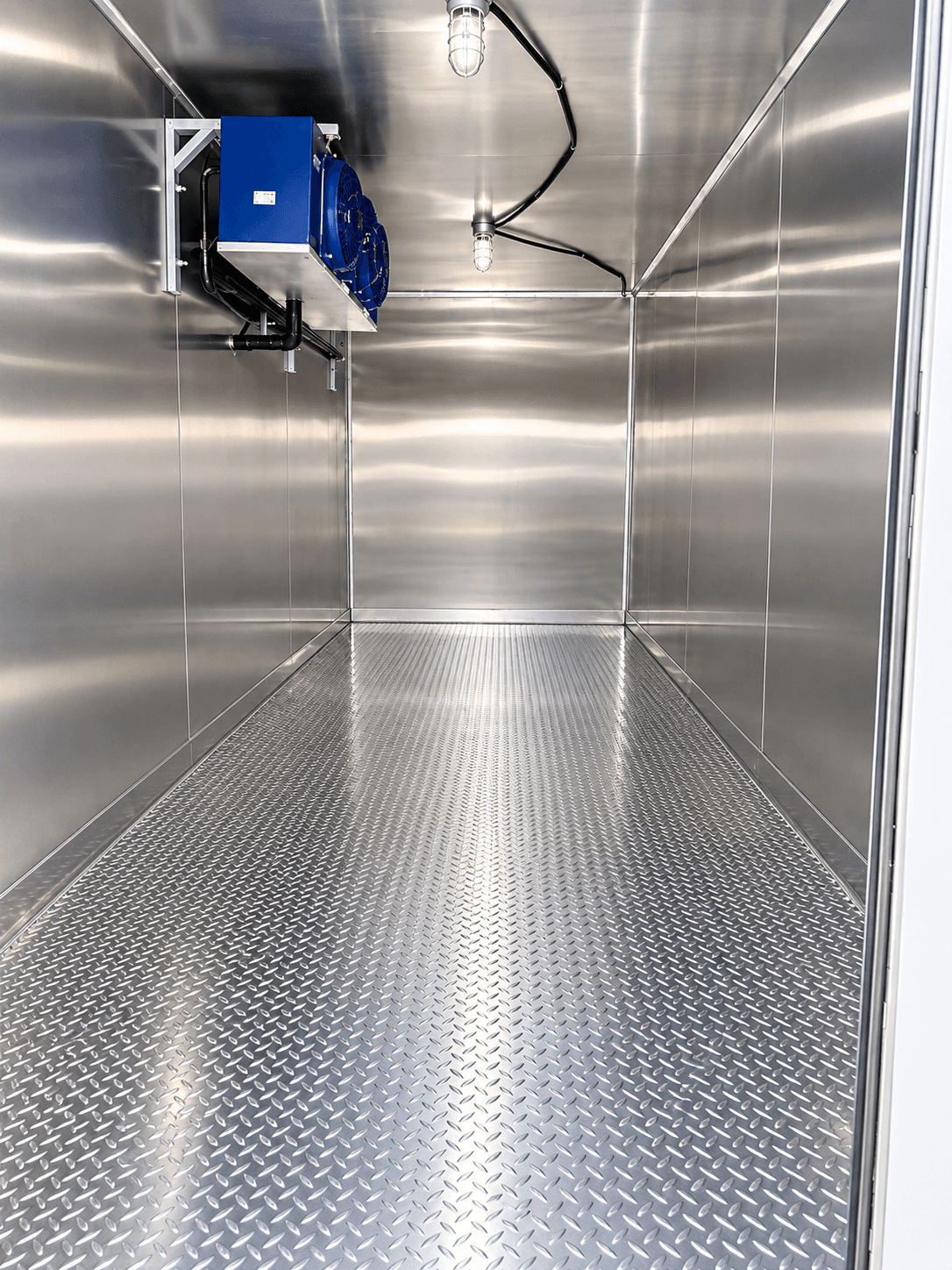
Compare the equipment
Specifications for your rental planning
These published examples describe named company units. The supplied equipment, configuration and availability are confirmed for your project address.
BXRT20–1Refrigerated trailer
- Nominal length
- 20ft
- Listed electrical supply
- 220V · single-phase · 40–60A
- Inventory temperature label
- 32°F
MT1Refrigerated trailer
- Nominal length
- 20ft
- Listed electrical supply
- 220V · single-phase · 40–60A
- Inventory temperature label
- 15°F
LT2Refrigerated trailer
- Nominal length
- 20ft
- Listed electrical supply
- 220V · single-phase · 40–60A
- Inventory temperature label
- -5°F
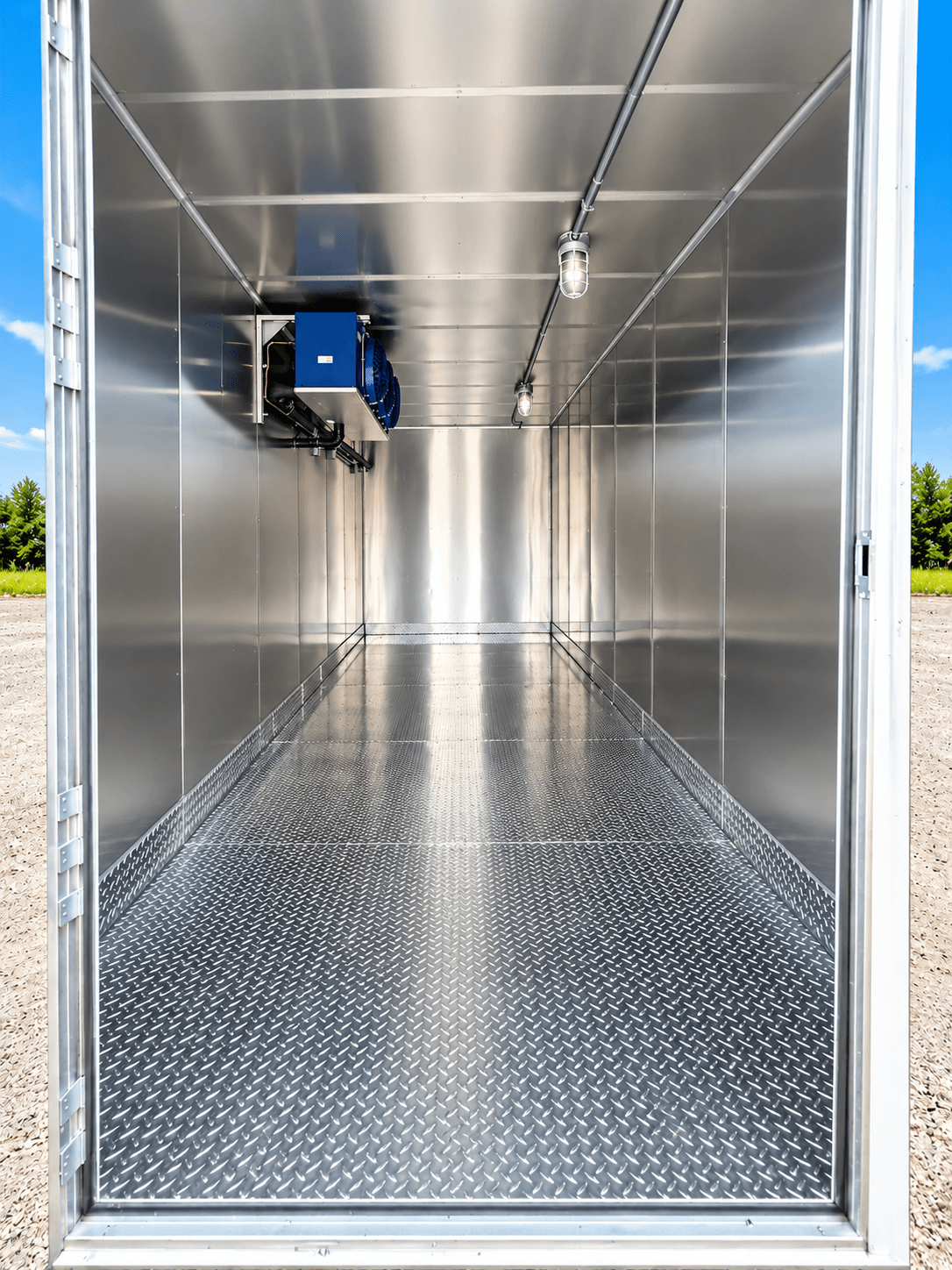
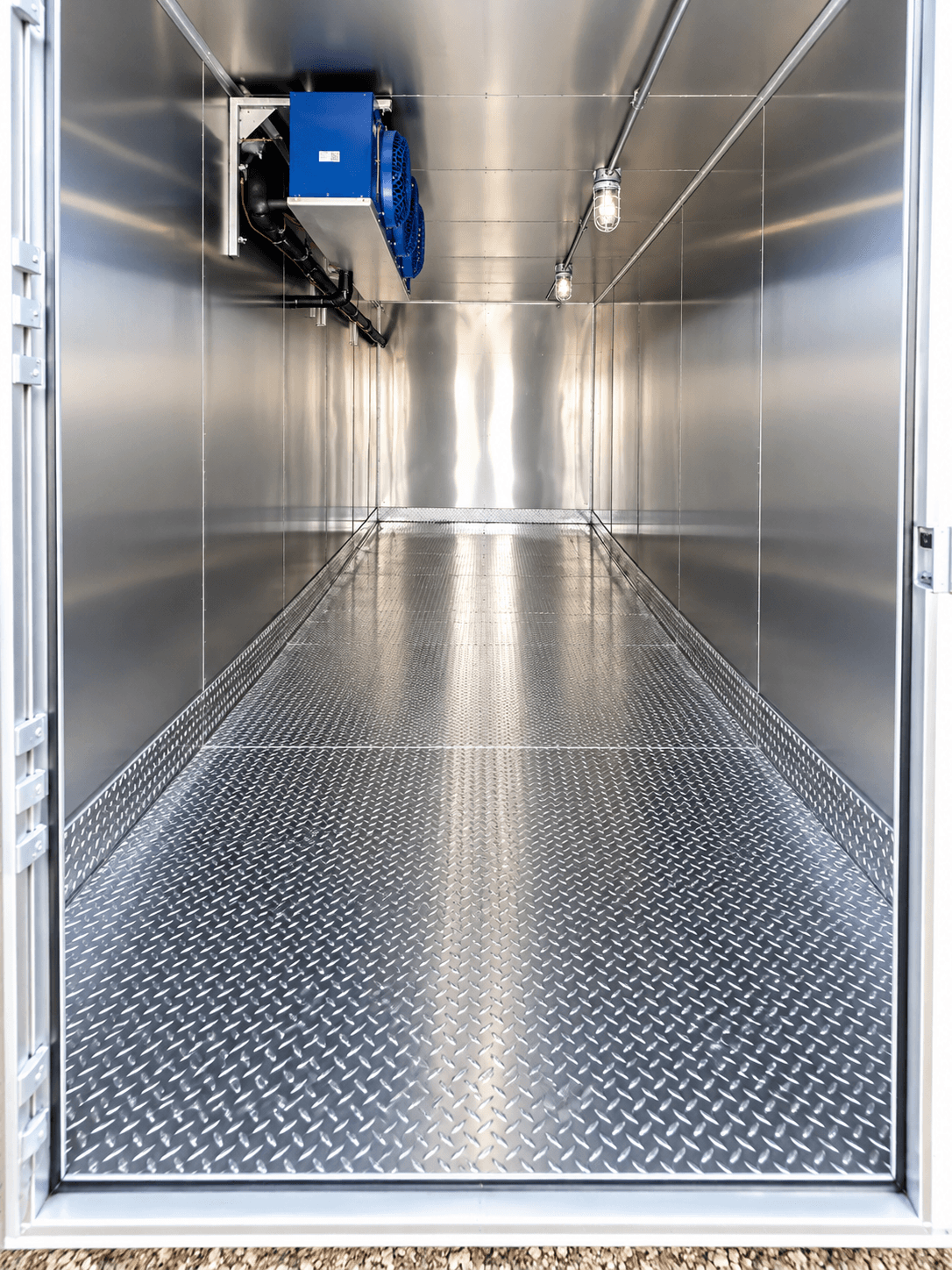
Listed refrigeration trailer equipment: condensing unit, amps panel, lighting.
Other cold-storage model details
- 12FT Refrigerated TrailerBXRT12–1 and BXRT12–2 list 220V · single-phase · 40–60A and a 32°F inventory label. Both are named as 12ft models, but their records also mention 20ft, so your quote confirms the length.
- 20FT Refrigerated ContainerYour quote confirms this container’s power, temperature and storage space for your project.
- 40FT Refrigerated ContainerYour quote confirms this container’s power, temperature and storage space for your project.
Equipment records reviewed October 19, 2026. Temperature labels are inventory labels, not verified operating ranges. Nominal length is a model label, not a measure of usable space or site footprint.
Organizing a container inventory brief
Consider an operator converting several department lists into one temporary-storage request. The example planning task would remove duplicate counts, retain the important product distinctions and explain the maximum load without assuming an equipment size before the brief is reviewed. The working brief centers on clearly separated packaged ingredients and the decisions of the stock administration lead. Give the people handling products an opportunity to explain their routine. Add the project dates and proposed position to that description, then use the combined information to review the temporary arrangement. Update the inquiry when the underlying requirement changes.
Ask equipment questions that affect everyday use
Compare refrigerated container and refrigeration trailer options with a clear description of the stock. Identify walk-in cooler needs separately from freezer needs, provide the required product temperature and explain the largest load expected. Ask about the specific unit's usable storage capacity, door opening, loading access and electrical requirements. Include the stock carriers used by your team and any frequent door activity. Those details give your product and site contacts something concrete to review together, helping the equipment discussion address daily operation as well as the space available for a temporary store.
Coordinate a rental for government food-service facilities
Government renovations in Oxnard or at a separate Delaware property may leave food-service staff accessing ordinary supplies while contractors work through occupied areas. Have the property and food-service contacts review the receiving route together before the purchase representative treats a proposed position as agreed.
Decide who checks conditions during use
Before the temporary store is put into use, identify who checks its conditions and who responds if something appears wrong. Explain any readings or records your operation needs, the expected working hours, and how staff communicate between shifts. Ask which controls or monitoring features belong to the particular equipment under discussion and which require a separate arrangement. Include any accessories or alert features you want to discuss in your request. A written handover can connect the equipment information with your existing product-handling procedures, making it clear who is responsible for observation, reporting and decisions about the goods throughout the rental period.
Separate storage requirements in the brief
Products with different handling requirements should be identified before an equipment request becomes a booking. State whether goods are chilled, frozen or subject to another documented storage condition, and describe any segregation your own procedures require. Explain which product groups can be considered together and which need a separate review. Explain which products arrive already conditioned and whether any incoming load presents a different requirement. Ask the rental team to review those details and discuss the equipment options that can be considered. Your product owner should decide the conditions and records required for the goods being stored.
Review the plan with the people using it
Before the proposed arrangement is finalized, invite the staff handling products to review the storage position and movement plan. They can explain package sizes, retrieval patterns and practical access needs that may not appear in the original inquiry. Ask the equipment contact which details require confirmation for the unit under discussion. Keep the final instructions and responsibilities available to the people working each shift. Use the review to connect the current product brief with the specific equipment information and working arrangement being discussed. Any change to the products or intended use should be discussed with the appropriate contacts before the revised arrangement is accepted.
Provide a placement brief instead of guessing
A useful placement brief names the proposed position, available working space and any known restrictions, then leaves the equipment-specific review to the appropriate contacts. Include the route in, nearby activities, the intended loading side and who controls the area during installation and collection. Tell the team about changes expected during the project, such as a gate closure or contractor storage occupying part of the site. Ask what clearance and positioning information applies to the unit under discussion. Ask the site and equipment contacts to review the sketch together and identify the points needing further detail before the position is agreed.
Explain interruptions that may affect the supply
A refurbishment or maintenance program may alter the services available while temporary storage is needed. Describe planned electrical work, known access restrictions and the contact who can assess the supply. Ask what the proposed refrigeration equipment requires and how any alternative arrangement would be reviewed. If additional equipment or another power arrangement needs discussion, include it explicitly in the site brief. If the project schedule changes, update the people reviewing the supply as well as the people managing the stock. A clear written record should distinguish confirmed services from outstanding questions before equipment suitability and booking details are agreed.
Discuss short and extended rental needs separately
Explain whether the request concerns a brief interruption, a planned project or a longer period while permanent storage decisions are made. State the earliest required date, expected duration and any uncertainty that could affect it. Ask which rental or lease terms may be considered and how changes to the period are handled. Ask the team to explain the proposed period, any minimum term and the process for discussing an extension or earlier collection. Request current written terms for the proposed equipment and location. Keep the operating schedule and commercial discussion connected so the team can review the actual requirement before a booking is agreed.
Ask about changes before approving the rental
A temporary refrigeration requirement can change after a repair inspection or a revised works program. Tell the team which parts of the request are firm and which remain estimates. Ask how a change in dates, location, equipment requirement or collection instruction would be handled under the proposed terms. Keep the answer with the quotation so the people approving the rental can review the same terms and change process. The decision should reflect the current equipment and project brief, including delivery and any additional items that need review. Request clarification before approving the rental so the operation understands both its storage plan and the commercial arrangement being offered.
Contact Worldwide Refrigerated Container Rental Facilities at +1 877-804-5153. Share your stock, site and dates, then ask about current equipment availability, rental or lease terms, delivery arrangements and a quote.
Reconcile department totals before describing container capacity
The stock administration lead can gather inventory lists in a format that retains the department, stock reference and basis of each quantity. Check whether a figure describes packages already on site, an expected order or an allocation within another department's total. This prevents a combined list from counting the same ingredients again under several administrative descriptions.
For the review, choose a shared entry and ask its owners to confirm how it should appear in the consolidated brief. Record the resolution so another administrator can reproduce the total rather than simply accept it. Keep unanswered entries marked as open questions. Send the reconciled load description for equipment review without converting an administrative count into an assumed container size or losing the product distinctions staff need to recognize their stock.
Discuss your cold storage rental.
Confirm the equipment, delivery location, and rental period that fit your project.
Request availability