BXRT20–1Refrigerated trailer
- Nominal length
- 20ft
- Listed electrical supply
- 220V · single-phase · 40–60A
- Inventory temperature label
- 32°F
Temporary cold storage in Belgrade, Montana
Belgrade commercial cold storage for rent can support ingredients after an emergency freezer interruption or during planned permanent-store replacement. Refrigerated containers, trailers, coolers and freezers address different needs, with kitchen and dishwashing facilities considered where other work areas move. Short-term rentals and longer leases can suit schools, hospitals, restaurants, hospitality businesses and industrial food-service operators. Worldwide Refrigerated Container Rental Facilities serves Belgrade and discusses delivery around the actual property and selected equipment. Describe the receiving cycle, products and intended period to request availability and a quote for temporary storage connected to the meal routine staff need to continue.
Emergency cooler or freezer failure in Belgrade? A person answers rental inquiries 24/7. Availability and delivery timing are confirmed in your quote.
Plan your rental budget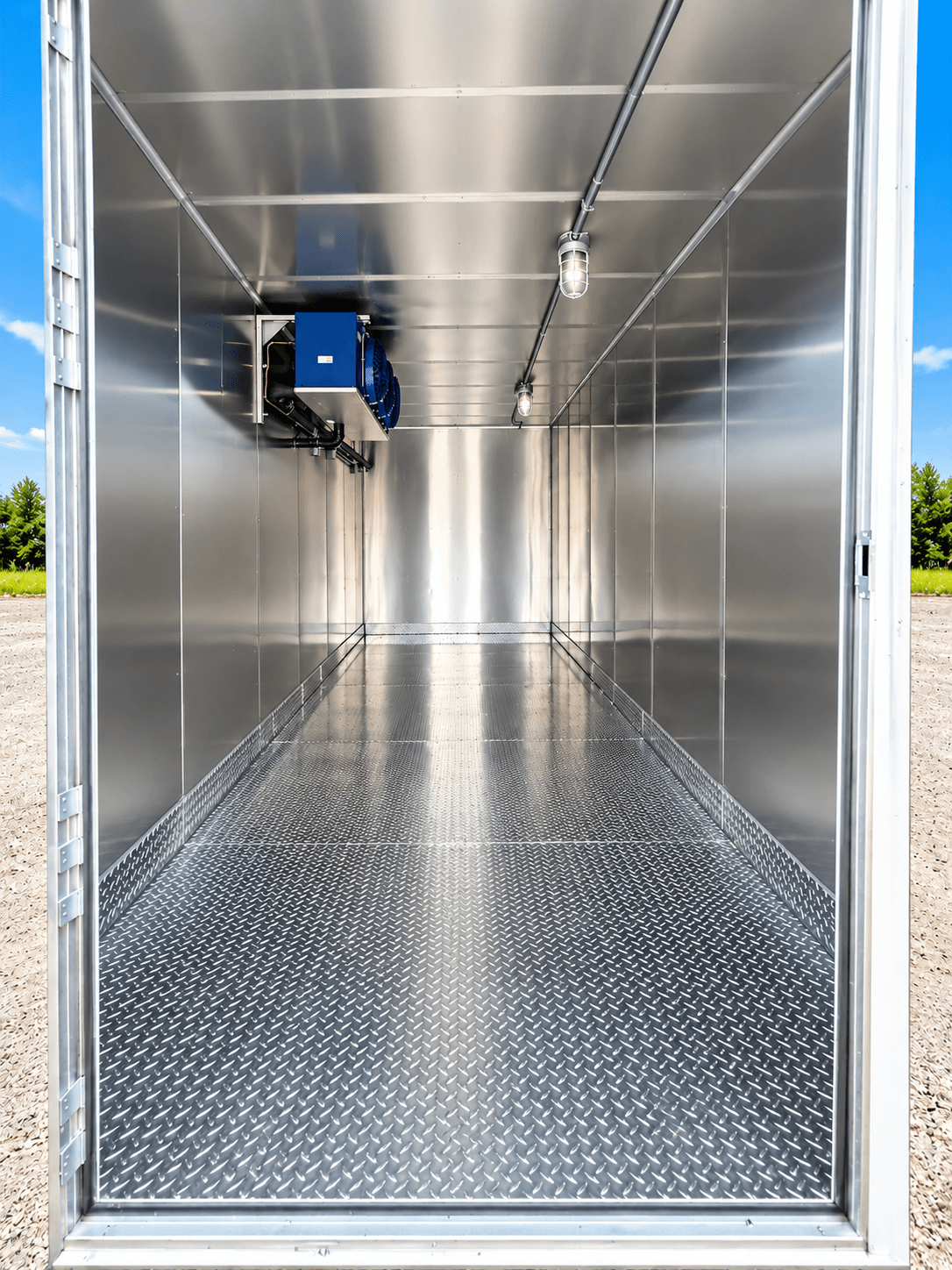
Compare the equipment
These published examples describe named company units. The supplied equipment, configuration and availability are confirmed for your project address.
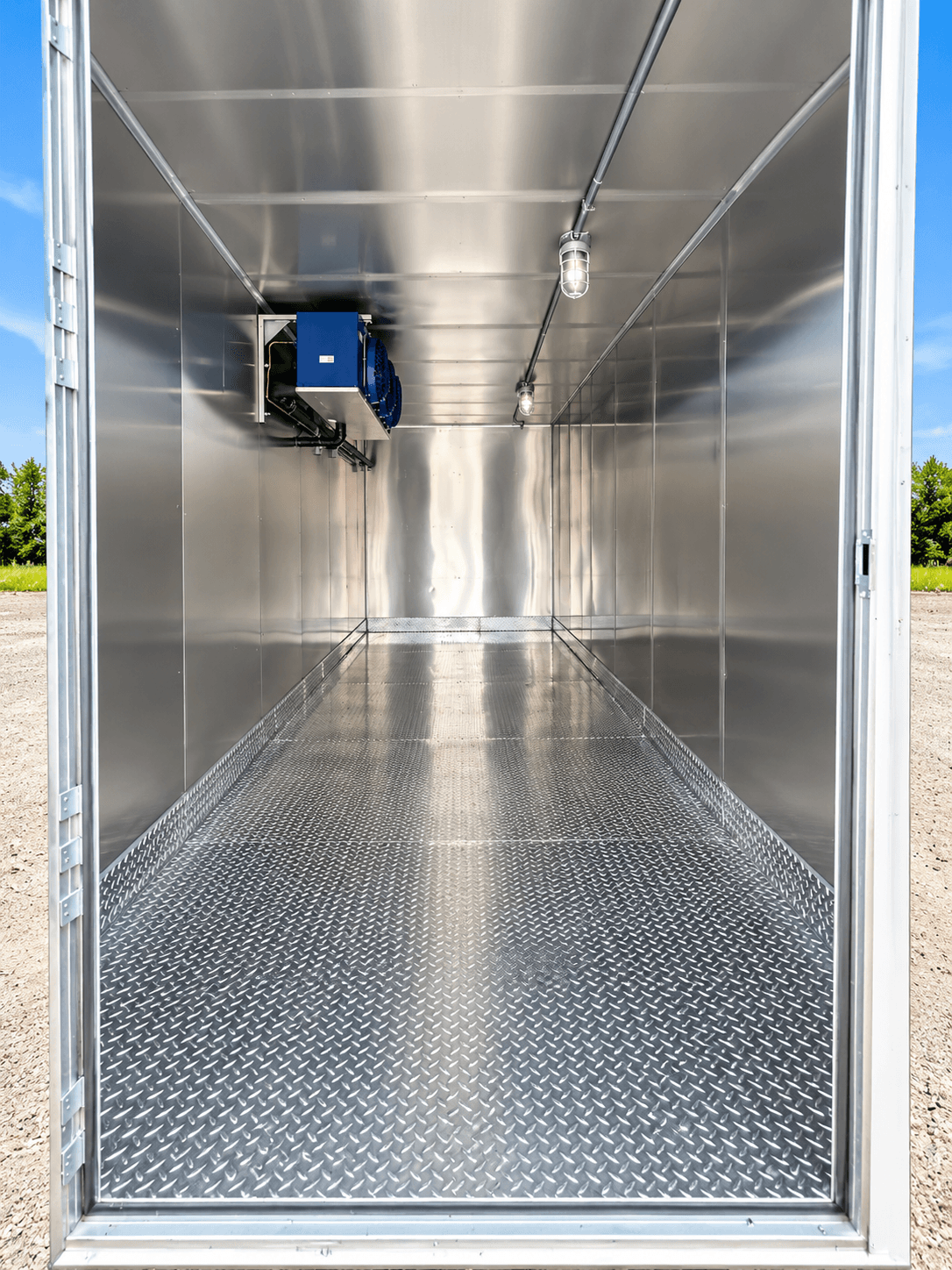
Listed refrigeration trailer equipment: condensing unit, amps panel, lighting.
Equipment records reviewed October 19, 2026. Temperature labels are inventory labels, not verified operating ranges. Nominal length is a model label, not a measure of usable space or site footprint.
A kitchen in Belgrade can serve meals regularly while ingredients arrive in batches. Identify the highest stock quantity held together, packaging and required conditions before comparing equipment. Meal output provides context but does not establish usable layout or how employees retrieve supplies once the unit is loaded. Separate chilled ingredients from frozen reserves so each function is clear.
Define whether the rental replaces the everyday store or holds reserves beside permanent refrigeration. Occasional access and repeated preparation trips can create different entrance and layout needs. Discuss the actual offered configuration and any intended shelving or handling equipment without assuming fittings are supplied. Useful storage should support later receiving and retrieval after loading, not merely accept the initial product transfer.
To turn this local picture of rent into an equipment shortlist, start with the 12ft Refrigerated Trailer guide and its notes on a handback plan for the end of the rental and which stock must move first.
A kitchen project in Bozeman may need daily refrigeration while cooking stays available inside. For a requirement considered through the Belgrade market, identify the actual delivery point and product role rather than automatically use the location approving the order. The rental belongs where ingredients remain and staff use them.
Readers in Belgrade may also want to compare how other nearby cities approach their projects. Helena’s guide focuses on its own planning questions, and a separate reading is Butte-Silver Bow’s guide on planning during repairs. Bring the same practical questions about access, timing and storage to your Belgrade inquiry.
A function in Livingston can have a shorter supply peak, while a facility project in Churchill may need a longer working store. These regional examples describe distinct tasks rather than one shared operation. Give each real requirement its products, dates and access so connections, capacity and transport are considered for the actual site, not an assumed common arrangement.
At an industrial workplace in Belgrade or Livingston, Montana, a changed contractor boundary may alter the route used to bring ingredients into the staff dining area. Include the expected transfer back to permanent facilities in the inquiry, with responsibility for stock checks and the final equipment handover.
A location convenient for unloading can interfere with suppliers or repeated ingredient trips once temporary equipment is full. Consider those movements alongside other building work and the actual unit’s entrance and connections. Include the property contact and employees handling supplies rather than selecting position only by available outside space.
If temporary cooking or dishwashing is also involved, connect the facilities around the ingredient flow while retaining separate layouts and utility requirements. Explain what remains usable during each phase. A refrigeration interruption does not automatically establish that every kitchen function needs replacing outside for the entire period, or that one configuration suits all stages of the project.
NOAA describes Montana’s regional climate contrasts, generally dry air and elevation-related temperature variation. Include the actual months for the Belgrade property when equipment and outdoor placement are discussed. This state context does not establish a local forecast or technical rating for the offered unit.
The proposed surface, staff approach and available connections should be considered together. The property contact can explain existing access arrangements and changes through work. A longer requirement needs a position useful throughout loaded daily handling, not only a place equipment can arrive conveniently before normal receiving and site activity become busier around it.
Permanent refrigeration may be ready while the rental still holds supplies. Include transferring ingredients back and resuming normal receiving before the unit is released. Review continued-use terms where dates are uncertain instead of assuming additional time or changed collection is included.
Setup and delivery is shown as a starting amount only; transport for the actual address, collection and other trips are confirmed in the quote. Request actual duration, transport, collection and other project scope in the full quote. Compare proposals for the same products and operating dates so purchasing and kitchen teams assess a practical arrangement through the interruption and return to normal refrigeration.
Before you book
Add peak stock, supplier timing, packaging and required conditions. Explain how frequently employees retrieve products and what permanent refrigeration remains usable. These details help assess useful layout, particularly when the rental becomes the everyday ingredient store rather than an occasional reserve alongside working equipment.
Explain which areas close and when, then how ingredients, preparation and dish returns move. Related facilities can support one project while retaining their separate layouts and connections. Do not assume a cold-room interruption requires every food-service function to move outside for the complete period.
Review the actual period, equipment role, connections, transport, collection and other charges, including possible extensions and the final stock transfer. Its range comes from published national rates, so the quote still confirms the exact rate, transport and terms for this address. Use the same products and dates to compare complete written proposals before relying on a particular arrangement.
These public references inform the planning examples; equipment availability and delivery arrangements are confirmed for your address.
Temporary refrigeration, kitchens and dishwashing can support many kinds of food-service operations. Each setting below starts with its own schedule, stock and site questions, and every project is reviewed individually.
Hotels, restaurants and resorts can plan temporary refrigeration around breakfast, banquet and dinner service when a walk-in cooler fails or a kitchen is refurbished.
Hospital, nursing home and care-facility kitchens can describe meal schedules, delivery times and displaced stock so temporary storage follows the food-service routine.
Municipal, county and public-building food-service teams can outline receiving arrangements, responsible contacts and project dates before a quote is prepared.
Dining facility managers can explain the products displaced, the receiving arrangements and the proposed period, then review availability and terms with our team.
Schools, colleges and universities can plan around term dates, serving windows and campus kitchen renovations so meal service can continue during repairs or construction.
Plant cafeterias and employee dining areas can describe shift patterns and staged building work so temporary cold storage can be reviewed against the working schedule.
Caterers and venues can plan preparation windows, event days and overflow ingredients, and describe how stock moves between storage, the kitchen and service.
Producers, wholesalers and distributors can describe loading, staging and storage needs when a cooler breaks down or demand temporarily exceeds capacity.
These examples describe planning situations. Equipment, availability and terms are confirmed in a project quote.
Cold storage is only one part of a project. These are the questions we work through with you before anything is booked.
Start with refrigerated containers and refrigeration trailers, then add a temporary kitchen or dishwashing trailer when the project needs one, all in a single conversation.
Access, utilities and the intended position are reviewed before delivery is arranged, so the equipment is matched to your site rather than the other way around.
Whether a walk-in cooler failed this morning or a renovation is months away, describe the real situation and plan around the stock, dates and people involved.
Planning guides cover all 50 states and more than 700 cities. Your address is then confirmed for equipment and delivery.
Use the rental calculator for a rate-range estimate and setup amount, then request a project quote that confirms availability, transport and the rental period.